
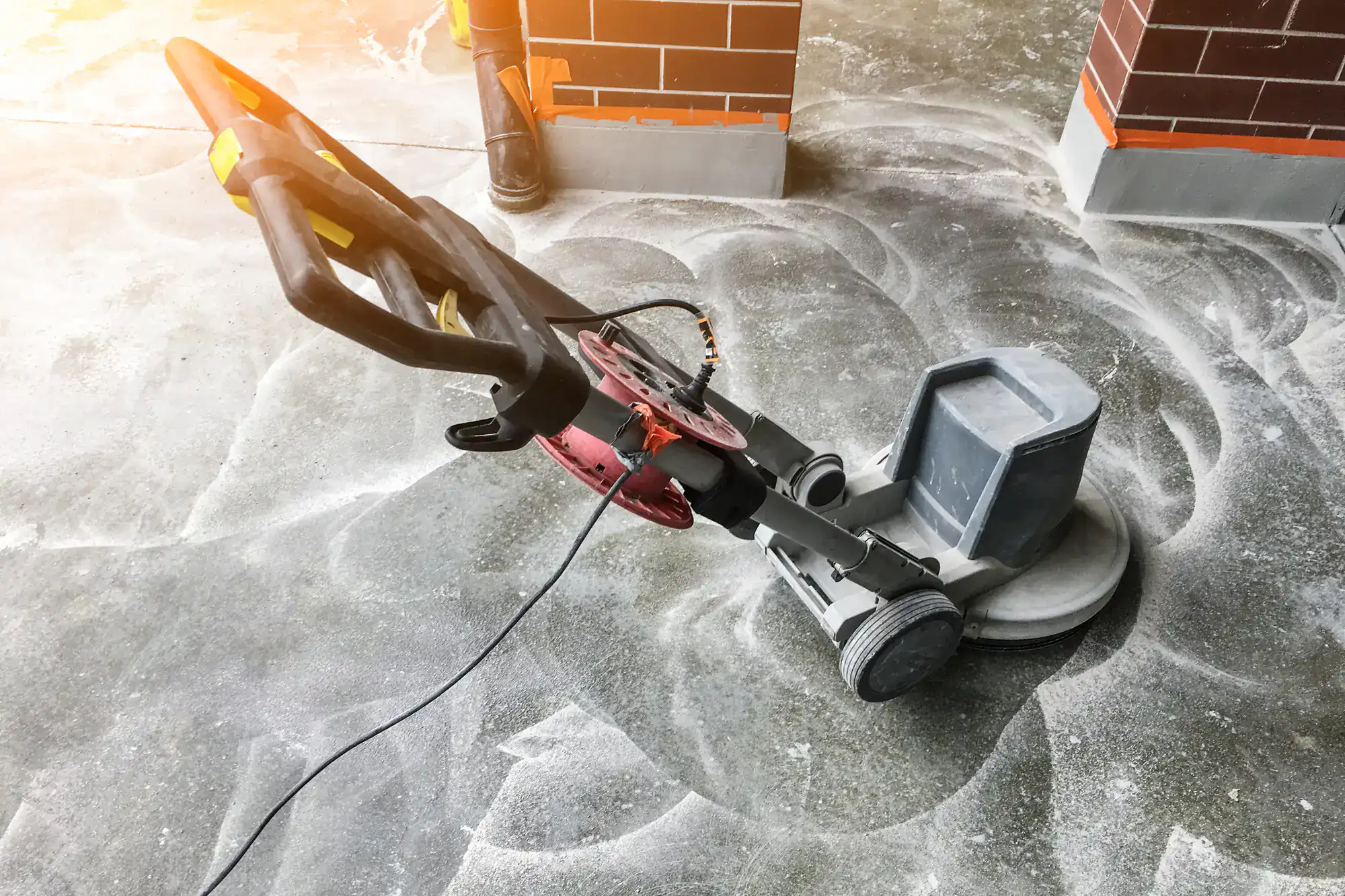
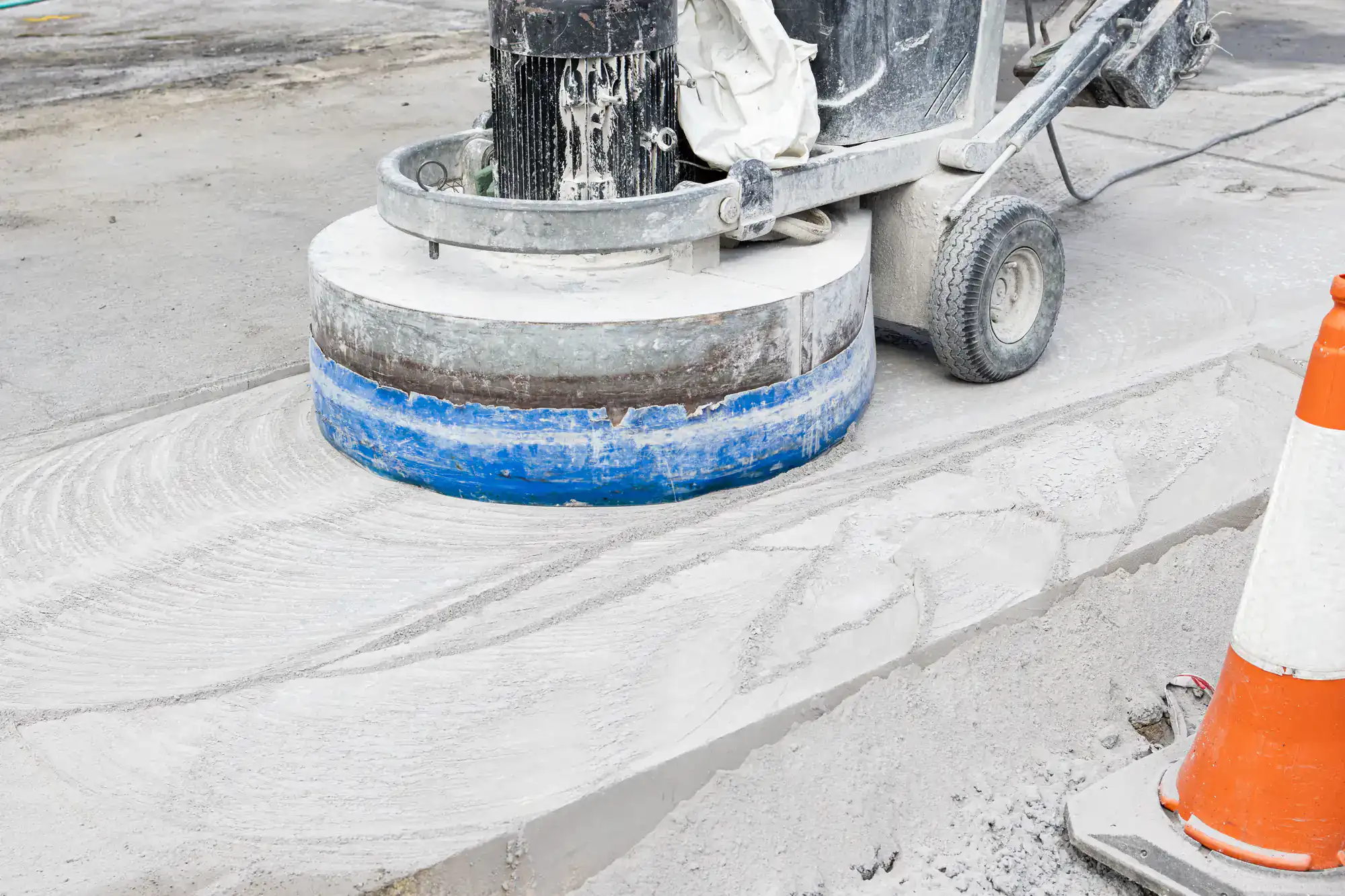
A properly polished concrete floor does not just look better it performs better, for years. No dusting. No hazing. No recoating cycle. Just a surface that holds up under real commercial traffic and still looks sharp a decade from now. That is what a floor finished with the right process actually delivers.
Oyster Bay’s climate makes this more relevant than most people realize. Nassau County’s winters drive freeze-thaw cycling that quietly degrades untreated concrete from the inside out water gets into the pores, freezes, expands, and the surface slowly breaks down. Densified concrete resists that process because the slab itself has been chemically hardened, not just coated on top. For a commercial space on or near Main Street in Oyster Bay, that difference matters every single winter.
The North Shore’s coastal air adds another layer. Salt moisture accelerates surface degradation in ways that are easy to miss until the floor is already dusty and porous. A polished and densified floor closes those pores at the material level which means less maintenance, less dust, and a surface that does not telegraph neglect to every customer who walks through the door.
Advanced Epoxy Flooring is a Long Island-based flooring contractor owned and operated by Danny Harmer, who has been doing this work personally for more than four decades. Not managing crews from an office actually on the job. That is not a small thing when you are investing in a commercial floor that needs to last.
We were built around a straightforward frustration: too many contractors apply flooring systems without understanding why they work. That gap is where floors fail. Our approach has always been to understand the chemistry first and let the results follow. It is the same standard that earned us the opportunity to complete flooring work at the White House kitchen in 1996 a project that required a level of scrutiny no local competitor has ever faced.
We serve Nassau County’s North Shore communities from the boutique commercial spaces along Oyster Bay’s Main Street to the larger commercial corridors in Syosset and Woodbury bringing the same standard to every slab, regardless of size or complexity.
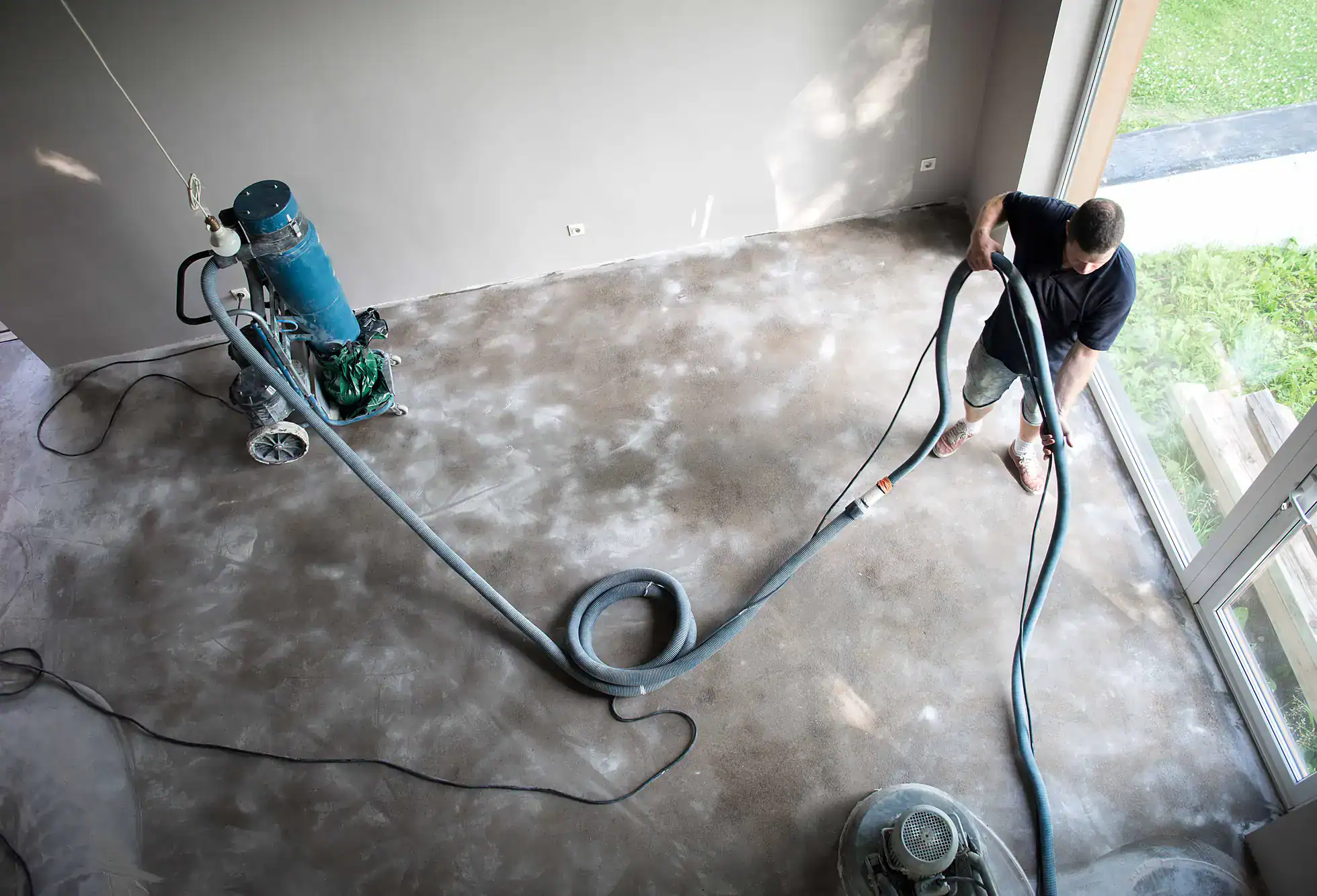
Every job starts with a real assessment of the slab. Not a quick look and a quote an actual evaluation of the concrete’s condition, its age, what is already on it, and what finish is realistically achievable. Oyster Bay’s older commercial building stock means a lot of slabs have decades of coating layers, repairs, and surface contamination that need to be accounted for before any grinding starts. That assessment shapes everything that follows.
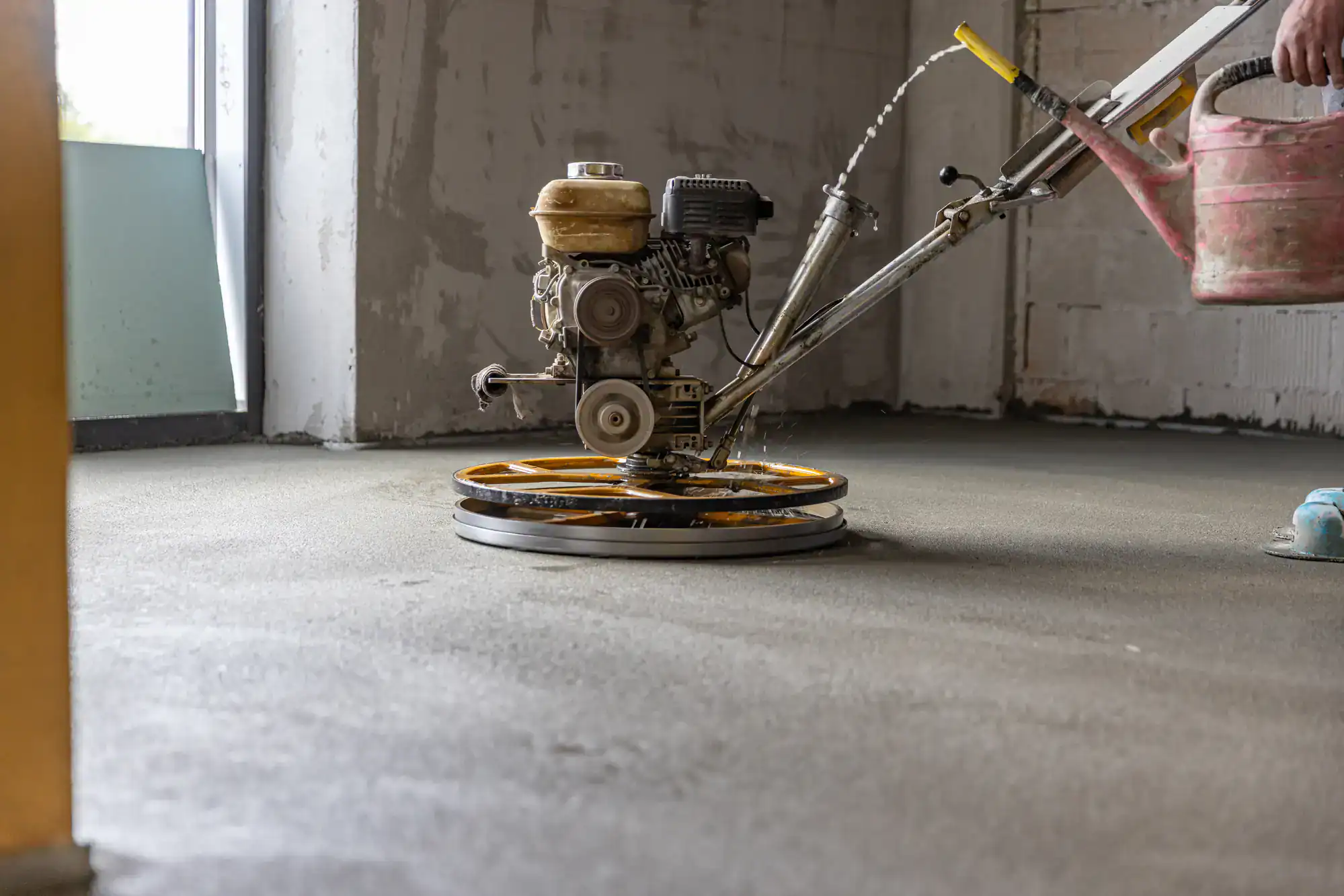
From there, the process moves through coarse diamond grinding to open the surface, followed by progressively finer grit passes to refine it. The densification step comes next lithium silicate is applied and penetrates the slab, chemically reacting with the concrete to harden it from within. This is the step most contractors either skip or apply incorrectly, and it is the single biggest factor in whether a polished floor holds up or starts failing within the first two years.
After densification, finer polishing passes bring the floor to the specified finish level from a low-sheen Class 1 for industrial spaces to a high-gloss Class 4 for showrooms and upscale retail. A stain guard is applied last to protect the surface and lock in the finish. The timeline depends on square footage and slab condition, but most commercial projects in the Oyster Bay area are completed with minimal disruption to your business operations.
Ready to get started?
The commercial properties in and around Oyster Bay are not all the same, and the floor finish that works for a boutique on Main Street is not the same one that makes sense for a warehouse in Syosset or a professional office in Woodbury. We work across the full range retail showroom concrete finishes, high gloss polished concrete for customer-facing spaces, and industrial concrete polishing services for facilities that need durability over aesthetics.
For businesses near the harbor or along Route 25A where foot traffic brings in consistent moisture, anti-slip additives can be incorporated into the final stain guard without changing the appearance of the finish. Gloss and traction are independent properties a high-gloss floor can absolutely meet OSHA’s coefficient of friction standard for commercial surfaces, and we apply this correctly every time.
For older buildings in the historic district, crack repair, coating removal, and color-matched surface patching are part of the preparation process when the slab requires it. The goal is not to hide what is there it is to work with the actual concrete and deliver a result that performs. Every project includes a full slab assessment, surface preparation, diamond grinding, densification, finish polishing, and stain guard application. We use Sherwin-Williams HPF-certified products throughout, applied to manufacturer standards on every job.
In most cases, yes. The age of the slab is rarely the limiting factor condition and preparation are. Oyster Bay’s older commercial buildings, including properties along Main Street that date back to the late 1800s, often have slabs that have never been professionally finished or have accumulated multiple layers of old coatings and repairs. That complexity does not make polishing impossible. It makes the assessment phase more important.
The preparation process grinding down to clean concrete, removing old coatings, filling cracks with color-matched material, and addressing surface irregularities is what makes an older slab a viable candidate for a quality polished finish. After 40 years of working with Long Island’s building stock, we have assessed and polished floors in buildings of every age and condition. The answer, in the vast majority of cases, is that the floor can be worked with. The assessment will tell you exactly what is realistic before any work begins.
A properly installed polished concrete floor with correct densification and stain guard application typically lasts 15 to 25 years in a commercial environment with basic maintenance. That means dust mopping regularly and occasional damp mopping with a pH-neutral cleaner. No waxing, no stripping, no recoating cycles. The floor you install is essentially the floor you keep.
The reason some polished floors fail well before that window is almost always a process problem, not a material one. Skipped densification, wrong grit progression, or incompatible products applied in the wrong order will produce a floor that hazes and dusts within 18 months. In a high-traffic commercial space an office park in Syosset, a retail location on Jericho Turnpike, a restaurant near the Oyster Bay waterfront that kind of premature failure means business disruption and remediation costs on top of the original installation. Doing it right the first time is not just a quality argument. It is a financial one.
This is one of the most common concerns, and it is based on a misconception worth clearing up. Gloss level and slip resistance are not the same thing. A high-gloss polished concrete floor can fully meet OSHA’s minimum coefficient of friction standard of 0.5 for level commercial surfaces and a properly finished floor does exactly that.
For businesses in Oyster Bay that deal with consistent wet-tracked moisture restaurants and shops near the harbor, businesses along Route 25A that see heavy foot traffic in rainy weather anti-slip additives can be incorporated into the final stain guard application. This does not affect the appearance of the finish in any visible way. It is a straightforward adjustment that we apply based on the specific use of your space. If slip safety is a concern for your location, bring it up during the assessment and it gets built into the spec from the start.
Commercial polished concrete in the Northeast typically runs between $3 and $12 per square foot, depending on the finish class you are targeting, the current condition of the slab, and the total square footage of the project. A lower-sheen industrial finish on a clean, newer slab sits at the lower end of that range. A high-gloss Class 4 finish on an older slab that requires significant preparation will be toward the higher end.
For commercial property owners in the Oyster Bay area, the more useful number is often the 10-year total cost of ownership rather than the upfront square footage price. Polished concrete requires no waxing, no stripping, and no replacement cycle for 15 to 25 years with basic maintenance. Compare that to VCT, which needs annual waxing and stripping, or commercial carpet, which typically needs full replacement every 7 to 10 years. The upfront investment in a properly installed polished floor is almost always lower than the cumulative cost of maintaining and replacing the alternatives over the same period.
Nassau County’s climate is genuinely hard on untreated concrete. The combination of hot, humid summers and winters that regularly drop below freezing creates freeze-thaw cycling that is one of the primary causes of concrete surface degradation on Long Island. When water infiltrates the pores or hairline cracks in a concrete slab during a thaw and then refreezes, it expands with enough force to widen cracks, spall the surface, and create the dusty, degraded floors that commercial property owners on the North Shore deal with regularly.
Densification is the direct answer to this. When lithium silicate is applied correctly and penetrates the slab, it reacts chemically with the concrete to form a harder, denser matrix that resists water infiltration. The freeze-thaw cycle does not stop, but the slab’s ability to absorb and hold moisture which is what drives the damage is significantly reduced. For a commercial floor in Oyster Bay that is going to face 20 or more winters, that chemical hardening is not optional. It is what separates a floor that holds up from one that does not.
The honest answer is that credentials and experience are verifiable, and most local competitors cannot match what we bring to a project. Danny Harmer has been doing this work personally for more than 40 years on Long Island not managing a crew, but actually on the job. We hold a Sherwin-Williams High Performance Flooring certification and a Res Tech certification, both of which require demonstrated technical knowledge that goes beyond basic installation. And in 1996, we completed flooring work at the White House kitchen a project with a level of quality scrutiny that no other contractor in this market has been asked to meet.
For a commercial property owner in Oyster Bay, where the building stock is older, the standards are high, and a failed floor reflects directly on your business, those credentials are not background noise. They are the difference between a contractor who understands the chemistry behind what they are applying and one who is following a process they cannot fully explain. The assessment is free. What you find out during that conversation will tell you everything you need to know about whether this is the right fit for your project.