
Most commercial floors in Huntington weren’t built to last 25 years without help. The concrete is porous. It absorbs moisture, takes on salt, and slowly breaks down especially when you factor in the freeze-thaw cycling that hits Long Island every winter.
Polished and densified concrete changes that equation. The densification process closes the pore structure of the slab, which means water and salt have nowhere to go. For businesses near Huntington Harbor, Centerport, or anywhere along the waterfront, that protection isn’t optional it’s the difference between a floor that holds up and one that scales and cracks within a few years of installation.
The other thing most Huntington business owners don’t expect? The maintenance savings. No waxing cycles. No stripping. No recoating every few years. A properly installed polished concrete floor in a Huntington commercial space can go 15 to 25 years with nothing more than routine cleaning. If you’ve been managing a VCT or coated floor and watching the upkeep costs stack up, that alone changes how you think about the investment.
Danny Harmer has been doing this work for over four decades not managing crews from an office, but actually on the floor. We built Advanced Epoxy Flooring on one specific frustration: too many contractors were applying floor systems without understanding the chemistry behind why they work. That gap between application and understanding is where most floors fail.
We hold a Sherwin-Williams High Performance Flooring (HPF) certification and a Res Tech certification both manufacturer and industry-issued credentials that require demonstrated technical knowledge, not just time in the field. And if you need a single data point that cuts through the noise: in 1996, we completed flooring work at the White House kitchen. That’s a real project, with real standards, and no local competitor serving Huntington or the surrounding Suffolk County market can say the same.
Whether your space is on Walt Whitman Road, tucked into Huntington Village, or sits inside one of the industrial facilities off the Route 110 corridor in Melville, you’re getting the same level of attention and the same person leading the work.
It starts with a real assessment of your slab. Not every floor in Huntington is the same a newer warehouse in Melville has a different slab profile than a mid-century retail building in Huntington Village. Before any equipment touches the floor, we evaluate the condition of the concrete: hardness, existing coatings or contamination, surface profile, and what finish class is realistically achievable. That assessment drives every decision that follows.
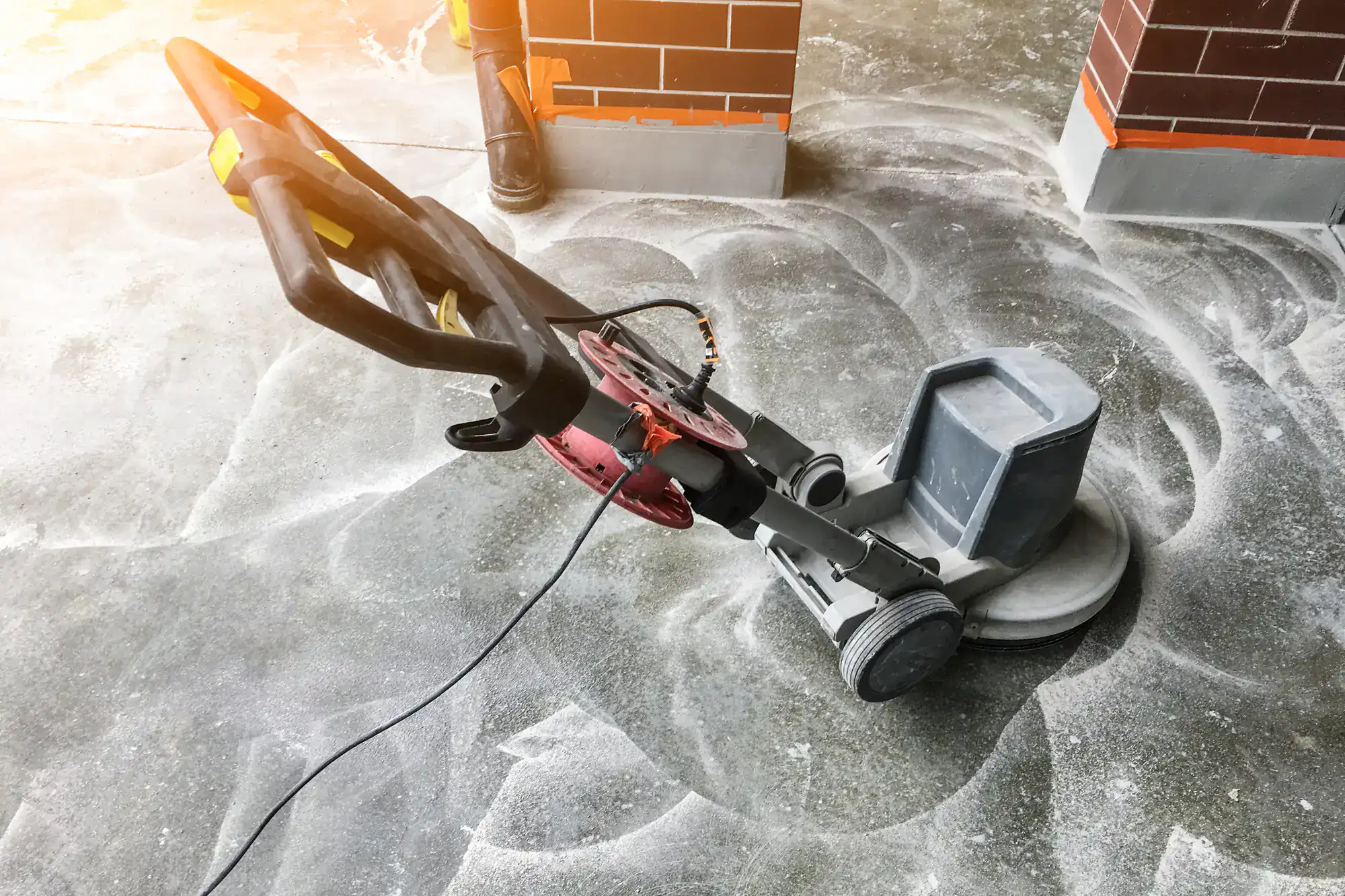
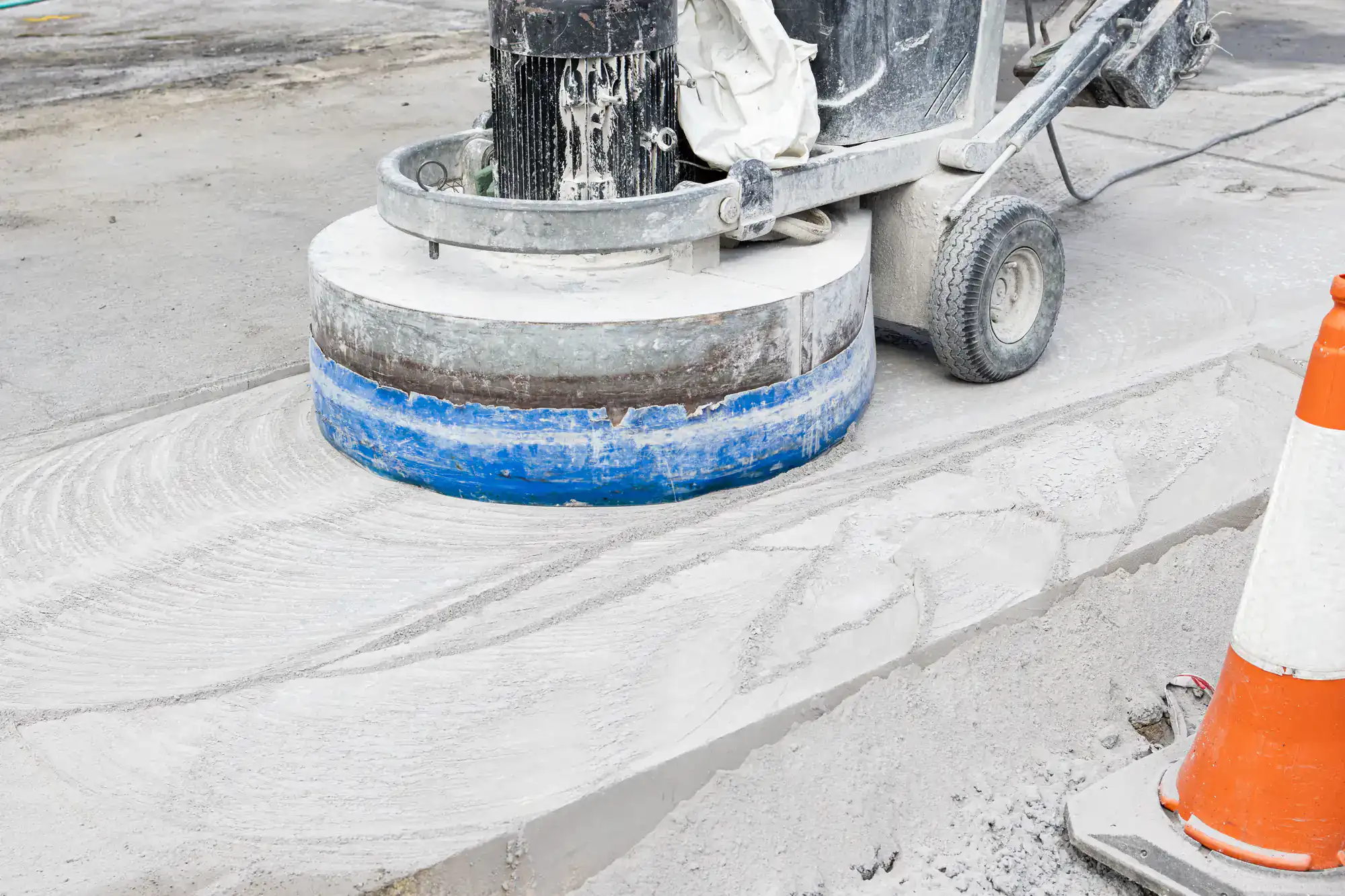
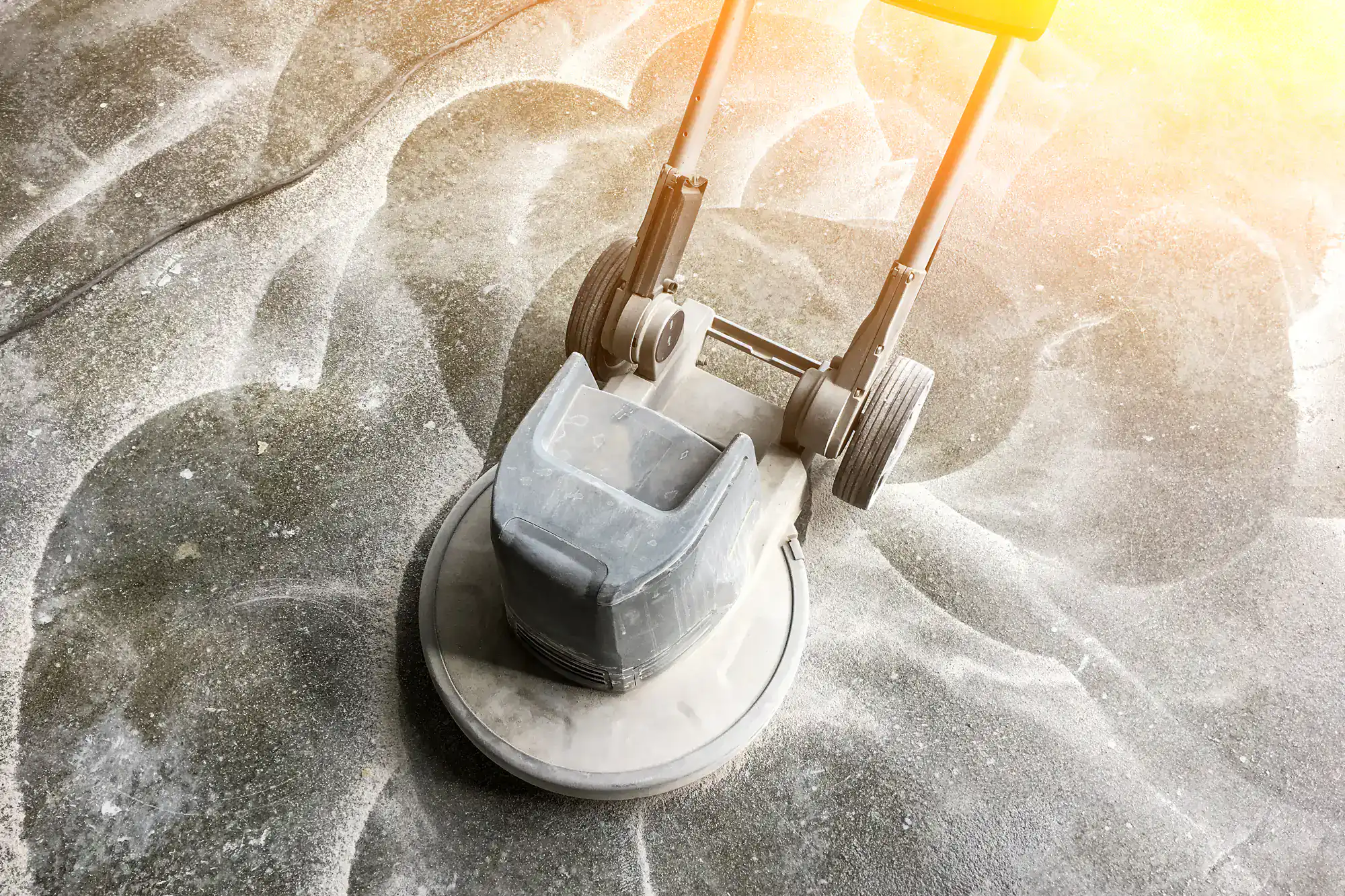
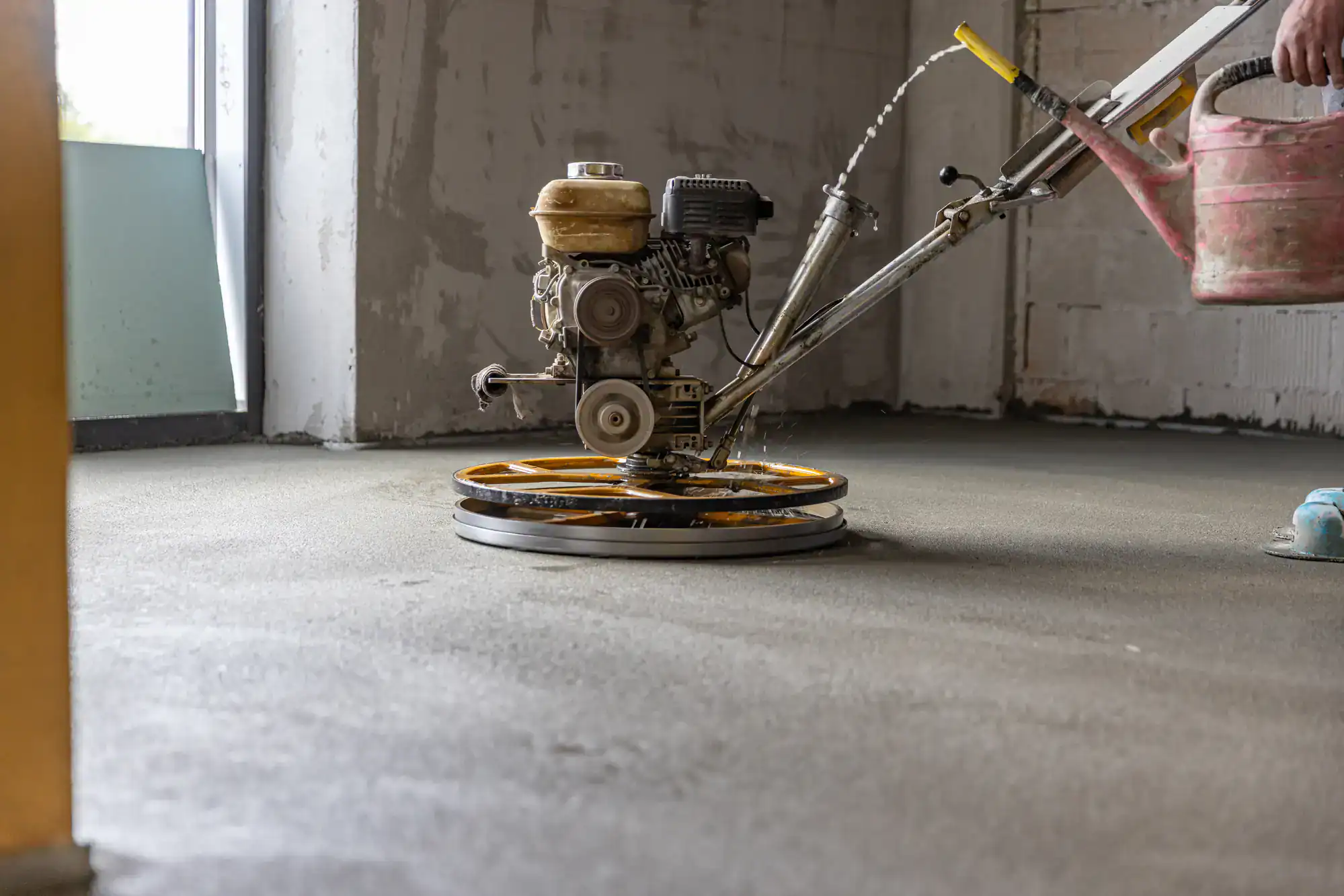
From there, the process moves through a controlled diamond grit progression coarse grinding to remove old coatings, level the surface, and open the concrete, followed by progressively finer passes that refine the surface and build toward the target finish. We apply densifier at the right point in the progression, not as an afterthought. It penetrates the slab and chemically reacts with the concrete to harden it from within. That step is what separates a polished floor that lasts from one that looks good at install and degrades within a couple of years.
The final phase stain guard application and finish sealing is calibrated to how the space is actually used. A retail showroom in Huntington Village has different slip resistance and sheen requirements than a distribution facility on Ruland Road. Both can be addressed correctly. We schedule the work to minimize downtime, including after-hours sequencing when the space can’t afford a full closure.
Ready to get started?
We cover the full scope surface preparation, concrete grinding and leveling, densification, finish polishing, and stain guard application. For industrial spaces along the Route 110 corridor, that means floors engineered to handle forklift traffic, eliminate concrete dust that contaminates inventory, and hold up under continuous heavy use. For retail and restaurant spaces in Huntington Village, it means high-gloss polished concrete finishes that meet OSHA’s coefficient of friction requirements because a floor that looks polished and performs safely aren’t mutually exclusive.
Finish class is selected based on your space and how it’s used. A matte industrial finish sits at the lower end of the gloss range and prioritizes durability and dust elimination. A semi-polished or highly polished finish the kind you’d see in a Williams Sonoma or a showroom environment delivers the reflective, sophisticated surface that high-end retail and hospitality spaces in Huntington expect. Both are achievable on most existing slabs, including older ones.
For commercial properties in Suffolk County where the building permit scope includes surface preparation or chemical application in food-service environments, we work within those requirements from the start. Nothing about the process is improvised every product, every step, and every specification is selected with the actual performance requirements of your Huntington space in mind.
In most cases, yes. The assumption that older slabs aren’t candidates for polishing is one of the most common reasons business owners in Huntington delay the decision and it’s usually wrong. Older commercial buildings in Huntington Village may have existing coatings, decades of surface contamination, or concrete mix designs that vary from modern standards, but none of those things automatically disqualify the floor.
The coarse grinding phase of our process is specifically designed to remove old coatings and surface contamination. Cracks can be filled with color-matched cementitious fillers or epoxy injection before polishing begins. The real question isn’t whether the slab is old it’s what condition it’s in and what finish is achievable given that condition. That’s determined during the initial assessment, before any work is priced or scheduled. If there’s a legitimate limitation, you’ll know about it upfront, not after the job starts.
Yes, and this is one of the most persistent misconceptions in the industry. High-gloss polished concrete looks like it should be slippery, but gloss and friction are independent properties. OSHA requires a minimum coefficient of friction of 0.5 for level commercial surfaces, and properly polished concrete meets that standard.
For environments in Huntington Village where wet traffic is a regular factor restaurants, cafes, or any space near the harbor where tracked-in moisture is common we incorporate anti-slip additives into the stain guard application without affecting the appearance of the finish. The result is a floor that looks exactly like the high-gloss showroom surface you’re after and still performs within OSHA’s safety requirements. The key is specifying the right finish for the actual use of the space, which is part of our assessment process before any work begins.
Warehouse and distribution facilities along Route 110 in Melville need floors that can handle forklift traffic without degrading, eliminate the concrete dust that contaminates inventory and clogs equipment, and keep maintenance costs low over years of continuous use. Polished and densified concrete addresses all three.
The densification step is the critical one for industrial applications. When lithium silicate is applied correctly and at the right point in the grit progression, it reacts with the calcium hydroxide in the concrete to form calcium silicate hydrate essentially hardening the slab from within. That’s what gives a densified concrete floor its abrasion resistance and why it doesn’t generate the fine dust that untreated concrete does. For a last-mile delivery operation or a high-traffic distribution center, that’s not a cosmetic benefit. It’s an operational one. And unlike epoxy coatings, a polished concrete floor doesn’t peel, delaminate, or require full-surface replacement when it eventually needs attention.
The timeline depends on the square footage, the condition of the existing slab, and the finish class being achieved. For a typical commercial space in Huntington say, a mid-size retail unit or a restaurant in Huntington Village the process generally runs between two and five days from initial grinding through final sealing. Larger industrial floors in Melville-area facilities take longer, but those projects are typically sequenced in sections so operations in other parts of the building can continue.
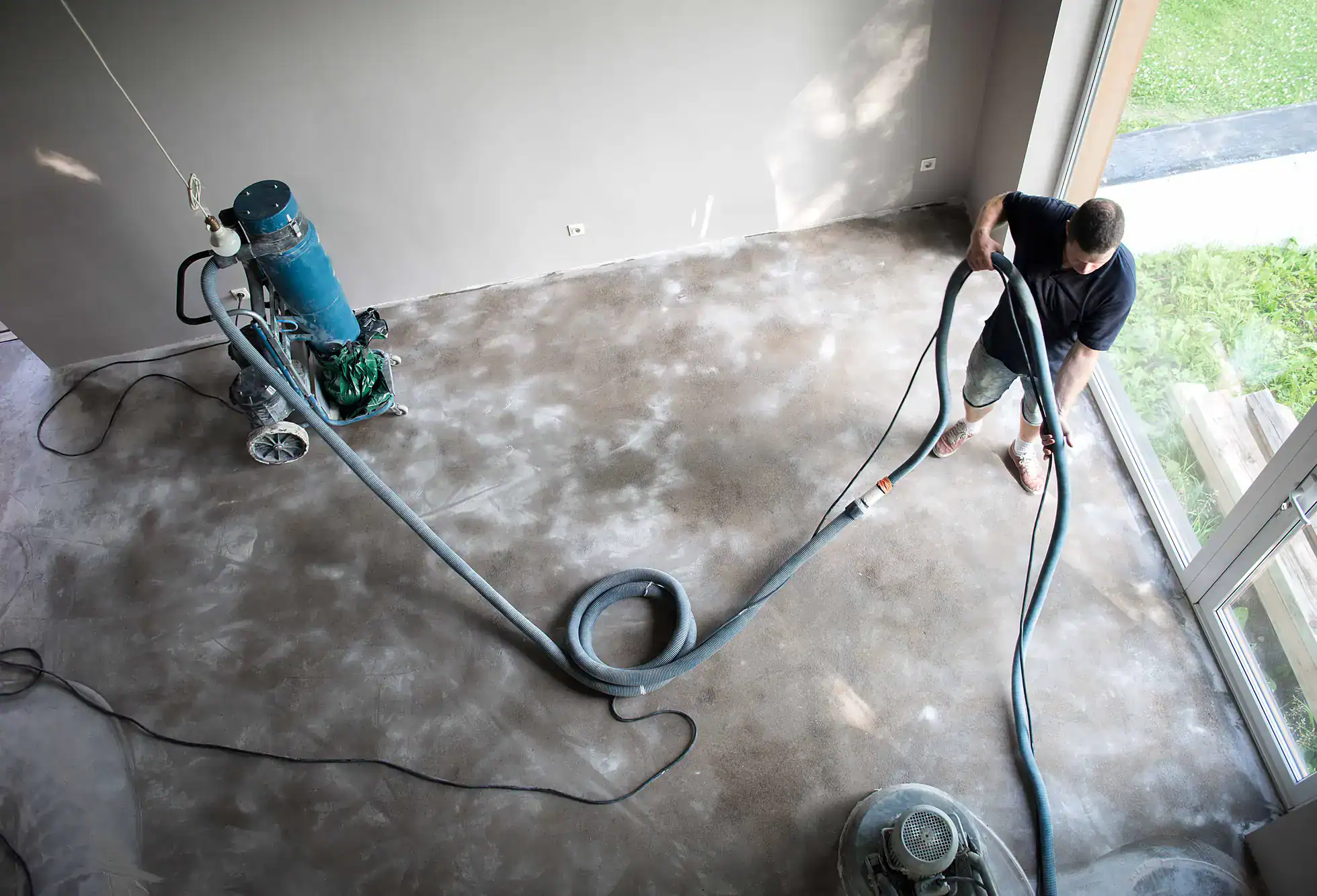
For businesses that can’t afford a full closure, we offer after-hours and weekend scheduling. The work is loud and generates some dust during the grinding phase that’s managed with containment and industrial vacuum systems but the chemical application phases (densifier, stain guard) are quiet and don’t require the space to be empty for extended periods. Our goal is always to get your floor done with the least possible disruption to how your business runs.
Long Island’s freeze-thaw cycling is one of the more underappreciated factors in commercial floor performance on the North Shore. When untreated or porous concrete is exposed to moisture from tracked-in rain, snow melt, or cleaning that water can work its way into the slab. When temperatures drop below freezing, that moisture expands, and over repeated cycles, it stresses the concrete from within. The result is surface scaling, micro-cracking, and eventual spalling that accelerates the floor’s deterioration.
Densification directly addresses this. By closing the pore structure of the concrete, densified polished concrete significantly reduces the amount of moisture the slab can absorb in the first place. For commercial properties near Huntington’s waterfront communities Centerport, Cold Spring Harbor, or anywhere close to the harbor there’s the added factor of salt-laden air, which accelerates surface degradation on untreated concrete. A properly densified and sealed floor handles both challenges. It’s one of the reasons polished concrete holds up better over time in a Long Island commercial environment than most alternative floor systems.
For commercial projects in the Huntington area, polished concrete typically runs between $3 and $12 per square foot, depending on a few key variables: the size of the space, the condition of the existing slab, and the finish class you’re targeting. A basic industrial matte finish on a clean, newer slab in a Melville warehouse sits toward the lower end of that range. A high-gloss showroom finish on an older slab in a Huntington Village retail space where surface preparation is more involved and the finish specification is more demanding sits toward the upper end.
What that range doesn’t capture is the cost comparison over time. A polished concrete floor that’s properly installed and densified doesn’t need waxing, stripping, or recoating. Compared to VCT or coated floors that carry recurring annual maintenance costs, the lifecycle math on polished concrete tends to look significantly better over a 10 to 15-year horizon. The upfront number is only part of the picture, and for most Huntington commercial property owners evaluating this decision, the total cost of ownership is the more useful frame.