

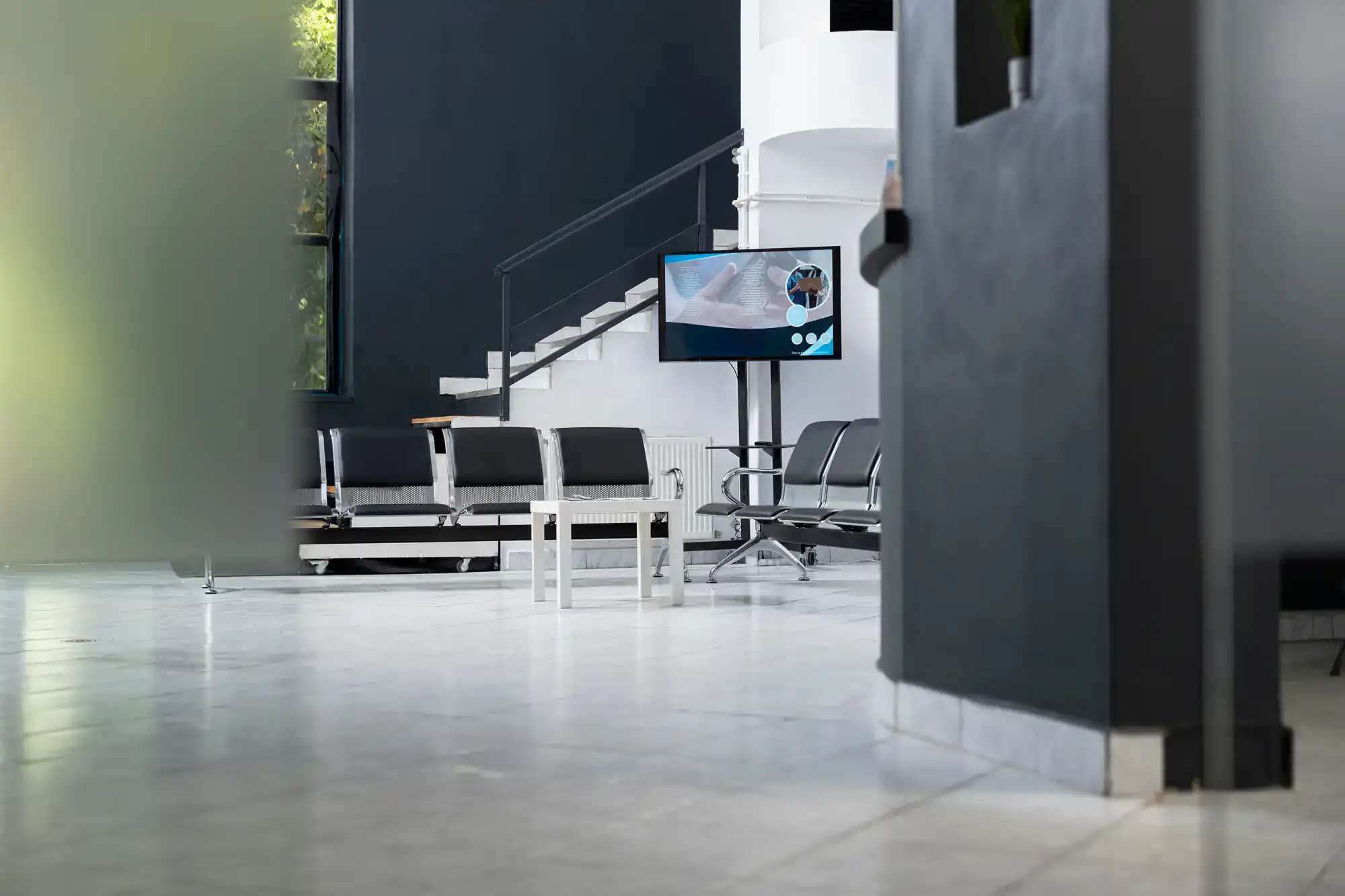
You get a floor that doesn’t trap bacteria in grout lines or absorb spills into porous surfaces. Seamless medical-grade epoxy in Valley Stream means no cracks for contaminants to hide, no seams that break down under harsh disinfectants, and no constant maintenance cycles that pull your staff off more important work.
The surface resists everything from blood and urine to the bleach-heavy cleaning protocols your facility runs daily. It’s non-porous, so dirt and grime wipe away with standard detergent and water. No buffing, no waxing, no replacing crumbling tile corners every few months.
You’re also looking at slip resistance built into the texture itself—coarse enough for traction, smooth enough to roll equipment across without catching. That matters when you’re moving patients, carts, and machinery through high-traffic corridors at Long Island Jewish Valley Stream or any medical office dealing with constant foot traffic. The floor holds up, stays clean, and doesn’t become another item on your facility management checklist.
We’ve handled healthcare installations across the country, including high-stakes environments like the White House kitchen back in 1996. We’re OSHA-certified, and our teams average over 15 years of hands-on experience with medical-grade applications.
In Valley Stream, that experience translates to understanding what Long Island Jewish Valley Stream and local medical offices actually need: USDA/FDA compliant flooring that passes inspections, holds up under daily use, and gets installed without shutting down your facility for weeks. We’ve done this enough times to know where problems show up and how to prevent them before they cost you time or money.
We’re not the cheapest option, and that’s intentional. You’re paying for floors that last, installers who know what they’re doing, and systems that meet federal regulations without cutting corners.
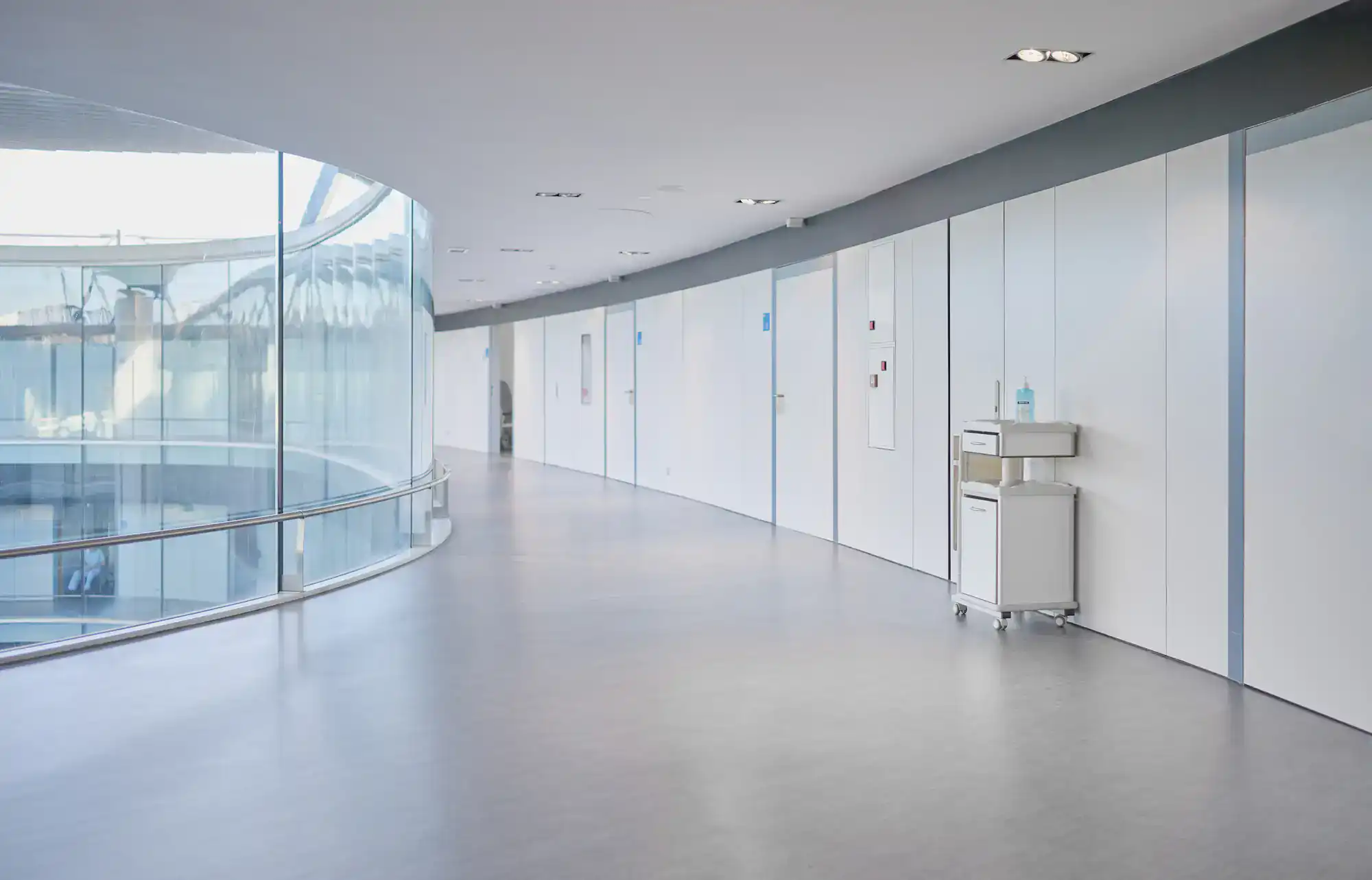
We start with a site assessment to evaluate your current flooring, identify problem areas, and determine what system works best for your specific environment—whether that’s an operating room needing sterile room floor coatings in Valley Stream or a general patient area requiring durable, easy-to-clean surfaces.
Next, we prep the substrate. This step matters more than most people realize. If the base isn’t properly prepared, even the best coating system will fail. We grind, clean, and repair as needed to ensure proper adhesion.
Then we apply the seamless epoxy system in layers. Most healthcare flooring projects in Valley Stream take between two to five days depending on square footage and curing requirements. We use fast-curing options when possible to minimize downtime, but we won’t rush the process if it compromises the final result.
Once cured, you get a floor with EPA-registered antimicrobial additives built into the surface, chemical resistance that handles your cleaning protocols, and a seamless finish that eliminates the hiding spots bacteria love. We walk you through maintenance requirements before we leave—though honestly, there’s not much to it.

Ready to get started?
You’re getting low-VOC healthcare coatings in Valley Stream, NY that meet indoor air quality standards without sacrificing durability. These formulations reduce harmful emissions, which matters in spaces where patients are recovering and staff are working long shifts.
The system includes antimicrobial protection with EPA-registered additives, chemical resistance tested against hospital-grade disinfectants, and a 160-mil thick surface that won’t crack or peel under heavy equipment or constant foot traffic. Slip resistance comes from the natural texture—no added grit that wears down over time.
Valley Stream’s healthcare facilities face the same challenges as medical centers nationwide: infection control requirements, regulatory compliance, and budget constraints. The healthcare flooring market is growing because facilities are finally recognizing that cheap vinyl tile and grout-heavy ceramic don’t cut it when you’re trying to maintain sterile environments. With healthcare-associated infections still a major concern and USDA/FDA regulations getting stricter, the floor isn’t just a surface—it’s part of your infection control strategy. We install systems that meet those standards from day one and maintain compliance year after year.
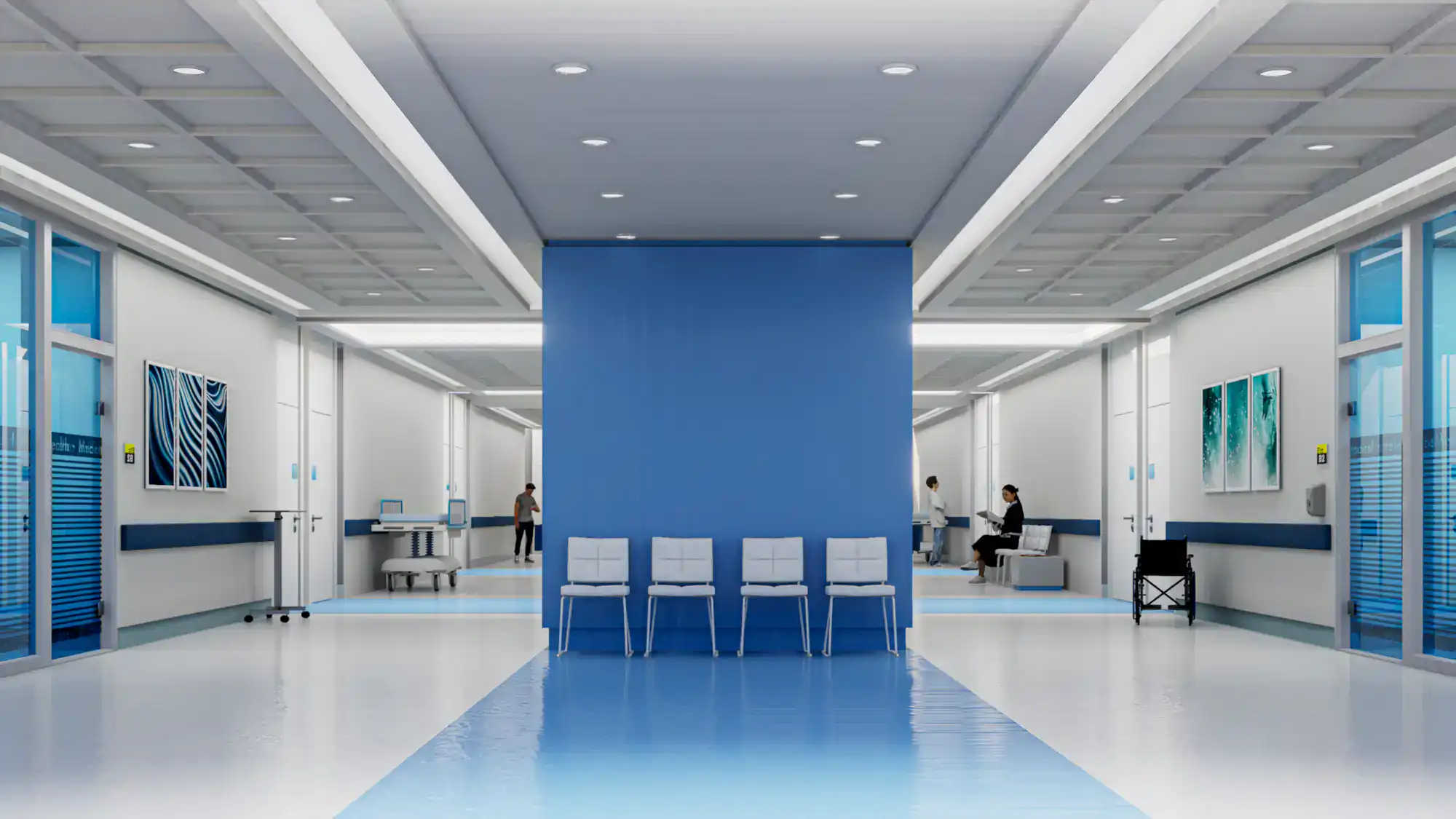
Antimicrobial hospital flooring in Valley Stream works through EPA-registered additives mixed directly into the coating system. These additives restrict microbial growth on the surface by disrupting the cellular processes bacteria need to reproduce. It’s not a surface treatment that wears off—it’s built into the material itself.
The seamless installation matters just as much as the antimicrobial properties. Bacteria thrive in the grout lines of tile, the seams of vinyl, and the cracks that develop in worn flooring. When you eliminate those hiding spots with a continuous, non-porous surface, you remove the environments where contamination typically takes hold.
That said, antimicrobial flooring doesn’t replace your cleaning protocols. It works alongside them. The floor resists microbial growth between cleanings and makes it easier for disinfectants to do their job since there’s no porous material absorbing spills or trapping residue. You’re essentially removing one of the variables that makes infection control so difficult in healthcare environments.
Seamless medical-grade epoxy in Valley Stream is formulated to handle the full range of hospital cleaning chemicals: bleach, quaternary ammonium compounds, hydrogen peroxide, phenolics, and alcohol-based disinfectants. It also resists biological substances like blood, urine, and other bodily fluids that healthcare facilities deal with daily.
The chemical resistance comes from the epoxy resin’s molecular structure and the specific hardeners used in medical-grade formulations. Cheaper systems break down when exposed to repeated chemical cleaning because they weren’t designed for that level of abuse. Medical-grade systems are tested specifically against the harsh protocols healthcare facilities require.
You’ll also see resistance to impacts, abrasions, and the constant wear from rolling equipment. That matters because a floor that chips or cracks under normal use creates new places for bacteria to hide and makes your chemical cleaning less effective. The durability and chemical resistance work together—one without the other doesn’t solve the problem.
Most healthcare flooring projects in Valley Stream take between two to five days depending on the area size and the specific system being installed. Smaller spaces like exam rooms or lab areas can often be completed faster. Larger areas like corridors or patient wings require more time but can usually be phased to minimize operational disruption.
The timeline breaks down into surface prep (usually one day), application of the base coat and build coats (one to two days), and curing time (one to two days). We can use fast-curing formulations that reduce downtime, but the trade-off is a shorter application window and stricter environmental controls during installation.
For facilities that can’t shut down entire sections, we work in phases. We’ll coordinate with your staff to tackle one area at a time, allowing you to shift operations temporarily rather than closing down completely. The key is planning it out ahead of time so everyone knows what to expect and when spaces will be back online.
Yes. USDA/FDA compliant flooring in Valley Stream is specifically formulated and installed to meet federal regulations for medical facility floors. These standards require seamless, non-porous surfaces that can withstand repeated chemical cleaning without deteriorating, don’t harbor bacteria, and maintain structural integrity under the conditions typical in healthcare environments.
The USDA requirements originally applied to food processing facilities but extend to any environment where contamination control is critical—including hospitals, surgical centers, and medical labs. FDA regulations cover similar ground with additional focus on surfaces in pharmaceutical and device manufacturing areas within healthcare facilities.
Compliance isn’t just about the material itself. Installation matters too. Seams, gaps, and improper substrate prep can all create compliance issues even with the right coating system. That’s why we handle site assessments and proper surface preparation as part of every installation. You’re not just getting a floor that meets regulations on paper—you’re getting one that will pass inspections and maintain compliance through years of use.
Daily maintenance is straightforward: sweep or dust mop to remove loose debris, then damp mop with your standard hospital-grade detergent and water. The non-porous surface means dirt and grime sit on top rather than soaking in, so they wipe away without heavy scrubbing.
You don’t need to buff, wax, or strip the floor like you would with VCT tile. You don’t need to reseal it like vinyl. There’s no grout to deep clean. The seamless surface and chemical resistance mean your existing cleaning protocols will work fine—you’re just doing less of it because the floor doesn’t fight you.
For spills, you clean them up the same way you would on any surface, but you don’t have to worry about staining or absorption. Blood, urine, medications—they all wipe away completely. Over time, you might see minor wear in extremely high-traffic areas, but we’re talking years of use before that becomes noticeable. Most facilities find that the reduction in maintenance labor and materials pays for the initial installation cost within the first few years.
Tile looks cheaper upfront, but the long-term costs add up fast. Grout lines require constant cleaning and periodic resealing. Tiles crack under heavy equipment or impact, and replacing individual tiles rarely matches the existing floor perfectly. Corners crumble, edges chip, and every imperfection becomes a maintenance issue and a potential contamination point.
Seamless medical-grade epoxy in Valley Stream costs more initially but eliminates those ongoing expenses. No grout maintenance, no tile replacement, no buffing and waxing cycles. The floor holds up under the same conditions that destroy tile, and when it eventually needs attention years down the line, you’re refinishing the surface rather than tearing out and replacing sections.
Healthcare facilities that switch from tile to seamless epoxy typically see the cost difference balance out within three to five years just from reduced maintenance labor. Factor in fewer infection control issues, better inspection outcomes, and less downtime for repairs, and the financial case gets even stronger. You’re not just buying a floor—you’re reducing the total cost of ownership over the life of the facility.
Other Services we provide in Valley Stream