
Most hangar floors don’t fail because of the coating they fail because of what happened before the coating went down. Skipped moisture testing, no surface grinding, wrong primer for the slab. In Valley Stream, where humidity regularly runs between 76% and 92% and Jamaica Bay pushes marine moisture through the air year-round, that shortcut catches up fast. You end up with bubbling, delamination, and a floor that needs to be torn up and redone inside of three years.
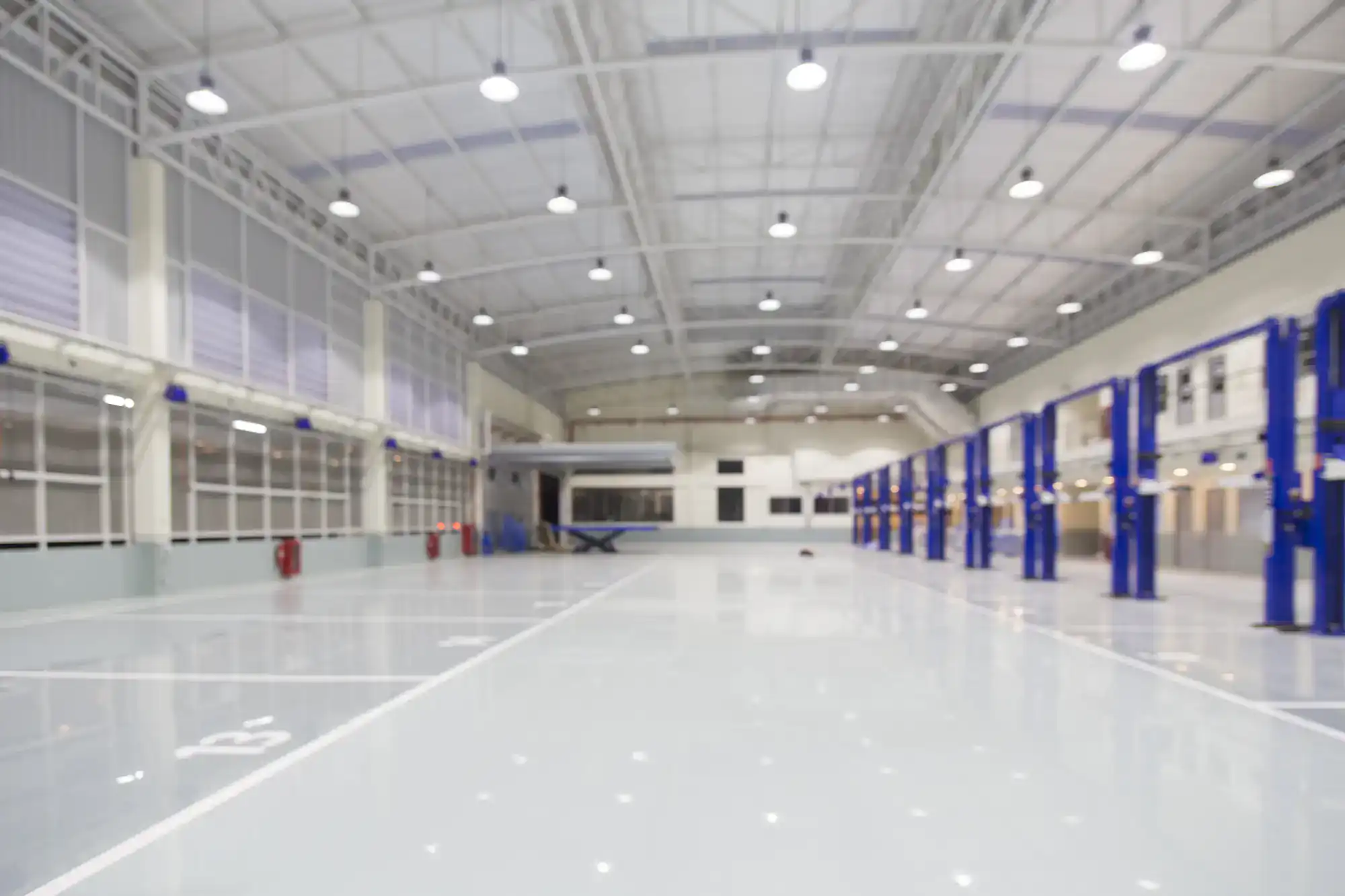
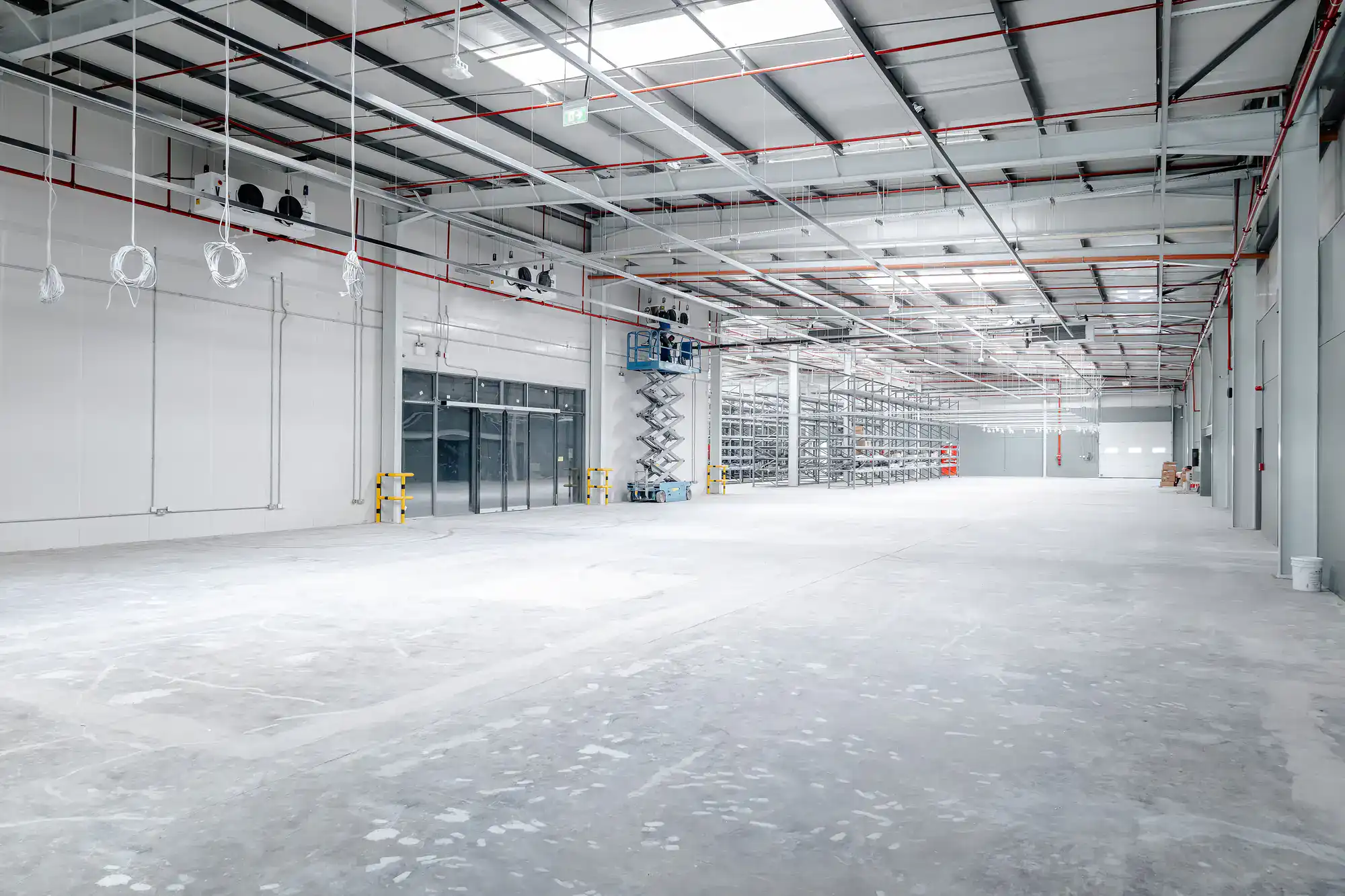
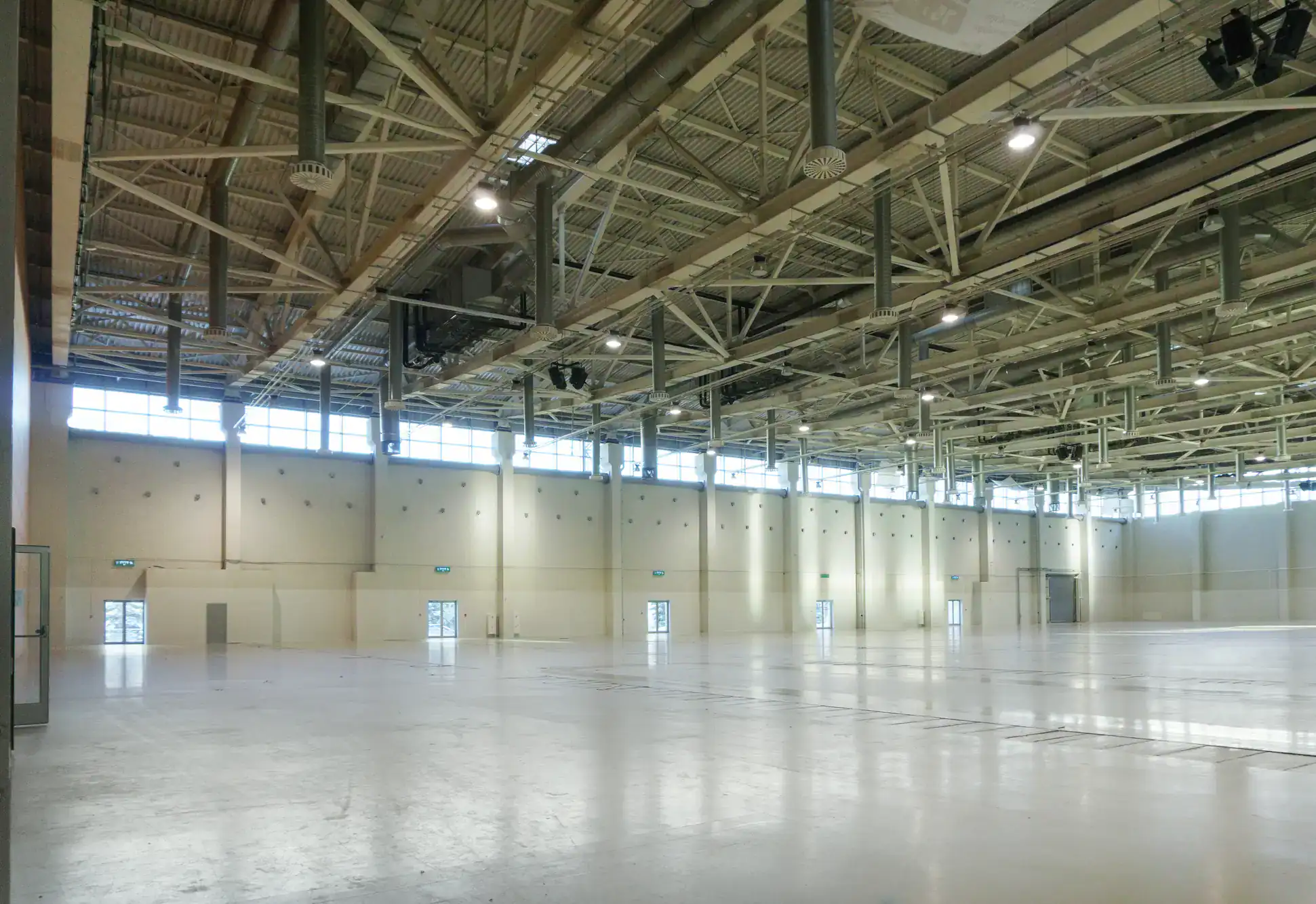
When the prep is done right and the system is matched to an aviation environment, the outcome looks completely different. Your floor handles the chemical reality of a working hangar Skydrol hydraulic fluid, jet fuel, lubricants, industrial cleaners without breaking down or becoming a slip hazard. The high-gloss finish reflects overhead lighting across the entire bay, so dropped tools, fluid spills, and foreign object debris are visible before they become a problem. That’s not cosmetic. In an aviation environment, it’s a safety tool.
Valley Stream’s freeze-thaw winters and salt air off the Atlantic also accelerate surface deterioration in older concrete slabs. A properly installed aviation-grade system seals the surface against that cycle, extending the life of the slab itself not just the finish on top of it. If you’re running a facility near JFK or maintaining a hangar at Republic Airport, that kind of durability has a direct dollar value attached to it.
We’re based in Bohemia, NY, and have been installing industrial and aviation-grade flooring across Long Island for more than 30 years. Our president, Danny Harmer, has personally installed floors for over four decades longer than most competitors in this space have been in business. When you call, you’re talking to a company where the person at the top has worked on the same kind of concrete slabs Valley Stream facility operators deal with, in the same coastal conditions that the South Shore presents every single season.
Our field crew has been together for over a decade. Supervisors Javier, Eduardo, and Fredith bring more than 40 years of combined installation experience to every project. Every installer on our crew carries OSHA 40 certification. We hold dual elite certifications in Sherwin-Williams High Performance Flooring and Res Tech two of the most rigorous factory-level credentials available for industrial resinous systems.
That combination of local history, certified training, and crew consistency is what separates a floor that lasts 20 years from one that needs to be replaced before your next lease renewal.
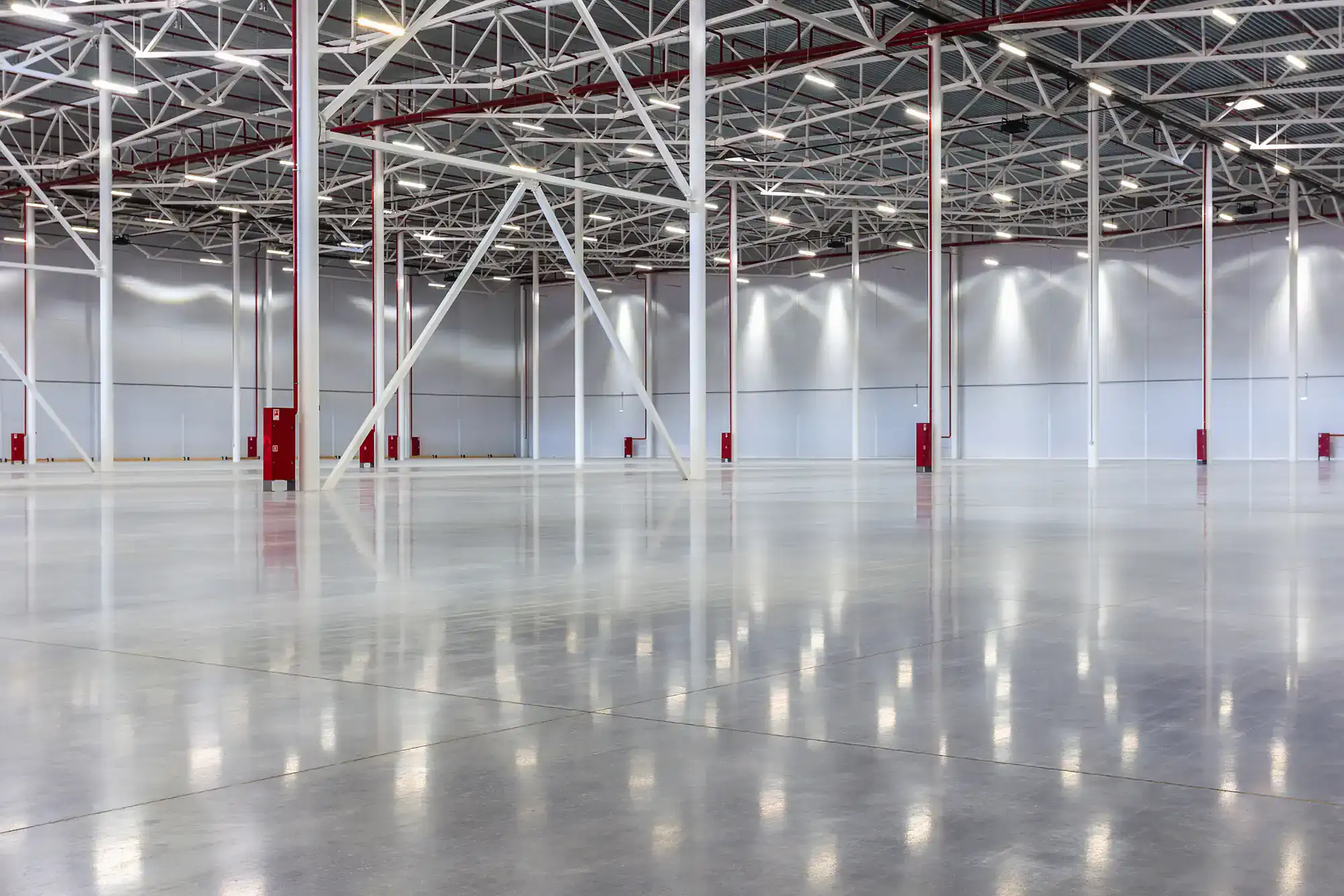
Every installation starts with a moisture assessment. This is non-negotiable especially in Valley Stream, where South Shore humidity and proximity to Jamaica Bay create persistent moisture vapor transmission risk in large concrete slabs. Skipping this step is the single most common reason hangar floors fail in Nassau County, and it’s entirely preventable. The assessment tells us what the slab is doing before we commit to a system, so the system we choose is matched to actual conditions, not assumed ones.
After moisture testing, the slab gets diamond ground to create the mechanical adhesion profile the coating needs to bond properly. Any cracks, spalling, or surface damage the kind that Long Island’s freeze-thaw cycles and salt air create over time get repaired before a single drop of coating goes down. Then it’s primer, base coat, and topcoat in sequence. No steps skipped, no cure times rushed.
For facilities that can’t afford extended downtime FBO operations, corporate flight departments, maintenance bays serving the JFK corridor we offer polyaspartic systems that return your floor to full service within 24 hours of final coat application. The topcoat meets NFSI slip-resistance requirements, and the full system is engineered to meet NFPA 409 standards for aircraft storage and servicing areas. You get documentation you can hand to your insurance carrier or building department, not just a verbal assurance.
Ready to get started?
Standard epoxy products the kind sold at home improvement stores or applied by general flooring contractors are not formulated for aviation environments. They’re not built to resist Skydrol, they don’t meet NFPA 409, and they’re not tested against NFSI slip-resistance standards. In a commercial hangar near JFK or a private bay at Republic Airport, that matters. The chemical exposure alone will break down a non-aviation system within a few years, and in Valley Stream’s coastal climate, the moisture risk accelerates that timeline further.
The systems we install are Sherwin-Williams High Performance Flooring certified engineered specifically for aviation and aerospace applications, tested for impact and point-load resistance under aircraft landing gear and ground support equipment, and formulated to hold up against the full range of aviation chemicals your floor will encounter. The high-gloss finish options in white and light gray maximize light reflectivity across the hangar bay, improving FOD visibility and reducing the risk of slip incidents when fluids hit the floor.
For Valley Stream facility operators who answer to the Town of Hempstead’s building code framework, Nassau County regulations, and in some cases FAA facility standards, the documentation that comes with a certified installation matters as much as the floor itself. You get a system that’s built for the environment, installed by a crew that’s done this for decades, and backed by credentials you can verify.
If you’re operating a commercial hangar, FBO facility, or aircraft maintenance bay in Valley Stream or anywhere in Nassau County, NFPA 409 almost certainly applies to your space. The standard requires that floor surfaces in aircraft storage and servicing areas be noncombustible which eliminates a wide range of standard epoxy and polyaspartic products that aren’t formulated or tested to that specification. Many general flooring contractors who quote hangar jobs have never encountered this requirement, which means you could end up with a floor that fails a code inspection or creates an insurance liability.
We install systems that are specifically formulated to meet NFPA 409. If you’re working through a permit process with the Village of Valley Stream’s Building Department or dealing with requirements tied to proximity to JFK Airport, having documented compliance not just a contractor’s word is what protects you. We can walk you through what the standard requires for your specific facility type before any work begins.
It’s one of the most underestimated factors in the Nassau County flooring market. Valley Stream sits on the South Shore, within a few miles of Jamaica Bay and the Atlantic, and humidity levels regularly run between 76% and 92%. In large concrete slabs the kind that underlie commercial hangars and maintenance bays that persistent moisture migrates upward through the slab in a process called moisture vapor transmission. When a coating is applied over a slab that hasn’t been properly assessed, that trapped moisture has nowhere to go except up through the coating, which causes bubbling, blistering, and delamination.
The fix isn’t a more expensive coating it’s a moisture assessment before the coating goes down. That assessment tells you what the slab’s moisture content and vapor emission rate actually are, which determines what primer system is appropriate and whether any additional mitigation steps are needed. Skipping it in Valley Stream’s coastal environment is how floors that cost thousands of dollars end up failing in under three years. Every installation we do in Nassau County starts with this step.
Both systems can be appropriate for aviation environments, but they have different performance profiles and installation timelines. Epoxy systems are typically higher-build, meaning they fill surface imperfections more effectively and create a thicker overall coating layer. They’re well-suited for hangars with heavily worn or pitted concrete common in older commercial buildings along the Sunrise Highway corridor or in facilities that have been in continuous use for decades. The tradeoff is cure time: traditional epoxy systems require multiple days before the floor can support aircraft and equipment traffic.
Polyaspartic systems cure significantly faster often returning a facility to service within 24 hours and they offer excellent UV stability, which matters if your hangar has large door openings that expose the floor to direct sunlight. They’re also more flexible than standard epoxy, which helps in environments where the concrete slab experiences seasonal movement from Long Island’s freeze-thaw cycles. For most active aviation facilities near JFK where downtime has a real cost, polyaspartic is worth the conversation. The right answer depends on your slab condition, your chemical exposure, and your operational schedule all of which we assess before recommending a system.
A correctly installed aviation-grade system with full surface prep, moisture assessment, and the right chemistry for the environment should last 15 to 20 years under normal hangar use. The key phrase there is “correctly installed.” In Valley Stream’s coastal climate, with its combination of high humidity, salt air, and freeze-thaw cycles, the prep work is what determines longevity more than the coating product itself. A premium system applied over an unground, moisture-compromised slab will fail in three to five years. The same system applied over a properly prepared surface in the same environment will still be performing a decade and a half later.
Maintenance matters too. Aviation-grade coatings are designed to be cleaned with the industrial solvents and degreasers common in hangar environments, but periodic inspections for surface wear especially in high-traffic areas under aircraft landing gear and maintenance jacks will catch any issues before they become full delamination problems. We can walk you through a maintenance protocol specific to your facility’s use pattern when the installation is complete.
Standard commercial epoxy products are not formulated to resist Skydrol hydraulic fluid. Skydrol is one of the most chemically aggressive fluids in aviation environments it will soften and degrade non-aviation coatings over time, creating surface breakdown that starts as discoloration and ends as delamination. Jet fuel and many industrial cleaning solvents used in maintenance bays present similar challenges for products that weren’t designed for this chemical environment.
The systems we install are specifically engineered for aviation chemical resistance. Sherwin-Williams High Performance Flooring products the systems we’re certified to install are formulated and tested for exactly the chemical exposures that occur in working hangars. For facilities near JFK or at Republic Airport where Skydrol and fuel exposure are routine, this isn’t a premium add-on. It’s the baseline requirement for a floor that will actually hold up. If a contractor quotes your hangar floor without mentioning Skydrol resistance specifically, that’s worth asking about before you sign anything.
For aviation-grade epoxy and polyaspartic systems, you’re generally looking at $5 to $12 per square foot installed, depending on the system specified, the condition of the existing concrete, and the scope of prep work required. A hangar with significant surface damage, moisture issues, or previous coating that needs to be ground up will sit toward the higher end of that range. A well-maintained slab in reasonable condition will come in lower. For a 10,000 square foot hangar, that’s roughly $50,000 to $120,000 a range that reflects real variation in what the job actually requires, not padding.
In Nassau County, where commercial real estate costs and operating expenses are among the highest in the country, the total-cost-of-ownership argument matters. A cheaper system installed at $3 to $4 per square foot that requires replacement in four years costs more over a 15-year period than an aviation-grade system installed correctly once. That math is straightforward, and for Valley Stream facility operators managing real budgets in a high-cost market, it’s the right frame for this decision. We provide detailed quotes after assessing your specific slab no estimates based on square footage alone.
Other Services we provide in Valley Stream