
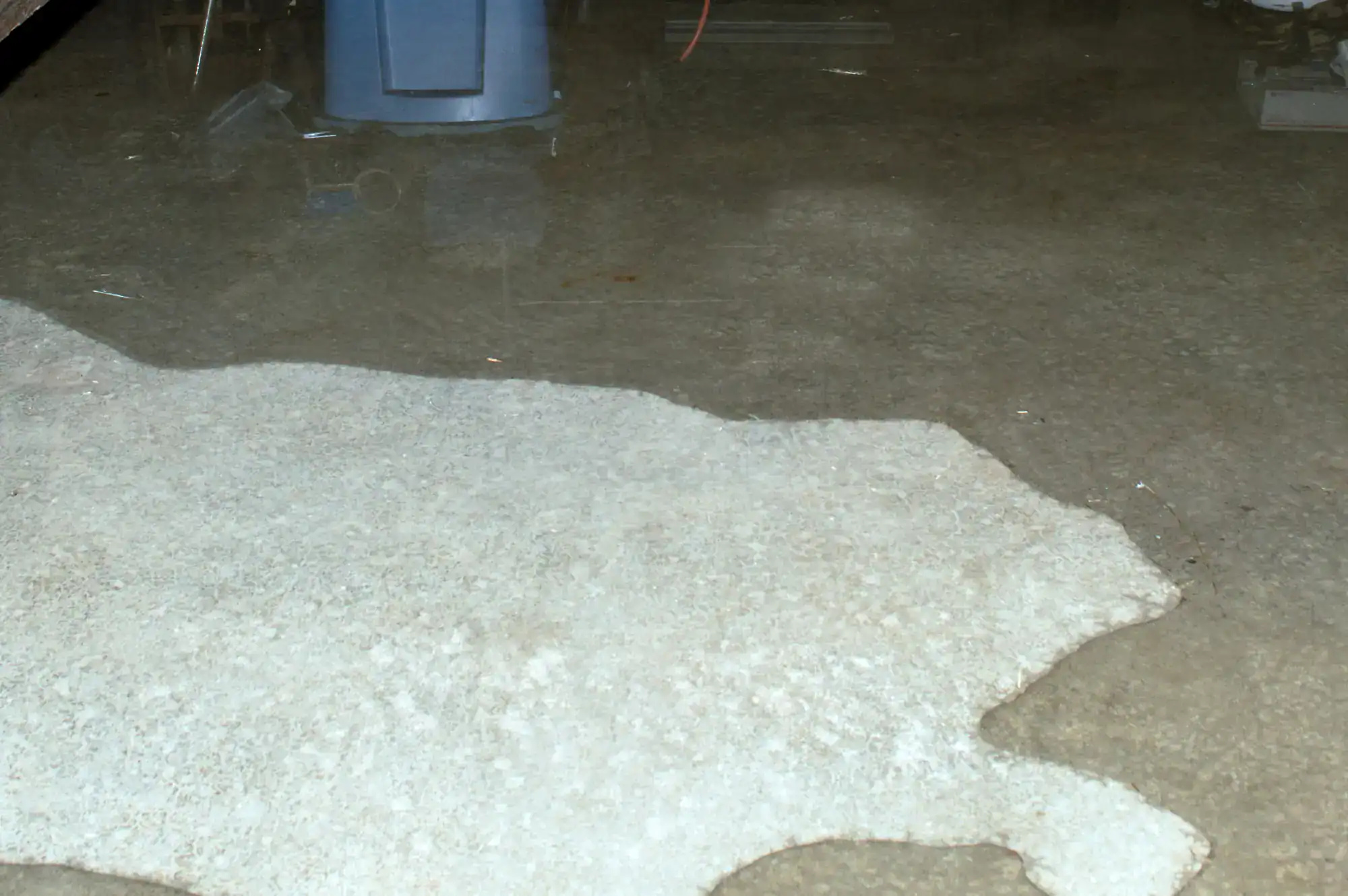
If you’ve already dealt with a peeling, cracking, or oil-soaked apparatus bay floor, you already know the frustration. The floor looked fine for a year, maybe two then the hot tires started pulling it up, the salt and moisture worked their way in, and now you’re looking at bare concrete patches and a surface that can’t be properly cleaned or decontaminated. That’s not a product failure. That’s what happens when the wrong system gets installed without the right prep.
Freeport’s environment makes this worse than most. You’re on the South Shore, surrounded by Woodcleft Canal, the Great South Bay, and a salt-air atmosphere that pushes moisture into concrete year-round. That moisture is what creates the vapor pressure that lifts coatings from below and in a village that’s dealt with coastal flooding more than once, the slabs in some of your stations are holding more moisture than any inland fire department would ever see. A floor system that doesn’t account for that is already failing before the first truck rolls in.
When the right system goes down properly ground concrete, moisture-tested slab, penetrating primer, high-build base coat, polyaspartic topcoat the floor stops being a problem. It handles the weight of Tower Ladder 217 without flexing. It sheds road salt, diesel, and hydraulic fluid instead of absorbing them. It supports the decontamination protocols your department needs under NFPA contamination control standards. And it does all of that for 20 years, not two.
We’re based in Bohemia, NY a Long Island contractor who knows Nassau County conditions, not a national brand dispatching crews from out of state. We’ve been in commercial and industrial resinous flooring for over 30 years, and our CEO Danny Harmer has been doing this work for more than 40. That’s not a marketing line it’s the difference between a contractor who has seen every failure mode and one who’s still learning what causes them.
Every installer on our crew is OSHA 40 certified and current, which matters when you’re working inside an active fire station where apparatus may need to move and members may be present. We also hold the Sherwin-Williams High Performance Flooring Certification a manufacturer-verified applicator credential that most epoxy contractors in Nassau County simply don’t have. It requires formal training in moisture testing, surface preparation, and system application, and it’s independently verifiable. For a village fire department that’s accountable to Freeport taxpayers, that kind of credential isn’t a bonus it’s what you should be asking for before anyone signs a contract.
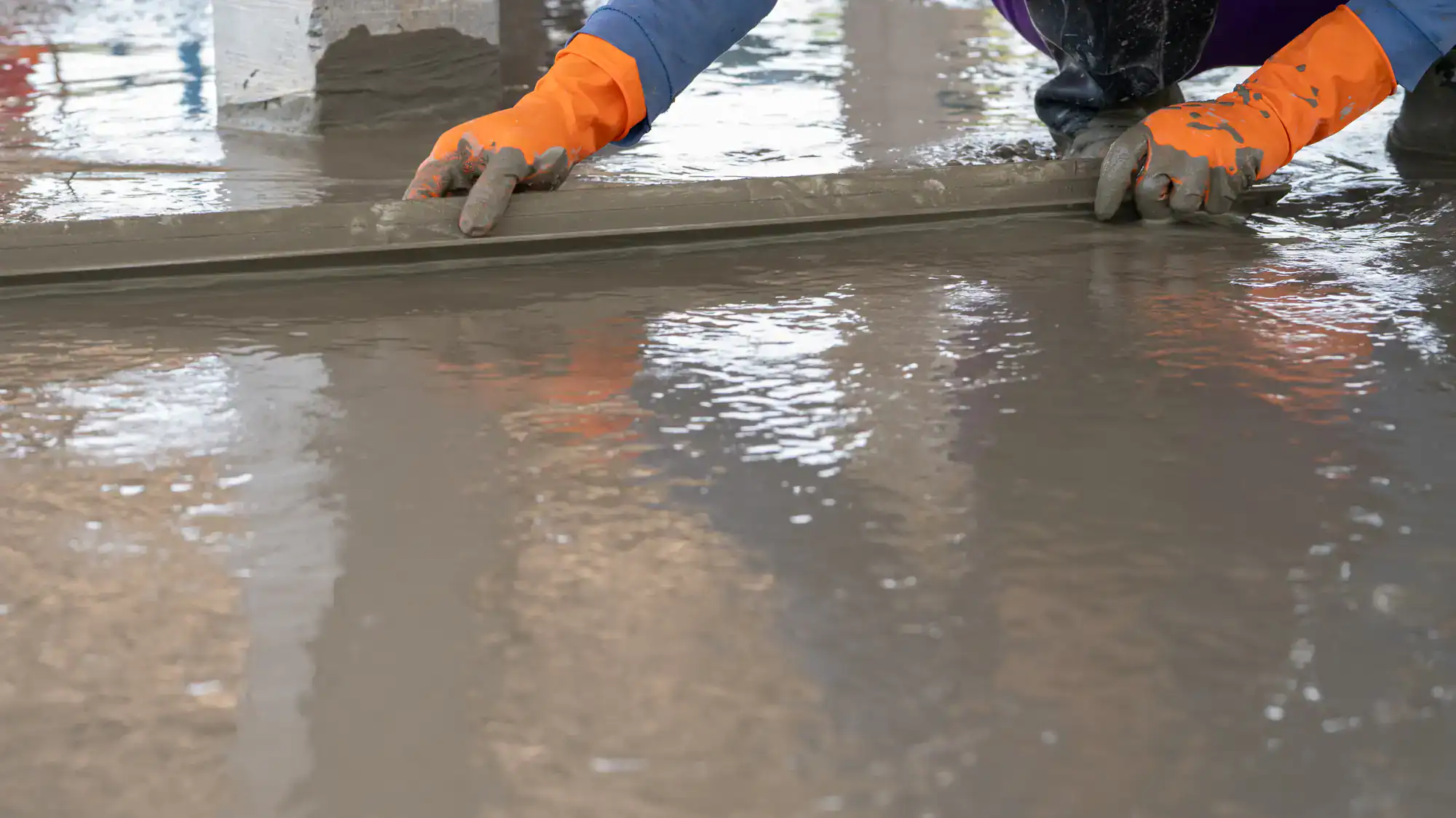
Our installation process starts before any product touches the floor. The first step is diamond grinding mechanical surface preparation that opens the concrete’s pores and removes any existing coating, contamination, or surface laitance. This is non-negotiable. A coating applied over an unground slab will fail. It’s not a matter of if, it’s when.
After grinding, the slab gets moisture-tested. In Freeport, this step is especially critical. Low elevation, canal proximity, and the village’s documented history of coastal flooding events mean the concrete in your apparatus bays may be holding significantly more moisture than a slab in an inland community. If moisture vapor levels are above the coating system’s tolerance threshold, the process doesn’t move forward until that’s addressed. Skipping this step is the single most common reason floors fail in coastal environments and it’s exactly what less experienced contractors do.
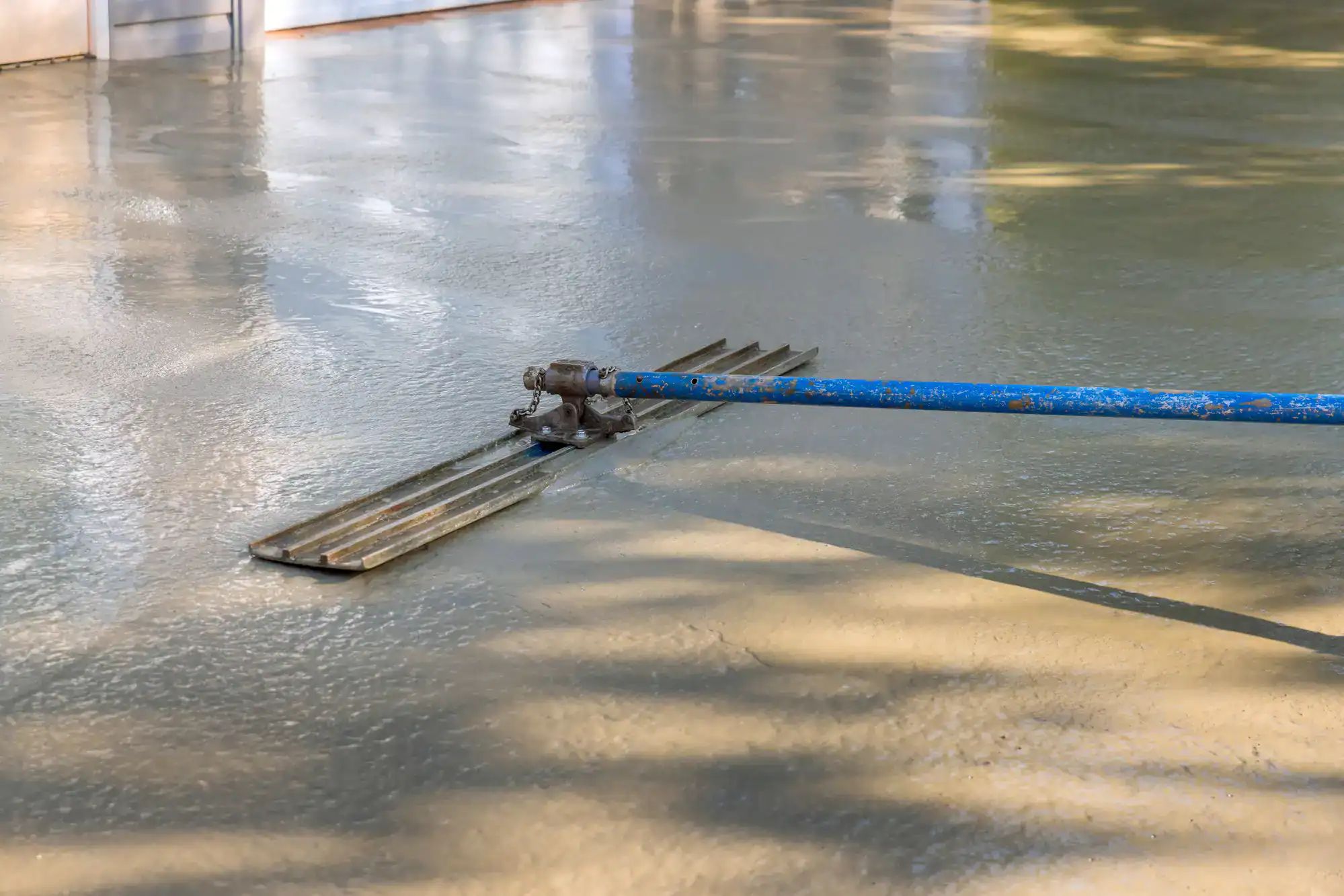
Once the slab passes moisture testing, we apply a penetrating primer to create a mechanical bond with the concrete. From there, a high-build epoxy base coat is applied with a broadcast aggregate for texture and grip, followed by the polyaspartic topcoat. The full system cures in 24 hours. That means Freeport’s apparatus including the tower ladder and tractor-drawn aerial is back in the bay the next day. Nassau County winters don’t pause for floor curing times, and neither does your department’s call volume.
Ready to get started?
The apparatus bay is the obvious starting point, but it’s not the only floor in the station that needs attention. We handle every zone the apparatus bay, the decontamination area, the kitchen, the living quarters as a complete system rather than a patchwork of different contractors and incompatible products. That matters for quality control, and it matters for accountability when something needs to be addressed down the road.
In the apparatus bay, our polyaspartic system goes down at 15 mils thick significantly heavier than the 4 to 8 mils you’d get from a standard polyurethane or epoxy paint. It’s 4 times more flexible than standard epoxy, which means it handles the thermal movement that comes with Freeport’s freeze-thaw winters without cracking. It resists hot-tire pickup, which is the failure mode that takes out most apparatus bay floors within a few years of installation. And it’s non-porous, which means the contamination control your department needs under NFPA 1500 is actually achievable you can power-wash the bay and know the surface is clean, not just visually clear.
For the decon zone and kitchen, the system specifications shift to match what those spaces require seamless surfaces, thermal shock resistance, and in the kitchen, FDA and USDA-grade cleanability. The Freeport Fire Department has been protecting this community since 1893. Every part of those six stations deserves a floor that reflects that standard.
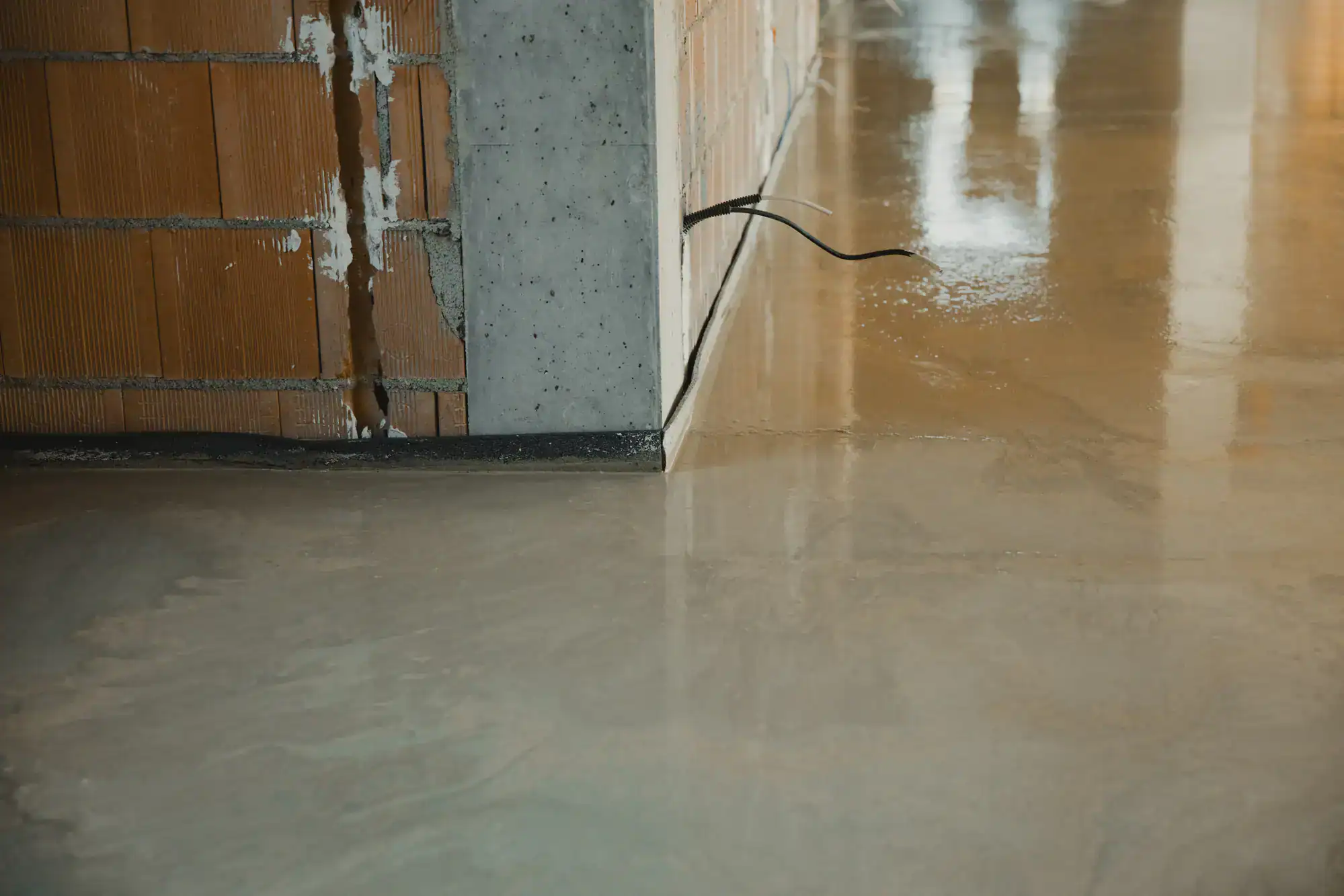
A properly installed polyaspartic system over a diamond-ground, moisture-tested slab will hold up for 20 years or more in Freeport’s environment. The key word is properly installed. The coastal conditions here, specifically the salt air off the Great South Bay, the humidity from Woodcleft Canal, and the moisture that gets into low-elevation slabs, create a more demanding environment than what most inland fire stations face. A system that isn’t prepared for those conditions will fail faster, sometimes within two to three years.
The 20-year service life assumes the concrete was correctly prepared before any coating was applied. That means diamond grinding to open the surface, moisture testing to confirm the slab is within acceptable vapor emission limits, and a penetrating primer to create a mechanical bond that moisture vapor can’t defeat from below. When those steps are done right, the floor holds. When they’re skipped which is common with lower-cost contractors the coastal environment accelerates every failure mode. You end up grinding it all off and starting over, which costs more than doing it correctly the first time.
With a polyaspartic system, the apparatus bay is back in service within 24 hours of the final coat going down. That’s the main reason polyaspartic is the right choice for fire stations it’s not just a better performing product, it’s operationally viable in a way that traditional epoxy systems aren’t. Standard epoxy requires three to seven days before heavy apparatus can return, which is simply not realistic for a department that runs calls around the clock.
For a department like Freeport’s, which operates six stations and carries apparatus including a tower ladder and a tractor-drawn aerial, taking a bay out of service for a week isn’t just inconvenient it’s an operational liability. The 24-hour cure window means installation can be scheduled strategically, often over a weekend or during a lower-activity period, and the bay is back to full readiness before the next shift. We coordinate the schedule with the department before work begins so there are no surprises and no gaps in coverage.
Hot-tire pickup is the most common cause of apparatus bay floor failure, and it’s almost always a product selection problem, not an installation problem. Standard epoxy coatings bond to heated rubber on contact. When a rig returns from a working fire and the tires are still hot, the coating grips the tire surface. When the truck pulls out for the next call, it takes the coating with it. You end up with peeling patches that expand over time, and eventually you’re back to bare concrete.
The fix is a polyaspartic topcoat, which is thermally stable and flexible enough to handle the heat and movement that cause hot-tire pickup. The 4x greater flexibility compared to standard epoxy means the surface moves with the tire instead of bonding to it. Beyond product selection, the other major cause of peeling is moisture in the slab a particular concern in Freeport given the coastal environment. Moisture vapor builds pressure under the coating and forces it up from below. Proper moisture testing and a penetrating primer before any coating is applied eliminates that failure mode. Both problems are preventable. They just require the right system and the right prep.
In most cases, floor coating installation in an existing apparatus bay does not require a building permit from the Village of Freeport. It’s classified as a maintenance and surface treatment project rather than a structural modification, so it typically falls outside the permit threshold under Nassau County’s building code framework. That said, contractors working inside a village-owned municipal facility are expected to carry appropriate general liability insurance and workers’ compensation coverage and your village’s public works or facilities oversight process may have its own documentation requirements for capital improvement work.
What does matter from a compliance standpoint is OSHA. Every Advanced Epoxy Flooring installer is OSHA 40 certified, which is the safety training standard for work in occupied commercial and municipal facilities. That’s relevant when you’re working inside an active fire station where members may be present and apparatus may need to move during the job. If you’re going through a formal procurement or bidding process through the village, having a contractor who can document OSHA certification and manufacturer credentials like the Sherwin-Williams High Performance Flooring Certification makes the approval process cleaner and reduces institutional risk for whoever is signing off.
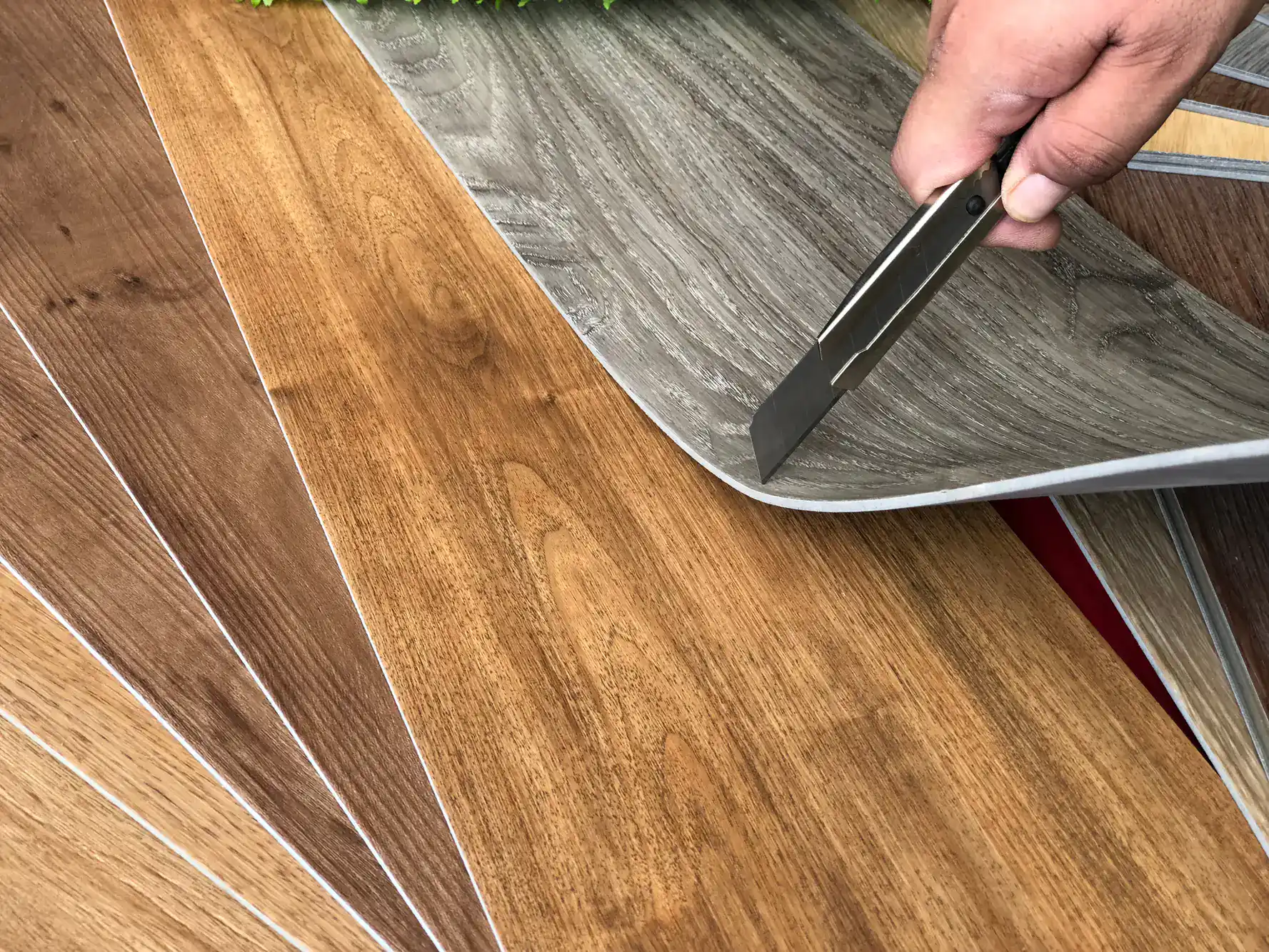
Standard epoxy and polyaspartic are both resinous floor coatings, but they perform very differently in the conditions a fire station apparatus bay actually creates. Standard epoxy is typically applied at four to eight mils thick, takes three to seven days to fully cure, and has limited flexibility and thermal resistance. That combination makes it vulnerable to hot-tire pickup, freeze-thaw cracking in Nassau County winters, and moisture-driven delamination in coastal environments like Freeport.
Polyaspartic goes down at 15 mils, cures in 24 hours, is four times more flexible than standard epoxy, and delivers twice the abrasion resistance. It’s UV-stable, chemically resistant to road salt and diesel, and thermally stable enough to handle hot tires without bonding to them. The 20-plus year service life of a properly installed polyaspartic system versus the two-to-five year lifespan of a standard epoxy coating is where the total cost argument becomes clear. The upfront cost of the professional system is higher. But when you factor in the cost of grinding, disposing of, and reinstalling a failed floor potentially twice in the same period the math runs the other way. For a publicly funded facility in Freeport, that’s the conversation worth having.
Yes, and having one contractor handle every zone in the station is genuinely the better approach. When different contractors install different systems in different areas, you end up with compatibility questions, inconsistent quality, and no single point of accountability if something fails. We install resinous flooring systems throughout the entire station apparatus bay, decontamination zone, kitchen, and living quarters with each area specified for what that space actually requires.
The kitchen, for example, needs a system that handles thermal shock from hot equipment, resists grease and cleaning chemicals, and meets FDA and USDA cleanability standards. The decon zone needs a seamless, non-porous surface that supports the contamination control protocols required under NFPA 1500 a standard that fire departments across Nassau County are increasingly being held to as firefighter cancer prevention becomes a higher-priority issue. The living quarters need durability and comfort underfoot. These aren’t the same spec, but they’re all within the same system family, and they’re all installed by the same certified crew. For the Freeport Fire Department’s six stations, that consistency across every floor in every building is worth more than saving a few dollars by splitting the work between contractors who don’t coordinate.