

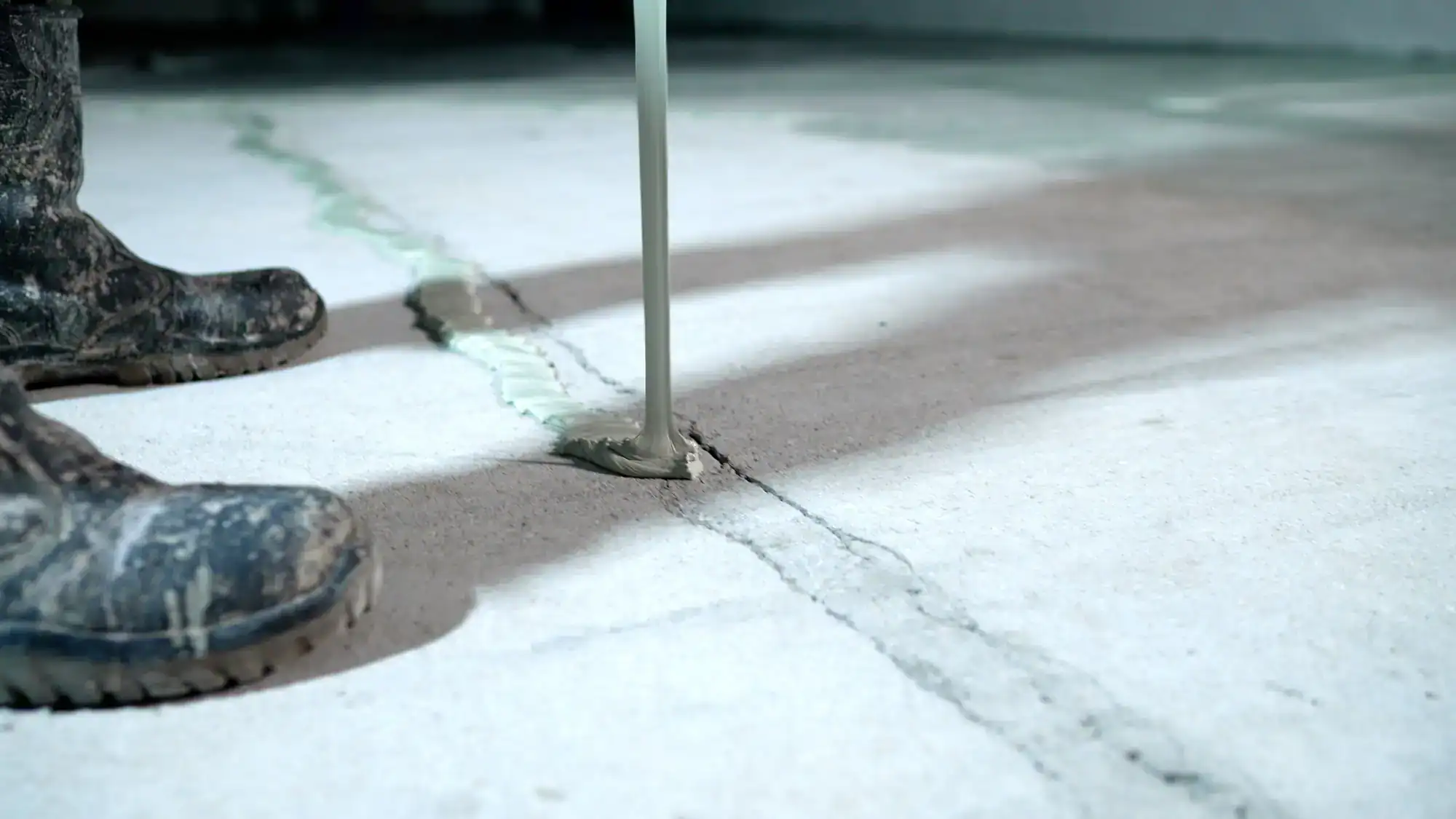
Southampton’s environment is harder on floors than most people realize. Between the ocean-level water table pushing moisture vapor upward through concrete slabs, the salt air that accelerates surface degradation, and the humidity that regularly approaches the threshold where epoxy shouldn’t even be applied the conditions here genuinely separate professional installations from amateur ones. A floor that was installed correctly will still be performing in 15 to 20 years. One that wasn’t will show you the difference by the end of its first summer.
For commercial kitchen operators along Montauk Highway or in Southampton Village, the stakes are even more specific. A floor with a crack, a grout line, or a peeling coating can fail a Suffolk County Department of Health Services inspection and a single closure during July or August is a financial hit most operators don’t recover from easily. A seamless, USDA-compliant commercial epoxy system eliminates that risk entirely. It’s also impervious to the thermal shock of steam cleaning, hot grease, and the temperature swings that come with a working kitchen.
For the trades businesses and auto shops concentrated along County Road 39 and in Hampton Bays, the need is different but equally real. Forklift traffic, chemical spills, heavy equipment these floors need to be engineered for actual load and abuse, not just aesthetics. When the system is right, you stop thinking about your floor. That’s exactly what a properly installed industrial epoxy system delivers.
Advanced Epoxy Flooring has been operating in Southampton and across Suffolk County for over 35 years. That’s not a marketing number it means there are floors we installed in buildings across Long Island that were completed before most of the competition even existed. We’re led by Danny Harmer, who has over 40 years of hands-on installation experience and personally installed the epoxy floor in the White House kitchen in 1996. In a town that has hosted presidents and heads of state as summer residents for generations, that credential means something.
Our team carries Sherwin-Williams High Performance Flooring certification, Res Tech certification, and OSHA 40-certified installers on every job. These aren’t self-reported claims they’re manufacturer-backed and documented. From the restaurant corridors of Southampton Village to the industrial bays along CR 39 in Hampton Bays, we’ve worked in Suffolk County’s coastal environment long enough to know exactly what it does to concrete and exactly how to address it before the first coat ever goes down.
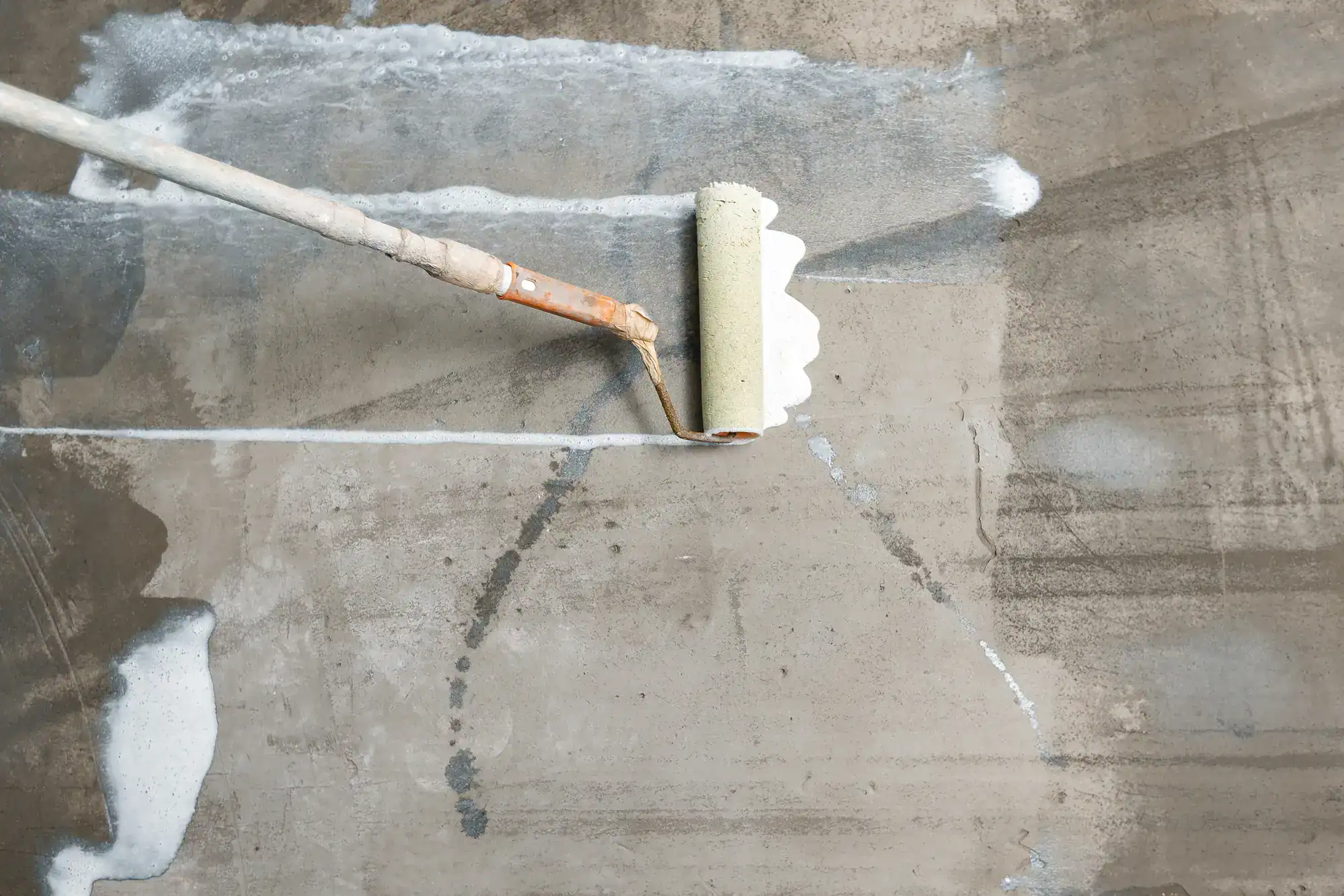
The first thing that happens on any job in Southampton is an assessment not a sales pitch. The slab gets evaluated for moisture vapor transmission, surface condition, existing contamination, and any cracks or structural concerns. In Southampton specifically, this step matters more than it does in most places. Low-lying properties near Shinnecock Bay, the Atlantic, and the canal system can have significant upward moisture pressure in the slab, especially in spring and after storm events. Skipping this step is how floors fail. It’s also the step most inexperienced contractors skip.
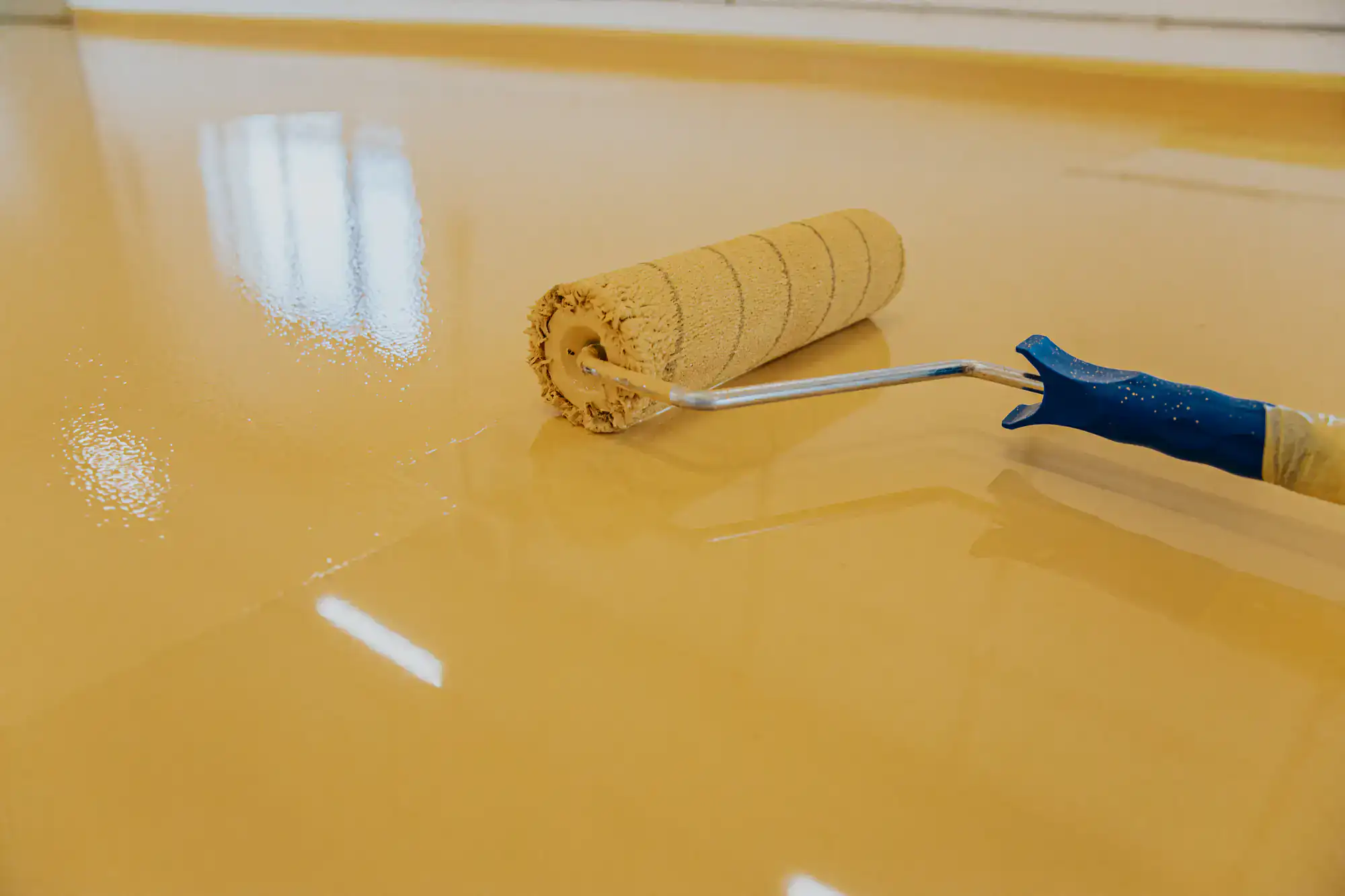
Once the assessment is done and the right system is specified, the surface gets diamond ground to the correct concrete surface profile. This is the professional standard not acid etching, which is a shortcut that creates an inconsistent bond surface. Diamond grinding opens the slab properly so the epoxy chemically adheres rather than just sitting on top. After that, the system goes down in layers: primer, body coat, and a polyaspartic topcoat that is four times more flexible than standard epoxy and specifically engineered for the thermal cycling Southampton’s climate produces.
For commercial kitchen operators, the entire process can be completed overnight. Your staff leaves after close, our crew works through the night, and you open the next morning on schedule. For Southampton restaurants working inside a tight off-season renovation window between Labor Day and Memorial Day, that turnaround isn’t a convenience it’s the whole plan.
Ready to get started?
The system we specify for your space depends entirely on what that space does. Commercial kitchens in Southampton whether in a high-volume restaurant on Jobs Lane or a catering operation off Montauk Highway receive a USDA-compliant seamless system with thermally shock-resistant chemistry and hygienic coved base that eliminates the floor-wall junction where bacteria accumulate. These systems meet Suffolk County Department of Health Services food service requirements and are installed to pass inspection, not just look good at the time of installation.
Healthcare spaces including medical offices and clinical facilities aligned with Stony Brook Southampton Hospital, the largest employer on the South Fork require antimicrobial seamless systems that meet FGI guidelines, ADA compliance standards, and CDC infection control requirements. These are not general commercial floors with an antimicrobial additive thrown in. They are systems specified and installed to meet the actual compliance framework that healthcare facility managers are accountable to.
For heavy-duty commercial and industrial applications auto shops, equipment storage, warehouses, and the trades businesses that keep Southampton’s estate economy running we install a 100% solids formulation with a high-build mortar base where needed, rated for forklift axle loads and resistant to oils, hydraulic fluids, and solvents. Chemical resistant epoxy finishes in Southampton are not a specialty add-on here. They are the baseline for any serious industrial installation. Every system, regardless of application, is backed by the same prep standard: diamond ground, moisture tested, and installed by OSHA 40-certified installers who have been doing this work in Suffolk County for over a decade.
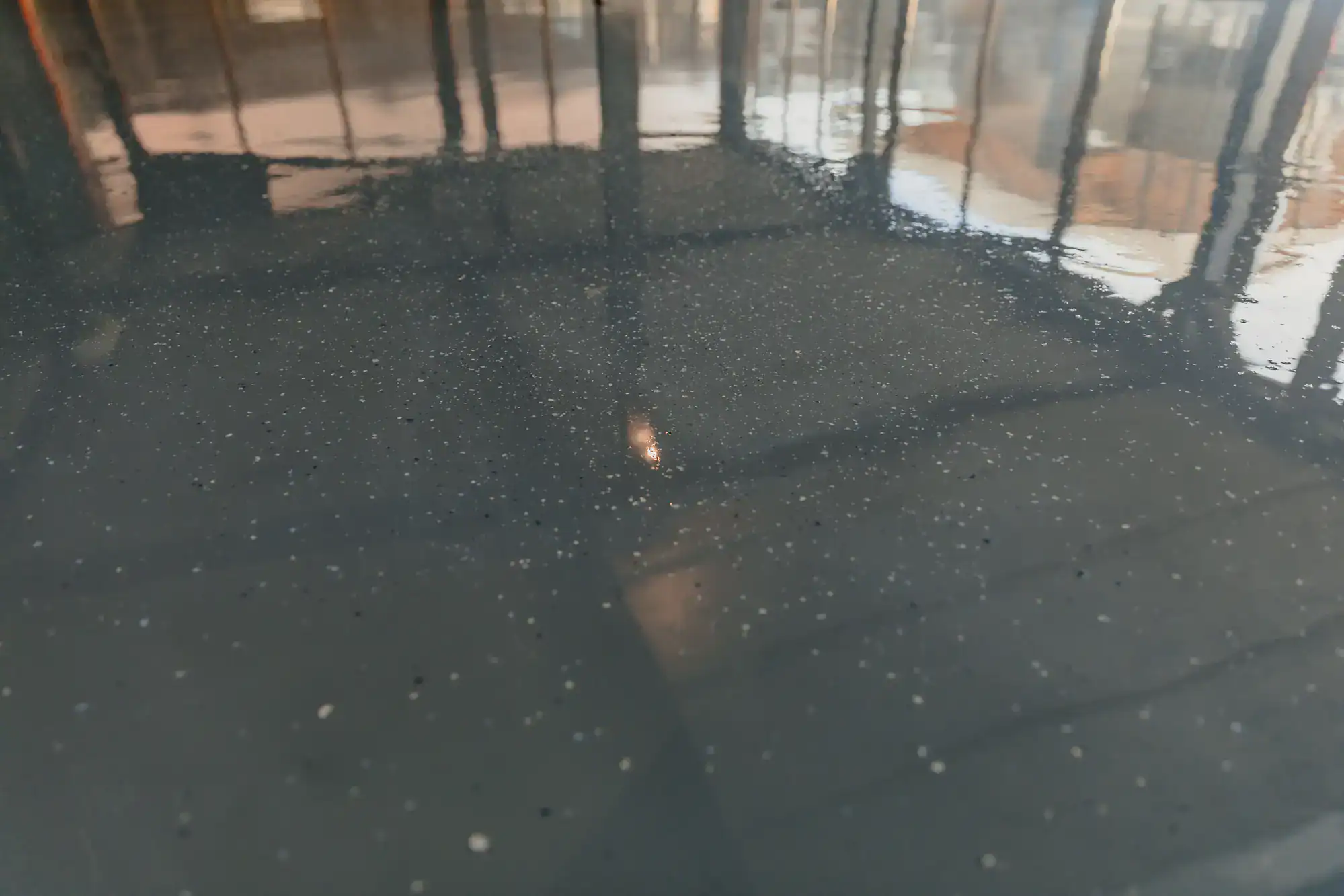
It does, and it’s probably the most important factor to address before any installation begins in Southampton. The South Fork is surrounded by ocean, bay, and canal on multiple sides. In low-lying areas near Shinnecock Bay or the Atlantic shoreline, the water table can be close enough to the surface that concrete slabs experience meaningful upward moisture vapor pressure particularly in spring and after major nor’easters or tropical systems push water into the ground.
Moisture vapor is the most common cause of epoxy floor failure. When it isn’t properly assessed and addressed before installation, it works its way through the slab and breaks the bond between the epoxy and the concrete. The result is bubbling, delamination, and peeling often within the first season. Every installation we do in Southampton starts with a moisture vapor transmission test. If the reading requires it, we specify a moisture mitigation layer before the primary system goes down. That step adds time and cost, but it’s the difference between a floor that lasts 20 years and one that fails before Memorial Day.
A commercial kitchen in Southampton needs a seamless, USDA-compliant resinous system that can handle thermal shock, heavy cleaning chemicals, and continuous foot traffic without cracking, peeling, or harboring bacteria in joints or grout lines. The Suffolk County Department of Health Services requires commercial kitchen floors to be non-porous, seamless, and cleanable a tile floor with grout lines or a deteriorating coating can fail an inspection and result in a temporary closure.
Beyond compliance, the system needs to hold up to what a working kitchen actually does to a floor. Steam cleaning, hot grease, dropped equipment, and the constant temperature swings between a walk-in cooler and a hot line these are real stresses that a properly specified epoxy system is engineered to handle. The installation also includes a hygienic coved base where the floor meets the wall, which eliminates the gap where bacteria and moisture accumulate. For a Southampton restaurant operating at full capacity during the summer season, this is not optional maintenance. It is a health department and liability requirement.
Yes, and for most Southampton restaurant operators, that’s exactly how we do it. The typical commercial kitchen floor installation is completed overnight our crew arrives after your kitchen closes, works through the night, and the floor is ready for foot traffic by the time your staff arrives in the morning. Full cure for heavy equipment and appliances takes a bit longer, but the turnaround for normal kitchen operations is fast enough that most operators don’t lose a single service.
This matters a lot in Southampton specifically because of how the Hamptons calendar works. The off-season window between Labor Day and Memorial Day is when most commercial renovations get scheduled and even within that window, operators are planning around holiday weekends, private events, and early spring openings. A floor installation that causes unexpected downtime during a busy weekend, even in the off-season, is a problem. The overnight installation process eliminates that risk and lets you plan your renovation around your calendar, not the other way around.
A properly installed commercial epoxy system in a high-traffic space with correct surface preparation, the right product specification, and a polyaspartic topcoat realistically lasts 10 to 20 years with routine maintenance. The key phrase there is “properly installed.” The prep work is what determines longevity. A floor that was diamond ground to the correct surface profile, moisture tested, and installed with a full multi-layer system will perform through years of heavy use. One that was applied over a poorly prepared or contaminated slab will start showing failure within a few years regardless of what product was used.
In Southampton’s coastal environment, the polyaspartic topcoat is especially important for long-term durability. It’s four times more flexible than standard epoxy, which means it handles the thermal cycling cold winters, hot humid summers, and the daily temperature swings in a commercial kitchen without cracking or becoming brittle over time. It also resists UV yellowing, which matters for spaces with natural light exposure. When the system is right from the start, you’re not looking at recoating or replacement on a short cycle. You’re looking at a floor that simply keeps working.
For most auto shops, equipment storage facilities, and light industrial operations in Hampton Bays and along County Road 39, a properly specified industrial epoxy system is one of the best flooring decisions you can make. The working economy that supports Southampton’s estate and hospitality industries is concentrated in these corridors, and the floors in those spaces take real abuse forklift traffic, oil and hydraulic fluid spills, heavy dropped equipment, and constant vehicle movement.
A 100% solids industrial epoxy system with a high-build base coat is rated for forklift axle loads exceeding 10,000 lbs and provides chemical resistance to the oils, solvents, and fluids that auto and equipment shops deal with daily. It also makes the floor significantly easier to maintain spills wipe up cleanly instead of soaking into porous concrete, and the seamless surface doesn’t trap grit and debris the way cracked or uncoated concrete does. For a shop that runs year-round in Suffolk County’s climate, a floor that can be cleaned quickly and holds up to real loads is a practical operational upgrade, not just an aesthetic one.
The Hamptons attract a lot of seasonal contractors operators who show up in the spring, work the renovation rush, and are difficult to reach by fall. The most reliable way to protect yourself is to ask specific questions that a qualified contractor should be able to answer without hesitation: What products are you using and who manufactures them? Do you hold any manufacturer certifications? How do you handle moisture vapor testing before installation? What surface preparation method do you use diamond grinding or acid etching?
A contractor who can’t name the specific products, certifications, and prep process they use is a contractor who is winging it. Manufacturer certifications like Sherwin-Williams High Performance Flooring or Res Tech aren’t self-reported they require documented training and are tied to specific product systems. OSHA 40 certification on installers is another concrete credential to ask about, especially for commercial and industrial jobs. And beyond credentials, longevity matters. A company that has been operating continuously in Southampton and Suffolk County for over 35 years will still be reachable if you have a warranty question two years after installation. That’s not something a seasonal operator or a national franchise with a local URL can offer you.