
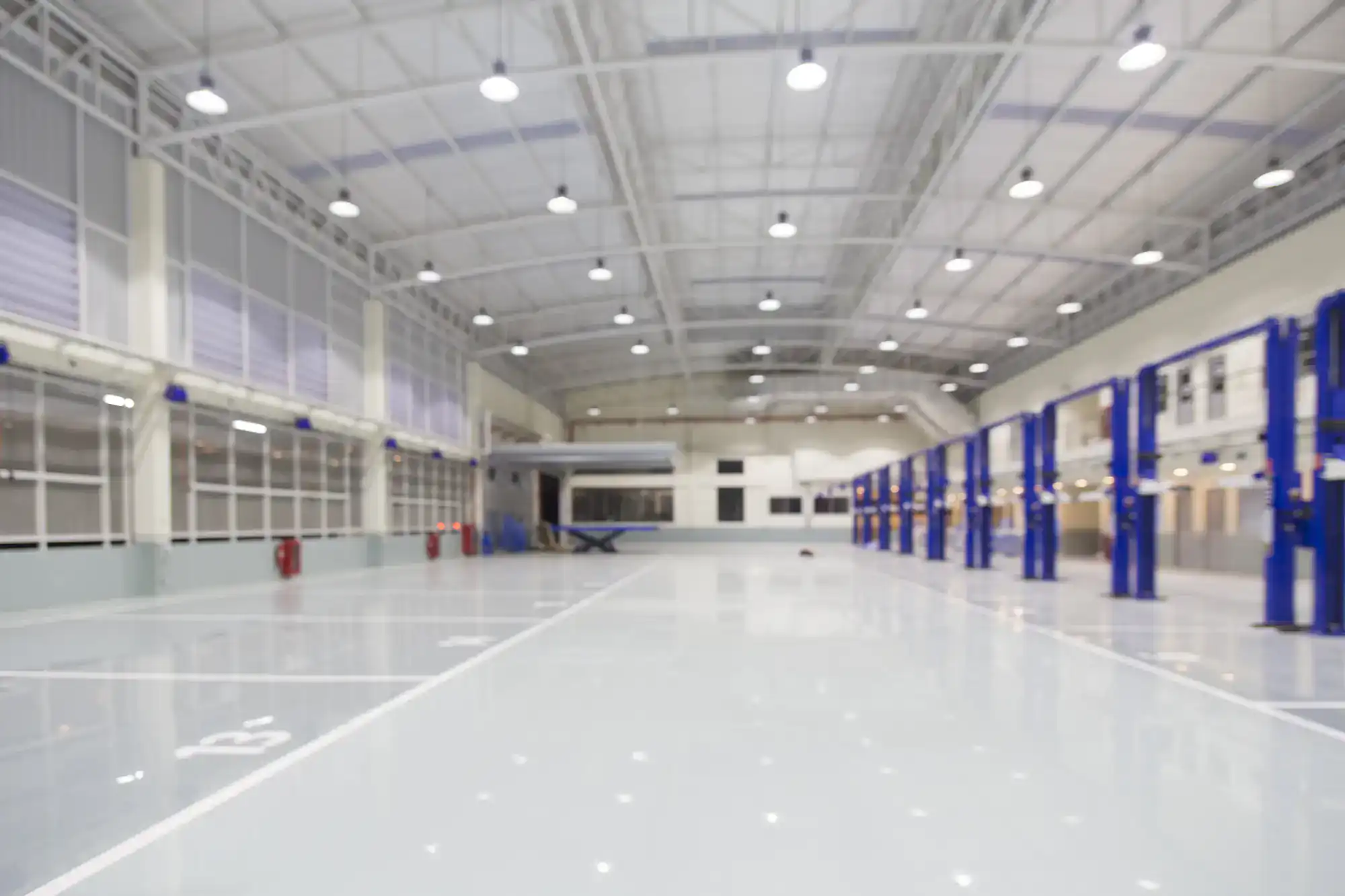
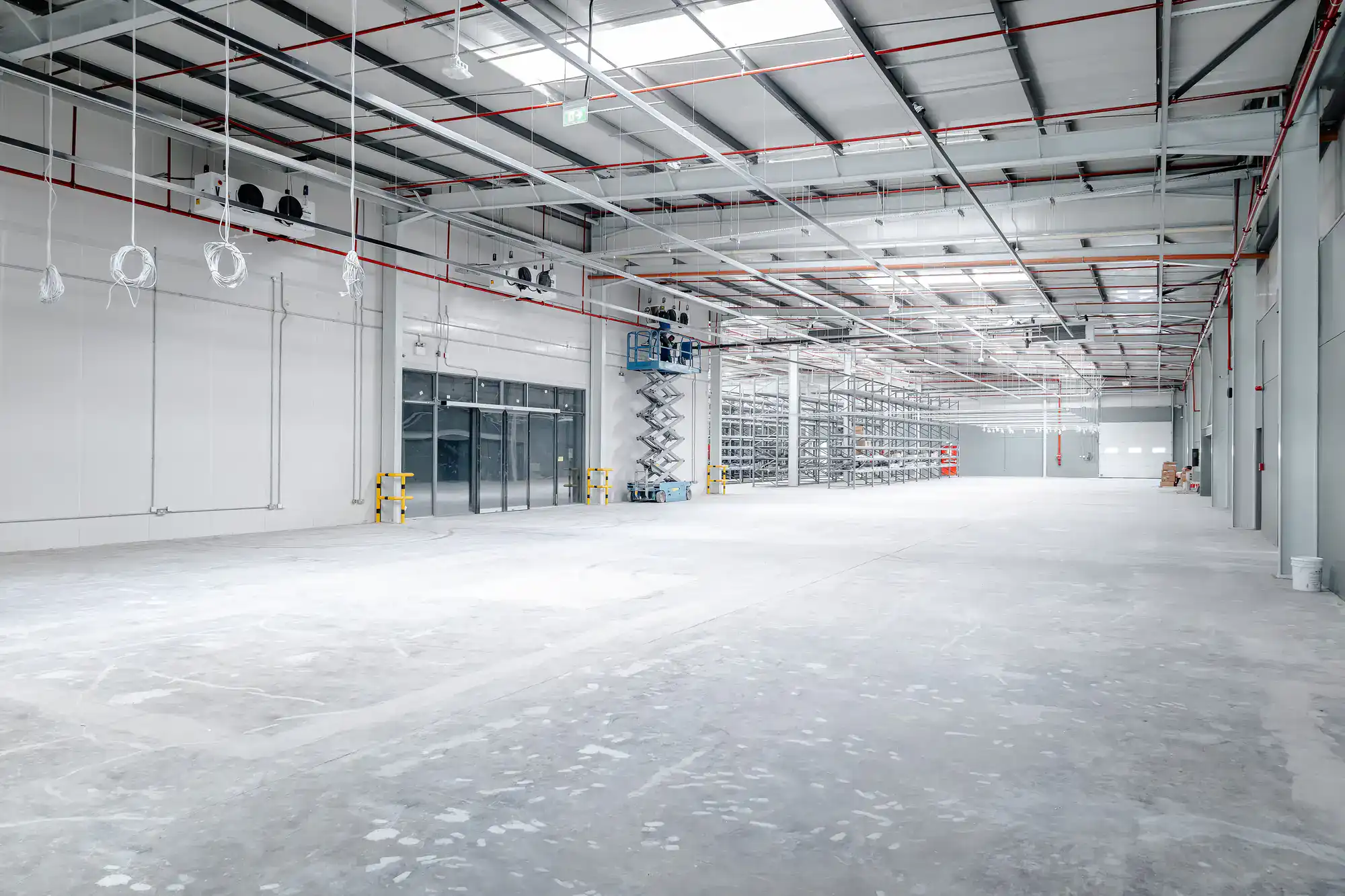
Southampton isn’t an inland market. The South Fork sits surrounded by water on three sides, and that coastal environment puts constant pressure on concrete that most contractors never account for. Humidity along the Atlantic-facing shoreline regularly hits 82% or higher in the spring right when most facility managers are trying to get hangars ready before Memorial Day. When moisture vapor trapped beneath a large slab has nowhere to go, it pushes upward, and coatings that weren’t installed over a properly tested substrate start to delaminate. That’s an installation failure that could have been caught before the first coat went down.
Salt air is the other factor that quietly does damage over time. Airborne salt from the ocean and Peconic Bay works its way into unsealed or undertreated concrete, breaking down the surface and weakening whatever bond a coating is trying to hold. Aviation facility epoxy flooring in Southampton, NY has to account for both of these realities not as edge cases, but as standard conditions. A system that seals the slab from below and above, built with the right chemistry for coastal exposure, is what separates a floor that lasts from one that looks fine in June and starts showing problems by the following spring.
Beyond the environmental factors, the standard of presentation here is simply higher. Gabreski Airport is growing the new Signature Aviation development alone brings two 31,250 square-foot hangars to Westhampton Beach, and the clientele arriving at those facilities expects a certain level of quality in everything they see. A high-gloss, light-reflective finish isn’t just aesthetics. It makes dropped tools and fluid spills visible immediately, which matters in a working hangar where FOD incidents are a real liability.
We’ve been in business for over 30 years, and our president Danny Harmer has been doing this work personally for more than 40. That’s not a number on a website it’s the difference between a contractor who has seen every way a floor can fail and one who’s still learning on your slab. We’re based in Bohemia, NY, which means we know Southampton’s coastal climate, Suffolk County’s building environment, and what it actually takes to install a floor correctly on the East End.
The crew that shows up to your hangar near Gabreski isn’t a rotating cast of subcontractors. Most of our installers have been with us for over a decade. All of them are OSHA 40 certified. We hold dual factory certifications in Sherwin-Williams High Performance Flooring and Res Tech two of the most rigorous credentials available in industrial resinous flooring and our non-slip topcoat meets the National Flooring Safety Institute’s verified safety standards. These aren’t self-reported claims. They’re documented, and they matter in a regulated aviation environment like a county-owned airport facility.
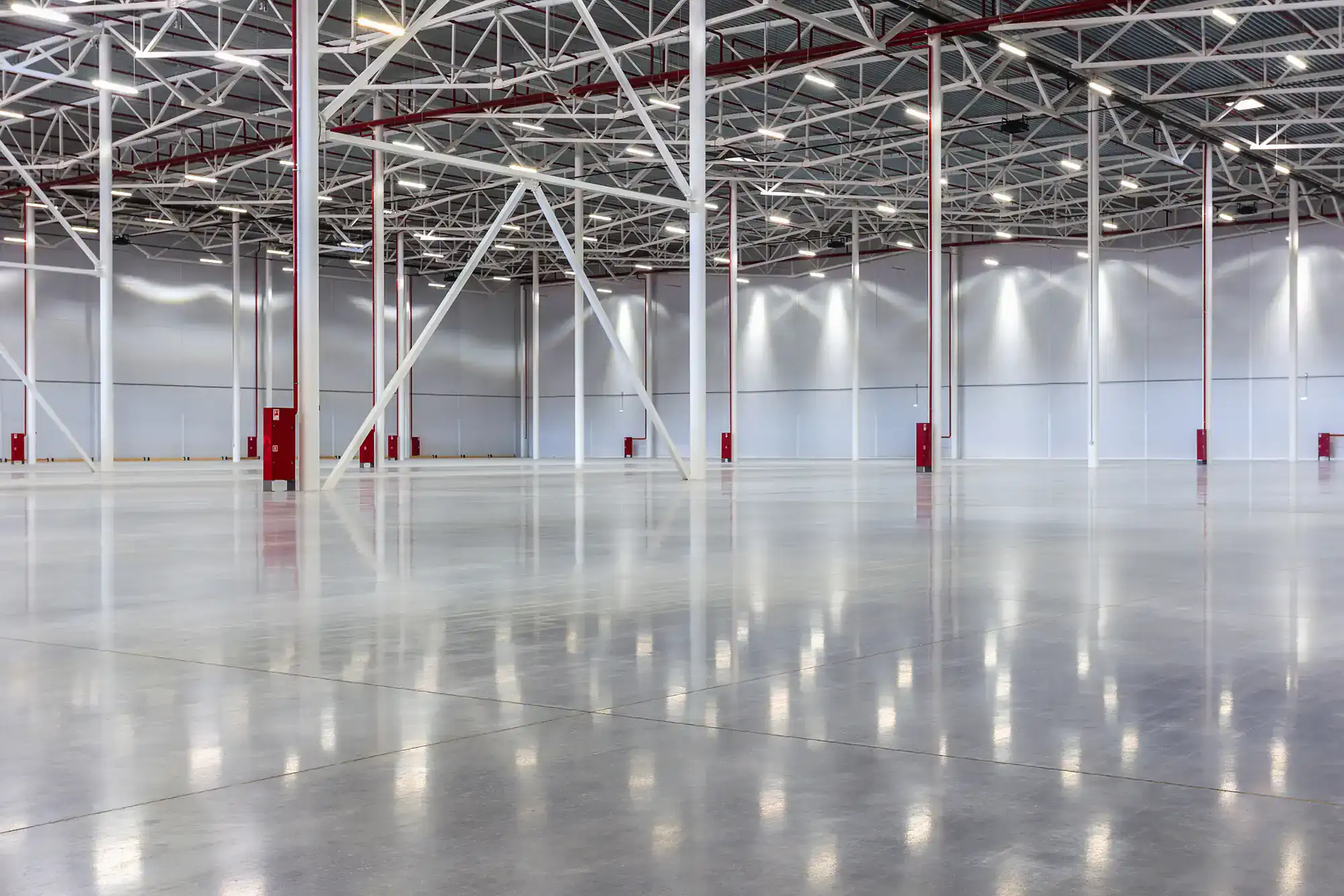
Before anything gets mixed or applied, we evaluate the concrete. At a coastal facility like those near Gabreski Airport, that means mandatory moisture testing not optional, not abbreviated. Large hangar slabs in high-humidity environments like Southampton’s South Fork can carry significant moisture vapor pressure, and the system specified for your floor has to match what the slab is actually doing. Skipping this step is the single most common reason aviation floor coatings fail within a few years of installation. We catch it here, before it becomes your problem.
Once the substrate is assessed and properly prepared, the installation follows a multi-layer process: primer, base coat, and topcoat each layer given the cure time it needs to bond fully and reach the strength the next layer requires. We don’t rush between coats to hit an artificial deadline. The chemistry has to cure correctly, or the system won’t perform the way it’s supposed to. For clients working around the Hamptons seasonal calendar, we offer polyaspartic systems that return the space to service within 24 hours which is a real operational consideration when your facility needs to be ready before Memorial Day traffic ramps up at Gabreski.
The finished system is Skydrol-resistant, NFPA 409 compliant, and built to handle the chemical exposure, heavy equipment loads, and constant foot traffic that a working hangar actually sees. If your facility is subject to Suffolk County permitting requirements or FAA advisory circulars on surface materials, the system we install meets those standards and that documentation is available.
Ready to get started?
Aircraft hangar floor coatings in Southampton, NY aren’t a single product they’re a system. The distinction matters because the demands of a working hangar are different from any other commercial floor. You’re dealing with Skydrol hydraulic fluid, jet fuel, lubricants, heavy rolling equipment, and the constant opening and closing of large hangar doors that pull in salt-laden coastal air from the Atlantic. A floor that can’t handle all of that simultaneously isn’t an aviation floor it’s a garage product in the wrong environment.
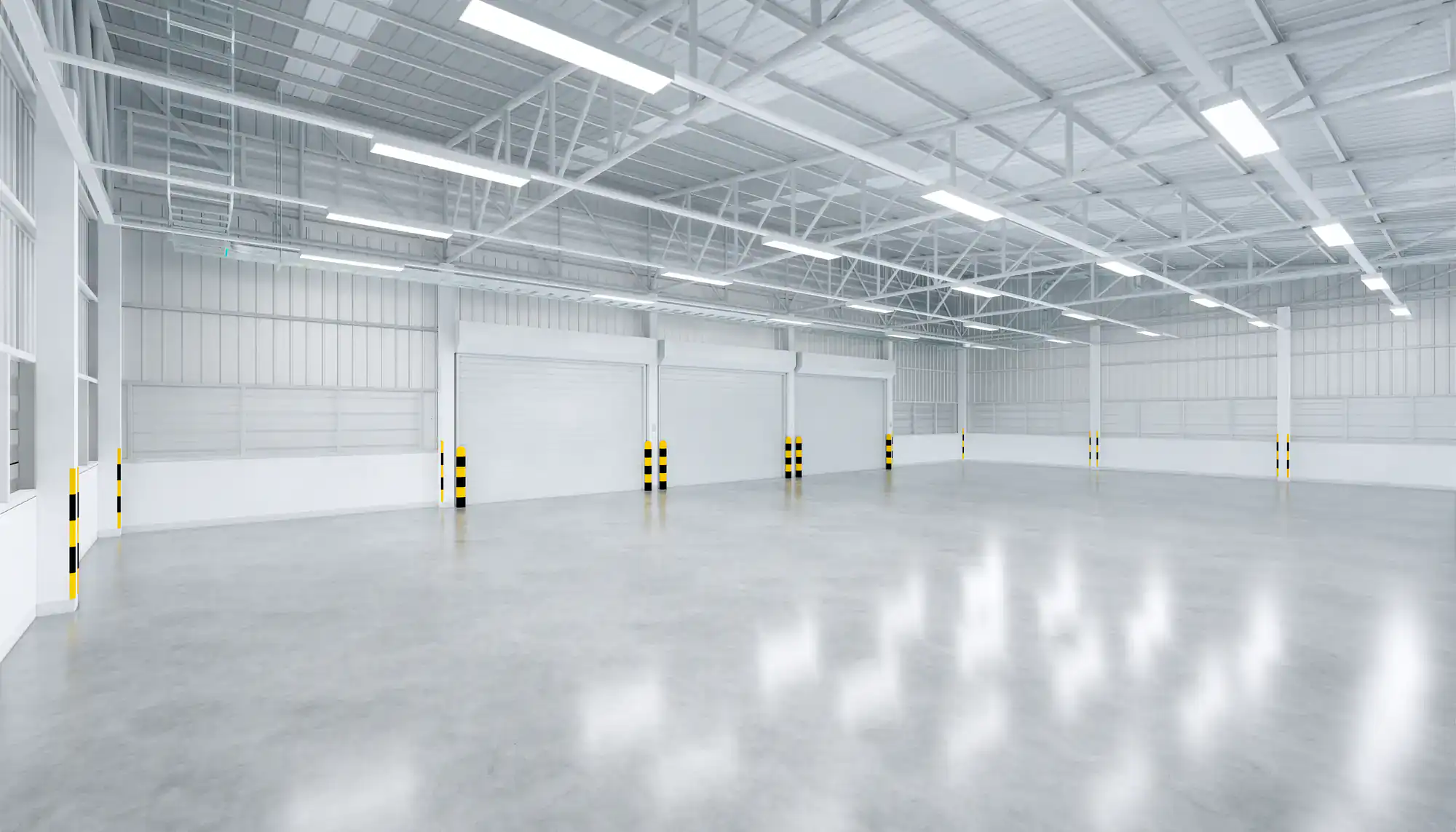
The system we install is built in layers. The primer penetrates and bonds to the concrete substrate, addressing porosity and creating the foundation for everything above it. The base coat builds the chemical resistance and structural thickness the floor needs. The topcoat is where the NFSI-certified non-slip finish is applied tested and certified, not just described as textured. The result is a high-gloss, light-reflective surface that makes the facility look clean and professional while actively supporting safety for everyone working in the space.
For FBO operators and facility managers overseeing new construction at Gabreski including the Signature Aviation hangars or the proposed Northside private hangar development the system is specified and documented for NFPA 409 compliance from the start. For private hangar owners on the East End who want a floor that holds up through freeze-thaw cycling, coastal humidity, and years of real use, the same multi-layer approach applies. The floor is built for what actually happens in Southampton not what happens in a climate-controlled showroom somewhere else.
NFPA 409 applies to aircraft hangars broadly not just commercial FBO facilities. The standard requires that floor surfaces in aircraft storage and servicing areas be noncombustible, which eliminates a wide range of standard epoxy products that contractors might otherwise propose. At Gabreski Airport, which is a county-owned, FAA-regulated facility, compliance with applicable fire safety codes isn’t optional it’s a condition of operating the space.
For private hangar owners in Southampton at Gabreski, the practical implication is that the floor coating system needs to be specified correctly from the start. A contractor who isn’t familiar with NFPA 409 can install a product that looks fine but puts your facility out of compliance which creates exposure with your insurance carrier and with Suffolk County inspectors. We install systems that meet NFPA 409’s non-combustibility requirements and can provide documentation confirming compliance. If you’re one of the private hangar owners in the Northside Hangars development or the Signature Aviation expansion, this is a conversation worth having before any coating goes down.
It’s one of the most underestimated factors in any floor coating project on the South Fork. Southampton’s humidity peaks around 82–83% in May and June which is also the window when most facility managers are trying to get hangars ready before the summer season opens. High ambient humidity during installation affects how coatings cure and bond, but the bigger issue is what’s happening beneath the slab year-round.
Large concrete slabs in coastal environments like Southampton carry significant moisture vapor pressure. When that vapor has nowhere to go, it migrates upward through the slab and pushes against the underside of the coating. If the system wasn’t specified for the actual moisture conditions of the slab or if moisture testing was skipped that pressure causes delamination, usually within a few seasons. The floor looks fine at installation and starts failing when the conditions change. Proper moisture assessment before any system is specified is how that failure mode gets caught early. In Southampton’s environment, it’s not a precaution it’s a requirement.
Both are resinous floor coating systems, but they behave differently in ways that matter for a working hangar. Epoxy is a slower-curing system it builds excellent chemical resistance and thickness, but it typically requires several days of cure time before the floor can support aircraft traffic and equipment loads. In a facility that needs to stay operational, that cure window creates a real scheduling challenge.
Polyaspartic systems cure significantly faster fast enough to return a hangar to service within 24 hours in most conditions. For facilities near Gabreski Airport that are working around the compressed Hamptons seasonal calendar, that difference is meaningful. The fall window after Labor Day is the most practical time to install a hangar floor on the East End, and polyaspartic systems make it possible to complete the job and get back to operations quickly even if the scheduling window is tight. Both systems can be built to meet aviation chemical resistance requirements, including Skydrol exposure the right choice depends on your facility’s specific timeline and use conditions.
Installed correctly over a properly prepared substrate, a multi-layer aviation floor system should last well over a decade under normal hangar use conditions. The variables that shorten that lifespan and they’re the same variables that cause most floor coating failures are skipped surface preparation, inadequate moisture testing, and using a system that isn’t rated for the chemical exposure the floor actually sees.
In Southampton’s coastal environment, salt air exposure and humidity cycling add stress to any floor surface over time. A system that fully seals the concrete substrate from both above and below, built with chemistry rated for Skydrol and aviation fuel exposure, handles that stress significantly better than a product designed for a standard commercial or residential application. The freeze-thaw cycling that happens on Long Island through the winter months temperatures swinging from the low 20s to the 50s and back also puts stress on thinner or improperly bonded coatings. A high-build, multi-layer system engineered for aviation environments is built to flex through that cycling without cracking or delaminating.
The fall window September through November is the most practical time for hangar floor installation at a Gabreski-area facility. The Hamptons summer season has wound down, aircraft traffic decreases substantially, and most hangars have extended periods of downtime that make it possible to schedule the work without disrupting active operations. Temperatures are moderate, humidity begins to drop from its summer peak, and cure windows are reliable.
Spring installations are possible but require more careful planning. May humidity in Southampton averages around 82%, which means moisture conditions on large concrete slabs need to be assessed carefully before any system is specified. If you’re trying to get a floor ready before Memorial Day, the timeline is tight especially for multi-layer epoxy systems that need full cure time between coats. Polyaspartic systems help compress that timeline, but the earlier you book the project, the more flexibility you have to work with the right system rather than rushing to the fastest one. Winter contracting even if installation happens in spring is how most East End facility managers protect their scheduling window.
Over time, yes and it works in a way that isn’t always obvious at first. Airborne salt from the Atlantic Ocean and the surrounding bays doesn’t attack a sealed floor surface directly. What it does is work its way into any concrete that isn’t fully sealed through micro-pores, cracks, or areas where a coating has begun to thin or lift at the edges. Once salt is in the concrete, it accelerates the degradation of the surface and weakens the bond between the substrate and whatever coating sits above it.
For hangars on the South Fork, this is a real and ongoing condition not a theoretical one. Every time the hangar doors open, salt-laden air moves across the floor. Over a period of years, a floor that was installed without fully sealing the concrete substrate starts showing the effects: surface pitting, edge lifting, and bond failure in high-traffic areas. A properly installed multi-layer system primer that penetrates and seals the concrete, base coat that builds chemical resistance, and a topcoat that closes the surface addresses this from the ground up. The goal is to leave no pathway for salt, moisture, or chemicals to reach the concrete beneath.