
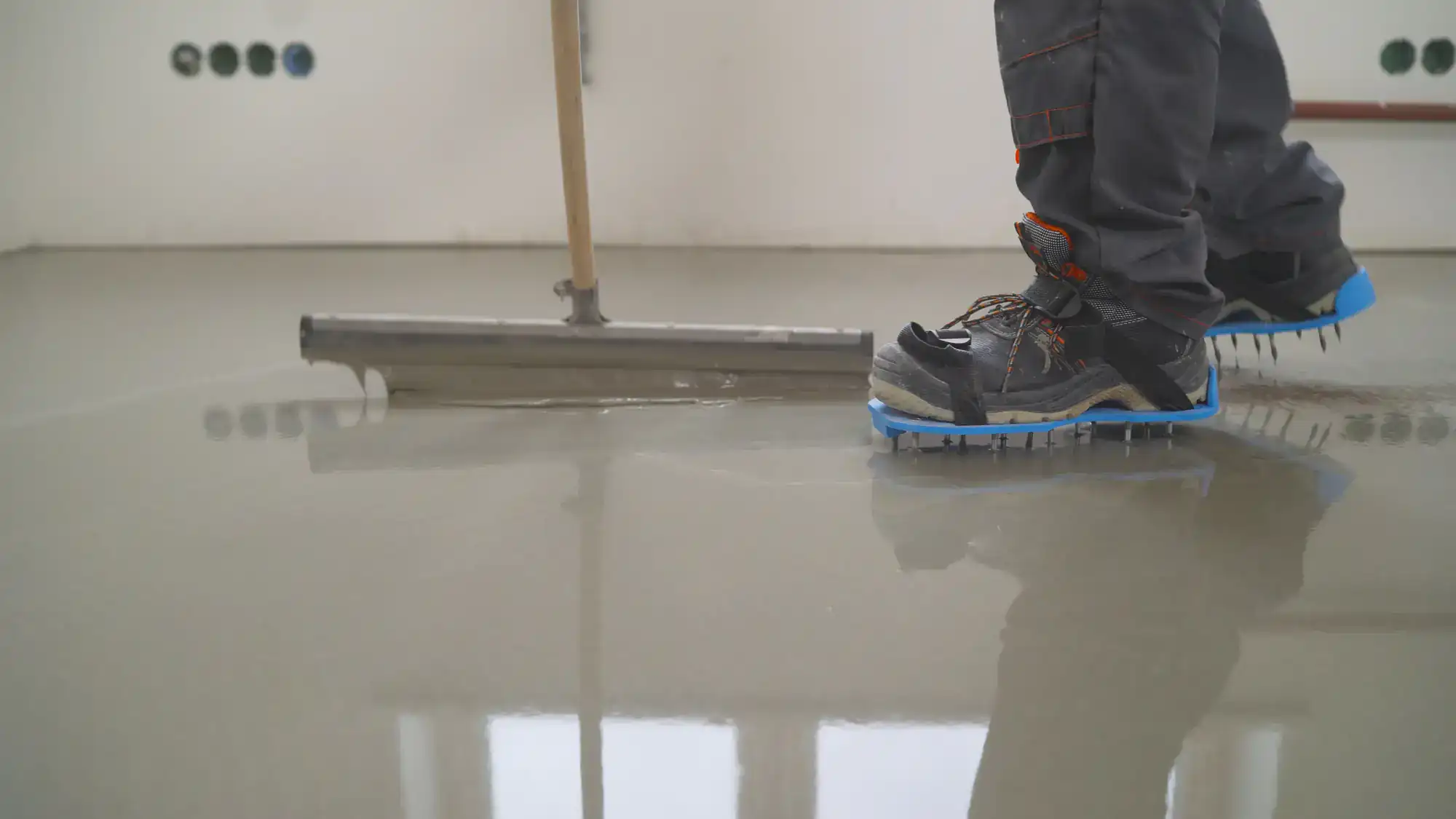
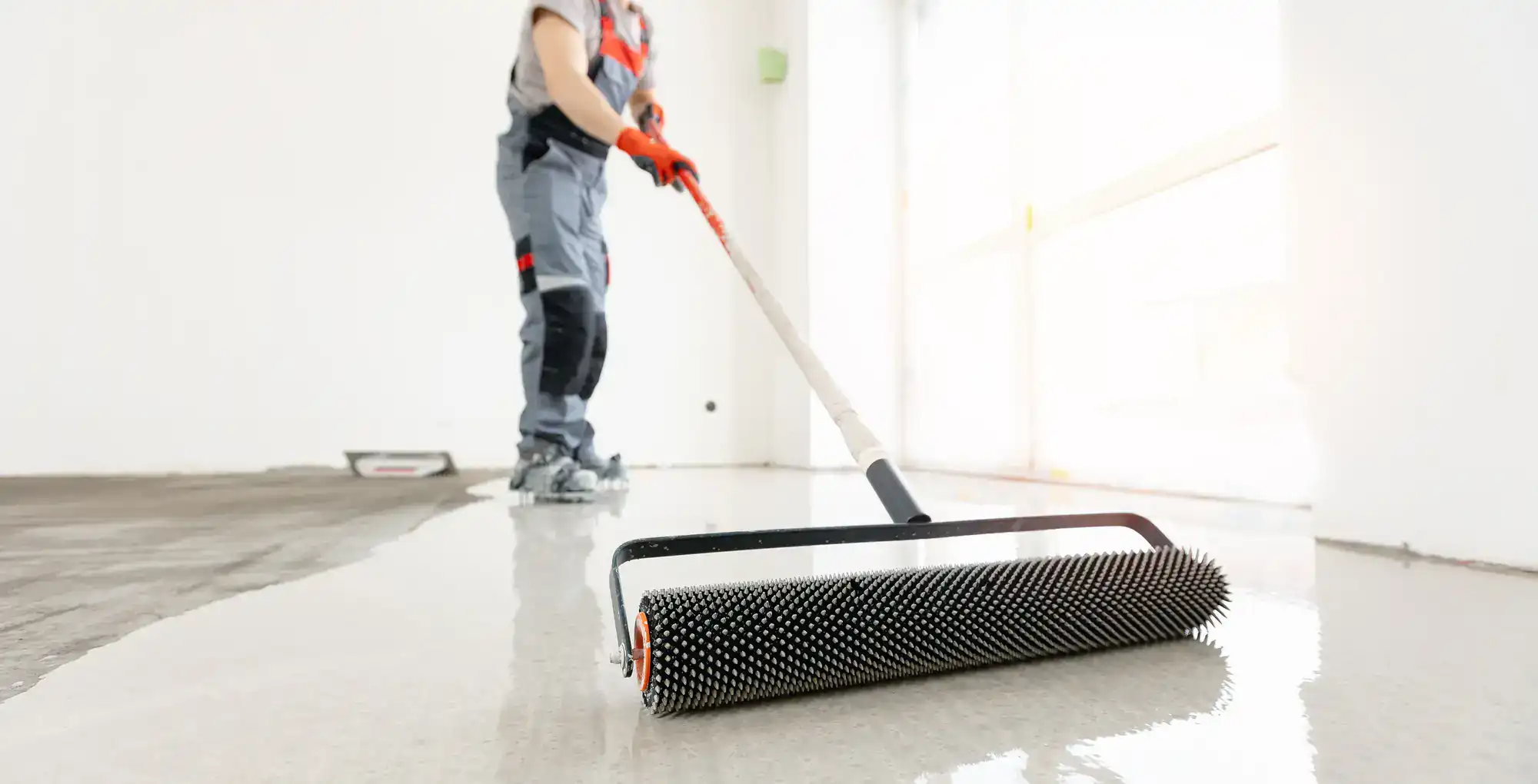
When the substrate is right, everything above it works the way it’s supposed to. Your tile doesn’t crack at the grout joints. Your luxury vinyl doesn’t hollow out in six months. Your engineered hardwood doesn’t telegraph every low spot through the finish. That’s what professional concrete floor leveling services in Long Beach, NY actually deliver not just a flat surface, but a surface that stays flat.
Long Beach isn’t a typical Nassau County job. The water table here sits just a few feet below grade in many parts of the city, and that constant upward moisture pressure is one of the most common reasons self leveling fails on barrier island slabs. A skim coat poured over an untested slab in the West End or a condo building near the boardwalk isn’t a repair it’s a delayed problem. Getting the moisture situation diagnosed before anything is poured is what separates a floor that lasts from one you’re redoing in two years.
The same goes for older buildings along Park Avenue or the residential blocks that have been through storm damage, partial rebuilds, and years of freeze-thaw cycling. Those slabs aren’t uniform. Some need a quarter inch of correction. Others need two inches or more. The right system handles the full range and the result is a substrate that’s actually ready for whatever flooring goes on top of it.
We’ve been working on Long Island floors for over 30 years, led by a president with more than 40 years of hands-on installation experience. That’s not a tagline it’s the reason the same crew has stayed with us for over a decade and why clients from commercial operators to condo boards call back when the next project comes up.
We’re based in Bohemia, NY, which puts us squarely in the Long Island market not a national franchise with a local number, not a New York City contractor learning the South Shore on your dime. We’ve worked through the post-Sandy rebuilding cycle, installed floors across the U.S. and internationally, and hold an A+ BBB rating along with OSHA 40 certification for every installer on our crew.
Long Beach’s combination of coastal moisture, aging building stock, and high-end renovation expectations isn’t new to us. We’ve seen what these conditions do to concrete over time, and we know how to build a floor system that holds up to it.
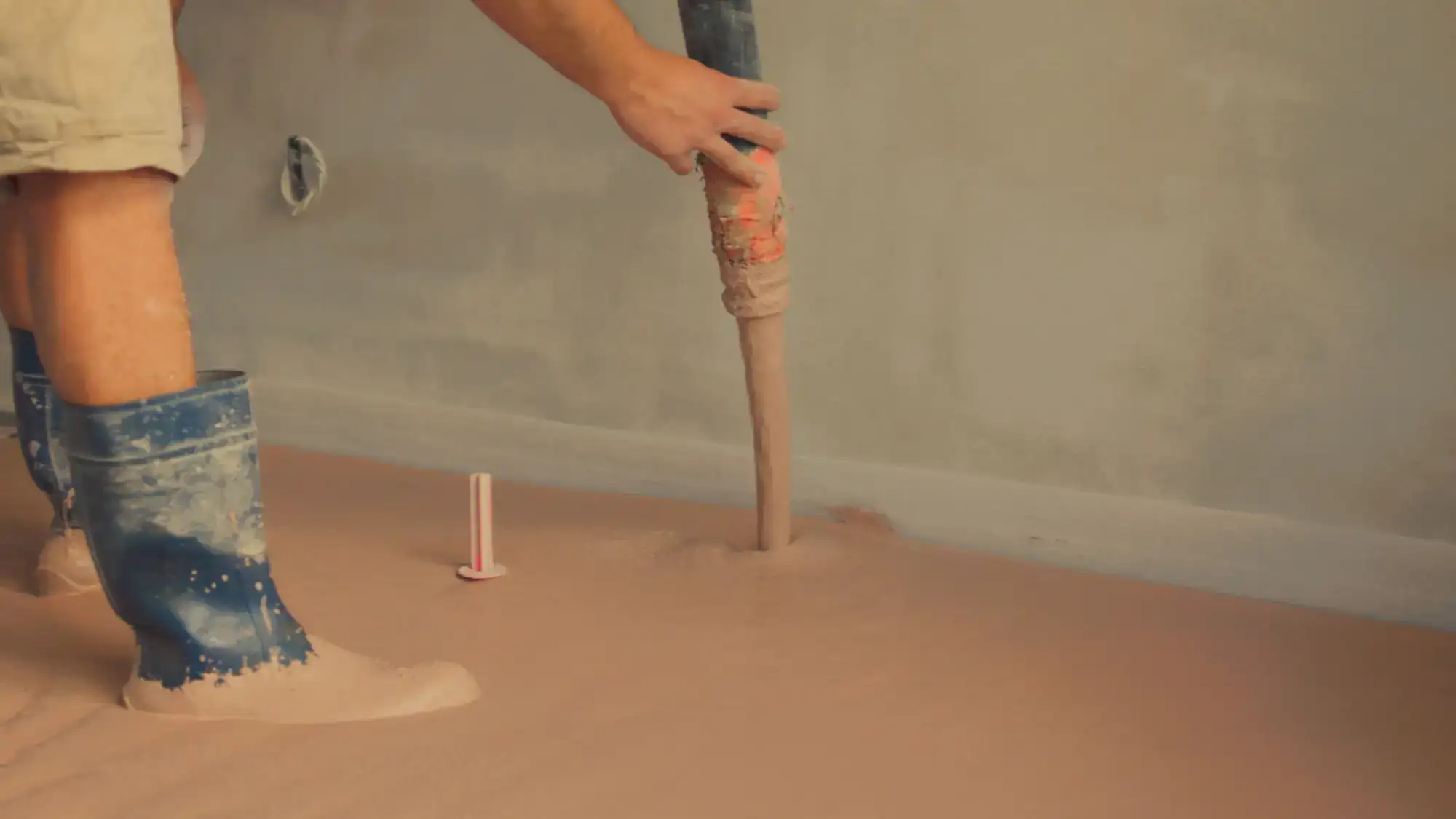
The first thing that happens on a Long Beach job isn’t mixing it’s testing. Moisture vapor emission rates on barrier island slabs regularly exceed the safe threshold for self leveling underlayment installation. Before anything else, the slab gets tested using ASTM F2170 relative humidity protocols. If there’s a moisture issue, we address it. Skipping this step is exactly how floors fail in coastal environments, and it’s not a step that gets skipped here.
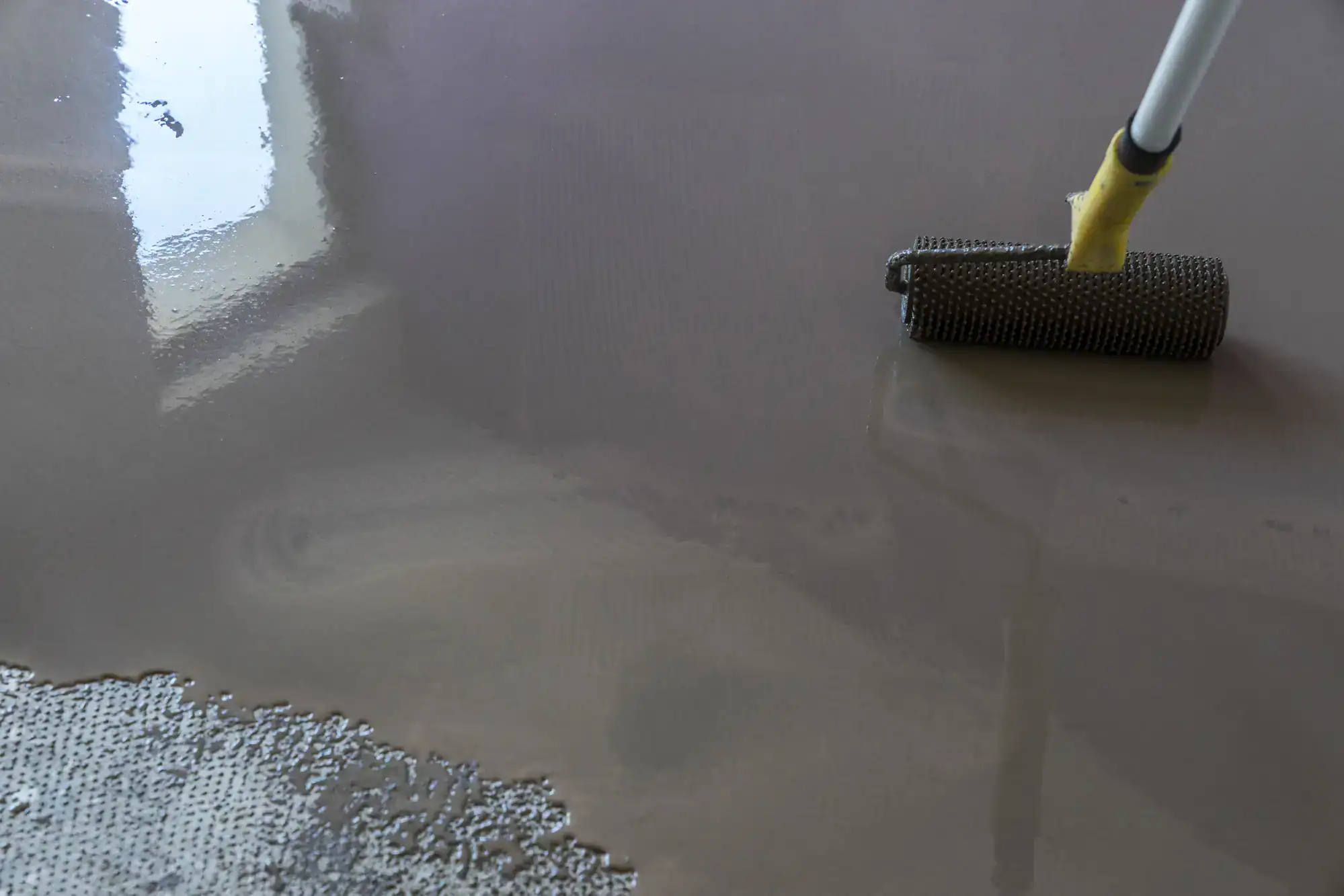
Once the slab is cleared, surface preparation comes next. That means cleaning, repairing cracks and voids, and applying the appropriate primer for the substrate type whether it’s existing concrete, a post-Sandy replacement slab, or a plywood subfloor in an elevated home. Long Beach has all three, sometimes in the same building. The cementitious self leveling underlayment goes down after prep is confirmed, using a high-flow, polymer-modified material that can be poured anywhere from a quarter inch to over two inches neat, and up to five inches with aggregate added.
From there, the timeline moves fast. Foot traffic is typically possible within four to six hours. Heavy commercial use a restaurant on Park Avenue, a retail space on West Beech Street is generally ready within 24 to 48 hours. The final flooring layer goes down once the underlayment has cured to the point where it won’t compromise the bond. No guesswork, no rushing the timeline, no shortcuts that come back as callbacks.
Ready to get started?
Long Beach has over 60 condo and townhouse buildings, a commercial corridor that runs on a tight seasonal calendar, and a residential stock that ranges from pre-war construction to brand-new oceanfront luxury. The self leveling underlayment work we do here has to account for all of it not just the easy pours.
The high strength self leveling concrete systems we use on these jobs are polymer-modified and formulated for demanding applications. That polymer modification isn’t just about flow it’s what gives the material the bond strength to stay locked to a coastal slab under real-world moisture conditions. These aren’t off-the-shelf bags from a hardware store. They’re professional-grade, factory-trained applications that meet the compressive strength requirements for commercial floor leveling solutions in high-traffic environments like hospitality spaces, medical facilities, and multi-family common areas.
For residential clients in Long Beach whether you’re in a condo near the boardwalk, a home in Westholme, or a recently elevated property in the West End the same standard applies. The system is selected based on what your specific slab needs, not what’s fastest to pour. And because we handle everything from moisture testing through final floor installation, there’s no handoff between a leveling sub and a flooring contractor, and no gap in accountability if something doesn’t go right.
It matters more here than almost anywhere else on Long Island. Long Beach sits on a barrier island with sandy coastal soil and a water table that in many areas sits just a few feet below grade. That means concrete slabs especially in older buildings, post-Sandy rebuilds, and below-grade spaces are under constant upward moisture vapor pressure. When moisture vapor emission rates exceed safe thresholds and self leveling underlayment gets poured anyway, the material loses its bond with the slab. It looks fine for a while, then it starts to hollow, crack, and lift usually right after new flooring goes on top of it.
The fix isn’t complicated, but it has to happen before the pour, not after. ASTM F2170 relative humidity testing tells you exactly what you’re working with. If the slab passes, you move forward. If it doesn’t, there are mitigation options moisture barriers, surface treatments that address the problem at the source. Skipping the test is how a $2,000 leveling job turns into a $6,000 redo. In Long Beach specifically, this step isn’t optional.
Thickness depends on the system being used, but professional-grade cementitious self leveling underlayment can typically be poured from a quarter inch up to over two inches in a single application without aggregate. Add aggregate to the mix and that depth extends to five inches or more. That range matters a lot in Long Beach, where you have everything from minor surface irregularities in newer condos to significant slab settlement in older buildings and homes that have been through storm damage or physical elevation.
A quarter-inch pour handles a floor that’s mostly flat but needs a smooth, consistent surface before tile or luxury vinyl goes down. A pour at two inches or more is what you need when a slab has settled unevenly, when a home was lifted and re-set on a new foundation, or when decades of moisture cycling have caused enough movement that the floor reads like a topographic map. The depth correction gets determined during the assessment not guessed at on pour day.
Most professional self leveling systems are ready for foot traffic within four to six hours of the pour. That’s not a marketing number it’s a real working timeline that affects how you plan around the job. For residential clients in Long Beach, that usually means the floor is accessible the same day. For commercial clients restaurants along Park Avenue, retail spaces on West Beech Street, hospitality businesses near the boardwalk it means you’re not losing multiple days of access to your space.
Heavy commercial traffic, equipment movement, and the installation of the final flooring layer typically require 24 to 48 hours. Full cure, when the material reaches its maximum compressive strength, happens at 28 days but that doesn’t affect your day-to-day use of the space. The practical timeline from pour to usable floor is measured in hours, not weeks. For Long Beach’s seasonal business operators who schedule renovation work in the off-season window between late fall and early spring, that turnaround is a real operational advantage.
Cementitious self leveling underlayment can be applied over interior concrete, approved plywood subfloors, and other structurally sound surfaces on grade, above grade, or below grade. In Long Beach, that covers a wide range of situations: concrete slabs in ground-floor condos and commercial spaces, plywood subfloors in homes that were elevated after Sandy, and existing concrete in older residential buildings that predate the storm entirely.
The key word is structurally sound. Self leveling underlayment is not a structural repair product. If a slab has active cracks, significant voids, or areas where the concrete itself has deteriorated which can happen in coastal environments where salt air carries chlorides that weaken the surface layer over time those conditions need to be addressed before the pour. Trying to level over a compromised surface doesn’t fix the underlying problem; it just buries it temporarily. The assessment phase exists specifically to catch these situations before they become expensive surprises.
For large-format tile and luxury vinyl plank specifically, yes substrate flatness is non-negotiable. Large-format tiles, anything over 15 inches on a side, require floor flatness tolerances that most existing slabs don’t naturally meet. If the floor isn’t flat enough, you end up with hollow spots, cracked grout joints, and tiles that rock underfoot. Luxury vinyl plank has similar requirements it’s a thin, rigid product that telegraphs every bump and low spot in the substrate directly through the finish surface.
Self leveling underlayment is the standard solution for getting a slab to the flatness spec that these products require. In Long Beach, where high-income renovations in condos along the oceanfront and homes throughout the city are regularly specifying these exact flooring products, getting the substrate right before installation is what keeps the finished floor looking the way it’s supposed to not just on day one, but years down the road.
The distinction usually comes down to what the problem actually is. Self leveling underlayment is designed to correct surface irregularities floors that are out of level, uneven, or too rough for the flooring product going on top. It’s not a structural product, and it’s not the right tool for active cracks, slab heaving, or situations where the concrete beneath has lost its integrity. Those conditions need a different approach before any leveling material goes down.
In Long Beach, the most common scenarios that genuinely call for self leveling are post-Sandy slab replacements that cured with minor unevenness, older residential buildings where decades of moisture and freeze-thaw cycling have left the surface rough and irregular, elevated homes where the new subfloor needs to be brought to a consistent plane, and commercial spaces being renovated for new flooring. If you’re not sure which category your floor falls into, we can assess it directly before any money is committed to a pour.