
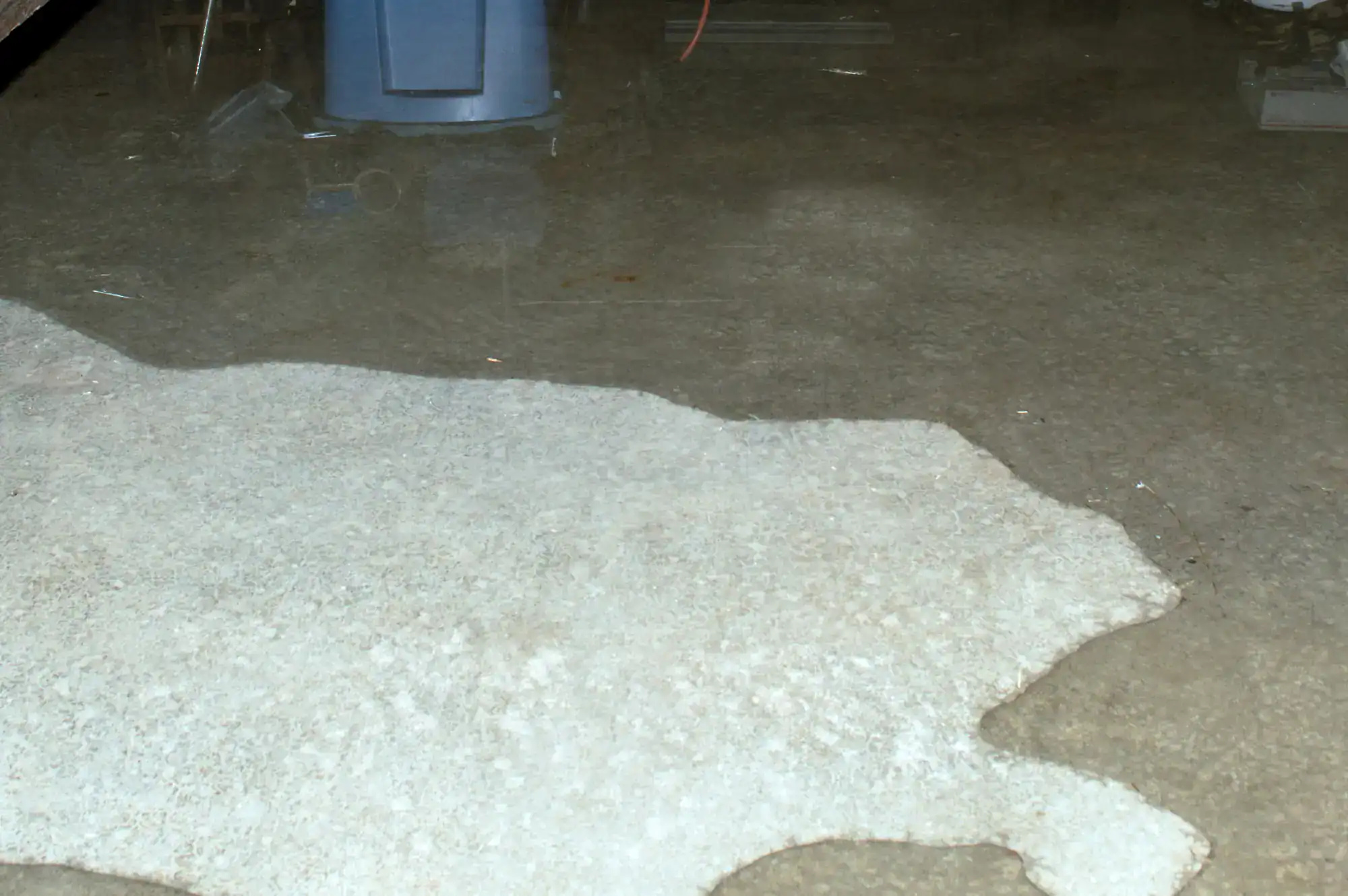
Long Beach isn’t like the rest of Nassau County. You’re on a barrier island with salt air coming off the Atlantic every single day, elevated humidity year-round, and a fire station that sees some of the highest call volume on the south shore. That combination is exactly what causes standard floor coatings to fail here faster than anywhere else moisture works its way under the coating, the surface delaminates, and within a couple of years you’re looking at a floor that’s peeling, cracking, and absorbing every chemical your trucks drag in from a response.
The right apparatus bay flooring in Long Beach doesn’t just look better it performs differently. A seamless, non-porous surface means diesel, hydraulic fluid, and road salt have nowhere to go except the mop. It means decontamination after a structure fire is actually possible, which matters for a department that takes NFPA contamination control seriously. And it means when a storm rolls through and the bay takes on water which Long Beach has seen before your floor cleans up and gets back to work instead of holding onto everything it absorbed.
After Sandy, Long Beach made a decision to stop patching things and start building things that last. Your apparatus bay floor should be part of that same standard. A properly installed polyaspartic system holds up through coastal winters, thermal cycling from hot tires on cold concrete, and the kind of daily punishment that would destroy a residential-grade coating in a season.
We’re based in Bohemia, NY a straight shot across Long Island from Long Beach and have been installing commercial and industrial floor systems for over 30 years. Our founder and CEO, Danny Harmer, brings over 40 years of hands-on installation experience. This isn’t a company that figured out epoxy flooring last year and started calling it commercial work. Our field supervisors alone bring a combined 40-plus years of experience, and most of our install crew has been with us for over a decade.
Our credentials are real and verifiable. We hold the Sherwin-Williams High Performance Flooring certification one of the most rigorous manufacturer-approved applicator credentials in the industry along with Res Tech certification. Every installer on site is OSHA 40 certified. We’ve installed floors at the White House kitchen, in Moscow, in the Bahamas, and across Long Island’s commercial and institutional landscape, including firehouse floors throughout Nassau and Suffolk counties. When you’re making a capital investment that needs to last 20 years in a coastal environment like Long Beach’s, that track record is what you’re actually buying.
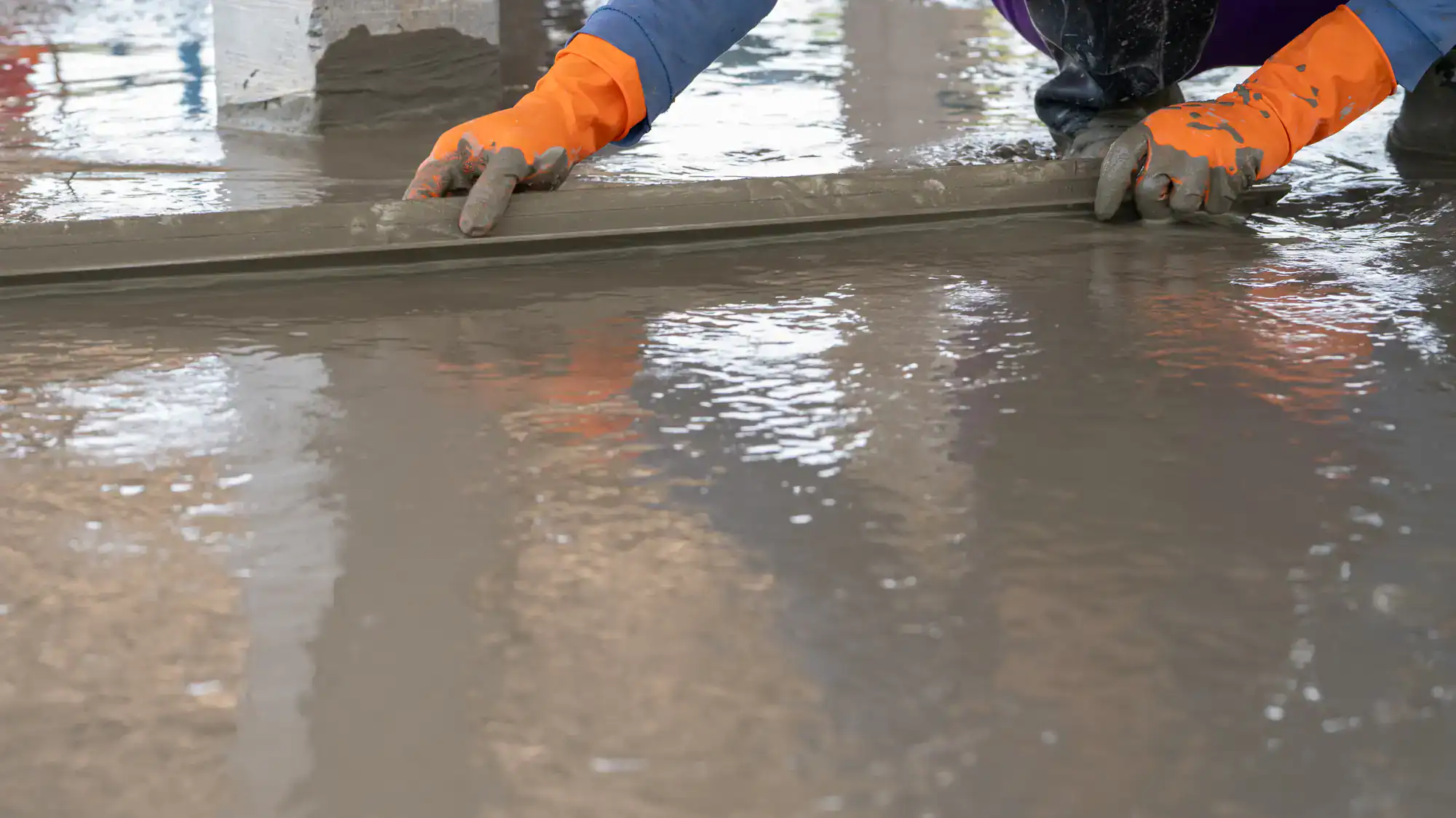
The most important part of any firehouse floor installation happens before any product touches the concrete. In Long Beach, that matters more than it does almost anywhere else on Long Island. The combination of salt air, ocean humidity, and the age of most fire station slabs on the island means moisture vapor emission is a real variable and a contractor who skips that test is setting up a floor that will fail from the inside out.
We start with diamond grinding the concrete surface. Not acid etching grinding. Acid etching introduces moisture into the slab right before you seal it, which is the opposite of what you want in a marine environment. Diamond grinding mechanically opens the concrete’s surface to create a true bonding profile, and it’s followed by moisture vapor emission testing to establish exactly what you’re working with before any primer goes down. From there, we apply a penetrating primer, followed by a high-build epoxy base coat with aggregate broadcast for compressive strength, and finish with a polyaspartic topcoat applied at 15 mils thick enough to handle 40,000-pound apparatus loads and thermally resistant enough that hot tires coming off a winter response don’t bond to the surface and peel it back on the next pull-out.
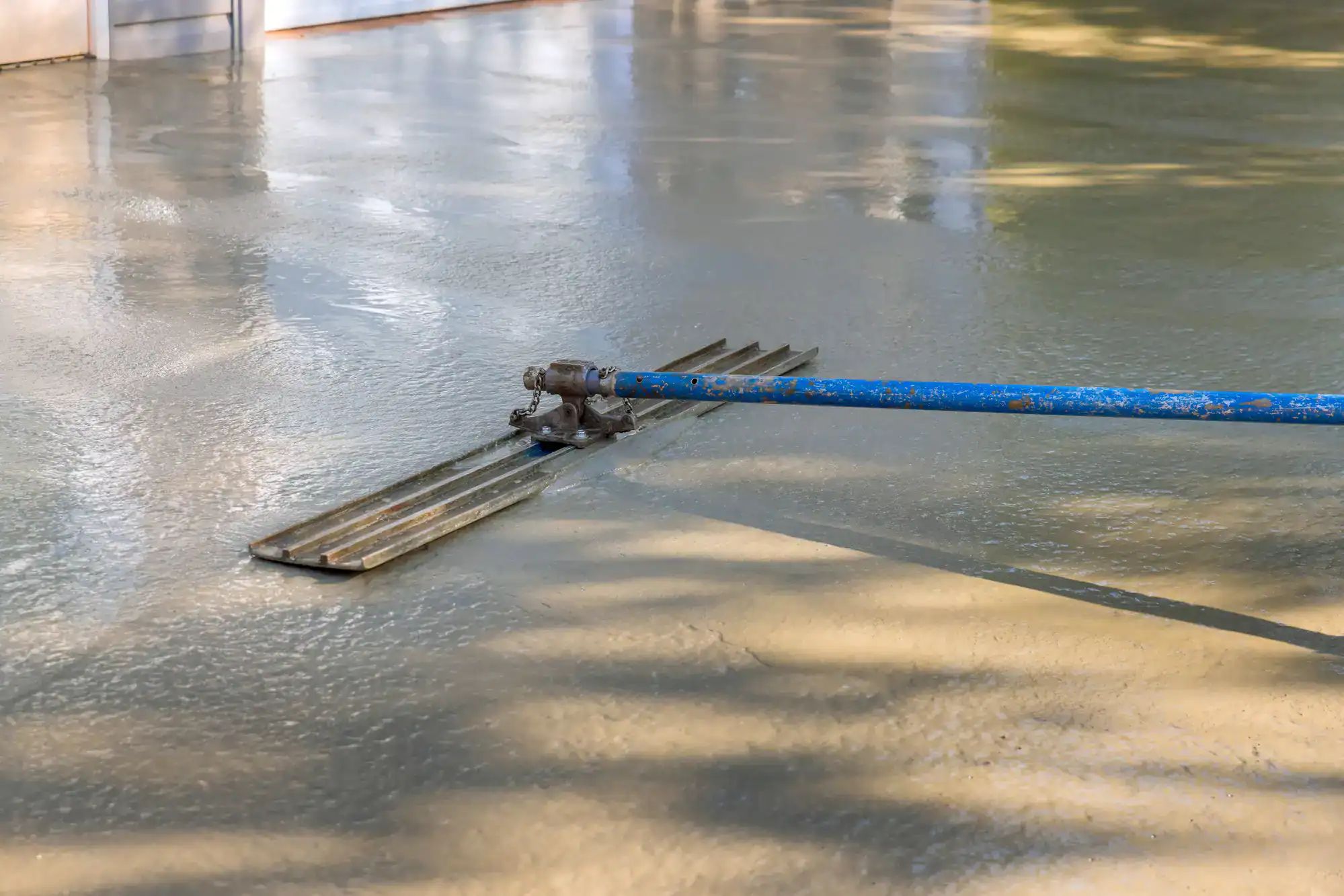
The entire system cures in 24 hours. That’s not a sales line it’s how polyaspartic chemistry works, and it’s the reason this system is the right choice for an active department like Long Beach’s. Apparatus out one night, floor down, trucks back in the bay the next morning. The station stays operational throughout.
Ready to get started?
The apparatus bay is the obvious starting point, but it’s not the only floor in a fire station that takes a beating. The Long Beach Fire Department operates a combined career and volunteer structure, runs active EMS alongside fire response, and serves the Atlantic Beach and East Atlantic Beach fire districts by contract which means the station is busy around the clock, and every area of that building needs to hold up accordingly.
In the apparatus bay, we build the system for compressive strength, chemical resistance, and thermal shock tolerance. The polyaspartic topcoat handles diesel, hydraulic fluid, road salt, and the freeze-thaw cycling that Long Beach’s coastal winters deliver every year. In the decontamination zone, we shift priorities to seamless, fully washable surfaces that support the contamination control protocols required under NFPA 1500 and 1585 a genuine firefighter health consideration for a department running this many calls. In crew living areas and kitchens, we change the system again to prioritize comfort, durability, and ease of maintenance for personnel who are in the station for extended shifts.
We handle all of it, with the right product matched to each space. Long Beach has a formal capital improvement process, and if you need documentation, product data sheets, or installation specs to support a budget approval through the City Council, that’s part of how we work. You get a system built for this station, in this environment, with the paperwork to back it up.
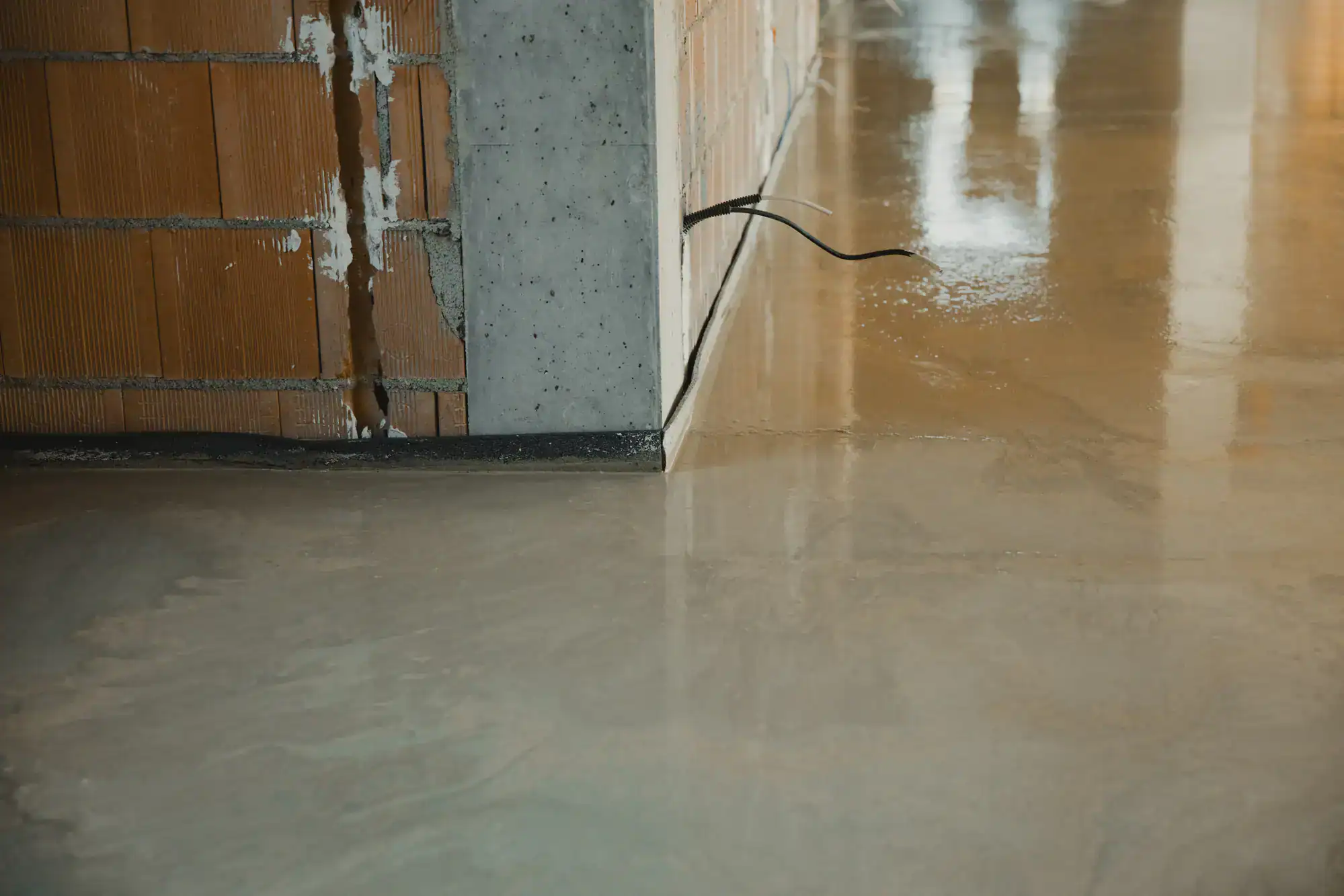
A properly installed polyaspartic system in a Long Beach fire station should last 15 to 20 years under normal apparatus bay conditions. The key word is properly because the coastal environment here is genuinely harder on floor coatings than it is in inland Nassau County towns. Salt air, elevated ambient humidity, and the thermal cycling from cold ocean air meeting warm apparatus are all variables that accelerate failure in systems that weren’t designed or installed with this environment in mind.
What makes the difference is the preparation process and the product system. Diamond grinding instead of acid etching, moisture vapor emission testing before primer application, and a polyaspartic topcoat applied at full thickness give you a floor that’s mechanically bonded to the slab and vapor-resistant from day one. Contractors who skip the moisture test or use thinner coatings to cut costs are the reason you see apparatus bay floors in coastal stations like Long Beach peeling within three years. The system we install is designed specifically for the conditions Long Beach presents not a generic commercial floor with a firehouse label on it.
Yes and this is one of the primary reasons polyaspartic systems are the right choice for an active department. The Long Beach Fire Department responds to nearly 5,000 calls annually, including fire response for the city and EMS runs that cover the city plus Atlantic Beach and East Atlantic Beach by contract. A floor system that requires three to seven days before apparatus can return to the bay isn’t a realistic option for a department running that call volume.
Polyaspartic topcoats cure in 24 hours. We typically complete installation overnight or over a single operational period apparatus moves out, the floor goes down, and trucks are back in the bay the following day. The prep work, including diamond grinding and moisture testing, is completed before the coating phase begins, so the actual cure window is as short as possible. For a department that can’t afford gaps in apparatus coverage, this timeline is what makes the project feasible rather than disruptive.
The two most common causes of apparatus bay floor failure are hot-tire pickup and moisture-driven delamination and Long Beach’s environment increases the risk of both. Hot-tire pickup happens when a standard thin epoxy coating bonds to warm tires on cooling, then peels away from the concrete when the truck pulls forward. It’s more pronounced in coastal stations because the thermal contrast between cold ocean air and heated apparatus tires is more extreme during winter responses.
Moisture-driven delamination is the bigger long-term risk in Long Beach specifically. The city’s position on a barrier island means the concrete in your apparatus bay is working against permanently elevated humidity and salt-air exposure. When coatings are applied without proper moisture testing, vapor pressure builds under the film and causes bubbling and delamination sometimes within the first year. The polyaspartic system we install addresses both failure modes: the topcoat is thermally resistant and four times more flexible than standard epoxy, which prevents hot-tire bonding, and the diamond-ground, moisture-tested substrate eliminates the vapor pressure problem before it starts.
Yes. NFPA 1500, 1581, and 1585 all have implications for fire station flooring, particularly around contamination control. NFPA 1581 addresses fire department infection control programs and facility requirements for managing contaminated PPE and equipment and the apparatus bay floor is directly in scope. A porous, cracked, or improperly sealed floor is a documented contamination risk: it harbors carcinogens from smoke and combustion byproducts that get tracked in from structure fire responses, making full decontamination difficult and creating chronic low-level exposure for personnel working in the bay.
For the Long Beach Fire Department, which runs a combined career and volunteer operation with high EMS call volume, this isn’t a theoretical concern. Seamless, non-porous resinous flooring that can be fully power-washed and chemically sanitized is the standard these regulations point toward. It’s also part of the broader occupational cancer prevention conversation that fire service leadership across Nassau County is actively engaged with. A floor that supports decontamination isn’t just a maintenance upgrade it’s a documented part of a firefighter health program.
Professional installation for a commercial firehouse floor system in Long Beach typically runs between $5 and $15 per square foot, depending on the size of the bay, the current condition of the concrete, and the specific system being installed. For a standard two-to-three apparatus bay, that usually puts the total project in the range of $8,000 to $25,000 or more for a full multi-layer polyaspartic system.
For a city with a formal capital improvement budget process like Long Beach, the more useful number is the total cost of ownership over time. A properly installed polyaspartic system lasts 15 to 20 years. A standard thin epoxy installed by a less experienced contractor in a coastal environment might last three to five years before it needs to be ground down and reinstalled which means paying for surface preparation and installation two or three more times within the same 20-year window. When you frame it that way for a City Council budget approval, the premium system is the fiscally responsible choice, not the expensive one.
Because it’s a real variable that changes how the job needs to be done, and most contractors don’t account for it. Long Island’s south shore and Long Beach in particular runs at consistently higher ambient humidity than inland Nassau County locations, and that affects both the surface preparation phase and the coating application window. Epoxy and polyaspartic systems have minimum and maximum temperature and humidity thresholds for proper application, and ignoring those thresholds is one of the most common reasons commercial floor coatings fail before they should.
In Long Beach, the marine atmosphere means moisture vapor emission from the concrete slab is a more significant variable than it would be in a town like Mineola or Garden City. Testing for it isn’t optional here it’s the step that determines whether the floor bonds correctly and holds up through the station’s first coastal winter. The fact that we call this out specifically in our process means we’ve done enough work in environments like Long Beach’s to know what happens when you skip it. That’s not a small thing when you’re making a 20-year infrastructure investment for a city that’s already learned the hard way what deferred maintenance costs.