
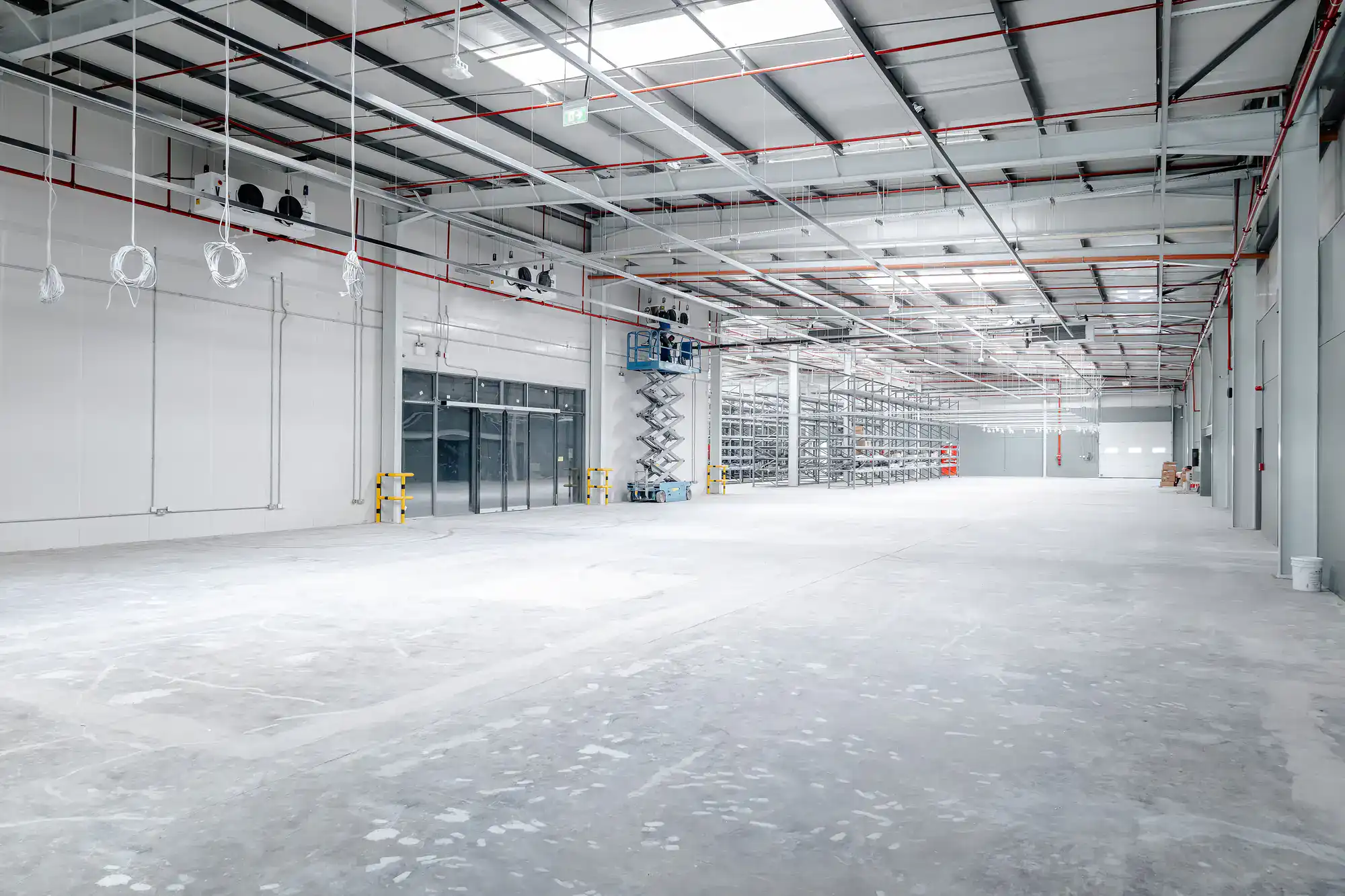
Most hangar floors in the Hicksville area and broader Nassau County fail for one of two reasons: the wrong product was used, or the concrete wasn’t properly prepped before anything went down. Either way, you end up with a floor that peels, stains, or becomes a liability and you’re back to square one faster than you expected.
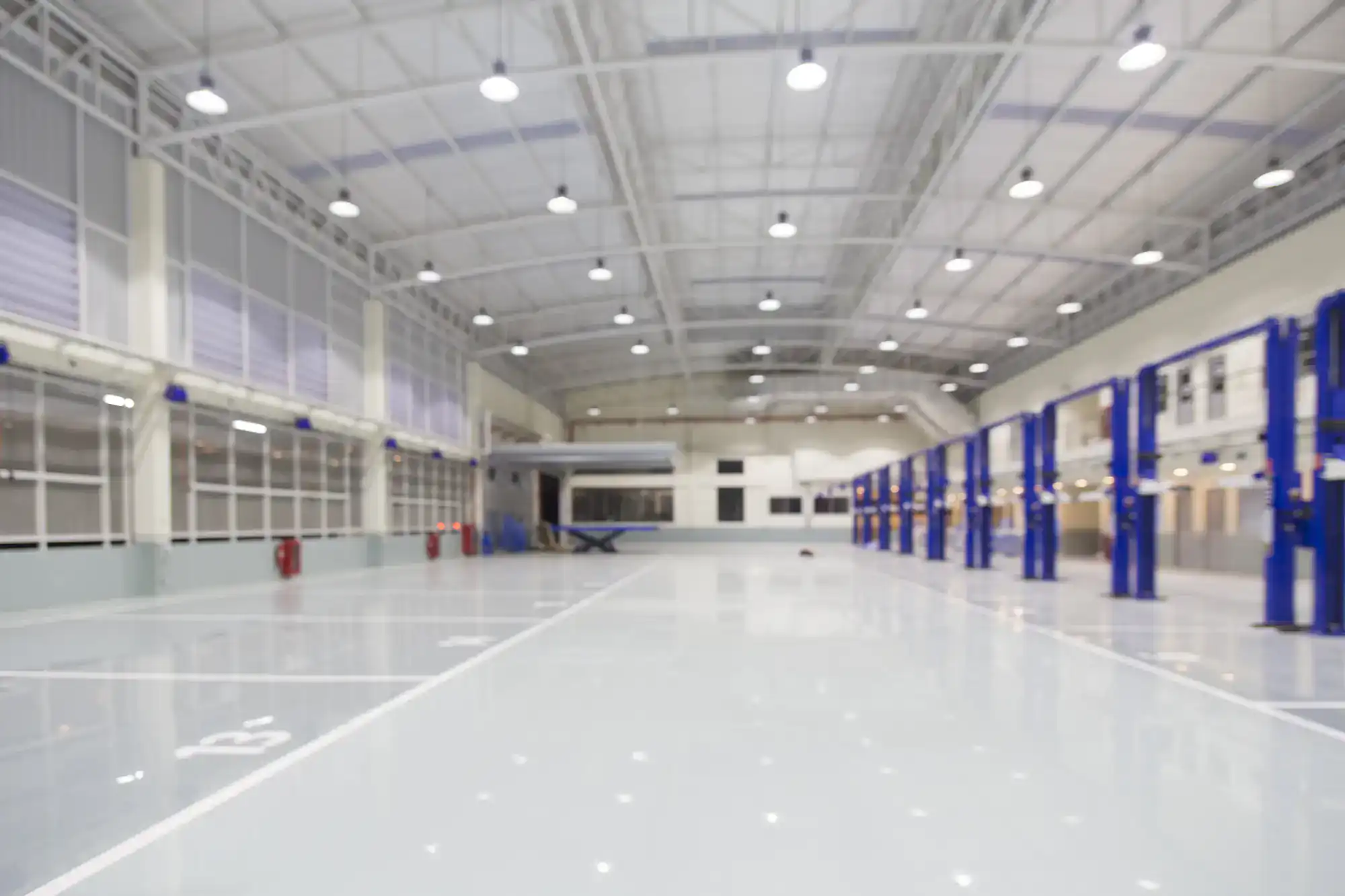
When the floor is installed correctly, the difference is immediate and practical. Fluid spills jet fuel, hydraulic fluid, Skydrol wipe up instead of soaking in and degrading the slab. The surface reflects overhead lighting, so dropped tools and debris show up before they become a foreign object problem. And the floor stops being something you worry about during inspections.
Long Island’s coastal humidity is one of the most overlooked factors in floor coating failures on large hangar slabs. The moisture vapor pushing up through concrete in a Hicksville hangar is not the same situation as a dry inland climate it requires a specific assessment before installation, not after. When that step is done right, the coating bonds the way it’s supposed to and stays that way for years, not months.
We’re based in Bohemia, NY Long Island, not a national call center. We’ve been installing floors for over 30 years, and our President Danny Harmer has been doing this work personally for over 40. That’s not a headline it’s the reason the process looks the way it does.
Our crew serving Hicksville and the broader Nassau County market carries OSHA 40 certifications across the board, holds dual certifications in Sherwin-Williams High Performance Flooring and Res Tech, and has installed floors in environments where failure wasn’t an option including the White House kitchen in 1996. Most of our installation team has been with us for over a decade, which means the person doing your floor has done this hundreds of times before.
For aviation facilities near Republic Airport and throughout the Oyster Bay area, that experience in Long Island’s specific conditions the humidity, the coastal air, the mid-century concrete matters more than it might somewhere else. We understand what a Hicksville hangar floor faces.
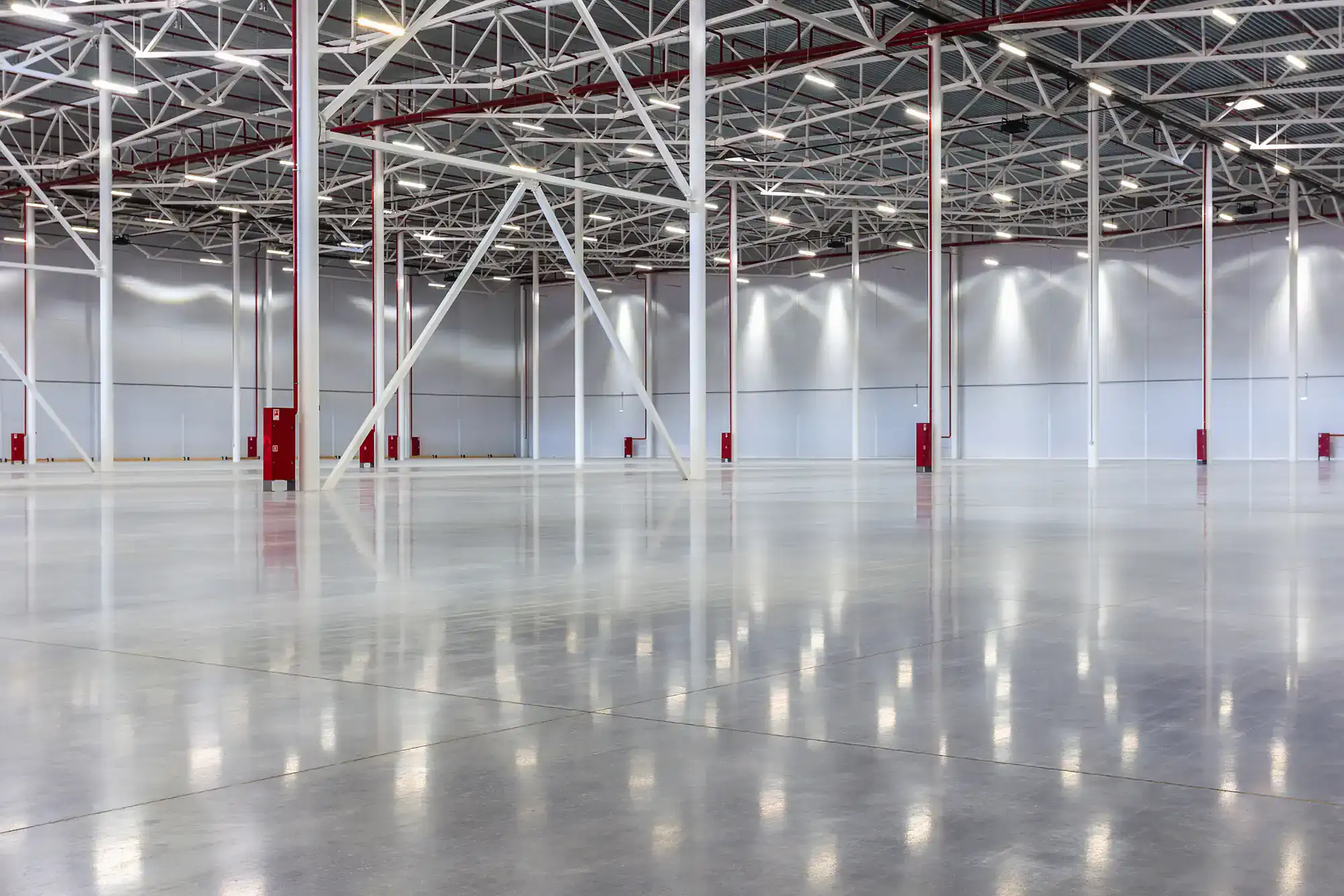
Before anything is applied, we assess the concrete. That means moisture testing first not as a formality, but because Long Island’s coastal humidity creates vapor transmission conditions in large hangar slabs that will cause a coating to fail if they’re not accounted for. This step determines which system goes down and how the primer is applied. Skipping it is the most common reason floors in the Hicksville area fail prematurely.
Once the slab is assessed, we mechanically grind the surface to open the concrete and create a real bond profile. This isn’t sanding it’s industrial diamond grinding that removes surface contaminants, old coatings, and anything else that would compromise adhesion. After grinding, the system goes down in sequence: primer, build coats, and a topcoat that meets NFSI non-slip requirements and is formulated to handle Skydrol, jet fuel, and the full range of aviation chemicals present in any working hangar near Republic Airport.
If you’re working with a polyaspartic system, you’re looking at roughly 24-hour return-to-service time which matters when you’re managing aircraft schedules or leasing hangar space to tenants. Epoxy systems require more cure time but offer different performance characteristics depending on your facility’s specific use. The right choice depends on your traffic load, chemical exposure, and how much downtime you can absorb. That conversation happens before any product is ordered.
Ready to get started?
Aircraft hangar floor coatings in Hicksville, NY have to meet NFPA 409 the standard that requires hangar floor surfaces in aircraft storage and servicing areas to be noncombustible. Most general flooring contractors in the Nassau County market don’t know this standard exists, let alone which products meet it. Every system we install in an aviation environment is specified with that requirement in mind.
Beyond code, the chemistry matters. Skydrol the phosphate ester hydraulic fluid used in most corporate and commercial aircraft is chemically aggressive enough to destroy unprotected concrete and eat through coatings that weren’t formulated for it. If your hangar near Republic Airport services aircraft, Skydrol resistance isn’t optional. The systems we install are built for that exposure, along with jet fuel, lubricants, and the industrial solvents used in regular maintenance operations.
For aviation facilities in the Hicksville area, the available systems include high-build epoxy and polyaspartic options, with NFSI-certified non-slip topcoats, safety line marking, and color options selected for maximum light reflectivity and FOD visibility. The minimum build thickness for full aviation-grade protection is 45 mils not the thin-coat systems that look fine on day one and start delaminating within a few years. What you get here is a floor that’s been specified for your actual environment, not a product that was convenient to apply.
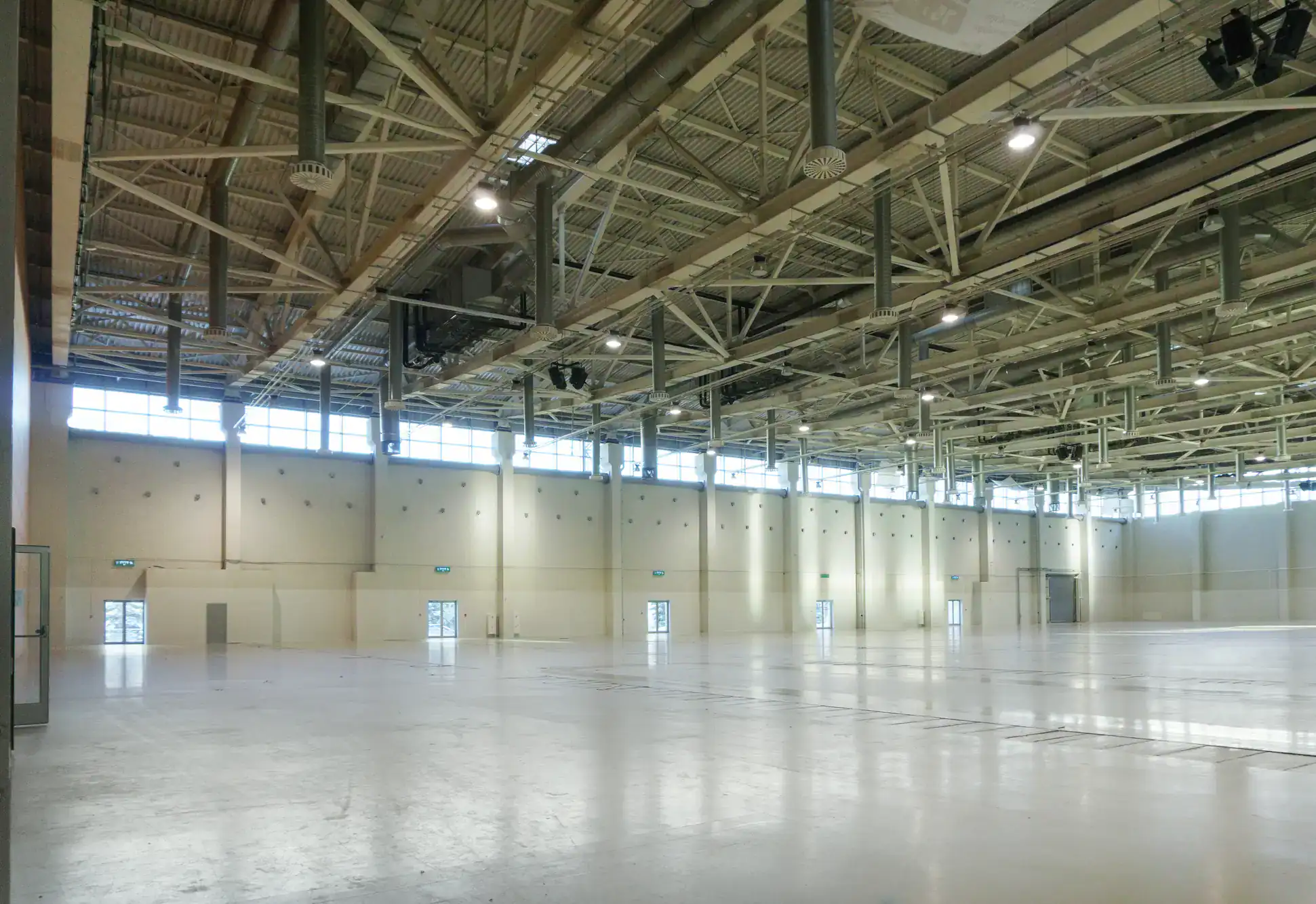
Yes and it’s one of the most important questions you can ask before hiring a contractor. NFPA 409 is the standard governing aircraft hangars, and it specifically requires that floor surfaces in aircraft storage and servicing areas be noncombustible. This isn’t a suggestion it’s a code requirement that applies to commercial and corporate hangars throughout Nassau County, including facilities at and around Republic Airport in Farmingdale.
The problem is that most general flooring contractors in the Hicksville area aren’t aware of this requirement and will apply standard epoxy products that don’t meet it. If a Nassau County Fire Marshal or your facility’s insurance carrier asks about code compliance, you need a specific, verifiable answer not a guess. Every system we install in an aviation environment is specified with NFPA 409 in mind, so that conversation is one you’re prepared for.
Skydrol is a phosphate ester hydraulic fluid used in most commercial and corporate aircraft. It’s chemically aggressive in a way that most people don’t expect it doesn’t just stain concrete, it actively degrades it, and it will break down coatings that weren’t specifically formulated to resist it. In any hangar near Republic Airport that services corporate jets or performs regular maintenance, Skydrol exposure is a routine reality, not an edge case.
If your floor coating isn’t Skydrol-resistant, you’ll see the damage start at the edges of spill zones softening, discoloration, and eventually adhesion failure. The fix at that point isn’t a patch; it’s a full grind and recoat. Aviation-grade systems are formulated to handle Skydrol along with jet fuel, hydraulic fluids, lubricants, and the industrial solvents used in maintenance operations. That’s the baseline for any working hangar in the Hicksville area, and it’s what we specify.
It depends heavily on two things: the system used and how well the concrete was prepared before installation. A properly installed polyaspartic system in an aviation environment mechanically ground slab, correct moisture assessment, full build thickness can realistically last 15 to 20 years under regular aircraft traffic and chemical exposure. A standard epoxy system installed correctly runs 10 to 15 years in similar conditions. Thin-coat or improperly prepped systems, regardless of what they’re called, often start showing failure within two to four years.
Long Island’s coastal humidity is a specific variable that affects longevity. Moisture vapor transmission through large hangar slabs in Nassau County is higher than in drier inland climates, and if that’s not accounted for before installation, even a good product will delaminate ahead of schedule. The moisture assessment step isn’t optional here it’s what separates a floor that lasts from one that becomes a recurring expense.
Both systems can work well in aviation environments the right choice depends on your specific situation. Polyaspartic systems cure significantly faster, typically allowing aircraft back into the hangar within about 24 hours. If you’re operating a busy flight department or leasing hangar space at Republic Airport, that downtime reduction has a real dollar value. Polyaspartic also handles UV exposure better if any part of your hangar floor sees direct sunlight through large door openings.
Epoxy systems generally offer a longer pot life during application, which can be an advantage on very large hangar slabs where working time matters. They also tend to be more cost-effective for high-build applications where you need significant thickness for chemical resistance. In practice, many aviation facilities near Hicksville use a hybrid approach epoxy for the base and build coats, polyaspartic for the topcoat to get the best of both systems. That’s a conversation worth having based on your hangar’s size, traffic, and chemical exposure before anything is specified.
With a polyaspartic system, most hangars can have aircraft back inside within approximately 24 hours of the final coat. That’s the realistic number for return-to-service not light foot traffic, but actual aircraft movement and operations. Full cure to maximum chemical resistance typically takes a few additional days, but the floor is functional well before that point.
Epoxy systems require more time typically 48 to 72 hours before you’re moving aircraft back in, depending on temperature and humidity conditions at the time of installation. In Nassau County, summer humidity can extend cure windows slightly, which is worth factoring into your scheduling. The best time to plan a hangar floor project in the Hicksville area is late spring or early fall, when temperatures and humidity are in the ideal range for both application and cure. If your facility can’t absorb even a short shutdown, polyaspartic is almost always the right call.
Concrete grinding is the step that determines whether the coating bonds or fails everything else is secondary. When a hangar slab is mechanically ground with industrial diamond tooling, it opens the surface profile of the concrete and removes anything that would prevent adhesion: surface contaminants, curing compounds from the original pour, oils, old coatings, and the thin layer of weak surface concrete that forms naturally over time. Without that profile, even a high-quality aviation-grade coating is essentially sitting on top of the slab rather than bonding to it.
In Hicksville and the surrounding Nassau County area, many hangars and commercial buildings were constructed during the postwar suburban expansion mid-century concrete slabs that have decades of use, contamination, and in some cases previous failed coatings. Grinding those surfaces properly takes more time and more passes than a newer slab, but it’s the only way to get a result that holds. Contractors who skip or rush this step are the reason so many facility managers in the Hicksville area have dealt with peeling floors and why the prep process here is non-negotiable, not a line item to negotiate down.