
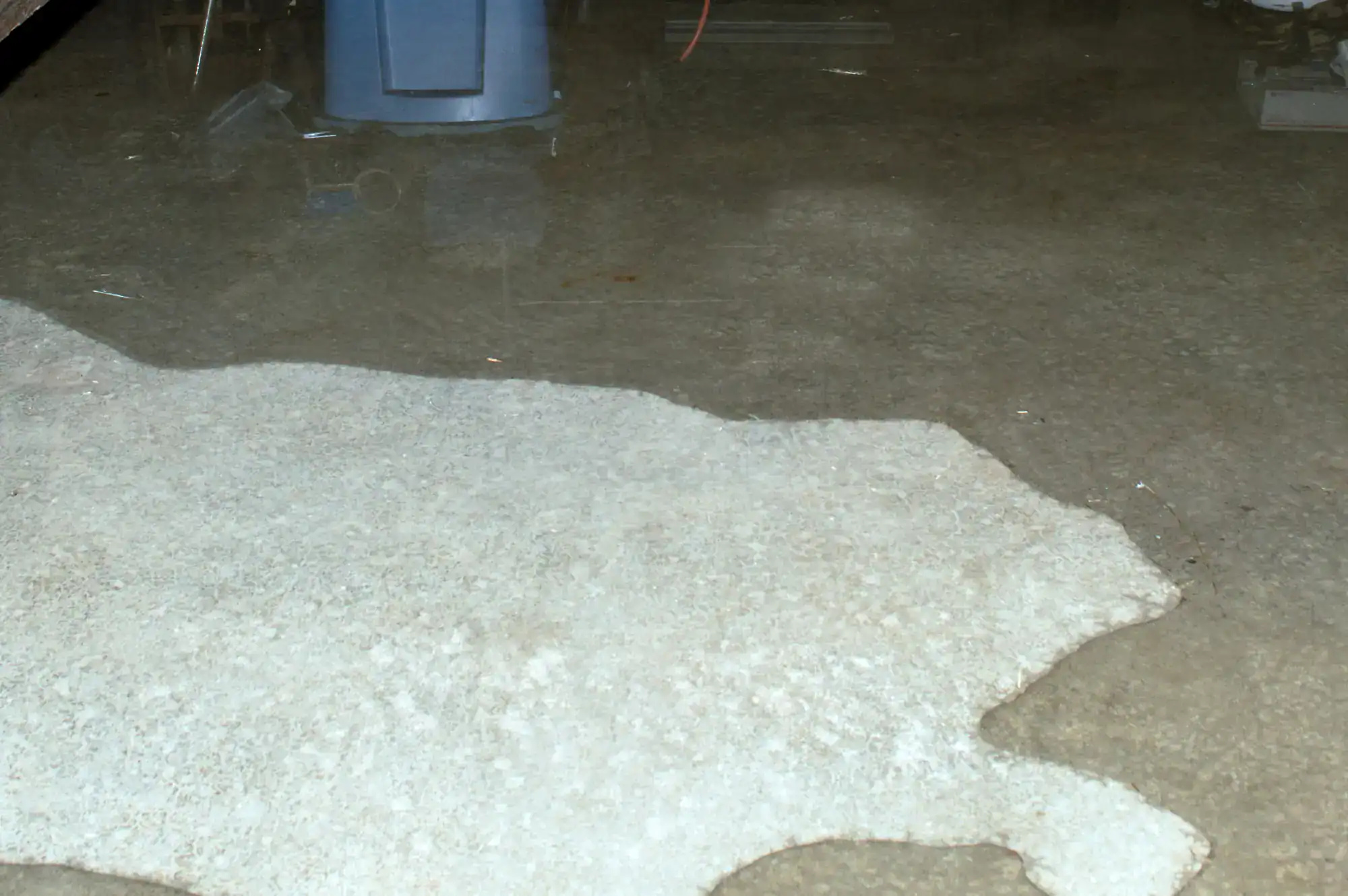
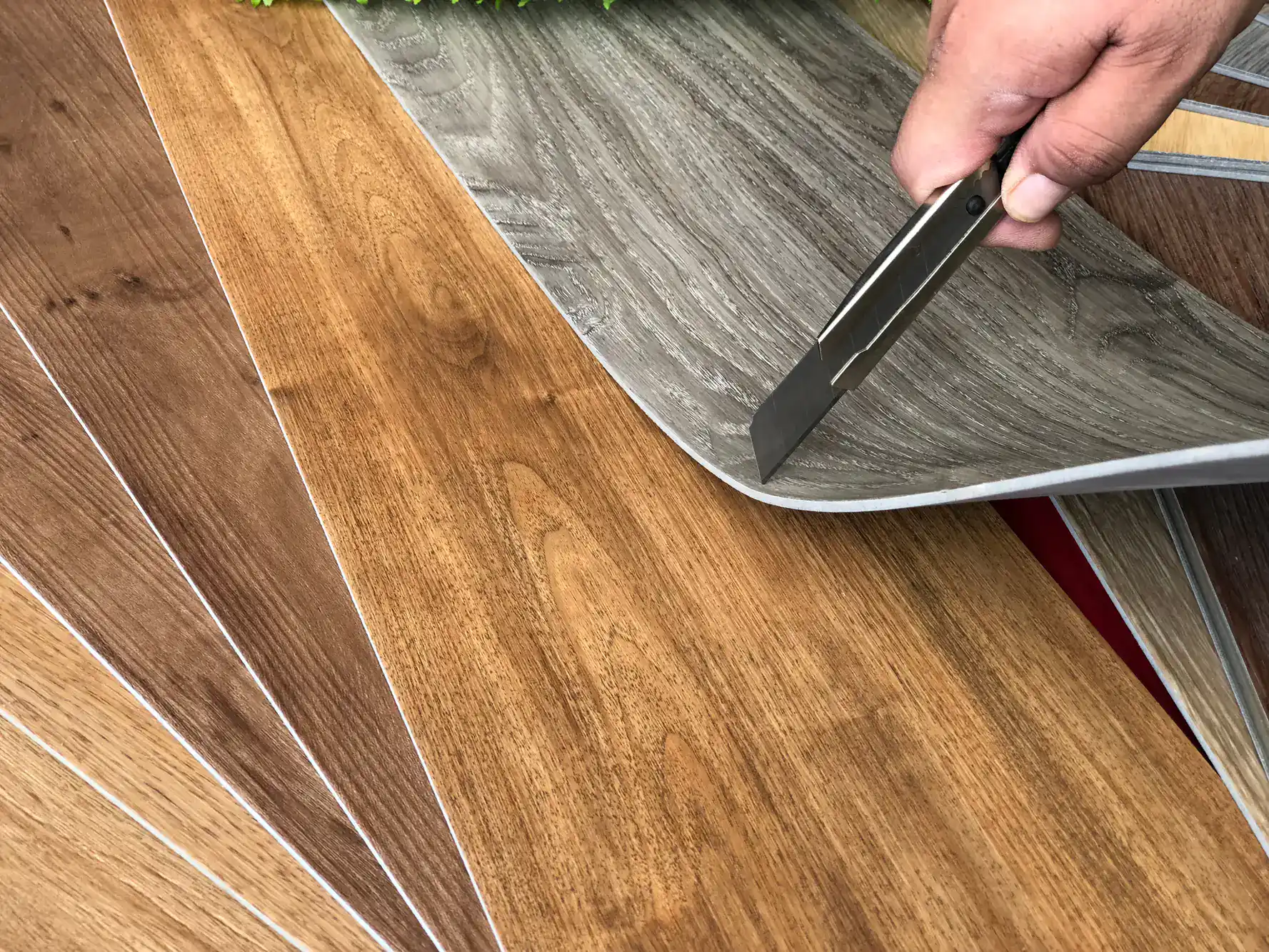
Every winter call your crew responds to on Long Island’s salted roads sends chlorides, brine, and road grime straight back into your apparatus bay. On bare or poorly sealed concrete, that contamination soaks in. It stains, it corrodes, it eats into the slab over time. A properly installed resinous floor system stops all of that at the surface spills sit on top, washdowns take minutes, and your bay stays clean and presentable year after year.
There’s also the matter of what sits right next door. Holbrook borders Long Island MacArthur Airport, which means your department may respond to aircraft incidents involving jet fuel, aviation hydraulic fluid, or fire suppression foam. Those are far more chemically aggressive than standard diesel or motor oil, and most floor coatings aren’t built to handle them. The polyaspartic systems we install are chemically resistant across a broad spectrum fuels, solvents, industrial fluids so the floor holds up regardless of what a call brings back through those bay doors.
And when temperatures swing from 1°F lows to 100-degree summers both recorded right here in central Suffolk County a rigid standard epoxy will crack and delaminate under that thermal stress. A flexible polyaspartic system moves with those temperature shifts instead of fighting them, which is exactly why our floors last 20 years instead of five.
We’re based in Bohemia directly adjacent to Holbrook and have been installing commercial and industrial floors across Nassau and Suffolk Counties for over 30 years. This isn’t a franchise operation or a general contractor who picked up epoxy as a side service. Our CEO Danny Harmer has more than 40 years of hands-on installation experience, and our field supervisors and crew have been with us for over a decade. The same people who show up on day one are the same people who finish the job.
We hold the Sherwin-Williams High Performance Flooring certification a manufacturer-level credential that requires formal training in concrete assessment, surface prep, and system application. Every installer on our crew is OSHA 40 certified, which matters when we’re working in an active fire station where your crew and apparatus are still present. We know central Suffolk County’s concrete, its humidity, its climate, and its fire service community. When you call us about the Holbrook FD’s apparatus bay, you’re talking to a neighbor who’s been doing this work in your backyard for decades.
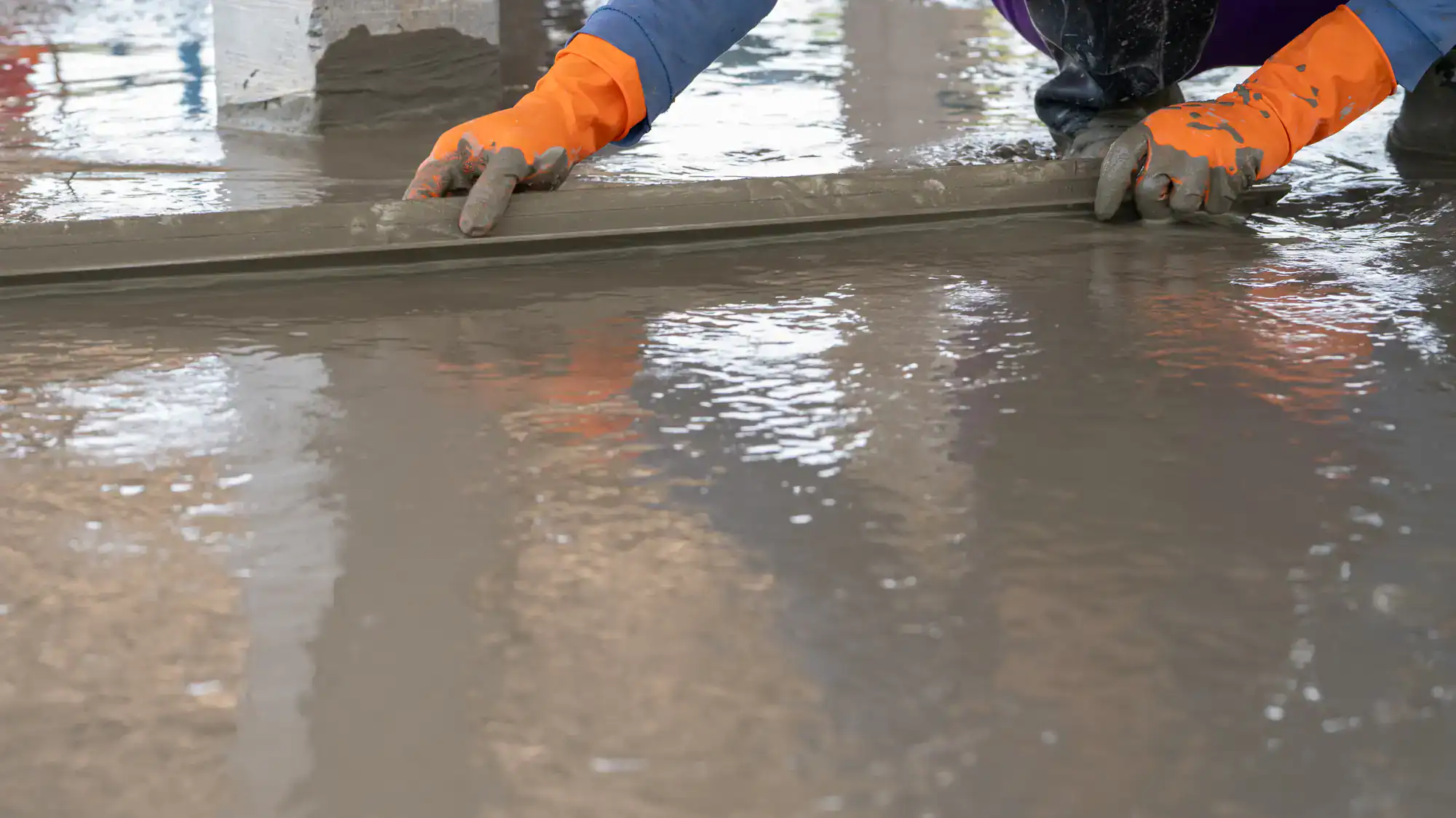
It starts with a site assessment. Before anything goes down, we test the concrete for moisture. This step matters more in central Suffolk County than most people realize the humidity levels here, influenced by proximity to Great South Bay and the Atlantic, create elevated moisture vapor transmission through concrete slabs. Moisture is the number-one reason epoxy bubbles and peels within a year or two of installation. We test first, every time, and we design the system around what the slab actually needs.
Once the assessment is complete, we diamond grind the surface. Not acid etch diamond grind. This creates the mechanical profile the coating needs to bond properly at a molecular level, and it removes any existing contamination, surface laitance, or previous coating remnants. Any cracks or damage in the slab get repaired before a single coat goes down. We’re not covering problems we’re fixing them first.
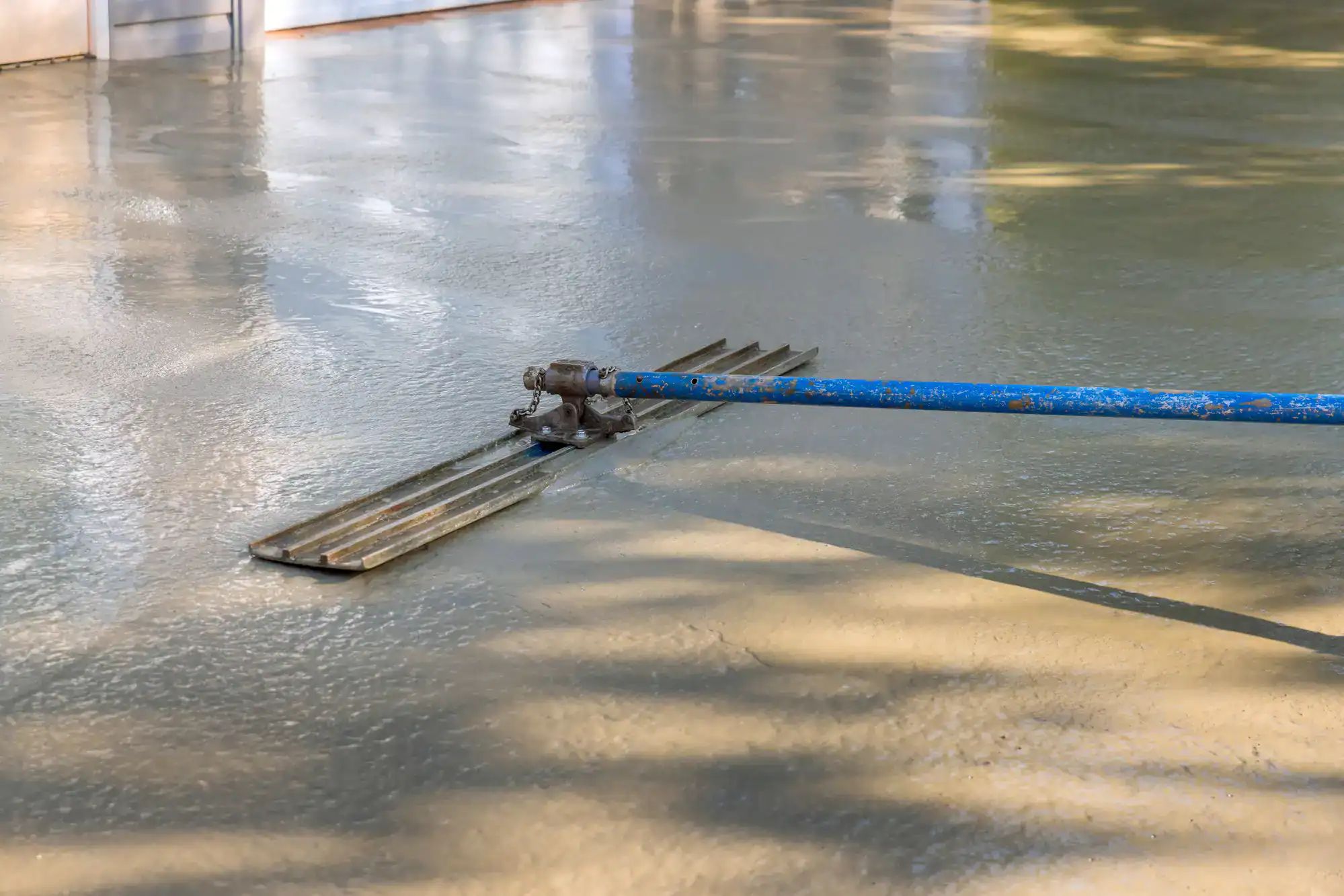
From there, we apply a multi-layer system: penetrating primer, high-build epoxy base with aggregate broadcast for slip resistance, and a polyaspartic topcoat. For firehouse applications, that topcoat is rapid-cure apparatus can return to the bay within 24 hours. For a three-station volunteer department like Holbrook’s with Headquarters on Terry Boulevard, a station on Church Street, and another on Patchogue-Holbrook Road that means each location can be done on a tight schedule without pulling apparatus out of service for days at a time.
Ready to get started?
The apparatus bay gets the most attention, but it’s not the only floor in the station that takes a beating. Decontamination zones, living quarters, kitchens, locker rooms each area has its own exposure profile and its own requirements. NFPA 1500 and NFPA 1585 require fire departments to maintain contamination control programs that protect firefighters from carcinogenic exposure after structure fire responses. A seamless, non-porous, power-washable floor isn’t just easier to maintain it’s a functional component of a compliant decon program. Porous or cracked surfaces harbor soot, particulates, and chemical residues that no mop will fully remove.
We install complete floor systems across every zone in the station, using one consistent system and one accountable crew from start to finish. For the apparatus bay, that means a heavy-duty polyaspartic system engineered for vehicles weighing 40,000 pounds or more, with chemical resistance, slip-resistant texture, and the 24-hour return-to-service timeline Holbrook’s volunteer department needs. For decon zones and living areas, we match the system to the specific exposure and use requirements of each space.
For fire district commissioners who need to bring this to a budget vote, the math is straightforward: a properly installed 20-year floor costs less over time than two or three cycles of a cheaper system that fails, gets ground out, and gets reinstalled at full price. We can walk you through the total cost-of-ownership comparison before you ever commit to anything.
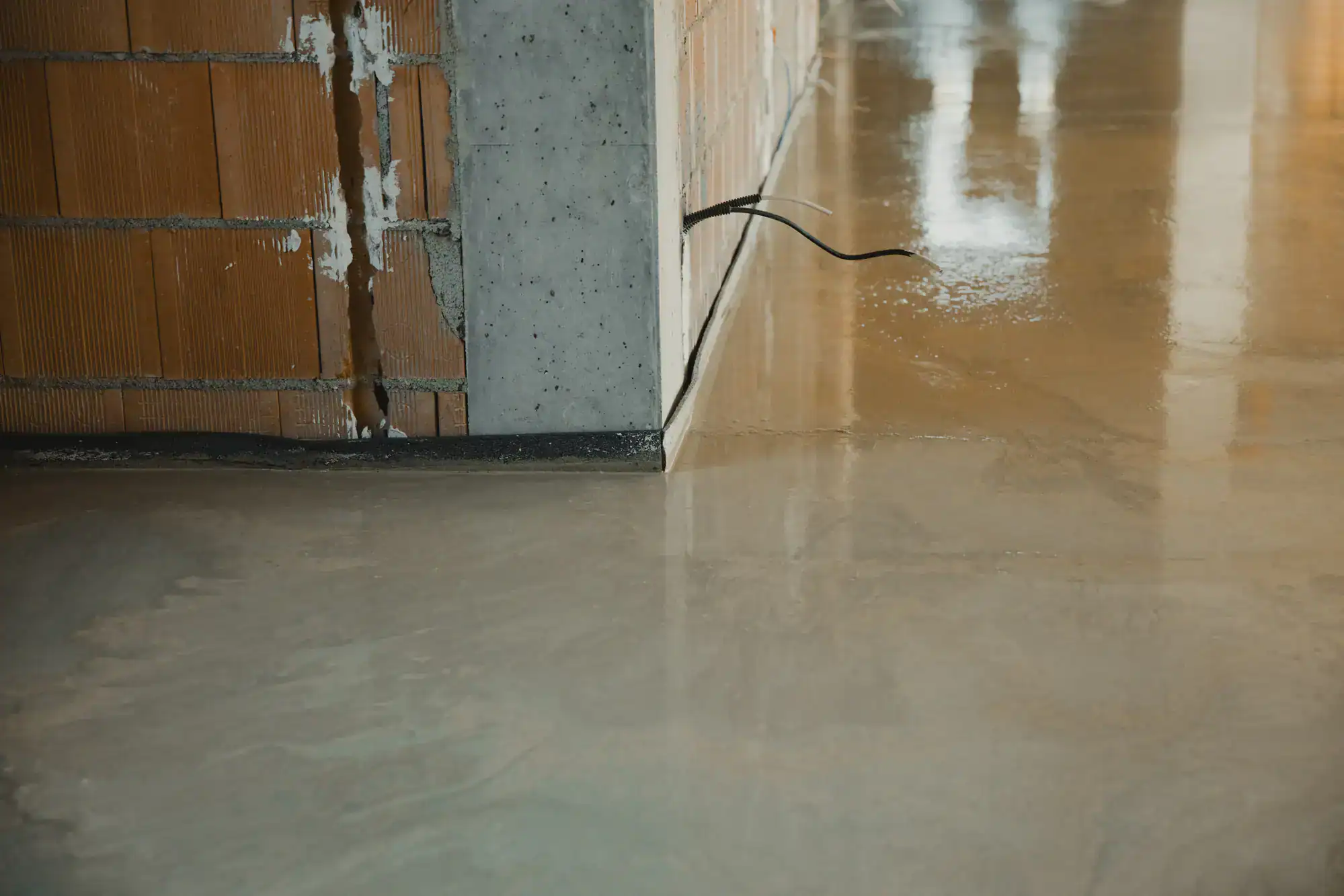
For a standard single apparatus bay, the installation itself typically runs one to two days. The bigger question for most departments is return-to-service time, and that’s where the system we use makes a real difference. Traditional epoxy requires three to seven days before vehicles can go back on the floor. The polyaspartic topcoat systems we install for firehouse applications cure fast enough for apparatus to return within 24 hours of the final coat.
For a volunteer department like Holbrook’s operating three stations with no career staff to relocate apparatus that timeline matters operationally, not just logistically. We schedule installations to minimize disruption, and we can sequence work across your Terry Boulevard headquarters and your other two stations so no single location is out of service at the same time. The goal is that your community never loses emergency coverage because of a floor project.
Almost always, it comes down to two things: inadequate surface preparation and skipped moisture testing. When a contractor acid-etches instead of diamond-grinding, they’re leaving behind a surface that looks ready but doesn’t have the mechanical profile needed for a proper bond. The coating adheres initially, but it doesn’t hold under load and temperature cycling and it fails.
Moisture is the other major factor. In central Suffolk County, concrete slabs have elevated moisture vapor transmission due to the region’s humidity and the water table characteristics of Long Island’s geology. When moisture pushes up through the slab and hits a coating that wasn’t designed or primed to handle it, you get delamination those bubbles and peeling sections that show up within a year or two. We moisture-test every slab before we touch it, and we design the primer and base coat system around what the concrete actually needs. That’s not an upsell it’s the reason our floors don’t fail.
NFPA doesn’t mandate a specific product, but it does set performance requirements that your floor needs to support. NFPA 1500 and NFPA 1585 govern contamination control programs for fire departments, and they require that apparatus bays and decon zones be maintained in a way that prevents the spread of carcinogenic contaminants the soot, particulates, and chemical residues that come back on apparatus and gear after a structure fire response.
A seamless, non-porous resinous floor is the practical way to meet those requirements. Bare concrete and cracked or porous coatings have surface irregularities that trap contaminants and can’t be fully decontaminated with standard cleaning. A properly installed polyaspartic system gives you a surface that power-washes clean after every call. For Suffolk County volunteer departments that are increasingly subject to compliance reviews and occupational health scrutiny, having the right floor isn’t just about appearance it’s documentation that your facility supports your department’s health and safety program.
Yes and this is one of the most important distinctions between a commercial firehouse floor system and what you’d find at a big-box flooring retailer or a residential epoxy company. Consumer-grade epoxy products are designed for passenger cars and light trucks. They’re not engineered for the compressive loads, point-load stress, and repeated thermal cycling that come with fire apparatus rolling in and out of a bay multiple times a day.
The multi-layer system we install diamond-ground concrete, penetrating primer, high-build epoxy base with aggregate, and polyaspartic topcoat is designed for heavy commercial and industrial load profiles. Aerial trucks, heavy pumpers, and rescue units that weigh 40,000 pounds or more are well within the design parameters of the system. The aggregate broadcast in the base coat also provides the slip resistance your crew needs when the bay floor is wet from a washdown or from apparatus returning in rain which, on Long Island, is a regular occurrence.
Road salt and the brine solutions now used heavily on Long Island highways including the roads around Holbrook contains chlorides that are aggressive concrete attackers. Every time apparatus returns from a winter call, it tracks chlorides directly onto the bay floor. On bare or poorly sealed concrete, those chlorides penetrate the slab, accelerate corrosion of embedded rebar, and contribute to long-term structural deterioration of the concrete itself.
A sealed resinous floor system stops chloride penetration at the surface. The contaminants sit on top of the coating rather than soaking into the slab, which means a post-call washdown actually removes them instead of just spreading them around. Over a 20-year floor lifespan, that protection adds up not just in floor condition, but in the condition of the concrete substrate underneath. Replacing a deteriorated concrete slab is an entirely different cost category than maintaining a properly coated one.
The honest answer is that it depends on the size of the bays, the current condition of the concrete, and how many zones in the station are being addressed. A single apparatus bay in a Holbrook or Suffolk County fire station typically runs in the range of several thousand dollars for a properly installed commercial-grade system the exact number comes after we assess the slab, measure the space, and understand what prep work is required.
What we can tell you is how to frame it for a fire district budget conversation. A properly installed polyaspartic system lasts 20 or more years. A cheaper system that fails in three to five years gets ground out and reinstalled at full cost sometimes more than once in that same 20-year window. When you run the math on total cost of ownership, the right floor is almost always the more economical choice for a publicly funded department. We’re happy to walk through that comparison with you before you bring anything to your fire district board, so you go into that conversation with real numbers and a clear case.