
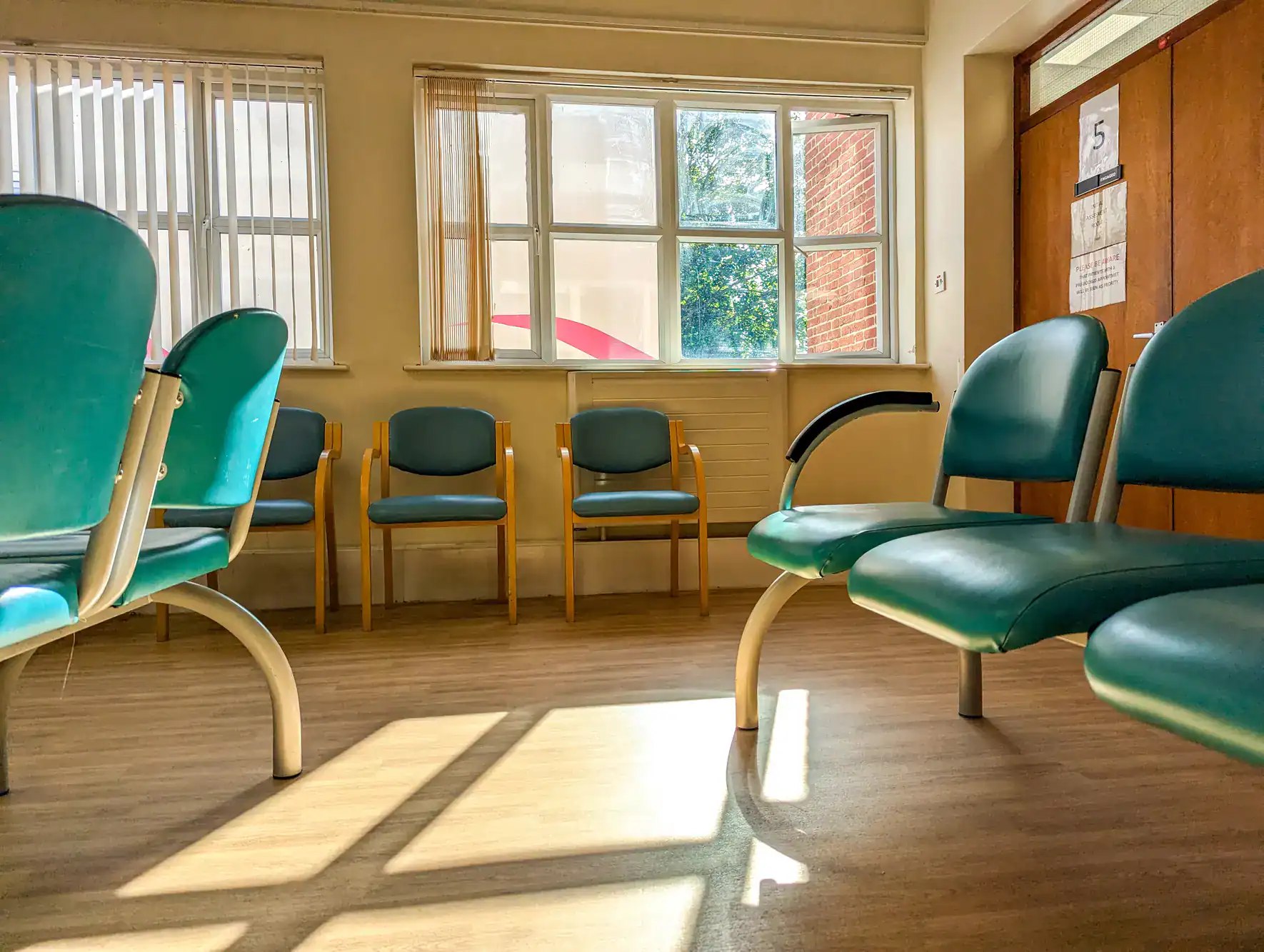

You’re not just looking for flooring. You need a surface that passes inspections, protects patients, and holds up under constant disinfection without breaking down.
That means seamless medical-grade epoxy in Holbrook, NY that eliminates grout lines where bacteria hide. It means antimicrobial protection built into the resin itself, not just sprayed on top. And it means a surface smooth and non-porous enough to meet FDA surface characteristic requirements—easily cleanable, durable, and completely nonabsorbent.
When your floors meet USDA/FDA standards, you avoid Form 483 observations during inspections. When they’re truly seamless, your infection control protocols actually work. When they resist hospital-grade disinfectants without degrading, you’re not replacing floors every few years.
That’s what healthcare flooring in Holbrook, NY should do. Not just look clean—actually support the sterile environment your facility requires.
We’ve been serving Suffolk County healthcare facilities with flooring systems that meet the strictest compliance standards. Our installers are OSHA 40 certified, and most of our team has over a decade of experience with medical-grade flooring installations.
We’re not a general contractor trying to figure out healthcare requirements on your dime. We know what USDA/FDA inspectors look for. We understand why seamless matters in sterile environments. And we’ve worked with hospitals, clinics, and medical practices throughout Holbrook, NY and surrounding communities like Ronkonkoma, Patchogue, and Sayville.
You’re dealing with facilities that operate around the clock. We schedule installations during off-hours when needed, and we work fast without cutting corners on prep work or curing time.
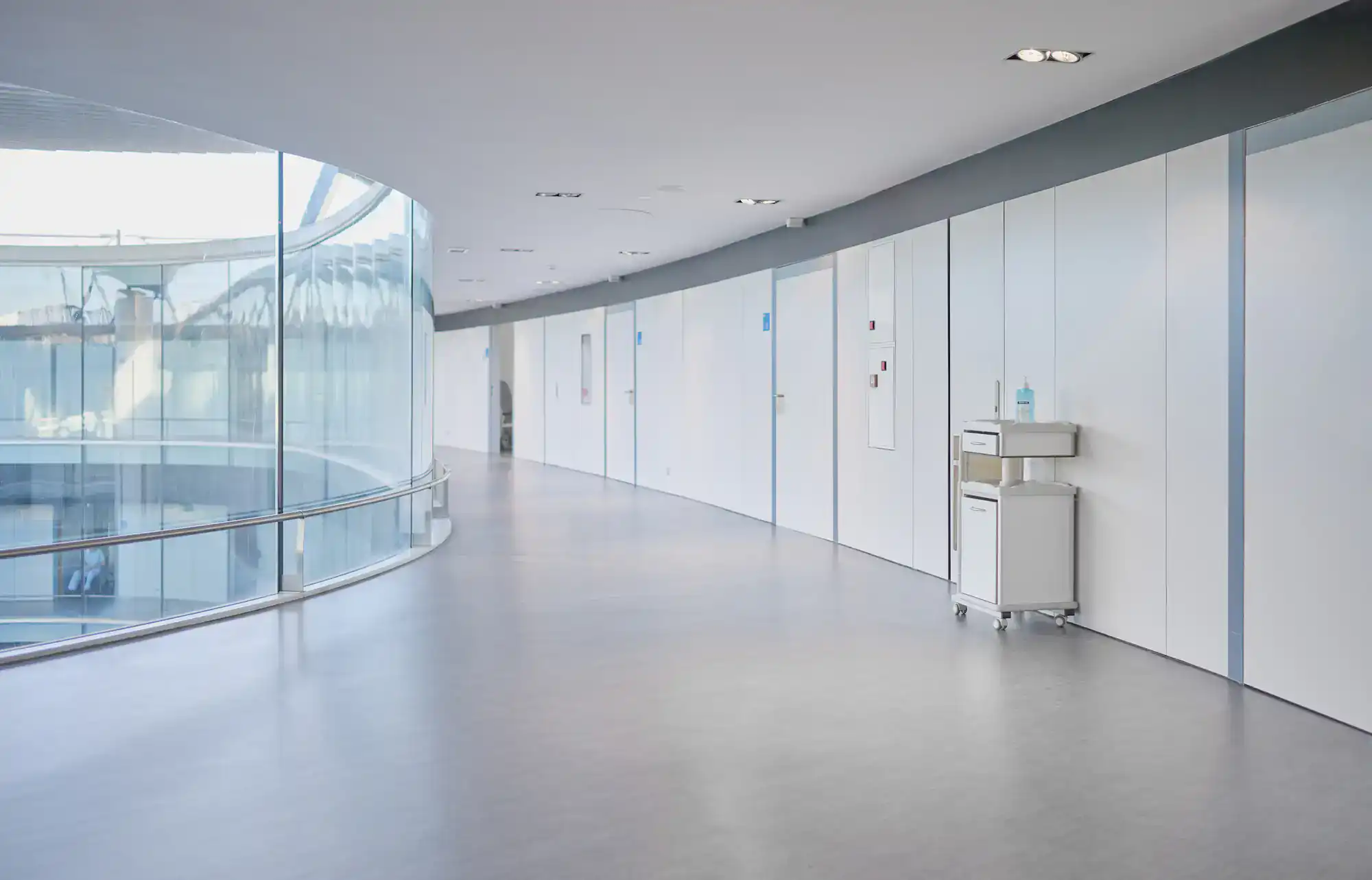
First, we test your concrete for moisture. If the slab isn’t properly prepared, no coating system will hold up—especially under the chemical exposure healthcare floors face daily.
Next, we prep the surface. That means grinding, patching cracks, and creating the profile needed for proper adhesion. We don’t skip this step, even when schedules are tight.
Then we apply the seamless epoxy system with antimicrobial additives blended directly into the base resin. This isn’t a topical treatment that wears off. The antimicrobial protection is permanent and works 24/7 to inhibit bacterial growth.
We finish with a topcoat that’s chemical-resistant and easy to clean. The result is a 100% seamless surface with no joints, no grout lines, and no places for contaminants to hide. Low-VOC healthcare coatings in Holbrook, NY mean better air quality during and after installation—critical when you’re working in occupied medical spaces.
Curing time depends on the system, but we’ll give you a realistic timeline upfront. No surprises.

Ready to get started?
You get flooring that meets USDA and FDA compliance requirements for surface characteristics—smooth, durable, easily cleanable, and nonabsorbent. That’s not marketing language. Those are the actual regulatory standards your facility needs to meet.
You get a 100% seamless surface. No seams means no hiding spots for bacteria, viruses, or contaminants. It also means easier cleaning—just detergent and water, no scrubbing grout lines.
You get chemical resistance that holds up to quaternary ammonium compounds, bleach solutions, and other hospital-grade disinfectants. The surface won’t degrade, discolor, or absorb chemicals over time.
Suffolk County has 149 hospitals and clinics, including major facilities like Stony Brook University Hospital and Good Samaritan Hospital Medical Center. Infection control standards keep getting stricter. In 2026, healthcare facilities are investing heavily in antimicrobial materials and easy-clean surfaces because healthcare-associated infections remain a serious challenge.
Your flooring should support those efforts, not work against them. Sterile room floor coatings in Holbrook, NY need to perform under real-world conditions—high traffic, frequent cleaning, and constant scrutiny during inspections.
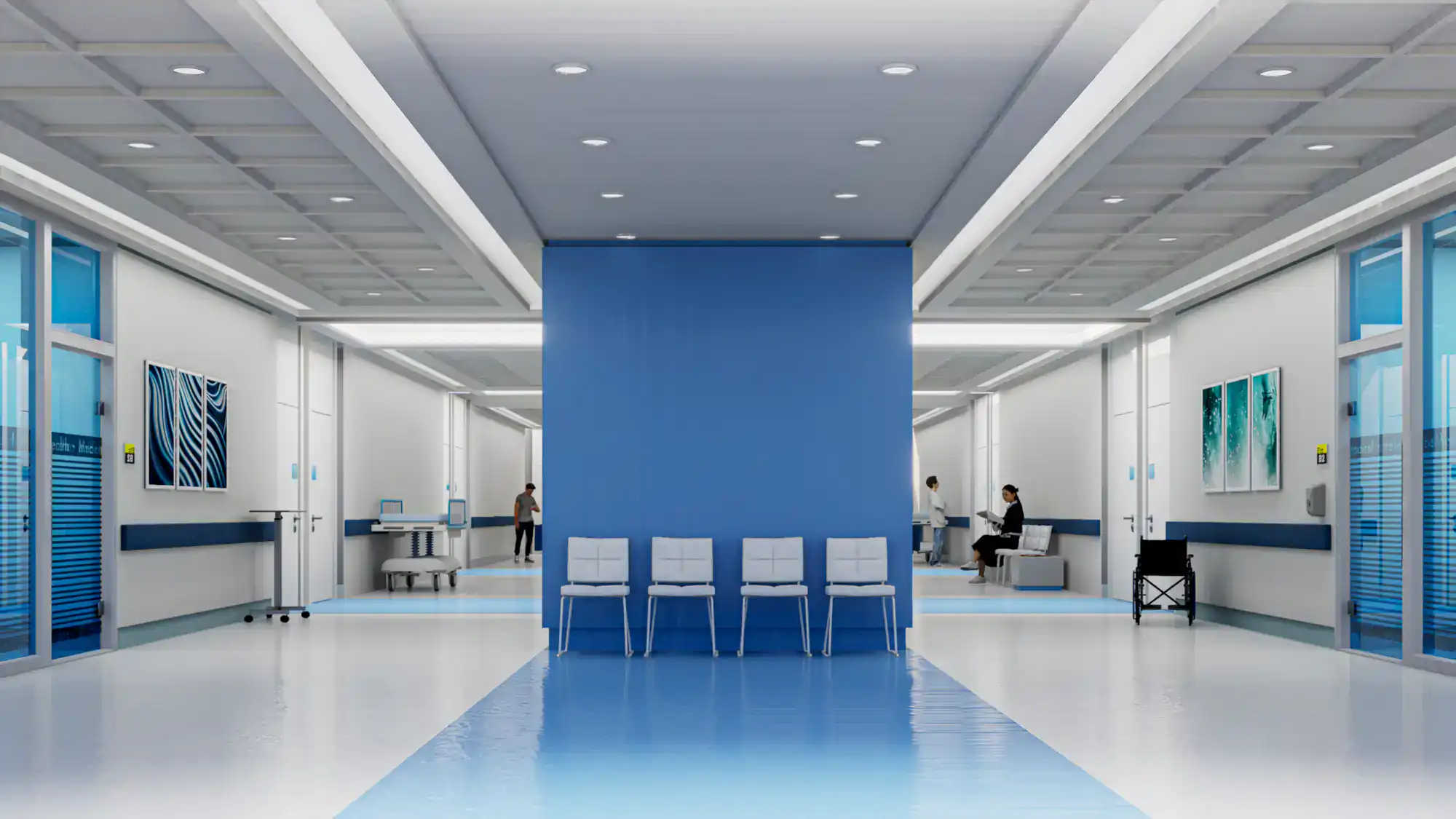
The antimicrobial coating is blended directly into the base resin, not applied as a surface treatment. That means it’s permanent and can’t wear off over time.
It works by inhibiting the growth of bacteria that cause product degradation, discoloration, and odors. This is crucial because hospital floors have been identified as an overlooked source of healthcare-associated infections—a 2017 study in the American Journal of Infection Control confirmed this.
But here’s what matters most: antimicrobial flooring doesn’t replace your cleaning protocols. It supports them. The seamless, non-porous surface makes it nearly impossible for bacteria to harbor in cracks or grout lines, and the antimicrobial properties provide an extra layer of protection between cleanings. That 24/7 protection is especially important in high-touch areas like patient rooms, ICUs, and surgical suites where cross-contamination risk is highest.
USDA and FDA compliant flooring meets specific surface characteristic requirements: it must be smooth, durable, easily cleanable, and nonabsorbent. These aren’t suggestions—they’re regulatory standards enforced during inspections.
A failed floor can trigger a Form 483 observation, a warning letter, or in severe cases, a forced shutdown. That’s not theoretical. Inspection agencies like IFS, FSSC 22000, BRC, and FSIS all evaluate flooring as part of their compliance reviews.
The reason these standards exist is simple: porous or damaged floors can harbor bacteria, absorb contaminants, and compromise sterile environments. In healthcare and food-grade facilities, your floor is part of your infection control system. If it doesn’t meet FDA surface requirements, you’re not just risking a citation—you’re risking patient safety and operational continuity. Seamless resinous flooring systems meet these standards because they’re impermeable, impact-resistant, and designed specifically for environments where contamination control is non-negotiable.
Installation time depends on square footage, substrate condition, and the specific system you need. A typical patient room might take 1-2 days. Larger areas like hallways or surgical suites take longer.
We schedule around your operations. Many healthcare facilities in Holbrook, NY operate 24/7, so we often work nights and weekends to minimize disruption. We’ll also section off areas when possible so you don’t have to shut down entire wings.
Curing time matters too. Low-VOC healthcare coatings in Holbrook, NY cure faster and produce minimal odor, which is critical in occupied medical spaces. Depending on the system, you might have light foot traffic within 24 hours and full use within 48-72 hours. We’ll give you exact timelines during the estimate so you can plan accordingly. The key is proper surface prep and allowing adequate cure time—rushing either one leads to premature failure, which costs you more in the long run.
Yes, but only if it’s designed for that level of chemical exposure. Healthcare facilities use quaternary ammonium compounds, bleach solutions, and other aggressive disinfectants multiple times per day.
Standard epoxy systems can break down under that kind of chemical assault. They’ll yellow, crack, or lose their surface integrity. Medical-grade epoxy flooring in Holbrook, NY is formulated specifically to resist these chemicals without degrading.
The smooth, non-porous surface also makes cleaning more effective. Dirt and grime sit on top instead of soaking in, so you’re actually removing contaminants instead of just spreading them around. That saves time and reduces the amount of cleaning solution you need. Hospital facility managers deal with enough challenges—slip resistance, noise reduction, staff fatigue, VOC emissions. Your flooring shouldn’t add to that list by requiring special maintenance or frequent replacement.
Tile and vinyl have seams, grout lines, and joints. Those are perfect hiding spots for bacteria, viruses, and contaminants. Even with rigorous cleaning, you can’t fully eliminate what’s growing in those crevices.
Seamless medical-grade epoxy in Holbrook, NY eliminates that problem entirely. The surface is 100% continuous—no gaps, no seams, no grout lines. That makes it significantly easier to maintain true sterile conditions.
There’s also durability to consider. Tile can crack under impact. Vinyl can tear or lift at the seams. Seamless resinous flooring is impact-resistant and bonded directly to the concrete substrate, so it holds up better under the heavy equipment, gurneys, and constant foot traffic that healthcare facilities deal with daily. The vinyl flooring market is growing—projected to reach over $63 billion by 2035—but for infection control and long-term performance in medical environments, seamless systems are still the gold standard.
Look for visible damage first: cracks, chips, or areas where the coating has worn through to bare concrete. Any of those create contamination risks and compliance issues.
Check your grout lines if you have tile. If they’re discolored, crumbling, or impossible to clean, bacteria is already growing there. That’s a failed infection control barrier.
Pay attention to how your floors respond to cleaning. If disinfectants are causing discoloration, bubbling, or surface degradation, your current flooring isn’t chemically resistant enough for healthcare use.
Also consider your inspection history. If you’ve received observations about flooring conditions during USDA or FDA inspections, that’s a clear signal. Don’t wait for a warning letter or shutdown order. We can assess your current system and tell you whether repair or full replacement makes more sense. Sometimes a failing floor can be recoated. Other times, the substrate damage is too severe and you need to start over. Either way, you need an honest assessment from someone who understands healthcare compliance requirements.