
Every time a Central Islip apparatus responds to a call in the middle of winter and rolls back into the bay, that floor takes a hit. Cold air rushes in off Carleton Avenue, the slab contracts, and any coating that wasn’t built for that kind of thermal stress starts to crack. That’s not a worst-case scenario that’s a Tuesday in January on Long Island.
The right apparatus bay flooring in Central Islip, NY stops that cycle. A properly installed polyaspartic system is four times more flexible than standard epoxy, which means it absorbs the thermal cycling without cracking or lifting. Road salt, de-icing chemicals, hydraulic fluid, diesel they sit on the surface and wipe clean instead of soaking into the concrete underneath.
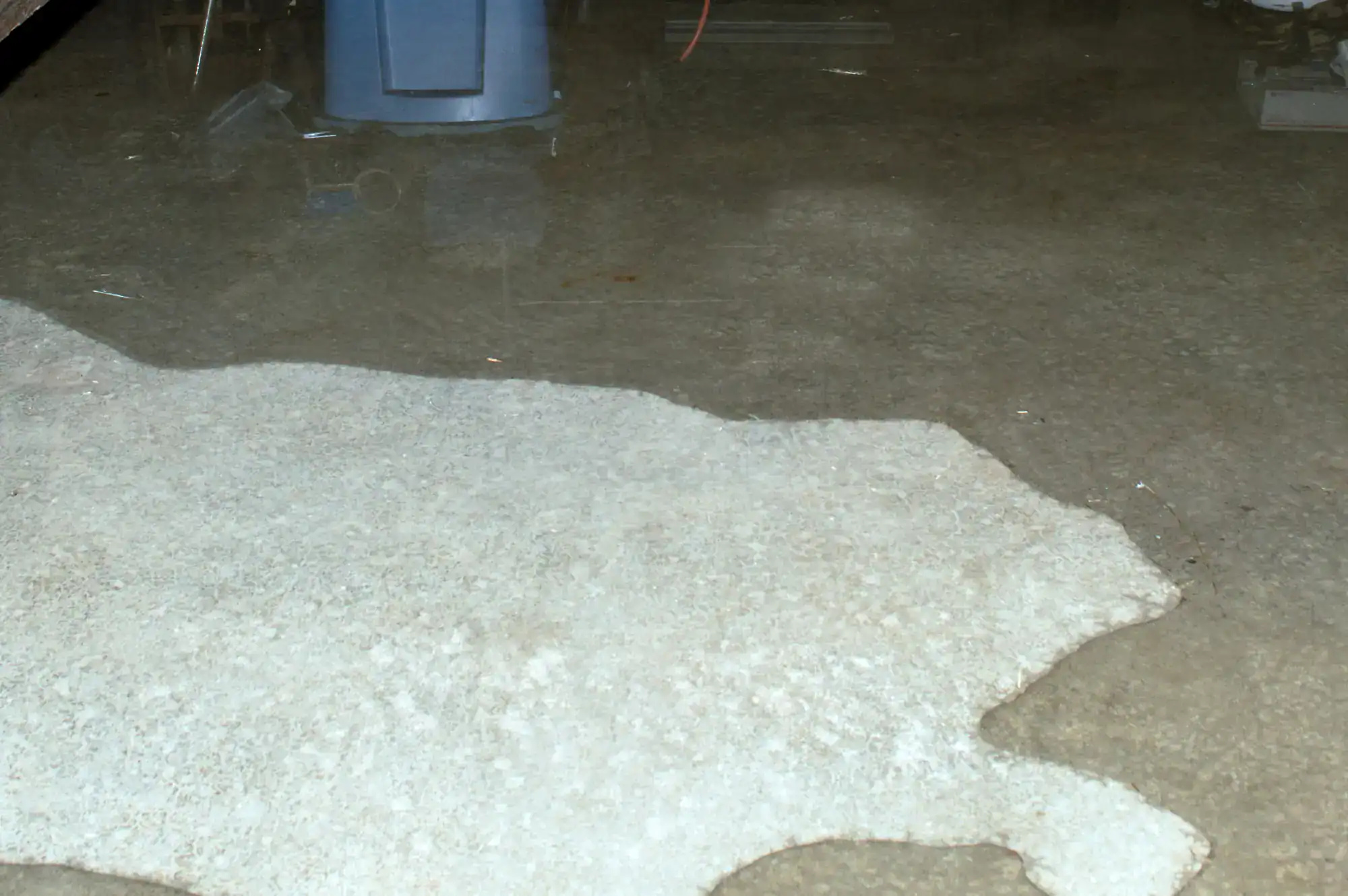
Older stations like the one on Carleton Avenue also deal with moisture vapor coming up through aging slabs, especially in the humid summer months. That’s the hidden reason floors bubble and peel not the product, but what’s underneath it. When we test for moisture and address it before anything goes down, you get a floor that actually lasts. Not five years. Not ten. Twenty-plus.
We’re based out of Bohemia about ten miles from Central Islip via Route 454 and have been installing commercial and industrial resinous floors across Long Island for over 30 years. Every installer on our crew is OSHA 40 certified, which matters when the work is happening inside an active fire station where personnel and equipment are still in operation.
We hold a Sherwin-Williams High Performance Flooring certification and a Res Tech certification both manufacturer-approved credentials that require formal training in surface prep, concrete assessment, and system installation. These aren’t marketing designations. They’re proof we know what we’re doing before we ever touch your slab.
Our field supervisors Javier, Eduardo, and Fredith bring over 40 combined years of field experience, and most of our team has been with us for more than a decade. That kind of consistency isn’t common in this industry and for a Board of Fire Commissioners spending public funds on Central Islip’s stations, it’s the difference between a contractor you can call back and one you can’t.
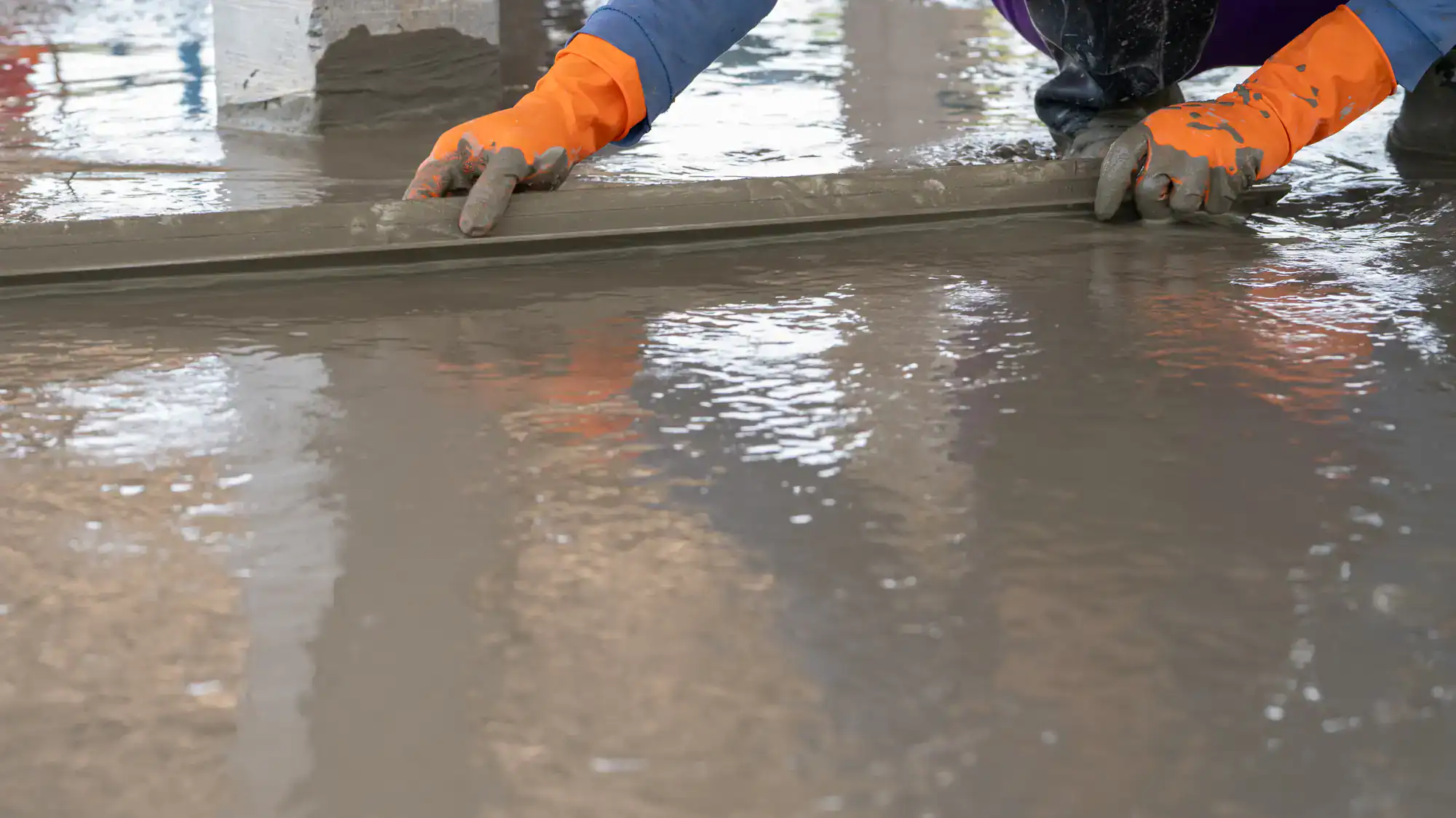
It starts with the concrete not the product. Before anything is applied, we diamond-grind the slab, not acid-etch it. Diamond grinding opens the surface mechanically and removes contaminants that have worked their way into the concrete over years of vehicle traffic, oil drips, and Long Island winters. Acid etching leaves residue and misses embedded contamination entirely. It’s a shortcut that shows up later as a failed floor.
After grinding, moisture testing is mandatory. Long Island slabs especially in stations that have been in operation for decades can have elevated vapor emission rates, particularly heading into summer. Skipping this step is the single biggest reason floors delaminate. If moisture is present, the right primer system goes down first. No exceptions.
From there, we apply a penetrating primer, a high-build epoxy base coat with aggregate broadcast for compressive strength and slip resistance, and a 15-mil polyaspartic topcoat. That final coat is what handles the UV exposure when the bay doors are open, the chemical resistance when the trucks come back from a scene, and the long-term durability that makes this a 20-year floor instead of a five-year one. Apparatus is back in the bay within 24 hours of completion no extended downtime, no trucks parked on Wheeler Road while the floor cures.
Ready to get started?
The apparatus bay gets the most attention, but it’s not the only zone that matters. The Central Islip Fire District’s stations include decontamination areas, kitchens, locker rooms, and living quarters each with different demands. Decon zones need seamless, non-porous surfaces that can be cleaned without harboring contamination. Kitchens need thermal-shock resistance and a surface that holds up to cleaning chemicals. Living areas need something durable and cleanable that doesn’t feel industrial.
We install the right system for each zone, and our approach is the same across all of them: assess the concrete first, address what’s there, then install a system that’s built for that specific use. Nothing gets skipped because it’s a smaller room or a less visible area.
For the apparatus bay specifically, the system we install meets the contamination control requirements that align with NFPA 1500 the national standard for fire department occupational safety. A seamless, non-porous floor that can be fully decontaminated isn’t just a maintenance preference for a department governed by a Board of Fire Commissioners accountable to PESH and OSHA standards. It’s a compliance decision. The Central Islip Fire District has been investing in state-of-the-art equipment since 1906. The floor should reflect the same standard.
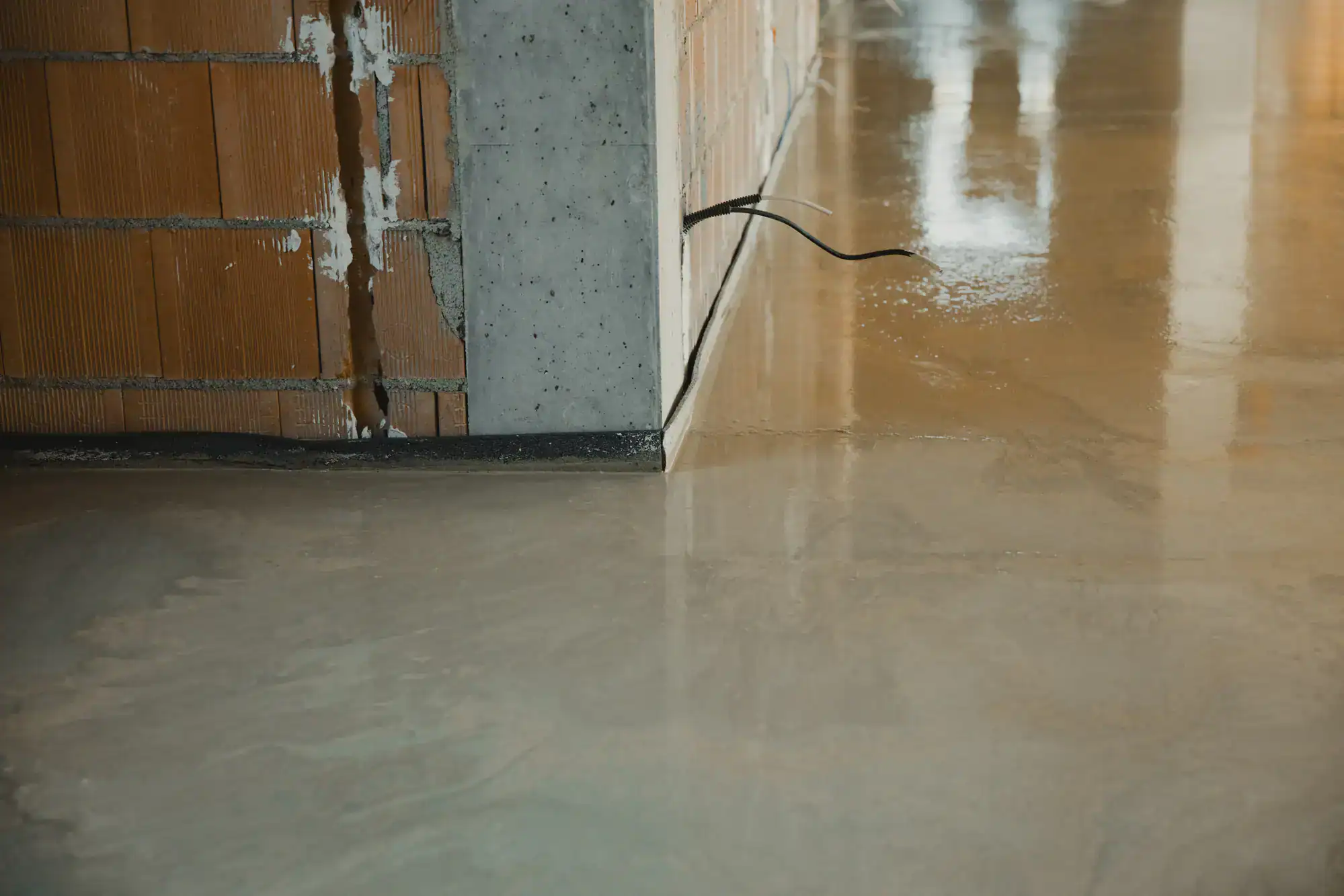
A properly installed polyaspartic system diamond-ground concrete, moisture-tested slab, penetrating primer, high-build base coat, 15-mil topcoat should last 20 years or more in Central Islip’s climate. That’s not a marketing number. It’s a function of the system’s flexibility, chemical resistance, and UV stability working together under real Long Island conditions.
The reason most firehouse floors fail well before that is the freeze-thaw cycling and road salt exposure that come with every Suffolk County winter. Standard epoxy is rigid and brittle it cracks under repeated thermal stress. Polyaspartic is four times more flexible, which means it handles the thermal shock of cold bay doors opening on a warm floor without failing. Pair that with a slab that was properly prepped and moisture-tested before installation, and you have a floor that holds up through decades of apparatus traffic, Long Island winters, and everything in between.
Yes and for a volunteer department like the Central Islip Fire Department, this is usually the first question that needs a real answer. Traditional epoxy systems require three to seven days before heavy vehicles can return to the bay. That’s not realistic for a three-station department with 160 volunteers and a community to protect.
The polyaspartic systems we install cure in 24 hours. Apparatus can return to the bay the next day. We plan the installation around the department’s operational schedule so Station 1 on Carleton Avenue, Station 2 on Wheeler Road, and Station 3 in Islandia can each be done without extended downtime or coverage gaps. The rapid-cure timeline isn’t a convenience feature. For an active fire district, it’s a requirement.
The most common cause is moisture vapor coming up through the slab and it’s almost always skipped during installation because testing takes time and addressing it costs money. Long Island concrete slabs, especially older ones in stations that have been operating for decades, can have elevated moisture vapor emission rates. When a coating goes down over a moisture-compromised slab without the right primer system, it delaminate. The bubbling and lifting you see months after installation isn’t a product failure it’s a prep failure.
The second most common cause is surface contamination. Oil, diesel, and road salt work their way into concrete over years of apparatus traffic. Acid etching the cheap prep method doesn’t remove that contamination. It leaves residue and misses what’s embedded in the slab. Diamond grinding removes it mechanically. That’s the difference between a floor that bonds properly and one that peels at the edges within a year. Both of these issues are preventable with the right process which is exactly why the prep phase matters more than the product.
For the Central Islip Fire District, capital improvements to station facilities typically fall under the authority of the Board of Fire Commissioners, which is the five-member elected body responsible for the district’s facilities, finances, and regulatory compliance. Floor coating projects in apparatus bays are generally considered maintenance or capital improvement work and don’t typically require a separate building permit but that’s a determination the Board or the district’s facilities staff should confirm with the Town of Islip building department based on the scope of the project.
What does matter from a compliance standpoint is that the installed system supports the district’s obligations under PESH, OSHA, and NFPA standards. A seamless, non-porous, slip-resistant floor that meets NFPA 1500 contamination control requirements is not just a preference it’s documentation that the Board has addressed a known facility safety standard. Our OSHA 40 certified installation crew means the work itself is performed in compliance with the public employer safety standards the district is held to.
Spring is the best window typically April through May. Temperatures are stable, which matters for proper cure of both the epoxy base coat and the polyaspartic topcoat. The worst of the winter apparatus traffic is behind you, and you’re getting the floor in good shape before the next freeze-thaw season starts. It also aligns well with budget planning cycles for fire districts, where capital improvement decisions are often finalized in the spring for the upcoming fiscal year.
Fall is the second-best window for the same reason pre-winter motivation is strong, and stable temperatures in September and October support a clean installation. Summer is the most challenging time in Central Islip because of elevated humidity and moisture vapor transmission through concrete slabs. It’s not impossible to install in summer, but it requires more careful moisture management and the right primer system. Winter installations in active apparatus bays are generally not recommended because temperature and humidity conditions inside the bay can vary significantly depending on how often the doors are opened during a response shift.
Pricing for apparatus bay flooring in Central Islip depends on the square footage of the bay, the current condition of the concrete, and whether additional zones decon areas, kitchens, locker rooms are included in the same project. A single apparatus bay in a Suffolk County firehouse typically runs in the range of a few thousand dollars on the low end for a smaller bay to significantly more for a larger multi-truck facility, depending on prep requirements.
What’s worth understanding for a publicly funded fire district is the total cost of ownership, not just the installation price. A properly installed polyaspartic system lasts 20-plus years. A consumer-grade or improperly installed floor fails in three to five years and the cost of grinding off a failed coating and starting over, including the downtime and reinstallation, adds up fast. The Board of Fire Commissioners is in the business of justifying capital decisions to the community. A floor that lasts two decades at a higher upfront cost is a more defensible decision than one that needs to be replaced twice in the same period. We provide site-specific quotes the best way to get an accurate number for your stations is to schedule a walkthrough.
Other Services we provide in Central Islip