
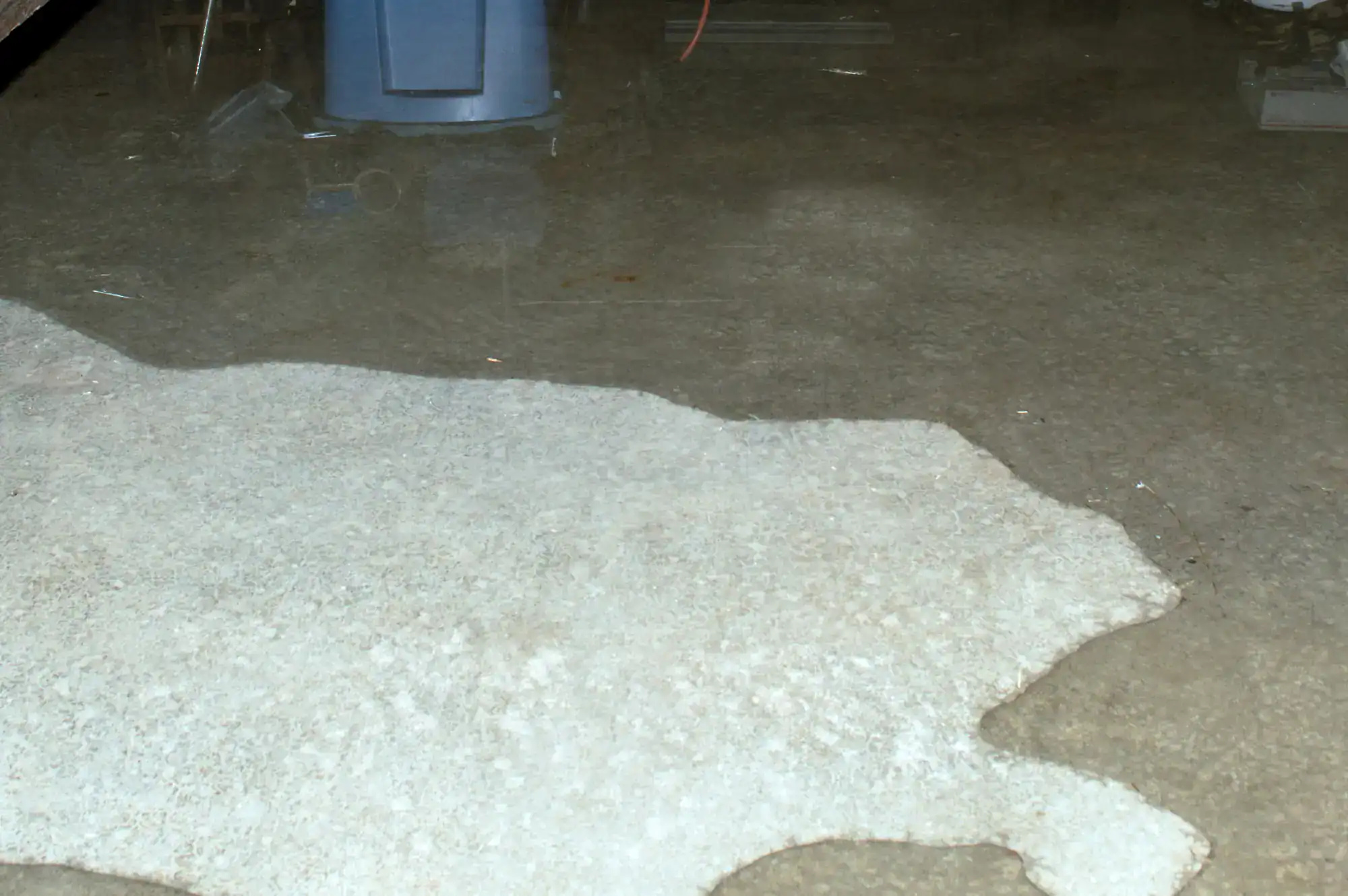
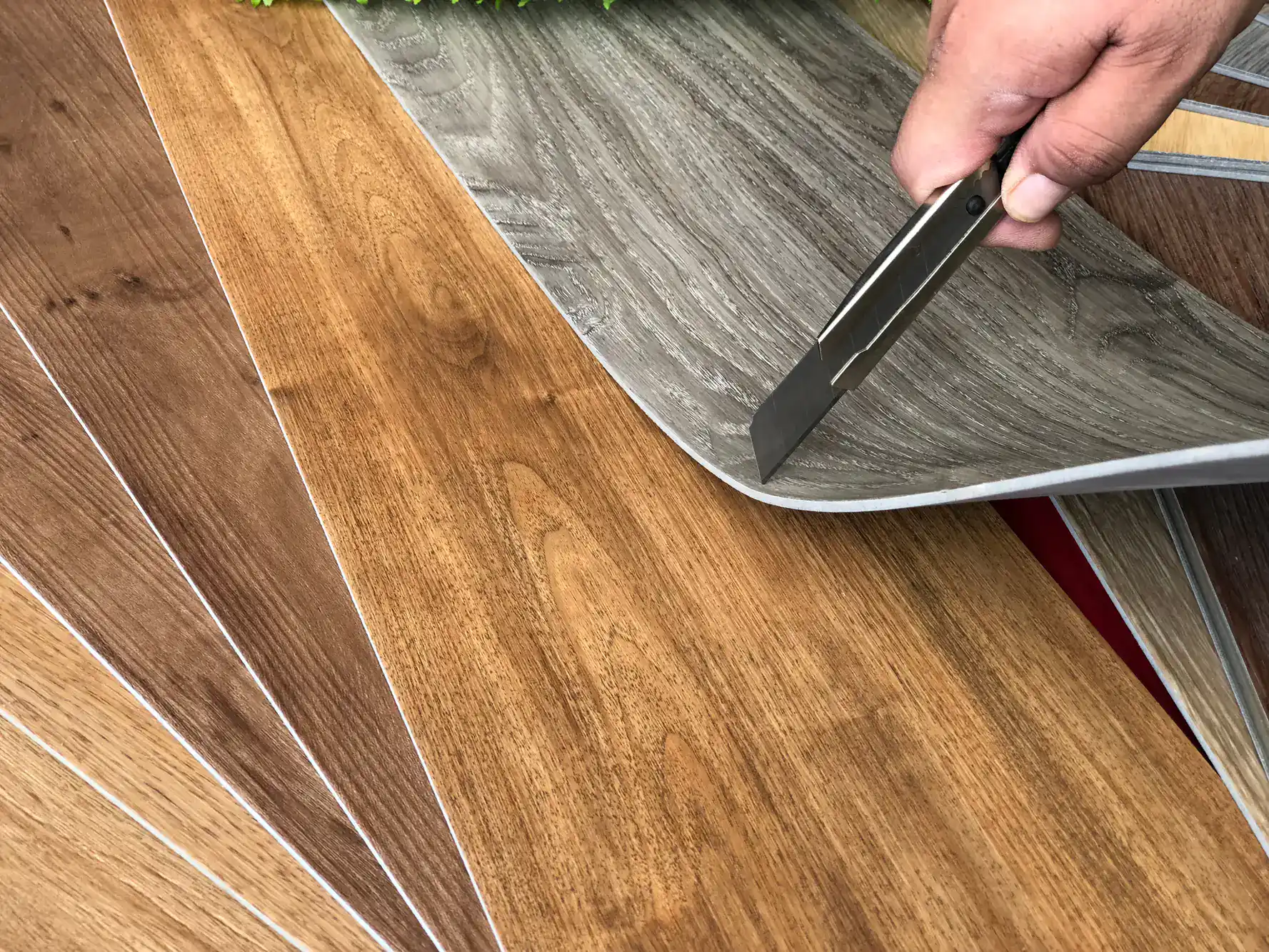
Every time your apparatus rolls back in from a call on Sunrise Highway or Montauk Highway, it’s carrying road salt, diesel residue, and whatever the weather threw at it. That’s not a once-in-a-while problem that’s every winter, every storm, every response. A floor that isn’t built for that load profile won’t last, and you already know what it looks like when it starts to go.
East Patchogue sits right on the edge of Patchogue Bay. That coastal humidity accelerates moisture vapor transmission through your concrete slab which is the real reason floors bubble and delaminate. It’s not bad luck. It’s skipped prep. When moisture isn’t tested and addressed before the coating goes down, failure is just a matter of time. The right system stops that cycle before it starts.
The outcome you’re after is simple: a floor that doesn’t need to be replaced every few years, that can be pressure-washed clean after a contaminated call, that doesn’t become a slip hazard when it’s wet, and that holds up under 40,000-pound apparatus day after day. That’s what a properly installed polyaspartic system delivers and it’s the difference between a floor that lasts 20 years and one that fails in three.
We’re based in Bohemia a short drive from East Patchogue and have been installing commercial and industrial epoxy floors across Suffolk County for over 30 years. This isn’t a franchise operation or a crew that picked up a product line last season. Our CEO Danny Harmer has over 40 years of hands-on installation experience, and most of our field team has been with us for more than a decade.
The credentials matter here. We hold the Sherwin-Williams High Performance Flooring certification one of the most rigorous manufacturer-approved applicator credentials in the industry. Every installer is OSHA 40 certified, which is directly relevant when work is being done in an active fire station where volunteers and equipment are still present. That’s not a box-checking exercise it’s how professional work gets done safely in occupied facilities.
Fire districts in the Town of Brookhaven are publicly accountable. Every dollar spent on a capital project gets scrutinized. Our combination of local presence in East Patchogue’s backyard, verified credentials, and a process that’s been refined over three decades means you’re not taking a chance on an unknown contractor.
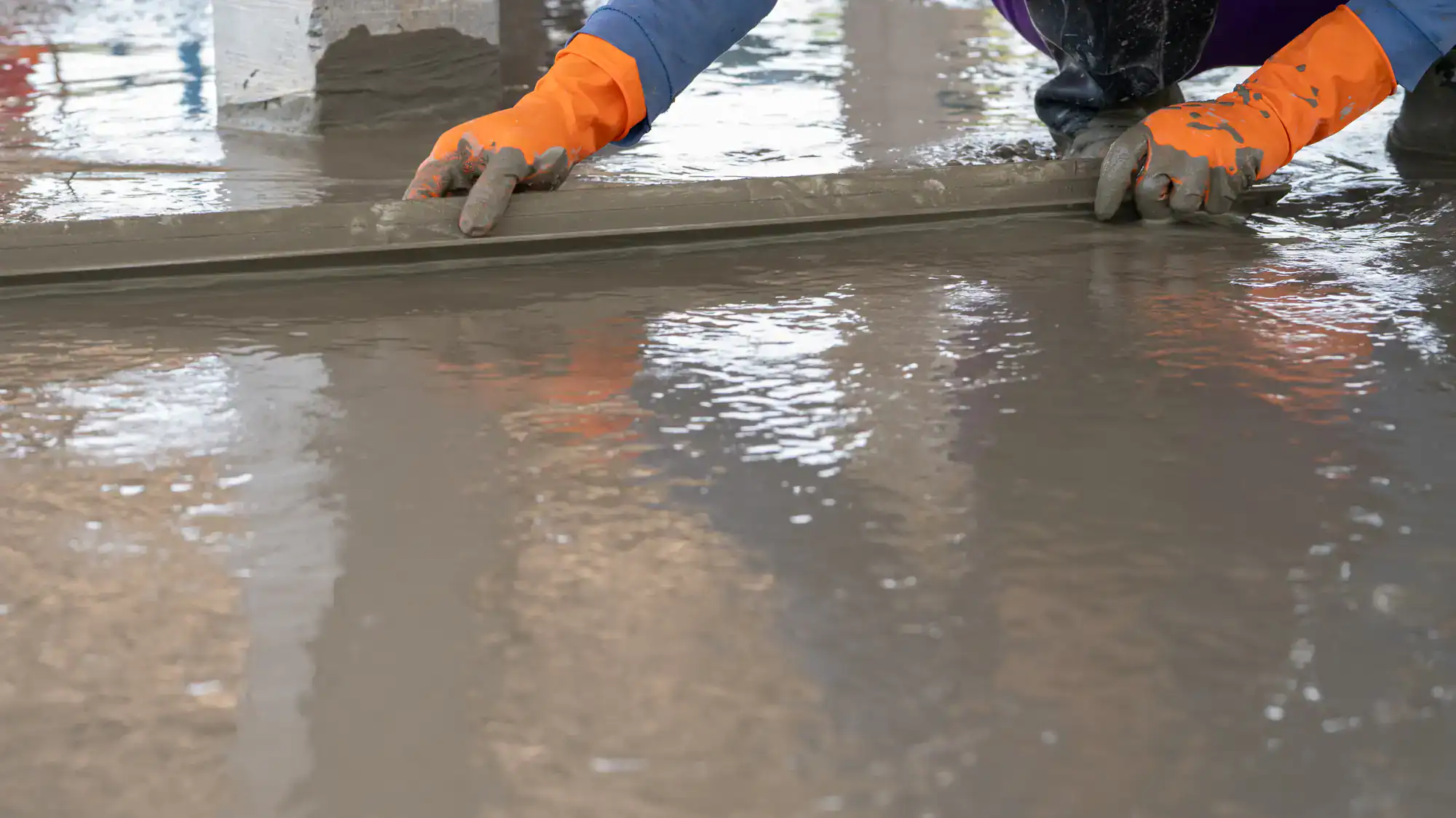
The first thing that happens on any firehouse floor project is concrete assessment. That means checking the slab for cracks, spalling, previous coatings, and critically moisture. In East Patchogue’s coastal environment, moisture vapor transmission through the slab is one of the most common reasons floors fail. If it’s present and not addressed at the primer stage, the coating will eventually lift. Every project starts with testing, not assumptions.
Once the slab is assessed, we diamond grind the surface not acid etch. Grinding creates a true mechanical profile in the concrete that the coating bonds to. Acid etching opens pores but doesn’t create the same bond strength, and in a high-load apparatus bay, that difference shows up within a few years. After grinding, a penetrating primer goes down, followed by a high-build epoxy base coat with aggregate broadcast for compressive strength and slip resistance underfoot.
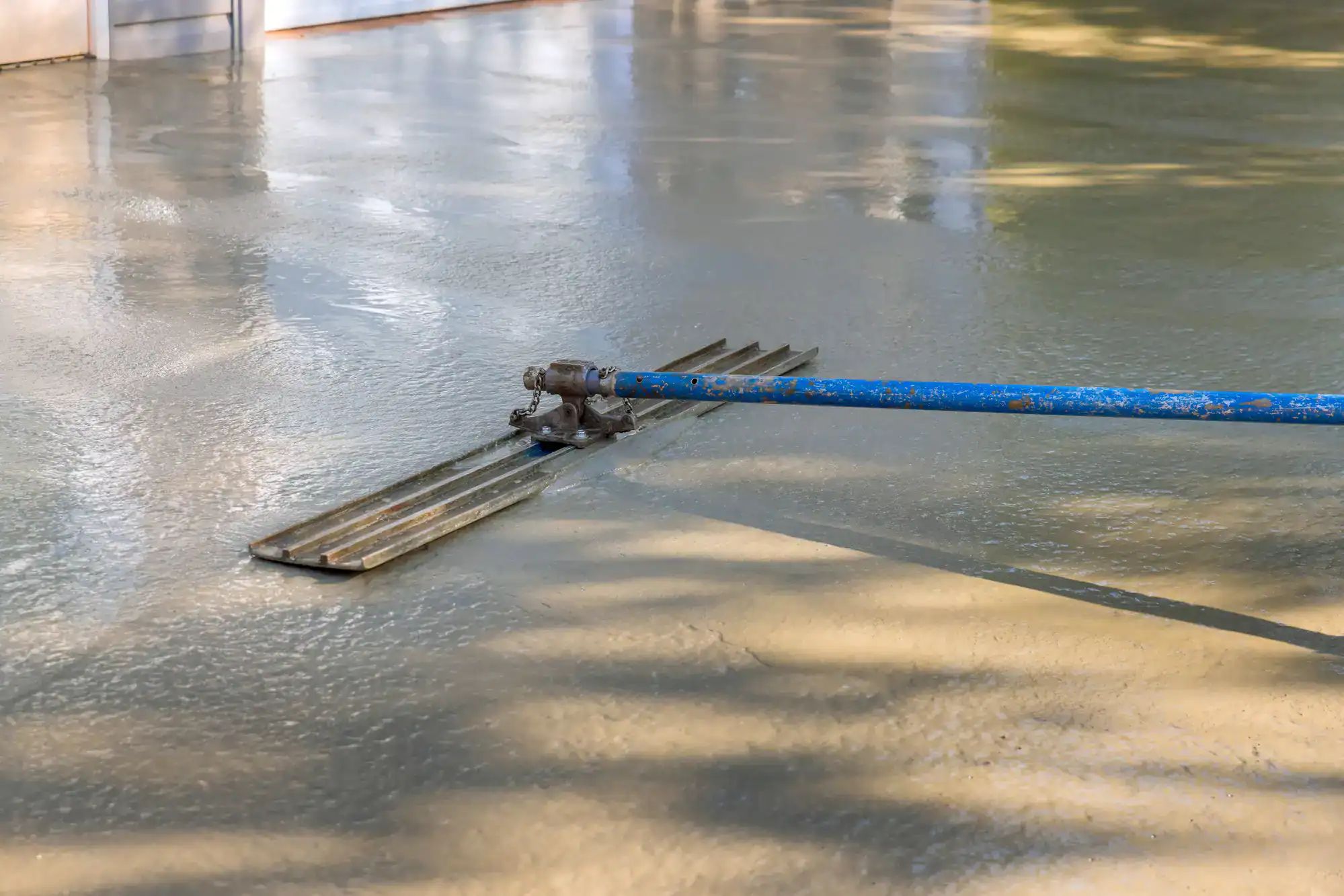
The topcoat is a polyaspartic system UV-stable, thermally resistant, four times more flexible than standard epoxy, and rated for a 20-plus-year service life. Cure time is 24 hours. For the Hagerman Fire Department or North Patchogue Fire Department, that means apparatus is back in the bay the next morning. No extended downtime, no mutual aid dependency for a week, no disruption to your department’s ability to respond. We plan the work around your schedule, not the other way around.
Ready to get started?
The system we install in your apparatus bay is a multi-layer polyaspartic floor designed specifically for the demands of fire service environments. It handles the compressive load of heavy apparatus, resists hot tire pickup the most common failure mode in fire station bays and holds up against the road salt, hydraulic fluid, diesel, and firefighting foam that come with the job. The surface is seamless and non-porous, so decontamination after a carcinogen-exposure call is a pressure wash, not a scrubbing session on a porous slab that never really comes clean.
Beyond the apparatus bay, we offer the same system for decontamination zones, gear storage areas, and throughout the station where contamination control matters. NFPA 1585 and the growing focus on firefighter cancer prevention have made this a real operational priority for New York departments not just a design preference. A floor that can be fully decontaminated is part of the protective environment your volunteers deserve.
All work we perform in East Patchogue fire stations is done by OSHA 40 certified installers, coordinated around your department’s response schedule, and backed by a contractor who is based in Suffolk County and accountable to the community. If there’s ever a question after the job is done, you’re calling a local number not a national customer service line.
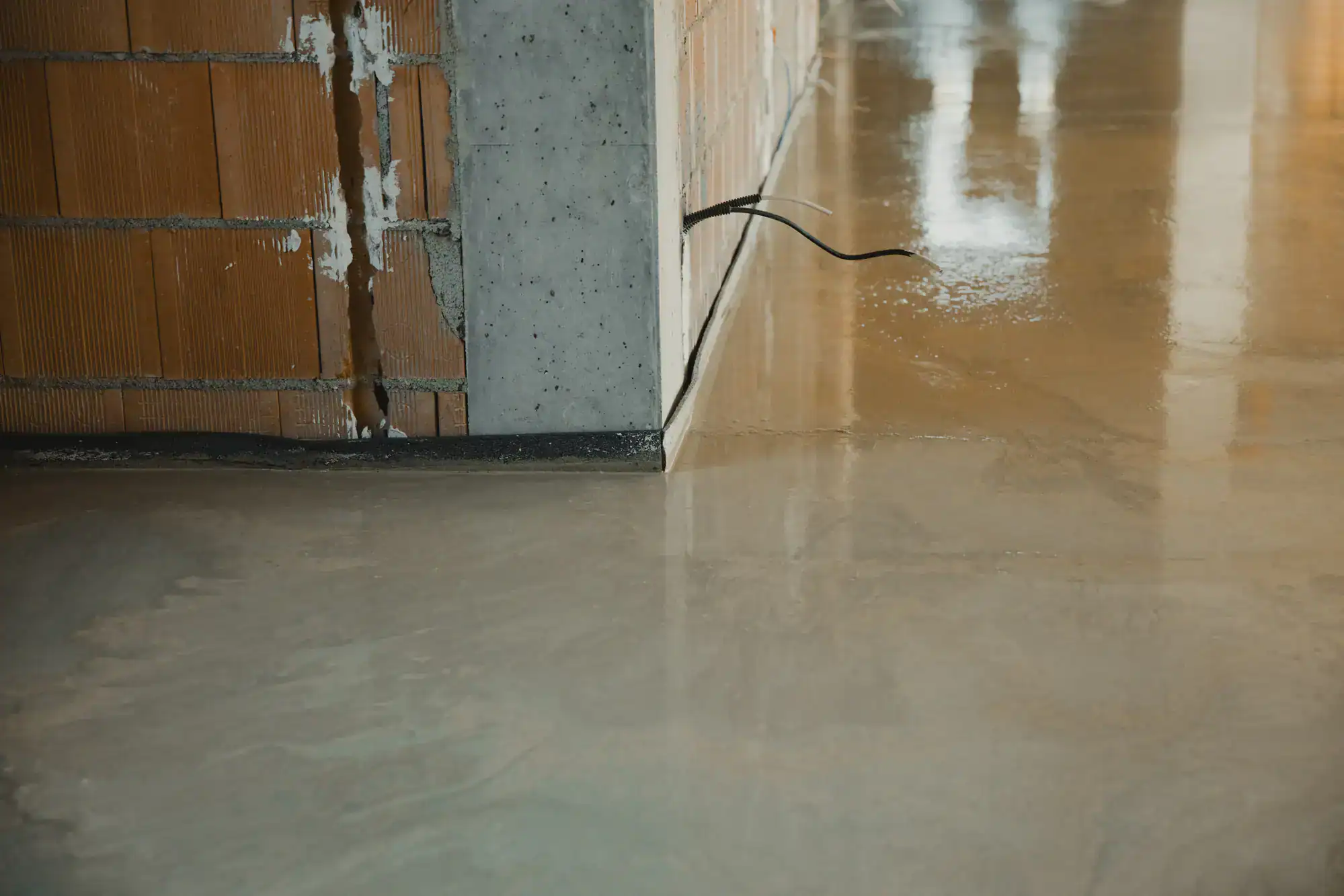
The short answer is prep or the lack of it. Most floor failures in apparatus bays come down to one of two things: the concrete wasn’t properly profiled before coating, or moisture in the slab was never tested. In East Patchogue’s South Shore environment, both of those issues are amplified. The proximity to Patchogue Bay means ambient humidity is consistently higher than in inland parts of Suffolk County, and that moisture finds its way through the slab. When a coating is applied over a slab with active moisture vapor transmission and no vapor-barrier primer, delamination is almost inevitable it’s just a question of when.
The other common failure in fire station bays specifically is hot tire pickup. Standard epoxy coatings bond to heated apparatus tires and get pulled off when the truck backs out. It happens gradually, then all at once. A polyaspartic topcoat is formulated to resist that bonding it’s thermally flexible in a way that standard epoxy isn’t. Fixing the prep process and using the right topcoat eliminates both of the most common failure modes at once.
A multi-layer polyaspartic system installed over properly prepared concrete diamond ground, moisture tested, primed, and base-coated is rated for 20-plus years of service life under normal apparatus bay conditions. That’s not a marketing number; it reflects the material properties of polyaspartic resins, which are significantly more durable, UV-stable, and thermally resistant than standard epoxy. The preparation is what determines whether you get the full life out of the system or whether it starts failing in year three.
For context, a standard epoxy system installed without proper prep typically lasts three to five years in an active apparatus bay before hot tire pickup, moisture intrusion, or chemical degradation causes visible failure. Over a 20-year period, that means four or five cycles of grinding, disposal, and reinstallation each one costing money and taking apparatus out of service. For a fire district in the Town of Brookhaven that has to justify every capital expenditure to the community, the total cost of ownership argument for the right system is straightforward.
Yes and for volunteer departments like the Hagerman Fire Department and North Patchogue Fire Department serving East Patchogue, this is usually the first question asked, and for good reason. Both departments serve the area with all-volunteer crews, which means extended apparatus downtime isn’t just an inconvenience it’s a genuine gap in community coverage. The polyaspartic system we use in apparatus bay installations cures in 24 hours. Apparatus can return to the bay the next morning.
Traditional epoxy systems require three to seven days of cure time, which is one of the main reasons fire departments historically put off floor upgrades the operational disruption was too significant to justify. The shift to polyaspartic systems removed that barrier. We also schedule the installation around your department’s response patterns and plan the work in coordination with the fire district, so the work isn’t happening during peak coverage periods without a plan in place.
For an apparatus bay that regularly sees road salt, diesel fuel, hydraulic fluid, and firefighting foam which describes every active fire station on Long Island’s South Shore a polyaspartic topcoat over a high-build epoxy base is the right system. Polyaspartic resins are chemically resistant in a way that standard single-coat epoxy systems aren’t. The surface is non-porous and seamless, so chemicals sit on top of the floor rather than absorbing into the concrete substrate. That makes routine cleanup straightforward and prevents the long-term substrate corrosion that happens when chemicals soak into unsealed concrete year after year.
Road salt is a particular concern in East Patchogue because Sunrise Highway and Montauk Highway are both heavily treated during winter events, and apparatus returning from responses carries that brine directly into the bay. On a bare or inadequately sealed slab, that salt brine works into the concrete and accelerates spalling and deterioration. A properly sealed resinous floor stops that process entirely. It also makes post-call decontamination which is increasingly required under NFPA contamination control protocols far more effective than trying to clean a porous concrete surface.
Floor coating work in fire stations falls under the jurisdiction of the Town of Brookhaven, which administers building permits and code compliance for East Patchogue. Whether a specific permit is required depends on the scope of the project surface preparation and resinous coating application in an existing building typically doesn’t require a full building permit, but it’s worth confirming with the Brookhaven building department based on the specifics of your station and project scope.
What does apply universally is OSHA compliance for contractor work in active facilities. All our installers are OSHA 40 certified, which covers hazard communication, personal protective equipment, and safe work practices in occupied environments. For fire district commissioners who are accountable to the community and the state, having a fully certified, insured, and compliant contractor on the job removes a significant layer of liability from the project. New York State fire department oversight through DHSES also creates ongoing compliance expectations for facility conditions a properly installed, maintained floor is part of meeting those standards.
The clearest way to evaluate any contractor for apparatus bay work is to ask them about the specific failure modes they’re designing against hot tire pickup, moisture vapor transmission, thermal shock, and chemical resistance. A contractor who understands why floors fail in fire station environments will have specific answers. One who doesn’t will talk about how good the product looks.
We’ve been doing commercial and industrial flooring in Suffolk County for over 30 years, based out of Bohemia a short drive from East Patchogue. We hold the Sherwin-Williams High Performance Flooring certification, and every installer is OSHA 40 certified. Our portfolio includes institutional projects at the highest scrutiny level including a White House kitchen installation in 1996. For fire district commissioners in East Patchogue who need to defend a capital expenditure to the community, those credentials are verifiable, our local presence is real, and our process is specific enough to demonstrate that this isn’t a general contractor who added “firehouse floors” to a service list.
Other Services we provide in East Patchogue