
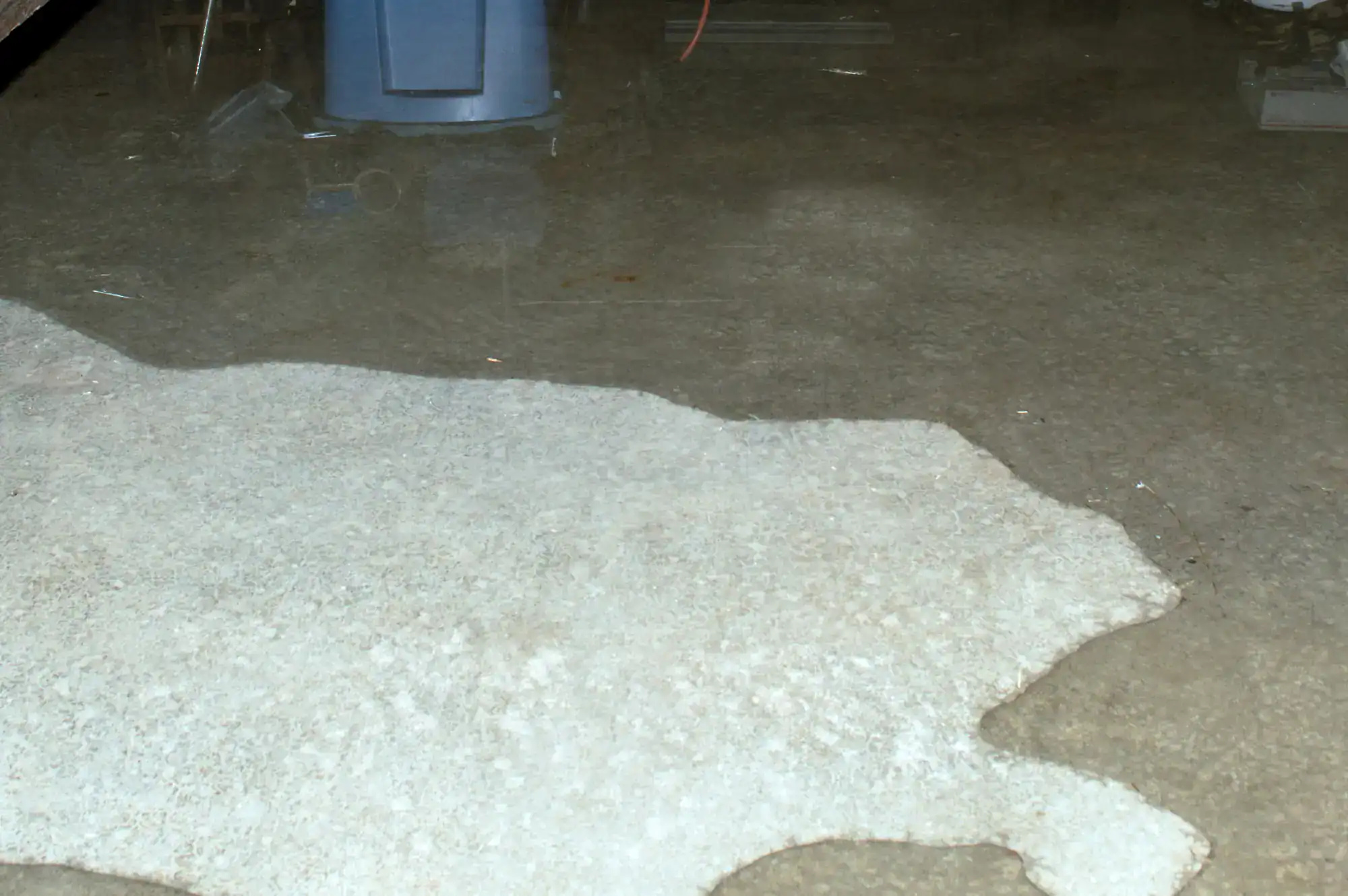
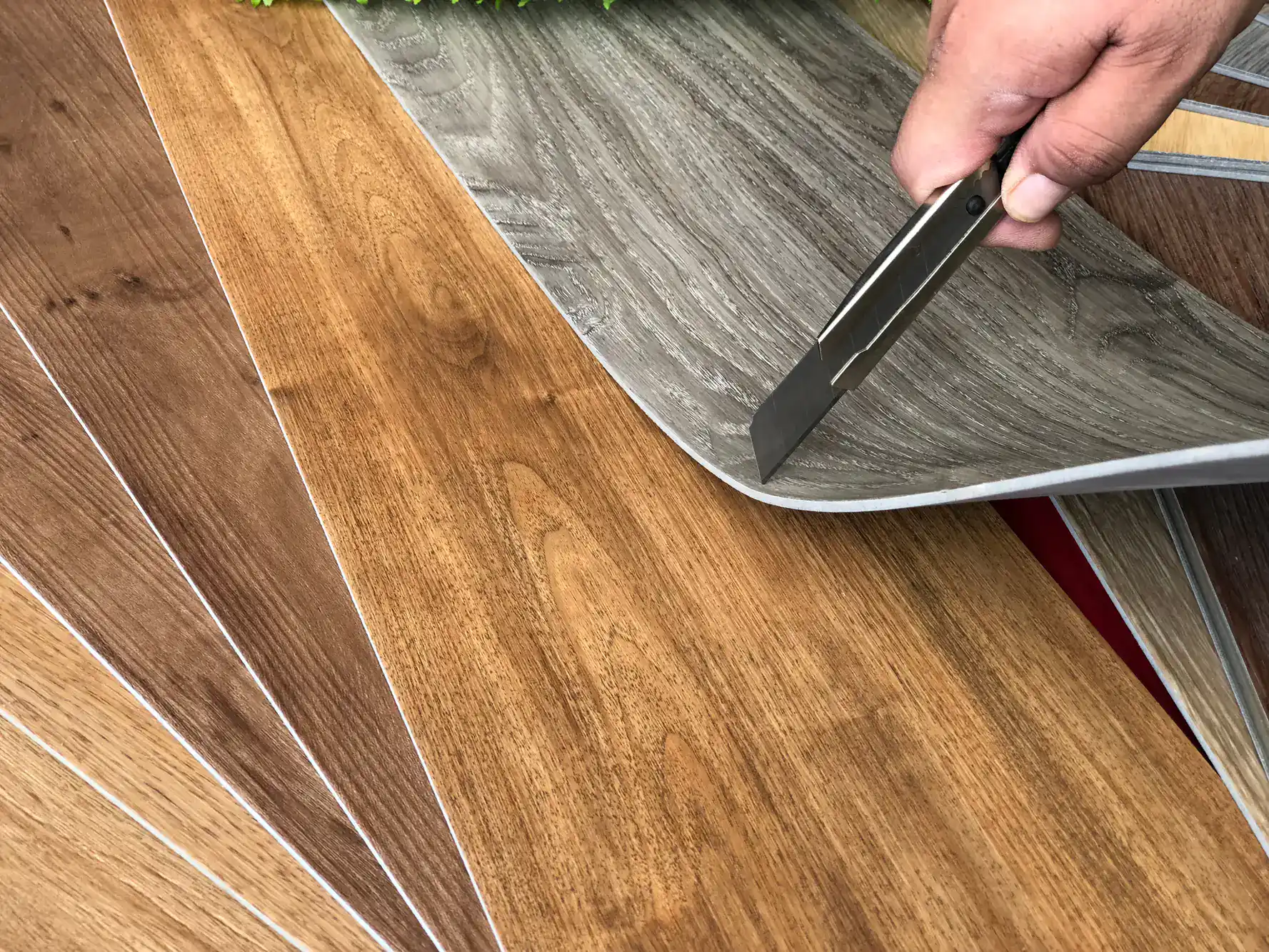
Bare or poorly coated concrete doesn’t stand a chance in an East Hampton apparatus bay. Salt air rolls in year-round off the Atlantic, Block Island Sound, and Gardiner’s Bay. Road salt tracks in on returning apparatus every winter. Freeze-thaw cycles do the rest. What you’re left with is cracked, pitted concrete that absorbs every diesel spill, hydraulic fluid leak, and carcinogen-laced contaminant that lands on it and no amount of sweeping fixes that.
A properly installed polyaspartic floor system stops that cycle entirely. The surface is seamless and non-porous, which means spills wipe clean, contaminants don’t absorb, and the concrete underneath stays protected through every season East Hampton throws at it. For departments managing the summer surge when your call volume can multiply overnight as the seasonal population floods Route 27 having a floor that doesn’t need babying is one less operational concern.
The other thing worth saying plainly: this floor lasts. A correctly specified and installed polyaspartic system holds up for 20-plus years under heavy apparatus. That’s the difference between a one-time capital investment and a recurring replacement cycle that costs your fire district more over time.
We’ve been doing this work for over 30 years, and our CEO Danny Harmer has been hands-on in the field for more than 40. We don’t add epoxy floors to a painting or tile menu resinous flooring systems for commercial and industrial facilities are all we do. We hold the Sherwin-Williams High Performance Flooring Certification and the Res Tech Certification, and every installer is OSHA 40 certified. That matters when you’re working in an active municipal facility with crew members, gear, and apparatus present.
Our portfolio runs from Long Island to the Bahamas to Moscow and yes, the White House kitchen in 1996. Field supervisors Javier, Eduardo, and Fredith bring a combined 40-plus years of installation experience between them, and most of our crew has been with us for over a decade. When Suffolk County fire departments from the South Fork to the North Shore need apparatus bay flooring they can count on, we’re the team they call.
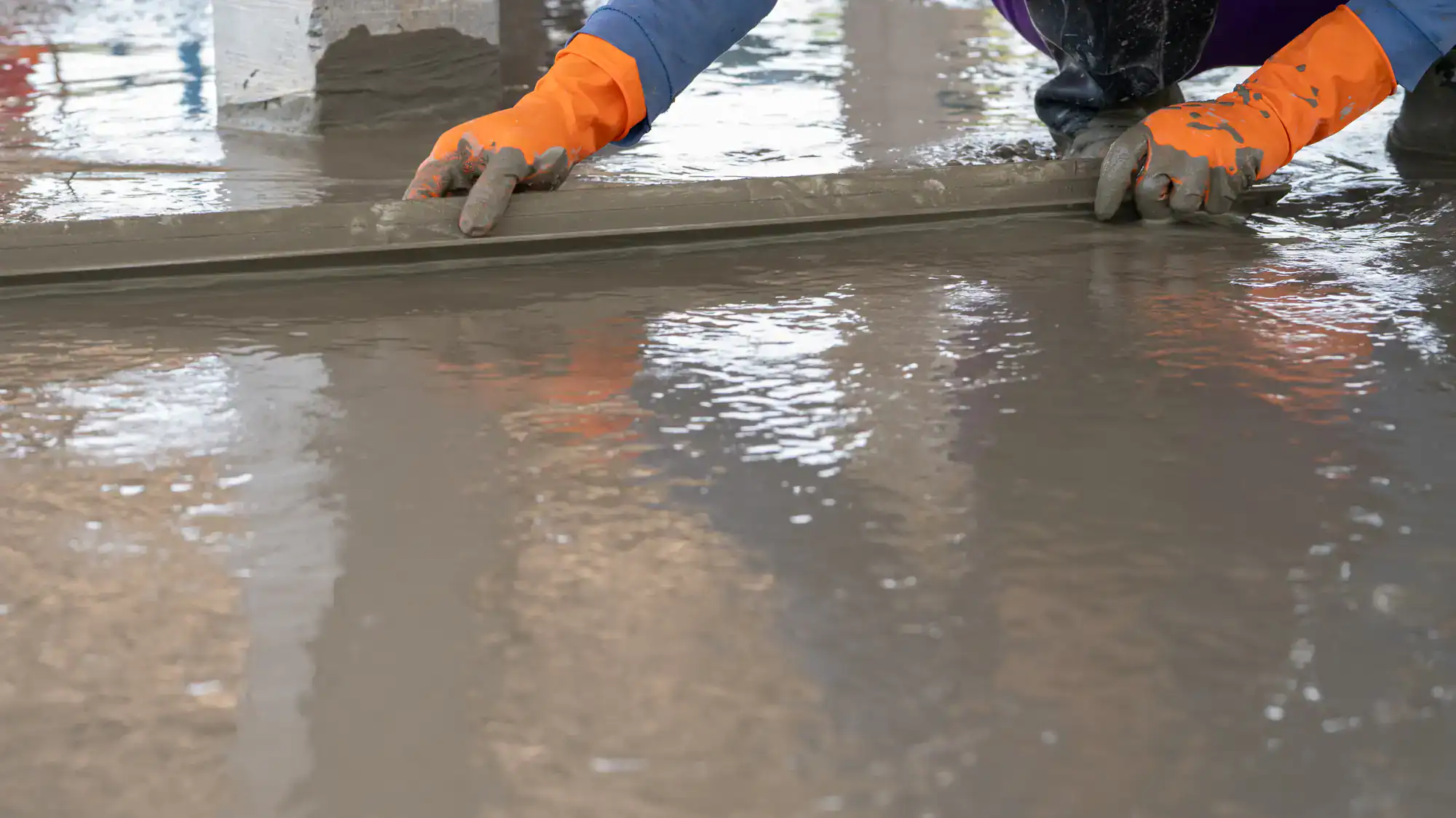
The first thing that happens on every project is concrete assessment and diamond grinding. Not acid etching diamond grinding. Acid etching introduces moisture into the slab before sealing, which is the number one cause of the delamination bubbles that show up six to eighteen months after a bad installation. Diamond grinding opens the concrete’s capillaries mechanically, creating the bond surface the system needs to hold for decades. In East Hampton’s coastal environment, where salt air and humidity are constant, this step isn’t optional it’s what separates a floor that lasts from one that fails.
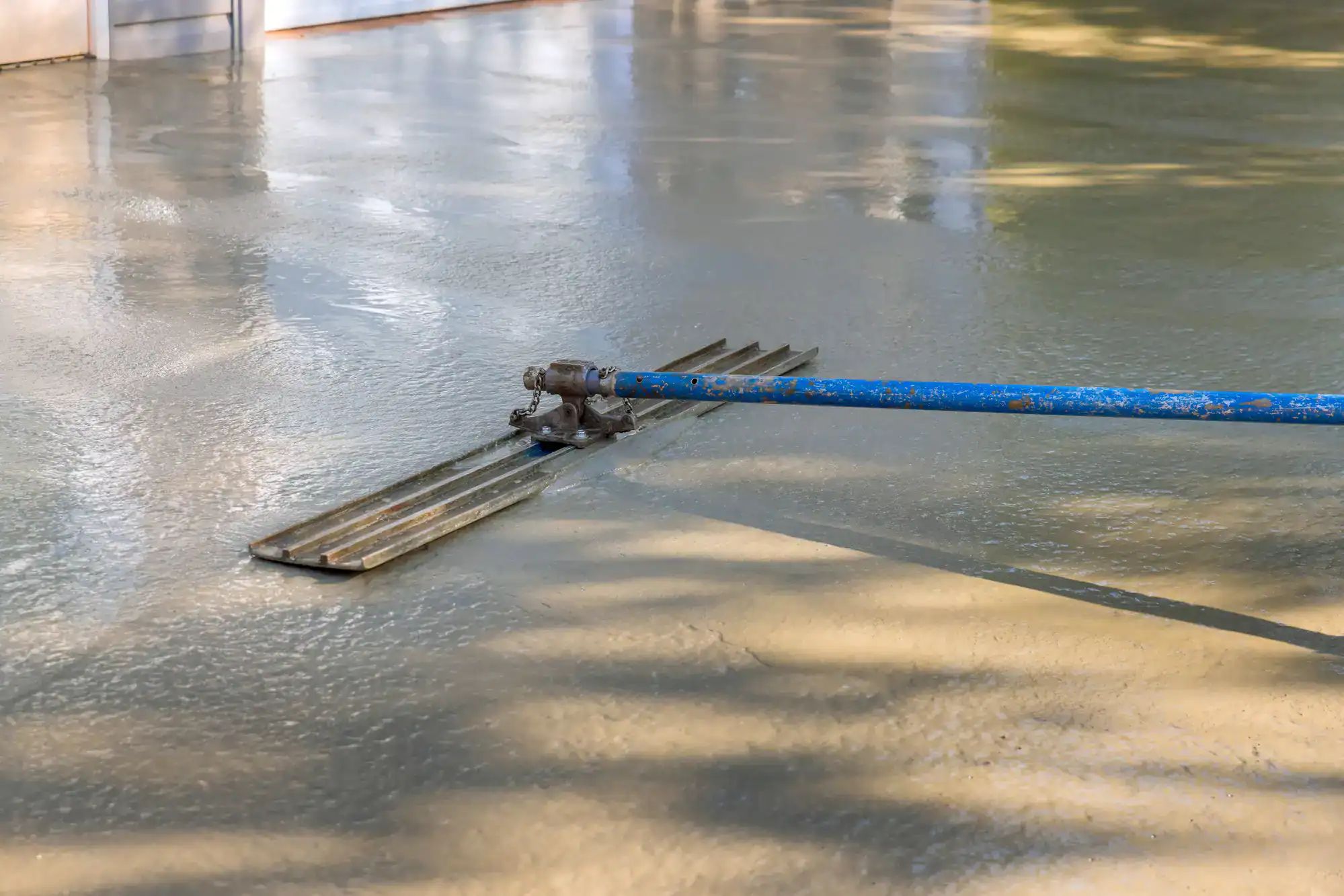
After grinding, we test the slab for moisture. Then comes a penetrating primer, a high-build epoxy base coat with aggregate broadcast for slip resistance and compressive strength, a second encapsulation coat, and a polyaspartic topcoat that’s UV-stable, chemically resistant, and hot-tire resistant. Each layer has a specific job. The polyaspartic topcoat is applied at 15 mils significantly thicker than standard commercial coatings and it cures in 24 hours.
That 24-hour cure time is the detail that makes this work for East Hampton fire departments specifically. You’re not parking apparatus outside for a week while a standard epoxy system cures. You schedule the work, we install the system, and your trucks are back inside the next morning. For departments covering the Northwest Protection District, the airport substation, or Cedar Street, that kind of turnaround makes the project feasible in any season.
Ready to get started?
The apparatus bay is the obvious starting point, but it’s rarely the only floor that needs attention. East Hampton’s fire facilities including the primary Emergency Services Building on Cedar Street, the four-bay Northwest substation, and the airport response station all have additional zones that benefit from seamless resinous systems. Decontamination areas, locker rooms, kitchens, living quarters, and offices all see heavy use and face the same moisture and contamination challenges as the bay itself.
The polyaspartic system we install in the apparatus bay is the right call for any zone where chemical resistance, slip resistance, and easy decontamination matter. For living quarters and kitchens, the system can be adapted with different aggregate profiles and finish options. The point is that using one certified contractor across the entire facility means consistent quality, compatible systems, and a single point of accountability not three different contractors and three different warranties.
It’s also worth knowing that New York State’s V-FIRE grant program has made capital funding available specifically for volunteer fire station facility improvements, and East Hampton’s all-volunteer departments are exactly the type of organizations that program is designed to support. If your fire district is weighing the cost of a floor upgrade, that funding may be worth exploring before you assume the project is out of reach.
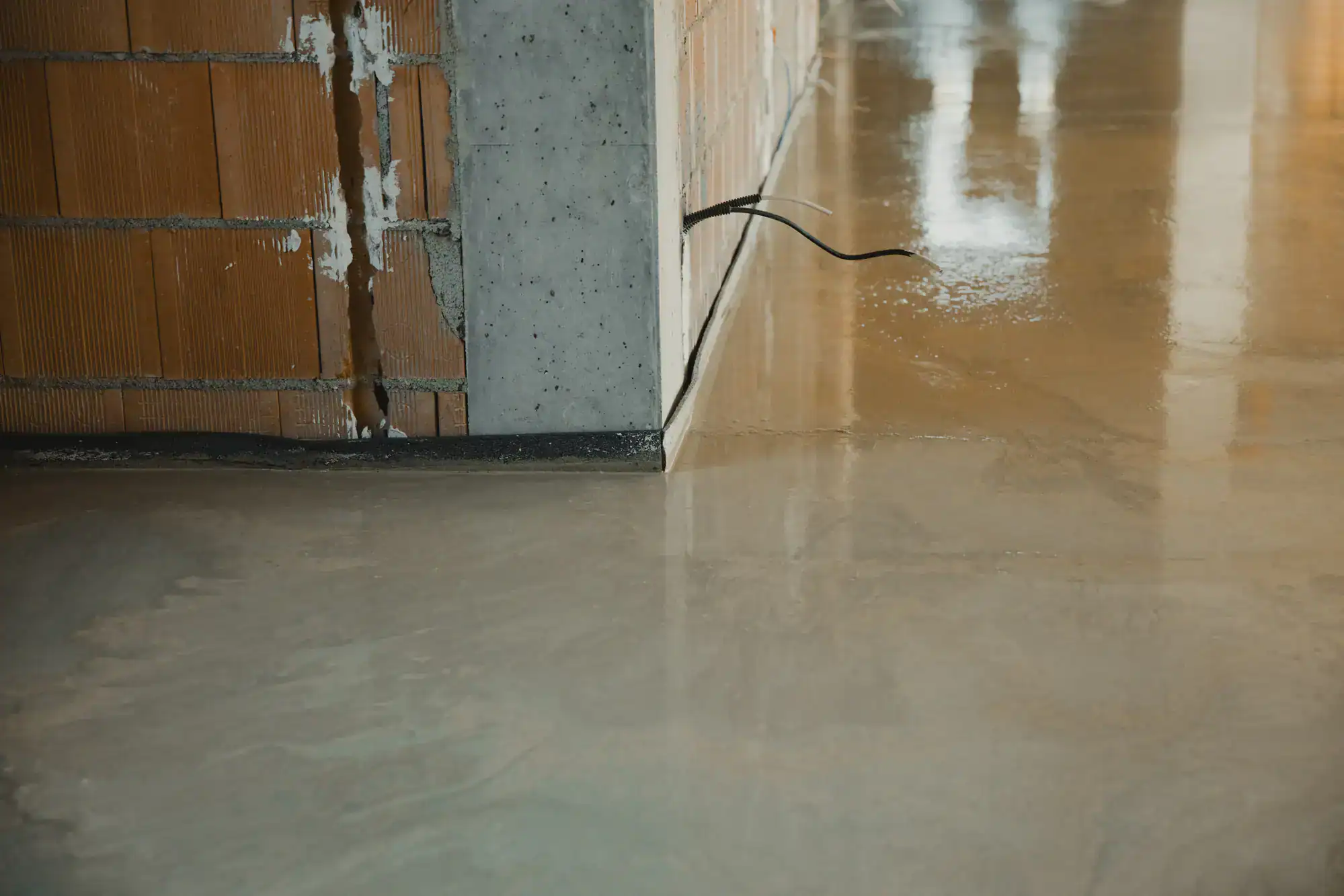
A properly installed polyaspartic system diamond-ground substrate, moisture-tested slab, multi-layer build should hold up for 20-plus years, even in East Hampton’s coastal conditions. The key word there is “properly.” The salt air environment on the South Fork is genuinely more demanding than inland Suffolk County. Year-round humidity, salt-laden air off the Atlantic and Gardiner’s Bay, and the road salt tracked in by returning apparatus all put more stress on a floor coating than a typical commercial installation faces.
What makes the difference is the preparation and the product specification. A floor that was acid-etched instead of diamond-ground, or coated with a thin-mil consumer system, might fail in three to five years under those conditions sometimes less. The 15-mil polyaspartic system we install is built for exactly this environment. It’s not a garage floor kit. It’s a commercial-grade resinous system designed to outlast the conditions that destroy lesser coatings.
Hot tire pickup happens when a fire truck returns from a call with heated tires, parks on a coated floor, and the coating bonds to the rubber as the tires cool. When the truck moves again, it pulls the coating right off the concrete. It’s one of the most common failure modes in apparatus bay floors, and it happens specifically because the wrong product was used typically a standard epoxy or consumer-grade coating that lacks the thermal flexibility to handle the temperature differential.
The polyaspartic topcoat we use in our firehouse floor systems is four times more flexible than standard epoxy and thermally resistant by design. Hot tires don’t bond to it. That matters in East Hampton, where apparatus responding to summer calls structure fires, beach rescues, Route 27 accidents can return with tires that have been running hard. The floor needs to handle that without failing, and a properly specified polyaspartic system does exactly that.
Yes and for East Hampton fire departments, this is one of the most important details about the whole project. Route 27 is the only primary road serving the South Fork. The department covers 31 square miles across multiple hamlets, and during the summer months, call volume increases significantly as the seasonal population surges. Parking apparatus outside for three to seven days while a standard epoxy system cures creates a real operational gap in a community where response time depends on where trucks are positioned.
The polyaspartic system we install cures in 24 hours. You schedule the work, we complete the installation, and apparatus returns to the bay the next morning. That’s not a workaround it’s a core feature of the system. For departments managing substations like the Northwest facility or the airport response station, the same 24-hour turnaround applies. One day of scheduling, not one week of exposure.
It does. NFPA 1500 and NFPA 1585 set occupational health and contamination control standards for fire departments that directly affect how apparatus bay floors should be specified. The core requirement is a surface that can be fully decontaminated one that doesn’t harbor combustion byproducts, carcinogens, or other contaminants in cracks, pores, or grout lines. Bare concrete fails that standard immediately. A porous or cracked epoxy coating isn’t much better.
The seamless, non-porous polyaspartic surface we install eliminates harborage points entirely. It can be power-washed and decontaminated quickly and completely. For East Hampton’s approximately 150 volunteer firefighters community members who give their time to protect their neighbors this is a direct occupational health benefit, not an abstract regulatory checkbox. The right floor coating is one of the most practical steps a department can take to support contamination control and reduce long-term health risk for its members.
The gap is significant, and it shows up fast in a firehouse environment. Consumer-grade epoxy kits the kind sold at hardware stores are typically applied at two to four mils of thickness. They’re designed for residential garages with passenger cars. They’re not engineered for 40,000-pound fire apparatus, thermal shock from hot tires, or daily exposure to diesel, hydraulic fluid, and road salt. Most fail within three to five years under normal residential use. Under firehouse conditions, the timeline is shorter.
The system we install is a multi-layer commercial resinous build applied at 15 mils of total thickness, with a polyaspartic topcoat that carries twice the abrasion resistance and four times the flexibility of standard epoxy. The substrate is diamond-ground and moisture-tested before a single drop of coating goes down. It’s a fundamentally different product category not a thicker version of the same thing, but a completely different specification designed for exactly the kind of use a fire station demands.
There may be, and it’s worth looking into before you assume the project budget isn’t there. New York State’s V-FIRE program Volunteer Fire Infrastructure and Response Equipment provides capital funding specifically for the construction, renovation, and improvement of volunteer fire station facilities. Governor Hochul’s 2024 announcement included $20 million designated for renovation and facility improvement projects, which explicitly covers fire stations, substations, and facility upgrades. Floor coatings and surface improvements fall within the scope of eligible facility renovation work.
East Hampton’s fire departments are all-volunteer, which is exactly the type of organization V-FIRE is designed to support. If your fire district has been deferring a floor upgrade because of budget constraints, it’s worth having a conversation with your district board about whether a V-FIRE application makes sense before the next funding cycle closes. We’re not grant administrators, but we’re familiar with the program and can speak to the scope of work in terms that align with how facility improvement projects are typically described in grant applications.