
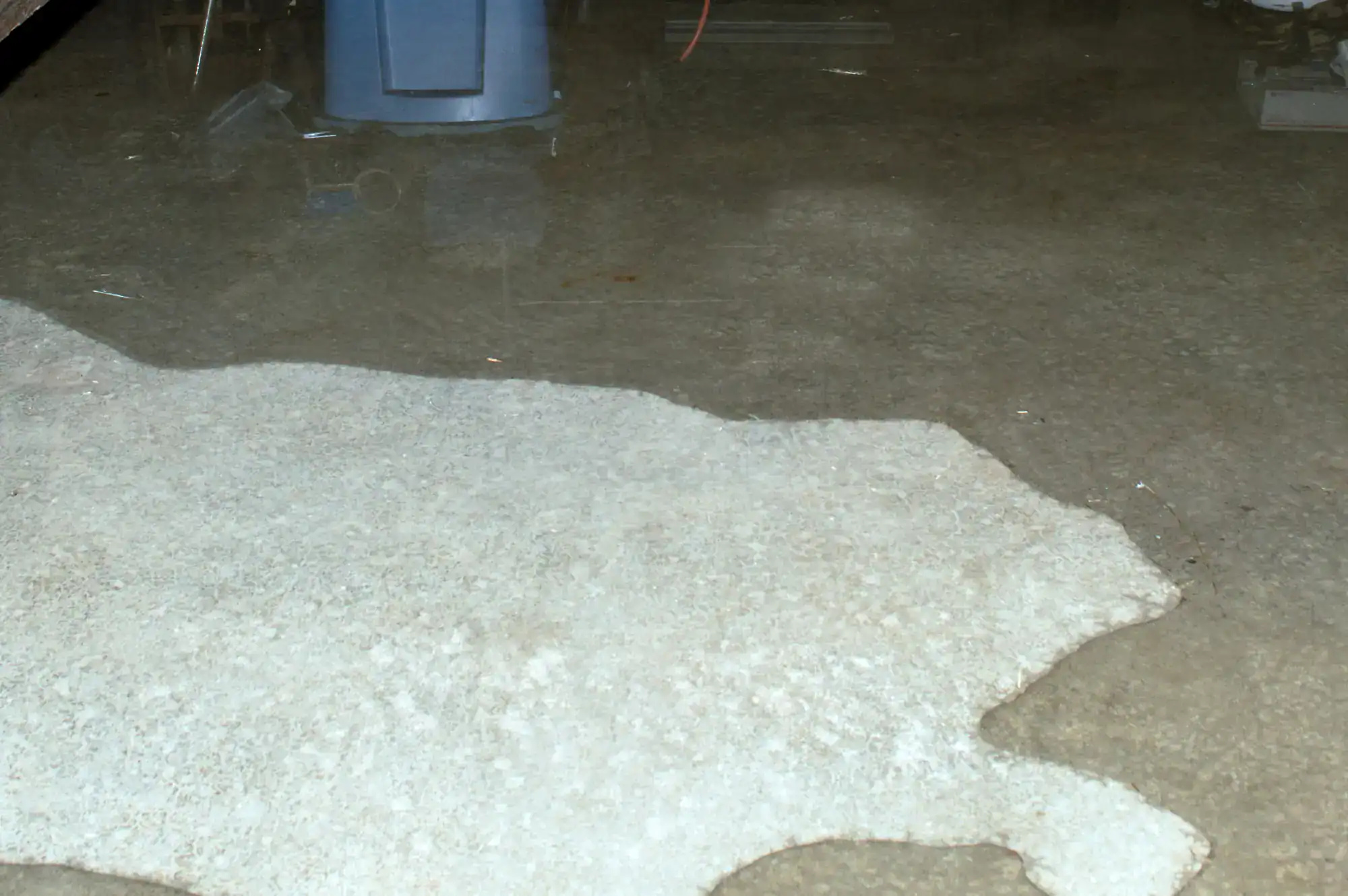
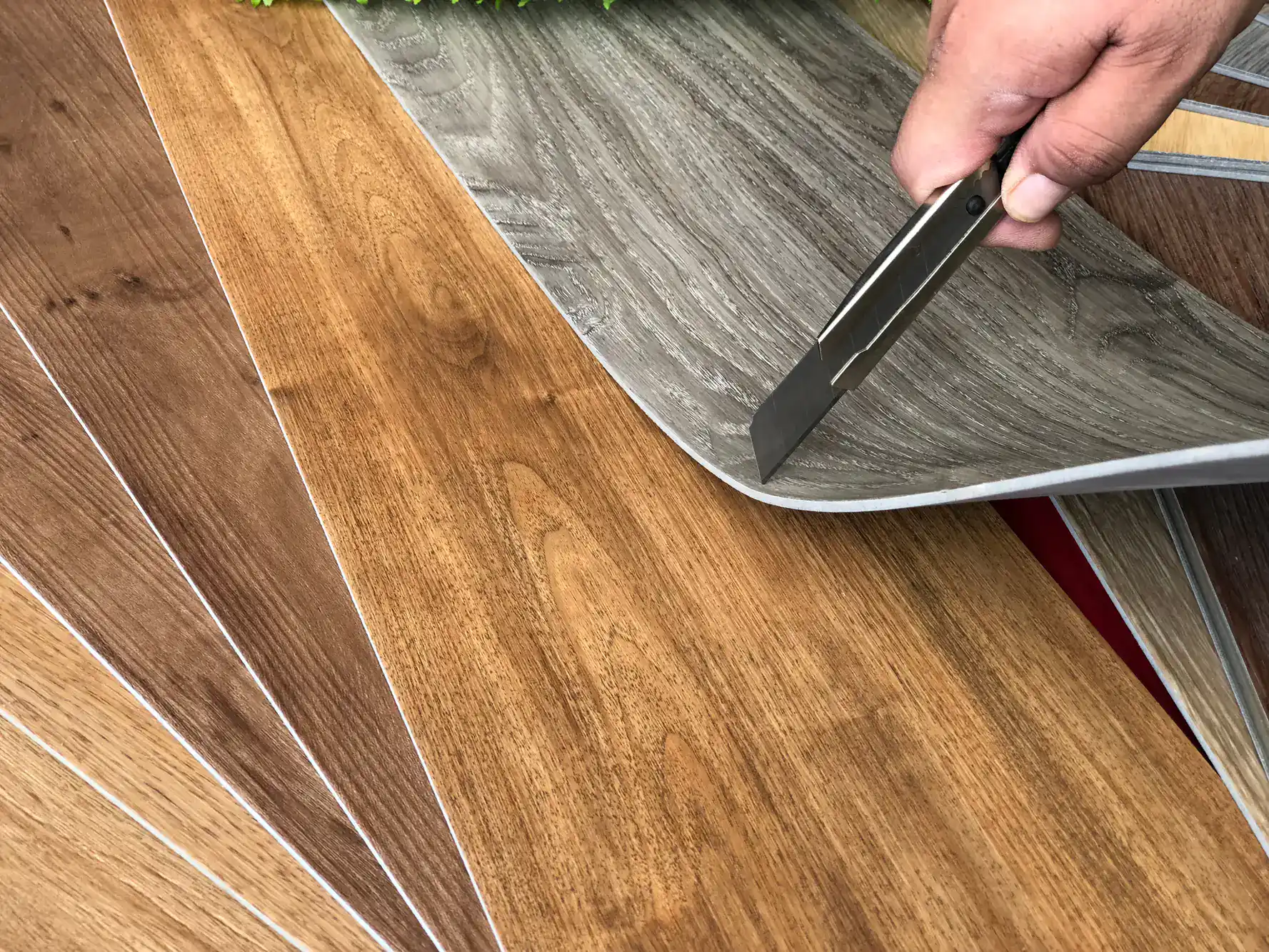
When apparatus rolls back into the bay after a January call on the Long Island Expressway, it’s bringing road salt, cold tires, and whatever came off that scene. Standard epoxy doesn’t survive that cycle for long. It cracks, it peels, and eventually you’re looking at a concrete floor that’s absorbing everything it should be repelling salt brine, diesel, hydraulic fluid, foam concentrate. That’s not a floor problem. That’s a contamination problem and a maintenance problem rolled into one.
A properly installed polyaspartic system handles all of it. The coating is chemically inert to road salt and fuel, four times more flexible than standard epoxy, and built to absorb the thermal shock of hot tires hitting a cold bay floor without lifting or bubbling. For a department that responds to incidents on two of Suffolk County’s busiest highways the Long Island Expressway and the Northern State Parkway that kind of durability isn’t optional.
The other thing worth knowing: Long Island’s water table and humid summers create real moisture vapor pressure through concrete slabs. That’s the reason coatings bubble and delaminate when they’re installed without proper prep. A floor that’s installed correctly from the start with moisture testing, diamond grinding, and the right system stays bonded. It doesn’t peel in year two. It doesn’t need to be redone before the decade is out. It just works.
We’re based in Bohemia, NY about 20 miles east of Dix Hills on the Long Island Expressway corridor. This isn’t a national brand or a franchise operation. We’re a commercial and industrial flooring contractor that has been doing this specific type of work for over 30 years, led by CEO Danny Harmer who has more than 40 years of hands-on installation experience.
We hold the Sherwin-Williams High Performance Flooring certification and Res Tech certification two of the most rigorous manufacturer credentials in the industry. Every installer on our crew is OSHA 40 certified, which matters when the job site is an active fire station where volunteers are coming and going around the clock. Field supervisors Javier, Eduardo, and Fredith bring a combined 40-plus years of experience between them, and most of our team has been with us for over a decade.
Our project portfolio runs from fire stations across Long Island and the five boroughs to the White House kitchen in 1996. The point isn’t to impress it’s to show that the Dix Hills Fire District isn’t a test case. We’ve installed more firehouse floors than most contractors have ever seen.
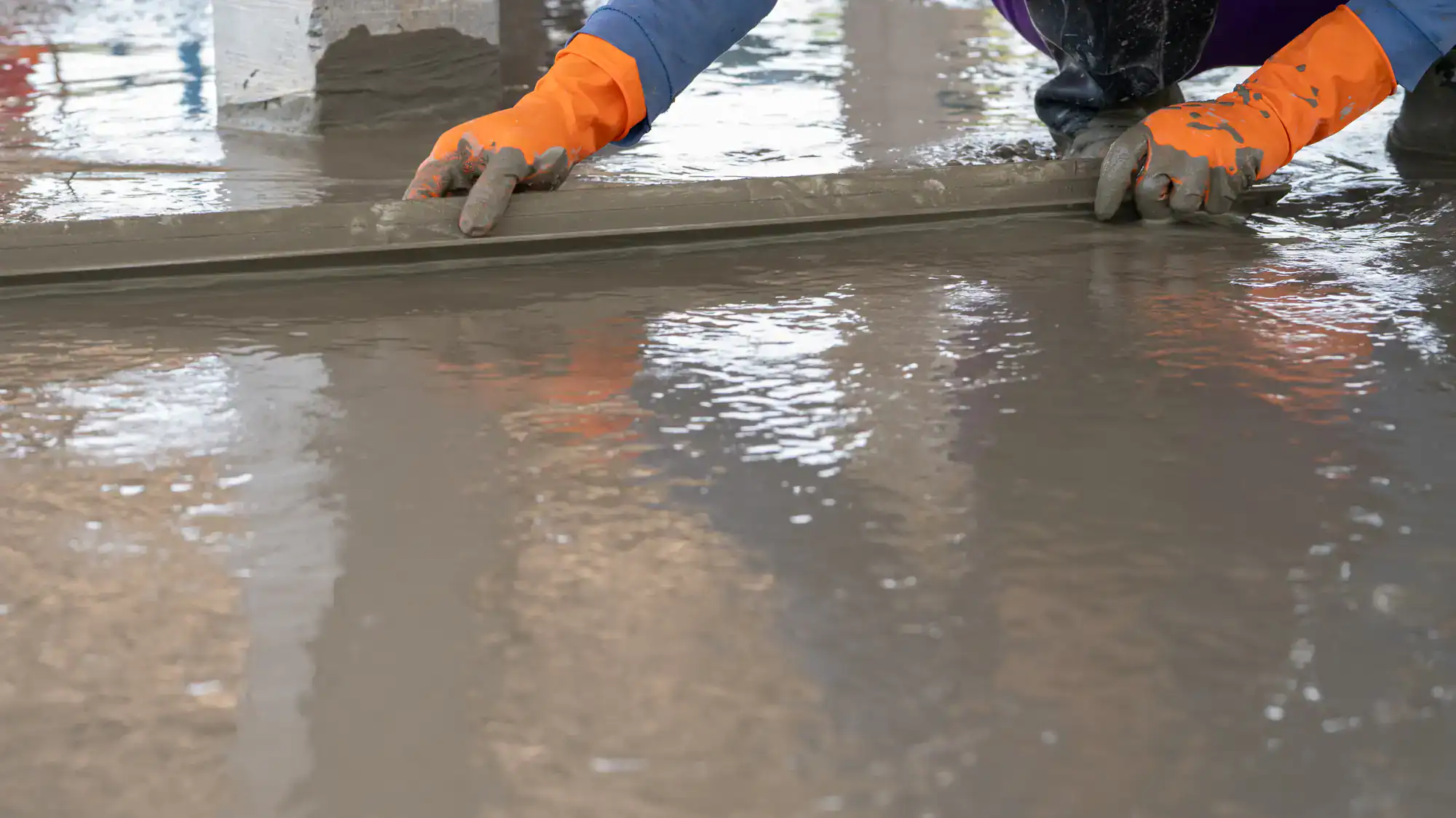
Every installation starts with diamond grinding not acid etching. Diamond grinding opens the concrete mechanically, creating a real surface profile that the coating bonds to at a structural level. Before anything goes down, we test the slab for moisture vapor transmission. In Suffolk County, where the water table runs close to the surface and summer humidity is a consistent factor, skipping that step is how floors fail. If moisture is present above threshold, we address it before the system goes in.
Once the slab is prepped and any cracks or damage are repaired, the installation follows a layered process: a penetrating primer, a quarter-inch mortar trowel-down base layer with aggregate broadcast for texture and grip, and a polyaspartic topcoat that cures fully within 24 hours. That cure time is the operational detail that matters most for a department covering nearly 25 square miles across three stations in Dix Hills. Apparatus doesn’t sit out of service for three to seven days. It goes back in the next day.
For projects at Dix Hills Fire District facilities whether that’s the headquarters on East Deer Park Road or any of the other stations the same process applies regardless of whether the slab is newly poured or decades old. New concrete actually provides an ideal installation scenario: a clean surface, optimal moisture conditions, and no failed prior coating to remove. Either way, the prep is non-negotiable. That’s what separates a floor that lasts 20 years from one that needs to be redone in five.
Ready to get started?
The apparatus bay is the most demanding zone in any firehouse, but it’s not the only one that needs the right floor. Decontamination zones, kitchens, locker rooms, and living quarters all have specific requirements slip resistance, chemical tolerance, seamless surfaces that can be cleaned without harboring contaminants. NFPA 1500 and 1585 create contamination control frameworks that affect how these areas need to be designed and maintained. A non-porous, seamless resinous floor is a direct infrastructure response to those standards, and it matters for a volunteer department like Dix Hills where protecting firefighters from occupational exposure is an ongoing priority.
We install across all of these zones using the appropriate system for each application. The apparatus bay gets the full quarter-inch mortar trowel-down system with polyaspartic topcoat rated for 40,000-plus-pound vehicle loads, hot-tire resistant, and impervious to the road salt that gets tracked in from Deer Park Avenue and the surrounding streets after every winter call. Support spaces get systems matched to their specific demands: slip-resistant coatings where wet conditions are common, chemical-resistant finishes in decon zones, and durable seamless surfaces in kitchens and living areas.
Using one certified contractor across the entire facility means consistent quality, compatible systems, and a single point of accountability. For a fire district governed by an elected Board of Fire Commissioners one that recently committed $8 million to a headquarters renovation that accountability matters. You get one warranty, one installer relationship, and one phone call if anything ever needs attention.
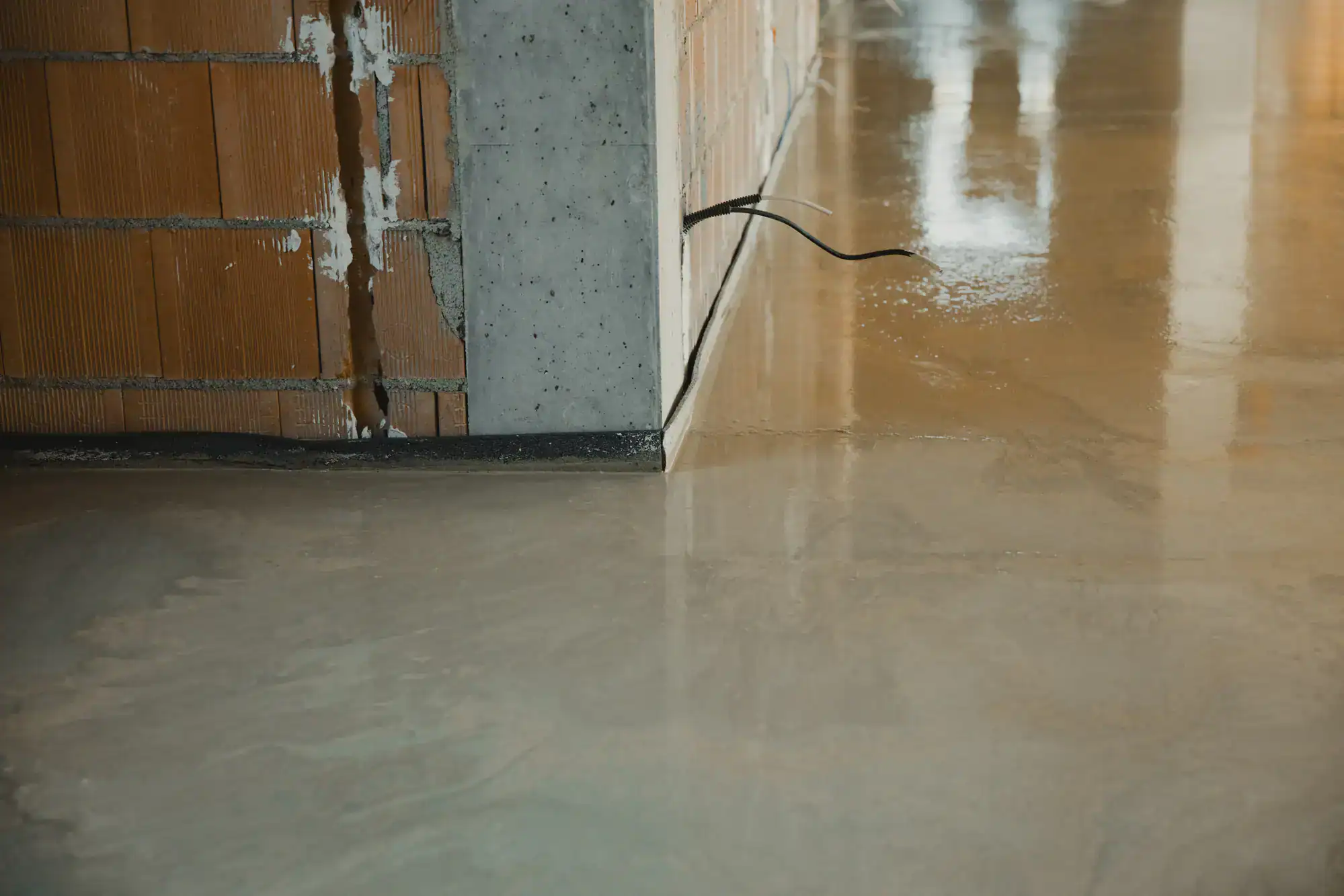
A professionally installed polyaspartic system in an apparatus bay should last 20 or more years under normal operational conditions. The key word is “professionally” meaning diamond-ground surface prep, moisture testing before installation, and the right system for the specific demands of the space. Dix Hills winters put real stress on apparatus bay floors. Freeze-thaw cycling, road salt tracked in from the Long Island Expressway and Northern State Parkway corridors, and the thermal shock of heated tires hitting a cold floor after a winter call are all factors that destroy standard epoxy coatings over time.
Polyaspartic topcoats are engineered specifically for this stress profile. They’re chemically inert to chloride salts, four times more flexible than standard epoxy, and UV-stable meaning they don’t yellow or degrade from sun exposure through bay doors. Consumer-grade or residential epoxy products, by contrast, typically last three to five years in a firehouse environment before they start peeling. The difference in lifespan makes the total cost argument straightforward: one professional installation outlasts three to four budget installations, without the disruption of repeated recoating projects.
The system that holds up under heavy fire apparatus and Suffolk County road conditions is a quarter-inch mortar trowel-down base with aggregate broadcast and a polyaspartic topcoat. The mortar base provides the compressive strength needed for 40,000-plus-pound vehicles engines, rescues, and tankers without cracking or compressing under load. The aggregate broadcast creates the texture and grip that keeps the floor safe when wet. The polyaspartic topcoat seals everything and provides the chemical resistance that road salt, diesel, hydraulic fluid, and foam concentrate require.
Standard thin-film epoxy coatings the kind commonly applied by residential contractors or sold as garage floor kits are not rated for this combination of load and chemical exposure. They’re typically applied at four to eight mils thick. A polyaspartic system goes down at 15 mils or more, providing a meaningful thickness advantage that translates directly to durability. For Suffolk County departments dealing with heavy winter road salt application on the roads their apparatus travels every day, that chemical resistance is what keeps the floor intact year after year.
Yes and for a department covering nearly 25 square miles across three stations, that’s the only acceptable answer. The polyaspartic system we install cures fully within 24 hours, which means apparatus can return to the bay the next day. Traditional epoxy systems require three to seven days of cure time before vehicles can return, which creates a coverage gap that most departments simply can’t absorb, especially a volunteer department like the Dix Hills Fire District that responds to over 2,500 calls per year.
The installation itself is planned to minimize disruption. Work is typically staged so that one bay or zone is being coated while others remain accessible. Our crew is OSHA 40 certified, which means we’re trained to work safely in active facilities where firefighters and staff are present. For a station where volunteers are coming and going around the clock whether it’s the headquarters on East Deer Park Road or either of the other Dix Hills stations that safety standard matters as much as the speed of the cure.
A floor coating project meaning the application of a resinous system to an existing concrete slab typically does not require a building permit in the Town of Huntington, which governs Dix Hills. Floor coatings are generally classified as a maintenance or cosmetic improvement rather than a structural modification, so they fall below the threshold that triggers permitting requirements under the Town of Huntington’s building code.
That said, if the project involves drainage modifications, concrete grinding that affects the structural slab, or construction of new decontamination infrastructure, those elements may require review. For fire district capital projects, the Dix Hills Board of Fire Commissioners is the governing body that approves expenditures, and projects above certain dollar thresholds may be subject to competitive bidding requirements under New York State General Municipal Law. It’s worth confirming the current bidding threshold with the fire district’s legal counsel or the Board directly before going to contract. We have experience working within municipal procurement processes and can provide the documentation certifications, insurance, project specifications that a formal bid package typically requires.
Because the prep is what determines whether the floor bonds or fails. In Dix Hills and across central Long Island generally concrete slabs are subject to moisture vapor transmission driven by the region’s water table and seasonal humidity. When moisture vapor pushes up through a slab that hasn’t been properly tested and prepared, it breaks the bond between the coating and the concrete. The result is bubbling, delamination, and a floor that starts peeling within months of installation. This is the single most common failure mode in apparatus bay floor coatings, and it’s almost always caused by skipping or shortcutting the prep.
Diamond grinding not acid etching is the correct surface preparation method for a floor that needs to hold under fire truck loads and chemical exposure. Grinding creates a mechanical bond profile that acid etching cannot replicate. Acid etching removes material chemically but leaves a surface that’s inconsistent and often contaminated by the acid residue itself. A ground surface, properly tested for moisture, properly primed, and properly coated with a system matched to the application, will hold for 20-plus years. A shortcut on the prep means you’re looking at a redo in two to three years which costs more in the long run than doing it right the first time.
Every time apparatus returns from a structure fire, the bay floor gets contaminated soot, combustion byproducts, carcinogenic residue from burning materials. On bare concrete or a cracked, porous coating, those contaminants soak in and stay. You can mop the surface, but you can’t clean what’s already absorbed into the substrate. Over time, that creates a chronic exposure environment for every firefighter who works in that bay.
A seamless, non-porous polyaspartic floor changes that equation entirely. There are no cracks, no grout lines, no pores for contaminants to settle into. The surface can be power-washed clean after every significant call. This is a direct infrastructure response to the contamination control requirements under NFPA 1500 and 1585 standards that are increasingly enforced and increasingly relevant as the fire service focuses on occupational cancer prevention. For the Dix Hills Fire Department’s all-volunteer force, where protecting members from long-term health exposure is a real operational priority, the floor isn’t just a surface to park trucks on. It’s part of the decontamination system. Getting it right matters beyond aesthetics or durability it’s a health decision for the people who work in that station every day.