Your hangar floor takes a beating most people don't think about. Here's what it actually needs to hold up — and stay compliant.
If you’re hangaring aircraft at MacArthur Airport or anywhere else in Bohemia, your floor is doing more work than you probably give it credit for. It’s absorbing point loads from landing gear, soaking up fuel and hydraulic fluid spills, and sitting under the feet of mechanics who need solid footing when things get slippery. And depending on how your hangar is used, it may also be subject to code requirements you’ve never heard of. This page answers the questions hangar owners actually ask — plainly, without the sales pitch — so you can make a smart decision about what your floor really needs.
Most hangar owners have never heard of NFPA 409, and that’s understandable. It’s not the kind of thing that comes up until an inspector, an insurance adjuster, or an airport authority asks about it. But it’s real, and it applies to your facility.
NFPA 409 — the Standard on Aircraft Hangars — requires that the grade floor surface in aircraft storage and servicing areas be noncombustible. That means not every coating or sealer qualifies. Standard consumer-grade products, DIY epoxy kits, and basic concrete sealers may not meet this threshold. If your floor doesn’t comply, that’s a liability exposure and potentially a coverage issue with your insurer.
We specify and install epoxy systems that meet this standard. The key is proper specification — which is exactly where the conversation needs to start.
The short answer is that most of them were never set up to succeed. Up to 80% of epoxy floor failures trace back to inadequate surface preparation — not bad products, not bad luck, but skipped steps. A contractor grinds the surface lightly, skips moisture testing, applies a product rated for a warehouse, and moves on. The floor looks fine for six months. Then it starts peeling.
Moisture is the part most people don’t think about. Concrete slabs — especially older ones like you’d find in hangars that have been around for decades — emit moisture vapor from below. You can’t see it. You can’t feel it. But if a coating is applied over a slab that hasn’t been properly tested and prepared, that moisture pushes up from underneath and breaks the bond. The coating lifts. Bubbles form. Eventually it peels in sheets.
We include moisture testing as a standard part of every installation, not an optional add-on. It’s not a formality — it’s the step that determines whether the floor you’re paying for will still be intact in five years.
The other common failure point is chemical mismatch. Hangar environments are chemically aggressive in ways that most flooring contractors don’t fully account for. Jet-A fuel, aviation gasoline, hydraulic oils, de-icing agents — these are hard enough on their own. But Skydrol is in a different category entirely. It’s a phosphate ester hydraulic fluid used in commercial aircraft, and it will etch and stain bare concrete within months. Standard epoxy formulations aren’t designed to resist it. We specify aviation-grade systems using resin formulations that hold up against the actual chemistry present in a working hangar — not just the chemistry present in a typical warehouse or garage.
The third failure point is cure time. Some contractors rush it. They apply coats too close together, return the floor to service before it’s reached full hardness, and the result is a surface that scuffs, scratches, and degrades faster than it should. Each layer in a properly installed system — primer, base coat, topcoat — needs time to cure and bond correctly before the next one goes down. That’s not negotiable if you want the floor to last.
It depends on how the hangar is used, and it’s worth understanding the difference before you commit to either direction.
Polished concrete is a densification process. Rather than adding a coating on top of the slab, it works with the existing concrete — grinding it progressively finer, applying a chemical densifier that hardens the surface at a molecular level, and finishing it to a reflective sheen. The result is a surface that’s harder than standard concrete, nearly dust-free, and easier to maintain than a raw slab. It also reflects ambient light well, which matters in a hangar where you’re working under aircraft and need good visibility.
For private hangar owners in Bohemia — someone with a single-engine or light twin based at MacArthur or Brookhaven — polished concrete can be an excellent fit. It’s clean, professional-looking, and holds up well to moderate traffic and incidental fuel exposure. If you’re not doing heavy maintenance work and you’re not regularly dealing with Skydrol or large fluid spills, it’s a legitimate option worth considering.
Where polished concrete has limits is in higher-demand environments. MRO facilities, FBO maintenance bays, and hangars doing regular work on turbine aircraft are dealing with chemical exposure and mechanical stress that polished concrete isn’t designed to handle at the same level as a high-build epoxy system. In those environments, we recommend a multi-layer epoxy system — with a chemical-resistant topcoat specifically formulated for aviation chemistry.
The honest answer is that the right choice depends on your specific situation: what aircraft you’re housing, what maintenance activity happens on that floor, and what you’re trying to accomplish. We’d rather help you figure out the right fit than push you toward the most expensive option on the menu. That’s a conversation worth having before any work starts.
Want live answers?
Connect with an Advanced Epoxy Flooring expert for fast, friendly support.
Long Island MacArthur Airport sits right here in Bohemia — and with 247 based aircraft and over 60,000 flight operations a year, there’s a real, active aviation community in this area. We hear from hangar owners, FBO operators, and maintenance facilities with questions that range from basic to very specific. These are the ones that come up most often, and they’re the ones that matter when you’re trying to make the right decision about your floor.
This is usually the first thing people want to know, and it’s a fair concern. A hangar that’s out of service for a week creates real problems — displaced aircraft, disrupted maintenance schedules, and in an FBO context, lost revenue.
The honest answer is that it depends on the size of the hangar, the condition of the existing concrete, and the system being installed. For a standard T-hangar or small box hangar, a full installation — surface preparation, primer, base coat, topcoat — typically takes two to four days. Larger maintenance bays or facilities with significant concrete repair work take longer.
What’s changed the calculus for a lot of hangar owners is polyaspartic topcoat technology. Polyaspartic coatings cure significantly faster than traditional epoxy topcoats — in many cases, a hangar can return to service within 24 hours of the final coat being applied. That’s not a guarantee for every situation, but it’s a real option for owners who can’t afford extended downtime. We’ll tell you upfront what the realistic timeline looks like for your specific space.
One thing that does add time — and is worth doing regardless — is concrete repair. Older hangars in the Bohemia area, including many of the facilities around MacArthur Airport that have been in operation for years, often have cracked, spalled, or deteriorating slabs. Applying a coating over damaged concrete doesn’t fix the concrete; it just covers it temporarily. We address substrate issues before any coating goes down, because the floor is only as good as what’s underneath it. That step adds time, but it’s the difference between a floor that holds up and one that fails within a year.
Two concerns in one question, and both are worth addressing directly.
On slip resistance: OSHA requires slip-resistant walking surfaces in industrial environments, and a hangar with regular fuel and fluid exposure is exactly the kind of environment that standard demands apply to. Bare concrete is actually not particularly slip-resistant when it’s wet with Jet-A or hydraulic fluid — the surface becomes unpredictable fast. Our professionally installed epoxy systems incorporate anti-slip aggregate — typically aluminum oxide or quartz — broadcast into the topcoat while it’s still wet. The result is a surface with a measurably higher coefficient of friction than bare concrete, even when it’s wet. That’s not a marketing claim; it’s a testable, documented property of the finished floor.
On load capacity: aircraft impose significant point loads through their landing gear, and ground support equipment — tow tractors, fuel trucks, maintenance lifts — adds to that. A high-build epoxy system applied at proper thickness distributes those loads across the slab rather than concentrating them at a single point. The system also reinforces the surface against impact from dropped tools and equipment. The concrete substrate is still doing the structural work, but the coating adds a meaningful layer of protection that bare concrete doesn’t have.
There’s another factor worth mentioning specific to Bohemia and the Long Island area: coastal humidity and freeze-thaw cycles. The humidity here is higher than inland markets, and the winter freeze-thaw cycles through a Suffolk County winter put real stress on concrete. Unprotected slabs absorb moisture, that moisture expands when it freezes, and the concrete degrades over time. A properly sealed, coated floor slows that process significantly. It’s one of the reasons we see older hangars in this area with floors that look far worse than their age would suggest — the concrete was left exposed to conditions it wasn’t designed to handle indefinitely.
Safety striping is part of this conversation too. OSHA-compliant zone markings — pedestrian walkways, equipment areas, emergency egress paths — are part of a complete professional installation, not an afterthought. If your hangar doesn’t have clear demarcation, that’s both a safety gap and a compliance gap.
The right floor for your hangar isn’t a product — it’s a process. It starts with understanding what your floor is actually being asked to do, testing the substrate before anything gets applied, and specifying a system that matches the real demands of your environment. That’s true whether you’re housing a single Cessna or running a full maintenance operation.
We’ve been doing this work for over 35 years, including projects across the United States and internationally — and we’re based right here in Bohemia, minutes from MacArthur Airport. That proximity isn’t just convenient; it means we understand the local conditions, the local aviation community, and what floors in this environment actually need to hold up against.
If you have questions about your current floor — whether it’s code-compliant, chemically protected, or simply showing its age — we’re a straightforward call or message away. No pressure, no guesswork. Just a straight answer about what you’re working with and what would actually help.
Summary:
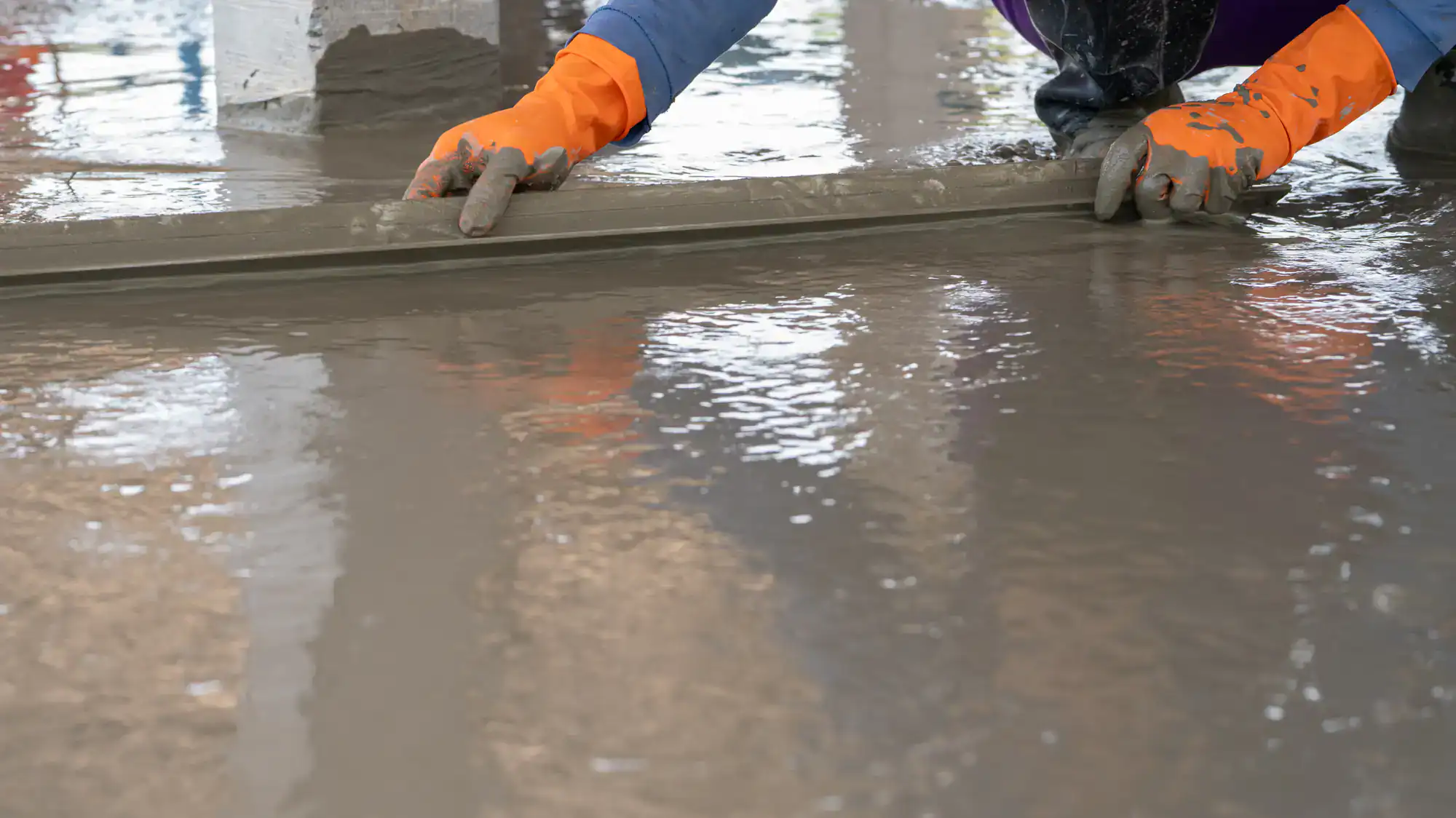
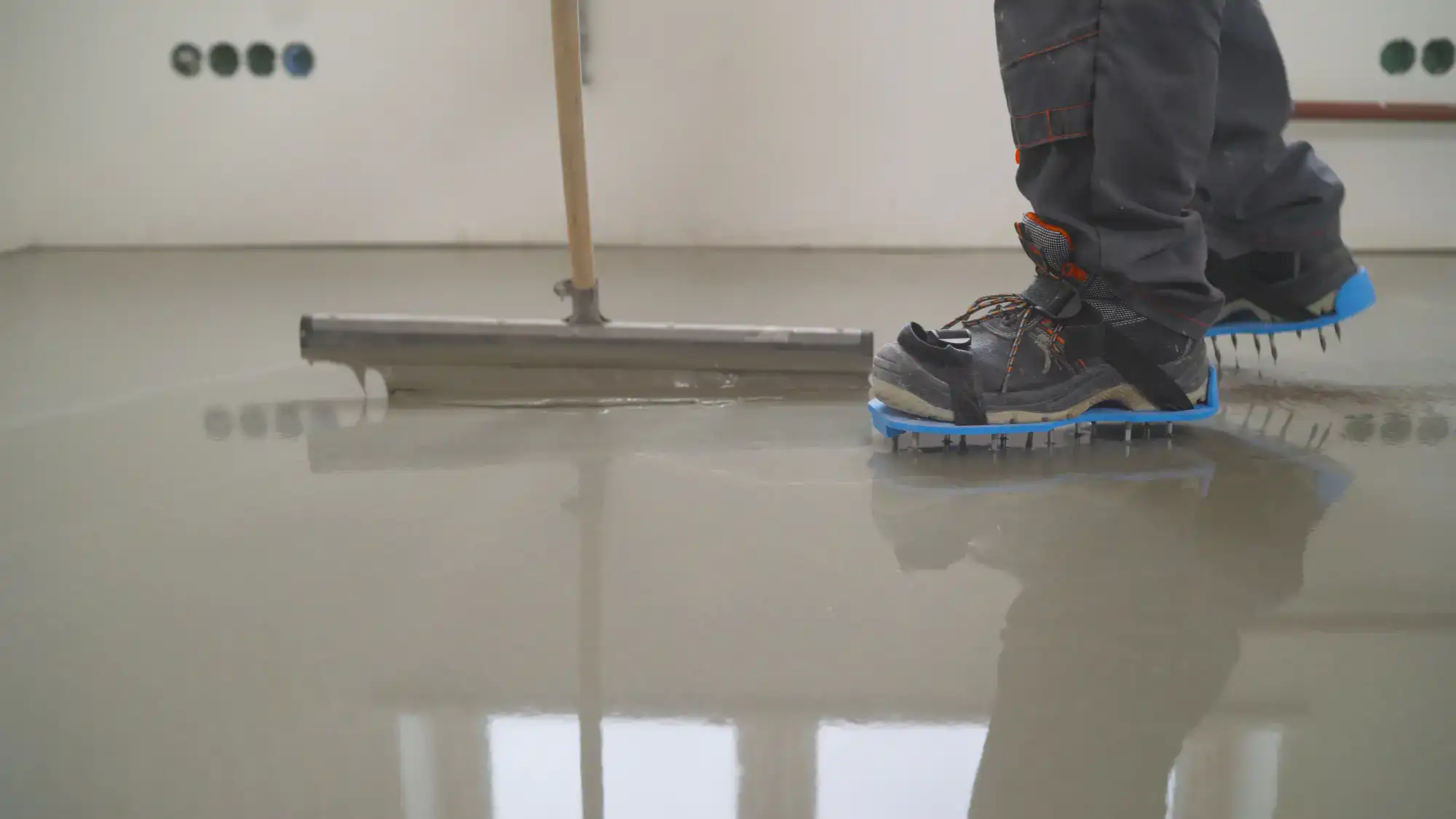
The 2026 Shift: Why High-Performance Self-Leveling Systems are Trending in Modern Residential Design
Article details:
Share: