Your floor takes more abuse than you think. Here's how to protect it — and what to do when it starts showing its age.
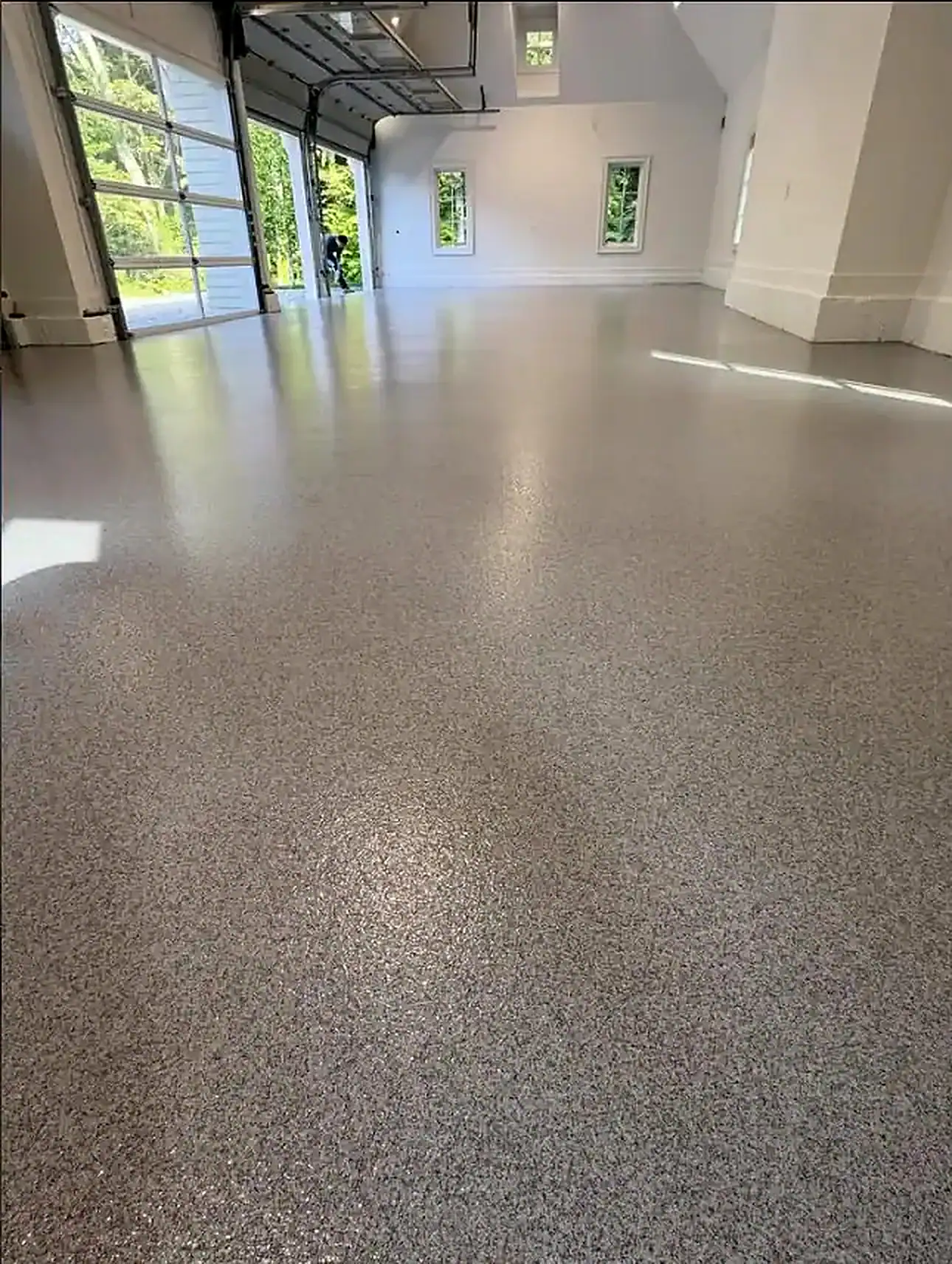
You spent real money on that floor. Or you’re about to. Either way, you want it to last — and you want it to keep looking the way it did the day it was finished. The problem is, most homeowners don’t get much guidance after installation. They’re left guessing about what cleaners are safe, when a chip becomes a problem, and whether that haze building up on the surface is normal. It’s not complicated, but it does matter. Here’s what you actually need to know to protect your investment and keep your residential floor looking like it belongs in a showroom — not a storage unit.
Epoxy floors are low maintenance — but low maintenance isn’t the same as no maintenance. The basics are simple: sweep regularly, mop with a mild cleaner, and deal with spills before they sit. What trips people up is using the wrong products or letting small issues go until they become bigger ones.
Harsh chemicals are the most common mistake. Bleach-based cleaners, citrus degreasers, and abrasive scrubbing pads can dull the topcoat over time and compromise the surface’s protective layer. Warm water and a pH-neutral cleaner is genuinely all you need for routine cleaning — and it keeps the finish intact for the long haul.
Moisture is the biggest threat to any epoxy floor — and on Long Island, that’s not a hypothetical. The combination of coastal humidity, seasonal freeze-thaw cycles, and the high water table that runs beneath much of Suffolk County creates real pressure on concrete slabs year-round. When moisture vapor pushes up through the slab and has nowhere to go, it can cause the coating to bubble, lift, or delaminate from underneath. This is exactly why moisture testing before installation isn’t optional — it’s the step that determines whether a floor lasts two years or twenty.
Beyond moisture, the other silent killer is impact damage that gets ignored. A chip in the topcoat might look minor, but it’s an entry point. Water, oil, and cleaning chemicals can work their way under the coating through that chip and start lifting the surrounding area. Catching it early — filling it with a compatible epoxy repair product — takes about ten minutes and prevents a much larger problem.
Hot tire pickup is another issue that surprises a lot of homeowners. When you pull a car that’s been running into a cool garage, the heat from the tires can soften a lower-grade epoxy topcoat and cause it to lift when the car moves. A proper polyaspartic topcoat, which we use on most residential garage floors, is significantly more resistant to thermal stress than standard epoxy alone.
Sunlight is worth mentioning too. Standard epoxy can yellow or fade with prolonged UV exposure, which matters for garages with windows or any space that gets direct sun. UV-stable polyaspartic topcoats address this directly and are now a standard part of how we finish residential floors. The result holds its color and gloss far longer than older epoxy-only systems.
For most residential garages, a weekly sweep and a monthly mop is more than enough to keep the floor in good shape. If you’re using the garage as a workshop — cutting wood, grinding metal, working on cars — you’ll want to sweep more often just to keep abrasive debris from grinding into the surface underfoot.
A full reseal or refresh coat isn’t something most homeowners need to think about for the first ten years, assuming the floor was installed correctly with proper surface preparation. After that, it depends on how the floor has been used. A garage that parks two cars and stores holiday decorations will look different at the fifteen-year mark than one that’s doubled as a workshop since day one. We can assess any floor and tell you honestly whether a maintenance coat makes sense or whether the system is holding up fine on its own.
One thing worth doing annually is a close visual inspection — get low and look across the surface in raking light. You’re looking for dull patches, minor chips, or any areas where the coating looks like it might be separating from the concrete. These are easy to address when caught early. Left alone, they tend to spread.
The same principle applies to polished concrete floors, though the care routine is slightly different. Polished concrete doesn’t have a coating to protect — the surface is the concrete itself, refined through mechanical grinding. It benefits from a penetrating sealer applied every few years to maintain its resistance to staining and moisture absorption. The good news is that polished concrete is extremely forgiving — scratches and scuffs that would damage a coating simply blend into the surface over time.
Want live answers?
Connect with an Advanced Epoxy Flooring expert for fast, friendly support.
Epoxy gets most of the attention, but polished concrete is increasingly the choice for homeowners who want a refined, modern look without a coating sitting on top of the floor. The process uses industrial diamond abrasives to mechanically grind and refine the concrete surface itself — progressively finer passes until the floor reaches the desired level of sheen, from a low matte finish to a high-gloss surface that reflects light like stone.
It’s a different aesthetic than epoxy and a different maintenance commitment. There’s no coating to chip or peel, no topcoat to reapply. What you’re working with is the concrete — just a much better version of it.
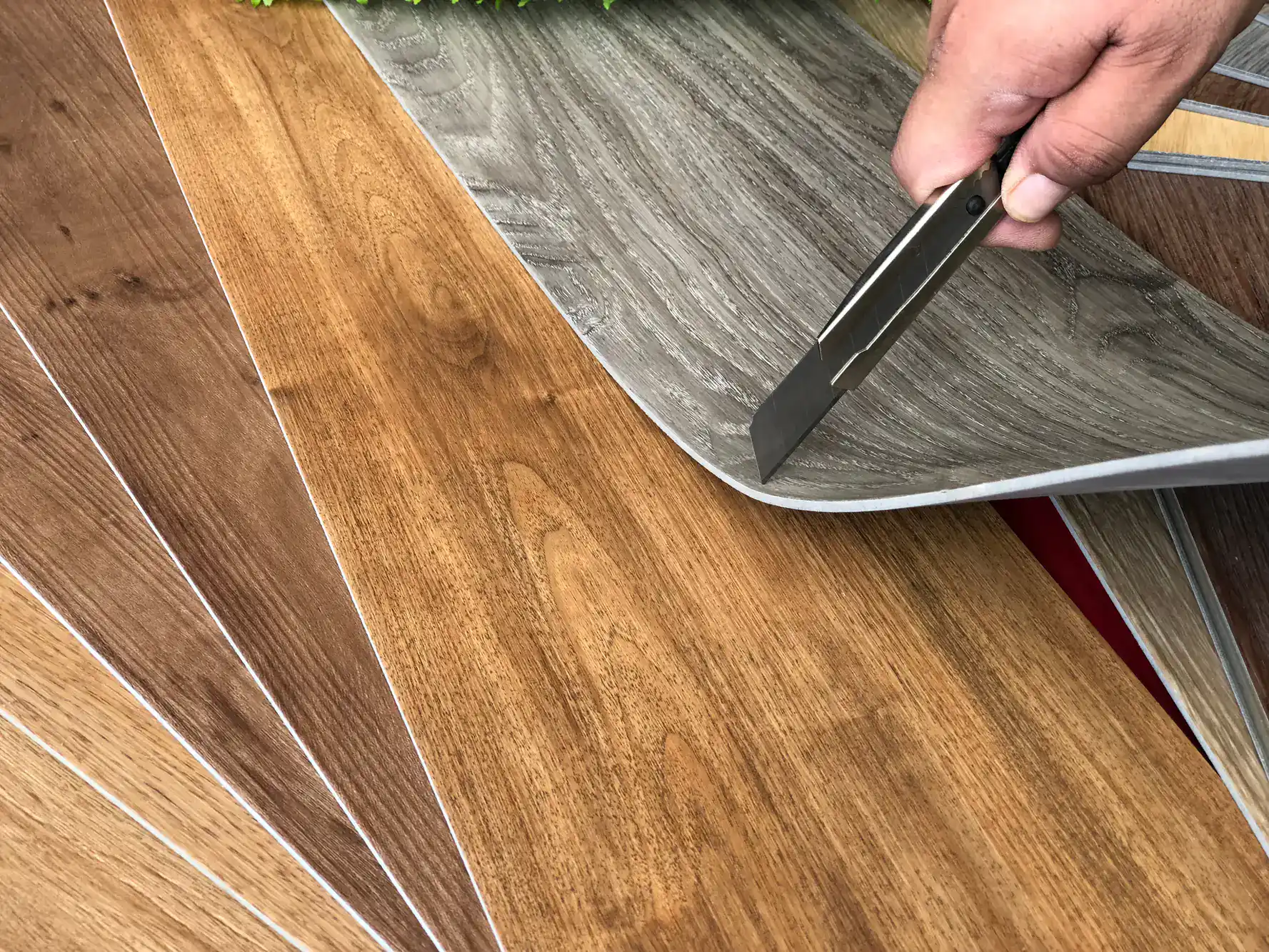
The honest answer is that it depends on what the space is used for and what you want it to look like. Epoxy is the stronger choice for garages that see heavy vehicle traffic, chemical exposure, or impact from tools and equipment. The coating adds a protective layer that polished concrete simply doesn’t have, and the decorative options — chip flake systems, metallic finishes, quartz broadcast — give you a lot of control over the final appearance.
Polished concrete tends to work better in spaces where the aesthetic is the priority and the floor won’t face constant chemical or impact stress. Basements converted to living space, home gyms, modern interior rooms — these are environments where polished concrete performs beautifully and holds up well over time. It’s also a natural fit for homeowners who prefer a cleaner, more minimal look over the glossy, chip-flake aesthetic that’s common in garage applications.
One thing that surprises people is how dramatically polished concrete can transform an old slab. Many of the homes in Bohemia and the surrounding Islip area were built in the 1950s through the 1980s — which means a lot of the concrete we work with is 40 to 70 years old. It’s cracked, stained, and tired-looking. But concrete that’s been neglected for decades can often be brought back to something genuinely beautiful through polishing, assuming the structural integrity is sound. We assess every slab before recommending a direction, and we’ll tell you straight if the concrete isn’t a good candidate.
For homeowners who want the best of both approaches, a polished concrete base with a penetrating sealer and a clear epoxy or polyaspartic topcoat is a hybrid option worth considering. It gives you the natural look of the concrete with added protection and easier maintenance. It’s not the right fit for every project, but it’s a conversation worth having before you commit to one direction.
**Why did my DIY epoxy kit peel within a year?** This is probably the most common question we hear. The short answer is that consumer-grade epoxy kits aren’t designed to perform like professional systems — the formulations are thinner, the surface preparation instructions are simplified, and most homeowners don’t have access to the diamond grinding equipment needed to create a proper concrete surface profile. When the coating doesn’t bond correctly to the slab, it lifts. On Long Island, where moisture vapor pushing up through the slab is a constant factor, skipping professional moisture testing almost guarantees failure. A professional installation addresses all of this before the first coat goes down.
**Is epoxy flooring slippery when wet?** It can be, if it’s installed without a slip-resistant additive. We broadcast aluminum oxide or quartz into the topcoat on most residential garage floors, which provides meaningful traction even when the floor is wet from rain or snow tracked in off the driveway. It’s a standard part of the process for us — not an upsell.
**How long will a professionally installed epoxy floor last in a Bohemia home?** With proper installation and basic maintenance, you’re looking at 10 to 20 years or more. Homes in Bohemia deal with real seasonal stress — freeze-thaw cycles through winter, high humidity in summer, and the kind of ground moisture that comes with being on Long Island. The systems we install are built to handle those conditions. We’ve been working in the Bohemia area since the 1990s, so we’re not guessing about what the local environment demands.
**Can you coat a concrete floor that’s already cracked?** In most cases, yes. Crack repair is a standard part of our preparation process. We assess the cracks, determine whether they’re structural or surface-level, and repair them before any coating is applied. Most cracked concrete in residential garages and basements doesn’t need to be replaced — it needs to be properly prepared.
**How long does the installation take?** Most residential garage floors are completed in one to two days. You can typically return to normal use — including parking vehicles — within 24 to 72 hours depending on the system. We’ll give you a clear timeline before we start so there are no surprises.
A well-maintained floor — whether it’s epoxy, polished concrete, or a combination of both — is one of the lowest-effort, highest-return investments you can make in a home. The maintenance isn’t complicated. The installation, done right, lasts decades. And the difference between a floor that holds up and one that fails within a year almost always comes down to the preparation and the products used from the start.
If your garage or basement floor is showing its age, or if you’re trying to figure out whether epoxy or concrete polishing makes more sense for your space, the best next step is a real conversation with someone who can actually look at what you’re working with. We’ve been doing this work in Bohemia and across Long Island since the 1990s — and we’re straightforward about what a floor needs and what it doesn’t. Reach out when you’re ready.
Summary:
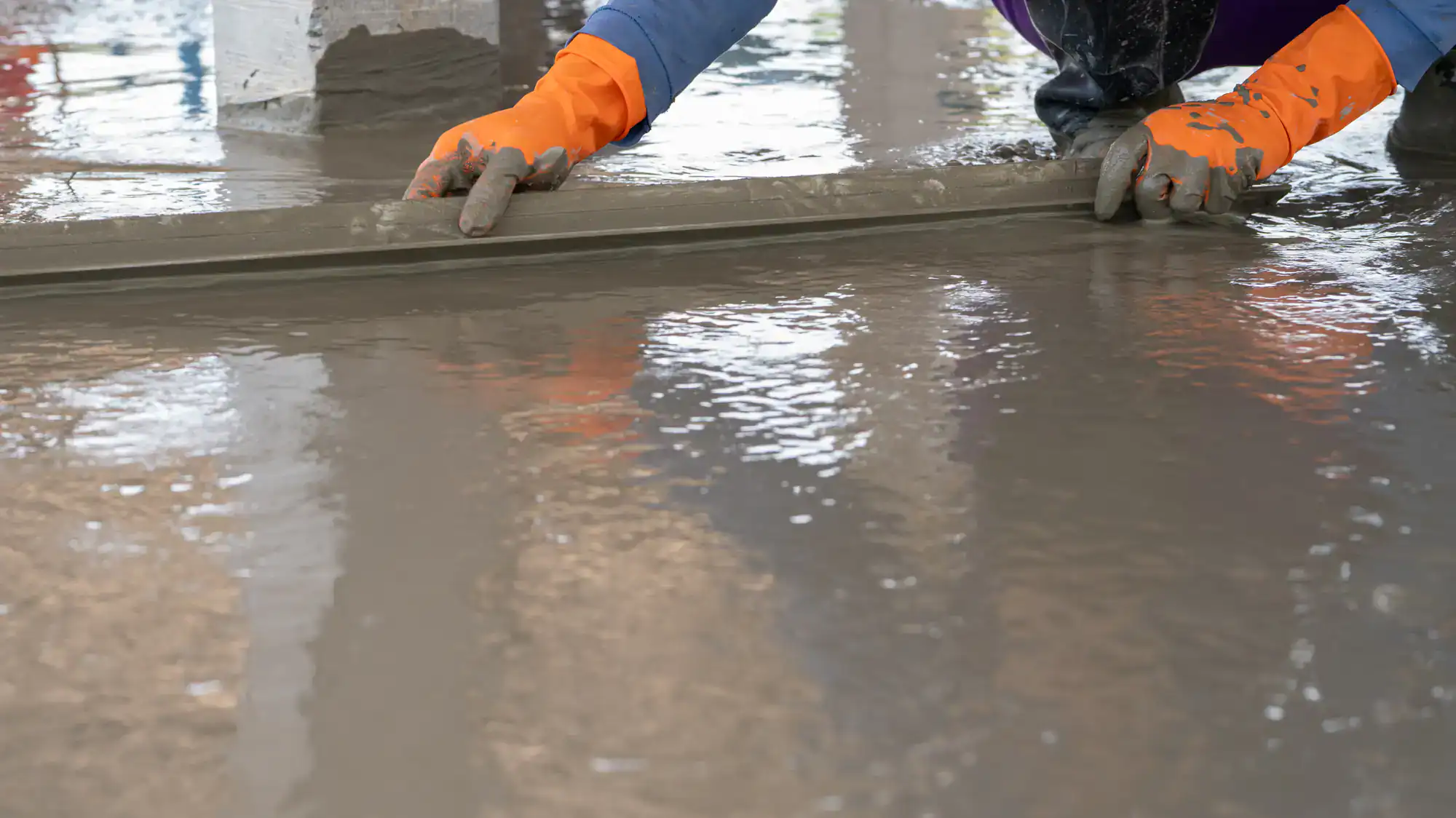
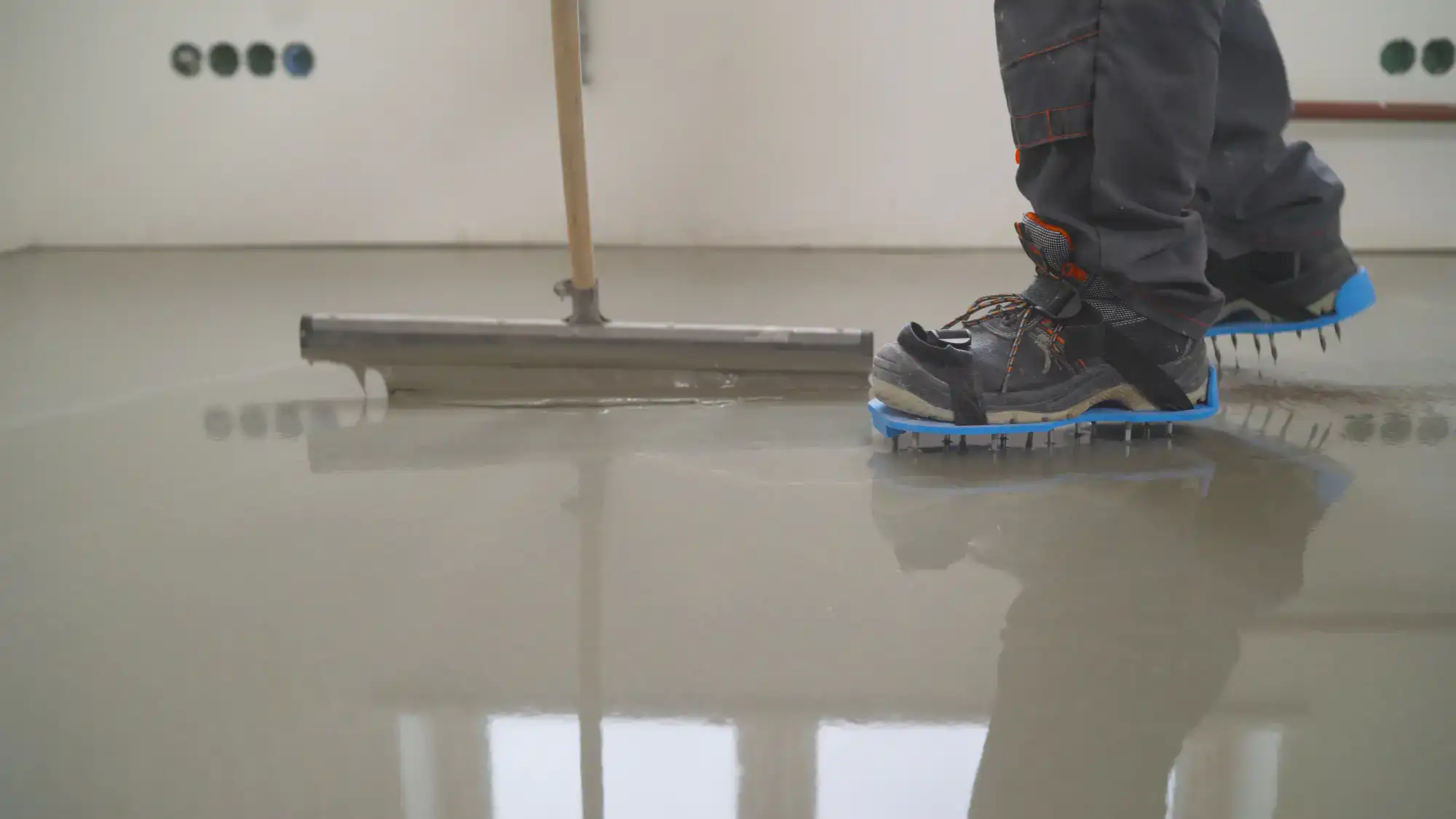
The 2026 Shift: Why High-Performance Self-Leveling Systems are Trending in Modern Residential Design
Article details:
Share: