
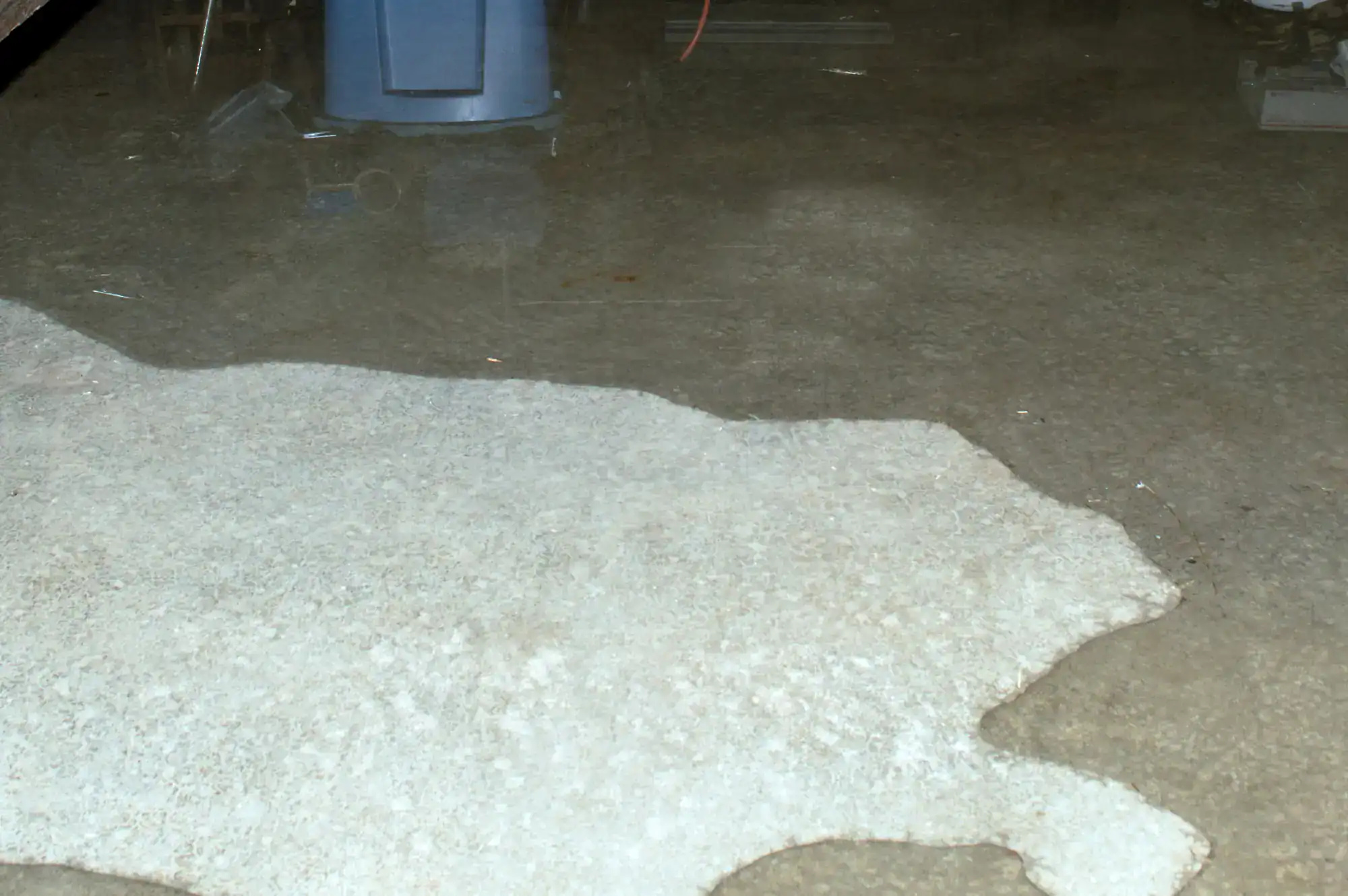
The Village of Hempstead Fire Department has been running calls since 1832. That’s nearly two centuries of apparatus rolling in and out, bringing road salt, hydraulic fluid, diesel, and de-icing chemicals from Hempstead Turnpike straight onto the bay floor. Bare concrete absorbs all of it. And once it does, the damage compounds cracking, spalling, surface deterioration that gets worse every winter and never gets better on its own.
A properly installed apparatus bay floor changes that entirely. You get a seamless, non-porous surface that stops chemical penetration at the top layer. Spills and residue sit on the surface where they can be washed away, not absorbed into the slab where they quietly destroy it. For a department with high call volume serving one of Nassau County’s most densely populated communities, that means less maintenance, fewer slip hazards, and a floor that doesn’t become the next line item on the district board’s repair list.
Nassau County winters create freeze-thaw cycling that is genuinely brutal on rigid coatings. Temperatures drop to the mid-twenties, the slab contracts, and anything brittle cracks with it. The polyaspartic systems we install are four times more flexible than standard epoxy they move with the concrete instead of fighting it. That’s the reason these floors last 20-plus years in active Long Island fire stations while standard coatings need to be replaced every five.
We’ve been installing commercial and industrial resinous floor systems on Long Island for over 30 years, with deep roots in the Hempstead area and throughout Nassau County. Our CEO Danny Harmer brings more than 40 years of hands-on installation experience to every project not management experience, not sales experience. He has been on the floor doing this work longer than most competitors have been in business. Field supervisors Javier, Eduardo, and Fredith add another 40-plus years of combined experience, and most of our crew has been with the company for over a decade. That kind of consistency shows in the work.
We hold the Sherwin-Williams High Performance Flooring certification one of the most rigorous manufacturer-approved applicator credentials in the commercial flooring industry along with a Res Tech certification and OSHA 40 certification for all field installers. For fire districts in the Town of Hempstead answering to elected boards and ultimately to taxpayers, those credentials matter. You are not hiring a painting contractor who added floor coatings to their service list. You are hiring a team that has done nothing but this for three decades, from commercial facilities across Long Island and the five boroughs to the White House kitchen in 1996.
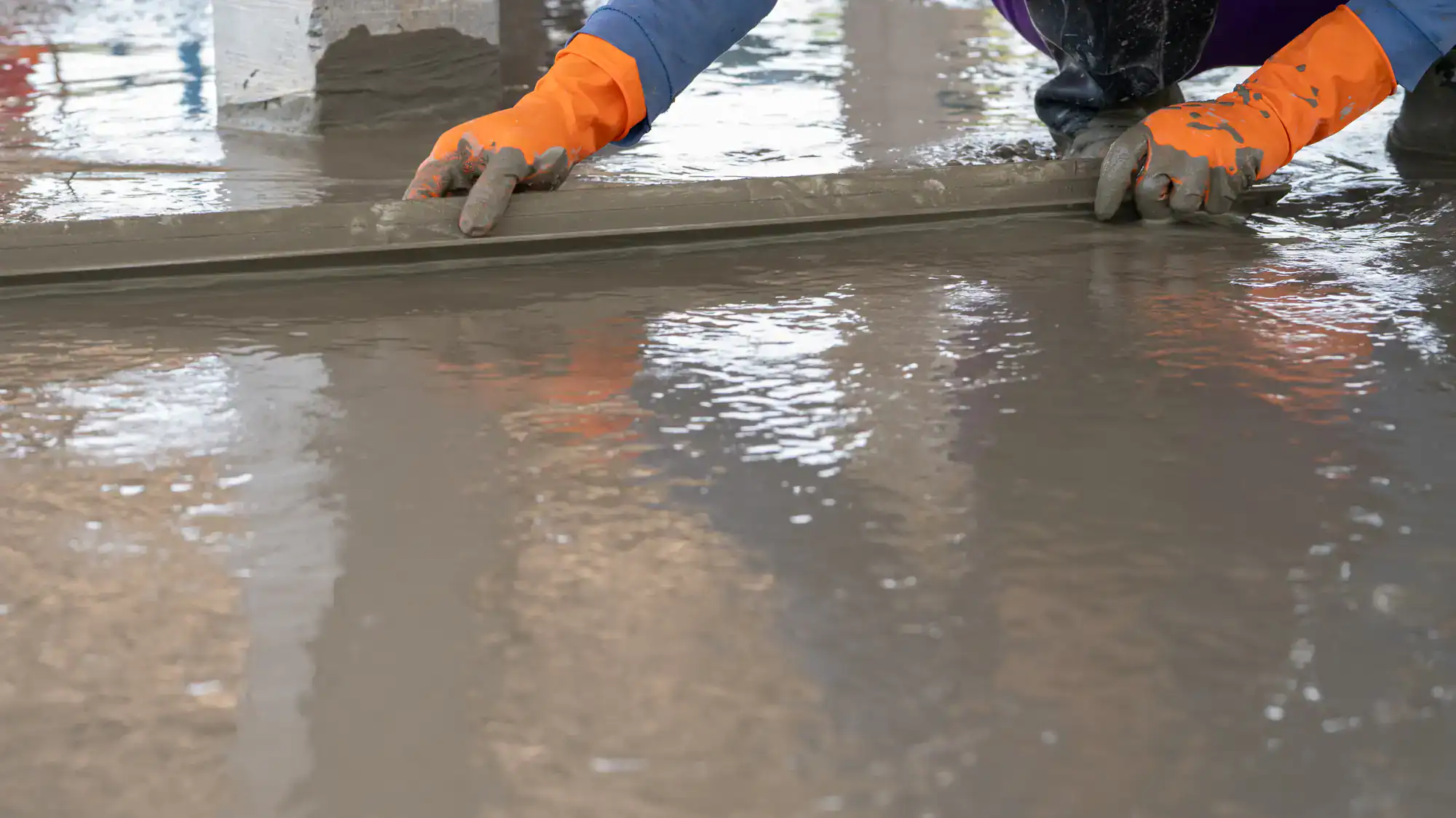
Most floor coating failures in apparatus bays trace back to what didn’t happen before the coating went down. Skipped moisture testing. Acid etching instead of diamond grinding. Wrong mil-thickness for the load. We start differently, and the process is straightforward.
The first step is a thorough concrete assessment. In older Hempstead fire stations and some of these buildings have been in service for generations the slab has a history. Fuel absorption, salt damage, previous coating residue, existing cracks. All of it gets evaluated before anything else happens. Then comes diamond grinding, which opens the concrete capillaries and creates a true mechanical bond. Acid etching cannot do what grinding does, and any contractor telling you otherwise is cutting a corner that will show up in three years when the coating starts peeling.
After grinding, we test for moisture vapor transmission. This step is non-negotiable in Nassau County’s coastal climate, where elevated ambient humidity and proximity to the Atlantic create real moisture pressure through concrete slabs. Moisture trapped beneath a coating is the primary cause of delamination the bubbling and lifting failure that looks bad and creates slip hazards. Once the slab passes moisture testing, we repair cracks and damage, apply the appropriate primer system, and build up to a 15-mil polyaspartic topcoat. The result is a UV-stable, chemically resistant, thermally tolerant surface engineered specifically for heavy apparatus environments. Cure time with polyaspartic is fast your trucks are back in the bay within 24 hours.
Ready to get started?
The apparatus bay is the priority, but it is rarely the only floor that needs attention in an active fire station. We install commercial-grade resinous systems across every zone in the facility and using one certified contractor for the entire building means consistent quality, compatible systems, and a single point of accountability when something needs to be addressed.
In the apparatus bay, our system is built for the specific demands of heavy fire truck flooring: diamond-ground substrate, moisture-tested slab, crack repair, multi-layer build-up, and a 15-mil polyaspartic topcoat rated for 40,000-plus pound load cycles. The surface is seamless, slip-resistant, and chemically resistant to diesel, hydraulic fluid, and the road salt that Nassau County apparatus brings in after every winter response. For departments operating under NFPA 1500 and 1585 contamination control requirements which is increasingly relevant for Hempstead stations that respond to hazardous materials and WMD incidents the seamless surface also directly supports decontamination protocols by eliminating the crevices and porous areas where carcinogens accumulate.
Decontamination zones get a seamless, power-washable system engineered for chemical resistance and thorough cleaning. Living quarters and common areas receive durable, low-maintenance finishes that hold up to daily foot traffic without the upkeep burden. Commercial kitchen areas where thermal shock, grease, and sanitation requirements intersect are coated with systems that meet FDA and USDA-grade cleanability standards. The goal is a facility where every surface does its job without requiring constant attention from the people whose job is protecting the community.
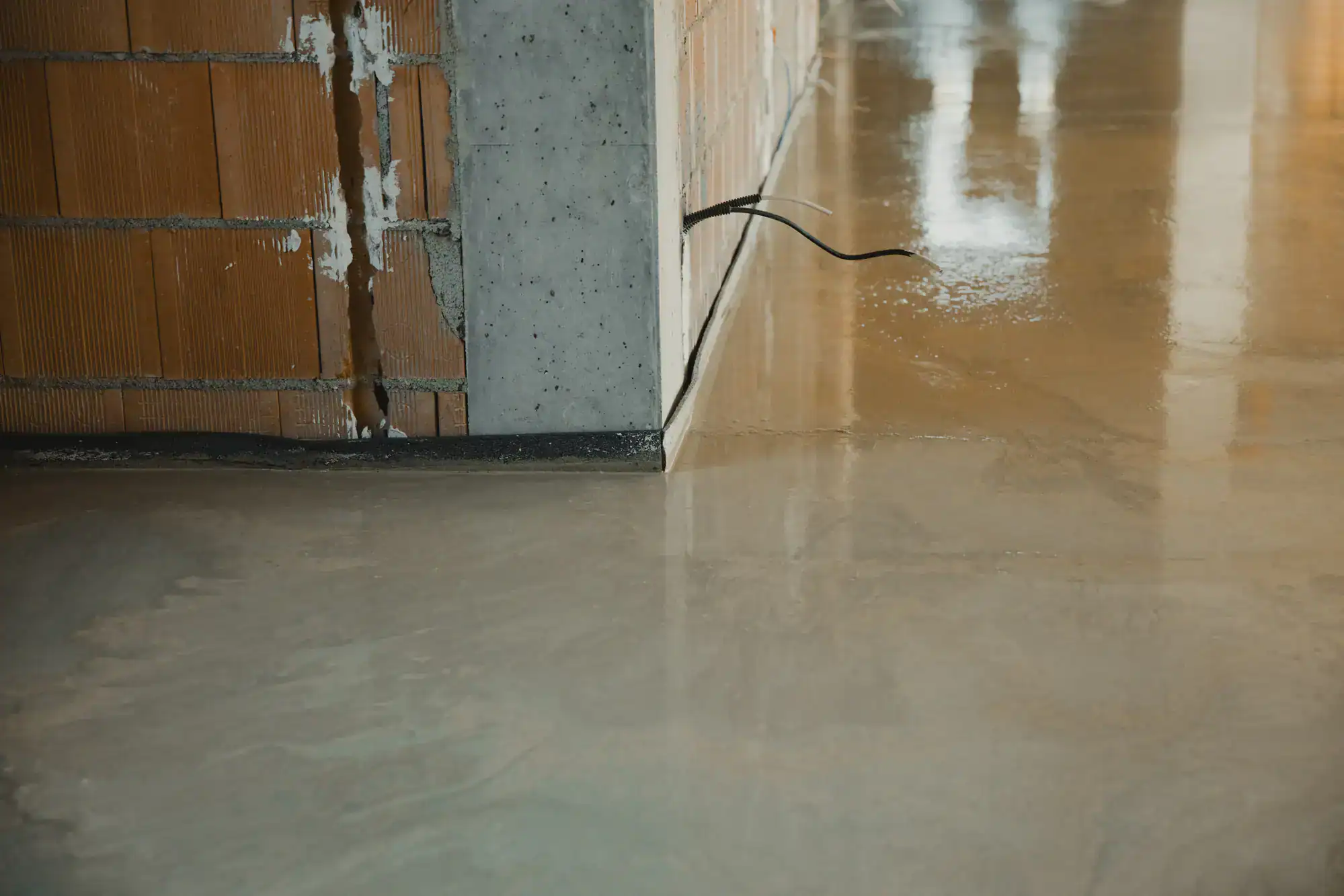
This is the question we hear most from active fire departments, and it is the right question to ask. The short answer is yes with polyaspartic coatings, apparatus can return to the bay within 24 hours of the final coat. That is not a rough estimate. Polyaspartic systems cure significantly faster than traditional epoxy, which can require three to seven days before it is safe for heavy vehicle traffic. For a department like Hempstead’s, which serves a densely populated urban community and cannot afford operational gaps, that cure time difference is the deciding factor.
The practical approach is to work in sections when the bay layout allows, or to schedule the project during a period when apparatus can be staged outside for a single overnight window. We coordinate the installation timeline directly with the department to minimize disruption. The goal is to complete the work without compromising your ability to respond, and the fast-cure system makes that achievable in a way that standard epoxy simply does not.
A properly installed polyaspartic system in an active apparatus bay should last 20-plus years under normal operational conditions. That lifespan assumes correct surface preparation, appropriate system specification for the load profile, and basic maintenance none of which is complicated. The floor does not require waxing, resealing, or special treatment. Routine washing is sufficient.
The contrast with lower-grade alternatives is significant. Consumer-grade or franchise-kit epoxy systems typically last three to five years in heavy-use environments before they start showing delamination, cracking, or wear-through. Standard commercial epoxy without proper preparation fares only marginally better. In Hempstead and across Nassau County, where freeze-thaw cycling, road salt, and coastal humidity combine to stress coatings year-round, that difference in lifespan is amplified. For a fire district board making a capital expenditure decision and answering to taxpayers, the 20-year system is not the premium option. It is the fiscally responsible one.
The load profile is the biggest difference. A standard commercial epoxy floor might be engineered for foot traffic, forklifts, or light vehicles. An apparatus bay floor needs to handle fire trucks that weigh 40,000 pounds or more, repeated thermal cycling from hot tires cooling on the bay surface, and constant chemical exposure from diesel, hydraulic fluid, foam concentrate, and road salt. A system that is not specifically engineered for those conditions will fail not eventually, but predictably.
The surface preparation requirements are also more demanding. Fire station concrete slabs especially in older Hempstead stations have absorbed decades of fuel and chemical exposure that contaminate the surface and interfere with coating adhesion. Diamond grinding removes that contamination and opens the concrete for a true mechanical bond. Moisture testing is critical in Nassau County’s coastal environment. The system specification primer type, build coat, topcoat mil-thickness has to match the actual load and chemical exposure the floor will face. This is not a job where a residential garage floor system gets scaled up and called commercial.
Road salt is one of the most corrosive substances a concrete floor encounters, and Nassau County’s road maintenance crews apply it heavily across every major route Hempstead Turnpike, the Southern State Parkway, Fulton Avenue during winter weather events. Every time apparatus responds to a call in winter conditions, it returns to the bay carrying salt, brine, and de-icing residue on tires and undercarriages. On bare concrete or thin-mil coatings, that salt penetrates the surface immediately.
Once salt is in the concrete, it attracts moisture, accelerates the freeze-thaw damage cycle, and causes the surface to deteriorate from below cracking, spalling, and eventually structural weakening of the slab. A seamless, non-porous resinous surface stops that process entirely. Salt and chemicals sit on top of the coating where they can be rinsed away during routine bay cleaning. The concrete underneath stays protected. Over a Nassau County winter with multiple salt events, that protection adds up to a meaningful difference in how long the slab stays structurally sound.
The primary standards that affect fire station floor design in New York are NFPA 1500, which covers occupational safety and health for fire departments, and NFPA 1581 and 1585, which address facility requirements for PPE storage, decontamination zones, and contamination control programs. These standards create requirements for seamless, non-porous, easily decontaminated surfaces in apparatus bays and decon areas requirements that are directly relevant for Hempstead stations that respond to hazardous materials incidents.
The resinous floor systems we install meet these requirements. The seamless surface eliminates the crevices and porous areas where carcinogens and contaminants accumulate and cannot be fully removed. The chemical resistance of the polyaspartic topcoat supports thorough decontamination with standard cleaning agents. All of our field installers are OSHA 40 certified, which matters when the installation is happening inside an active municipal facility with personnel and equipment present. If your department is preparing for an NFPA inspection or responding to findings from a fire marshal review, a properly installed floor system is one of the more straightforward compliance items to address.
Fire district boards in the Town of Hempstead operate under public scrutiny and answer to taxpayers through formal budget approval processes governed by New York State Town Law. Every capital expenditure needs to be justifiable, and floor coatings are no exception. The financial case for a professional polyaspartic system comes down to total cost over time, not upfront price.
A professionally installed apparatus bay floor system lasts 20-plus years. A consumer-grade or underprepared installation fails in three to five years requiring grinding, disposal, and reinstallation, plus the operational disruption of apparatus downtime during each replacement cycle. Over a 20-year period, a department that chooses the cheaper option typically spends more in total and deals with more disruption. The upfront cost for a professional commercial apparatus bay system generally falls in the range of $5 to $15 per square foot depending on square footage, concrete condition, and system complexity. Framed against a 20-year lifespan and the elimination of repeated replacement cycles, that is a straightforward capital expenditure to defend to any board and a much easier conversation than explaining why the floor failed again two years after the last installation.