
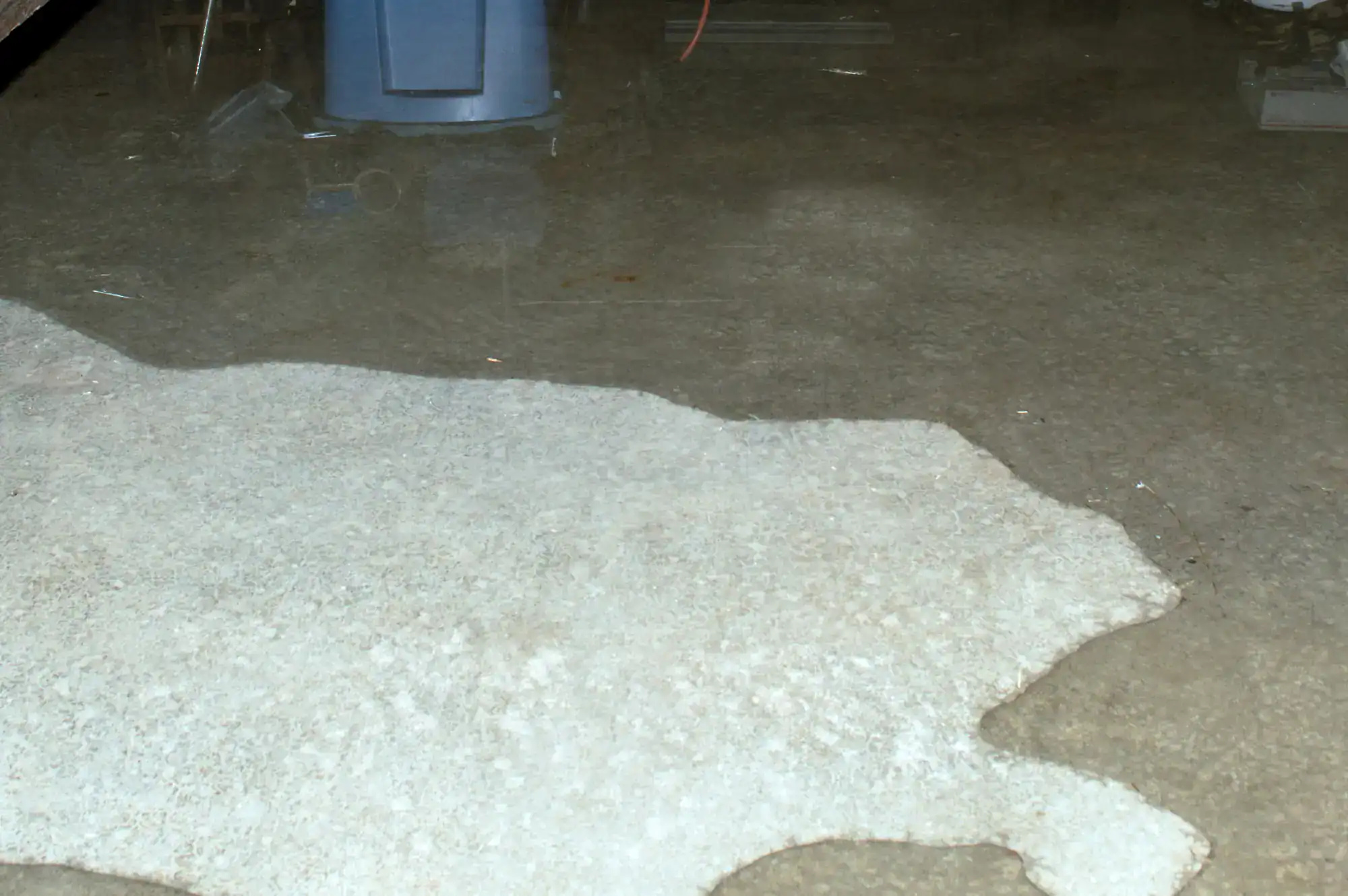
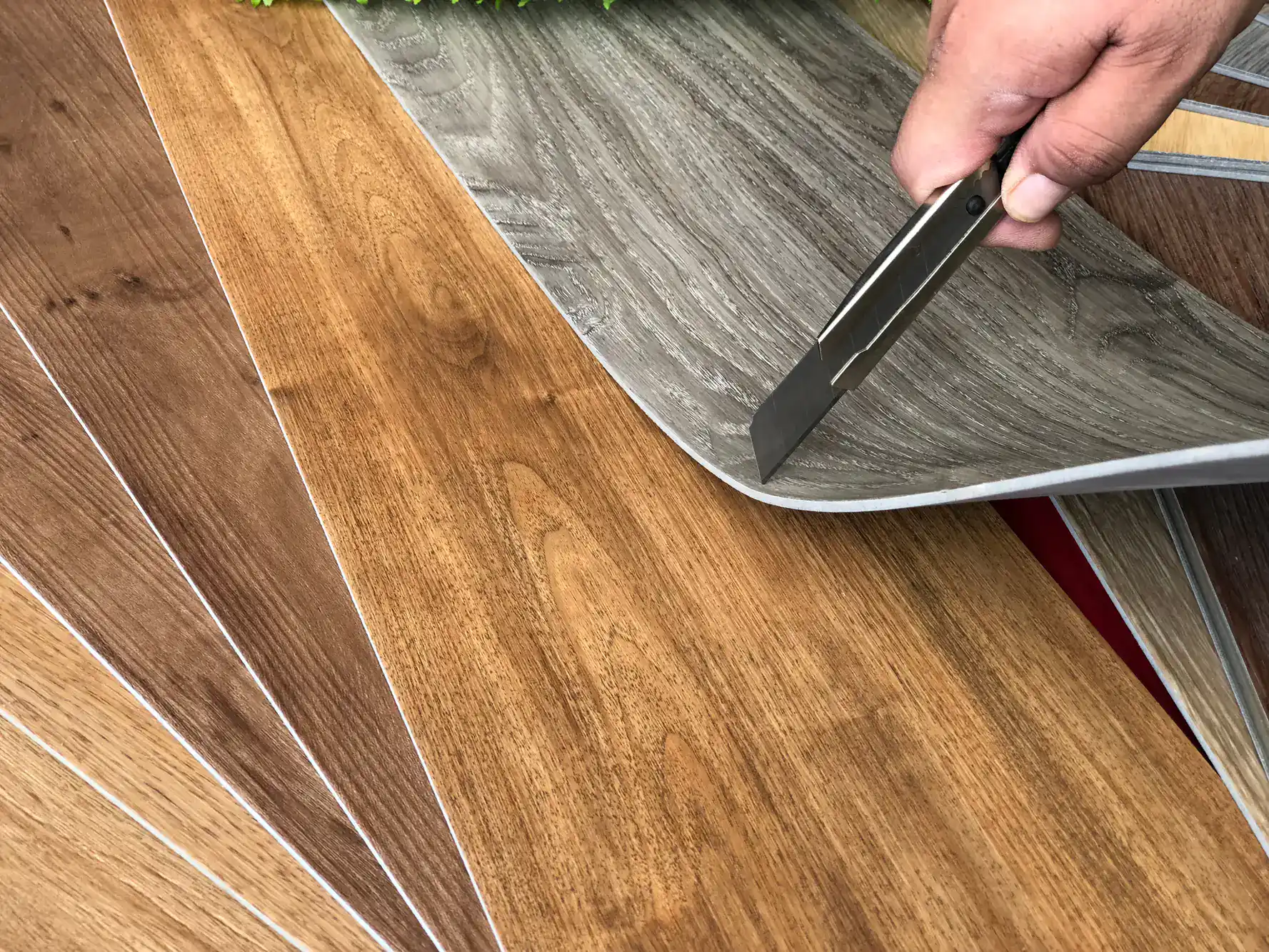
Every time an engine returns from a run on Pratt Boulevard or Glen Cove Road in January, it’s dragging road salt, calcium chloride, and ice melt straight into the bay. That stuff doesn’t just sit there it works its way into bare or poorly sealed concrete and starts breaking it down from underneath. A properly installed polyaspartic system stops that process completely. The surface is seamless and non-porous, so contaminants sit on top and wash off clean instead of soaking in.
Glen Cove’s position on Hempstead Harbor means the apparatus bay is dealing with coastal humidity year-round, not just in summer. That ambient moisture is exactly what causes epoxy coatings to bubble and delaminate when the prep work wasn’t done correctly and it’s why moisture testing before any coating goes down isn’t optional here, it’s the whole game. Get that step right and the floor holds. Skip it and you’re back to square one in three years.
The Garvies Point development is adding over 1,100 new residential units to Glen Cove’s waterfront. More residents means more calls, more apparatus movement, and more wear on the one bay that covers all of the city. A floor system built for 40,000-pound fire trucks and daily heavy use keeps pace with a growing city. One that isn’t will show it quickly.
We’ve been installing commercial and industrial resinous floor systems on Long Island for over 30 years. Our CEO Danny Harmer has more than 40 years of hands-on installation experience, and most of our crew has been with us for a decade or more. This isn’t a franchise operation or a painting company that added epoxy to its service list we were built specifically around this type of work.
We hold the Sherwin-Williams High Performance Flooring certification and the Res-Tech certification, and every installer is OSHA 40 certified. Those credentials matter when you’re working in an active municipal facility like the Glen Cove fire station, where city staff, volunteers, and expensive apparatus are present during installation. The City of Glen Cove deserves a contractor it can put in front of a budget committee without hesitation and that’s exactly the kind of track record we bring to Nassau County.
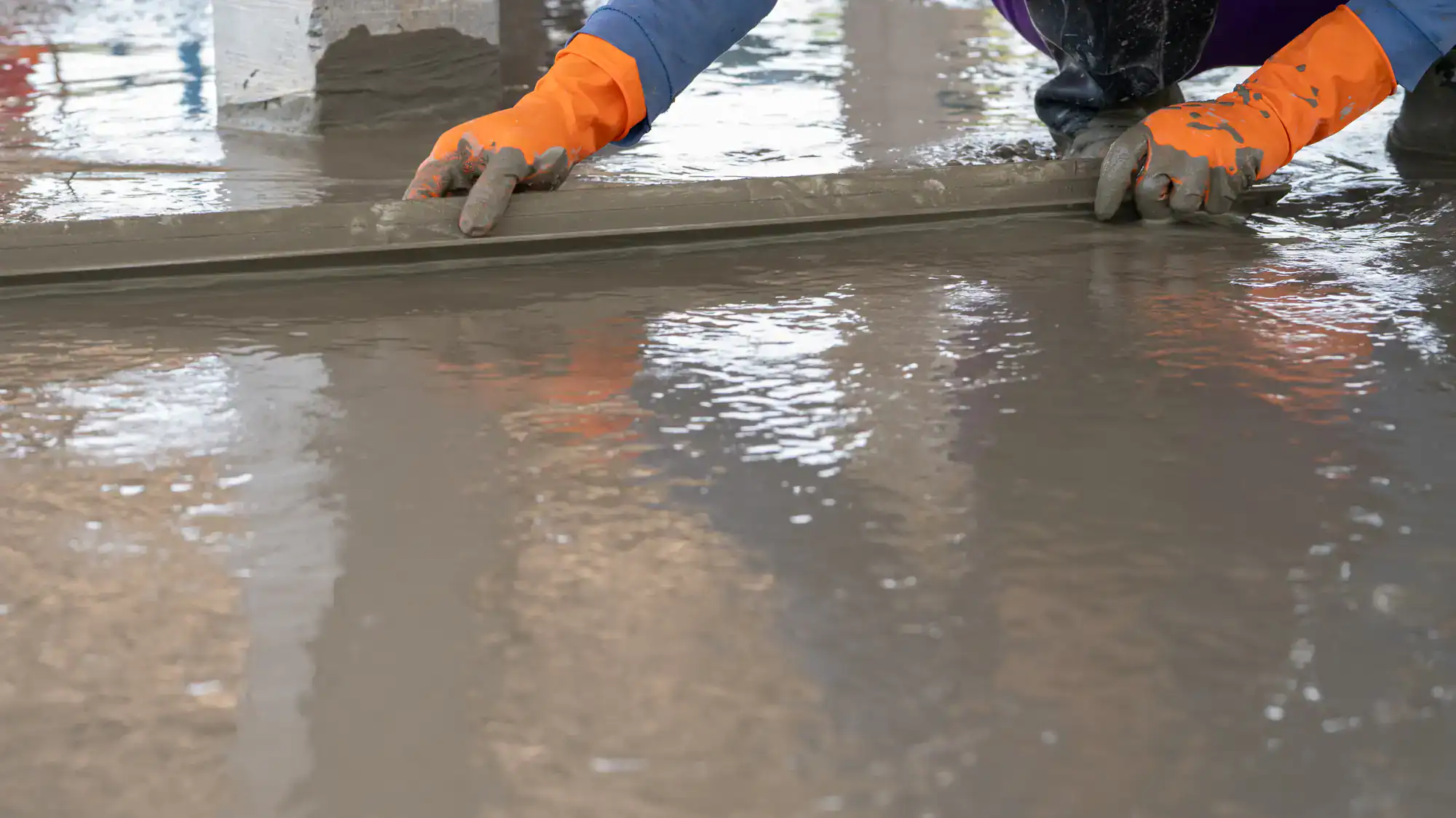
The process starts with diamond grinding not acid etching, not a light scuff. Diamond grinding opens the concrete at the capillary level and creates the mechanical bond that holds a resinous system in place for 20 years instead of three. In a coastal environment like Glen Cove, where harbor humidity and freeze-thaw cycling put constant pressure on concrete, that surface preparation step is what separates a floor that lasts from one that doesn’t.
Before any coating is applied, we test the concrete for moisture. This is non-negotiable. Moisture trapped under a coating is the primary cause of delamination the bubbling, lifting, and peeling that most fire departments have already experienced at least once with a previous contractor. Once the surface passes, we apply a penetrating primer, followed by a high-build base coat, an aggregate broadcast for compressive strength and slip resistance, and a rapid-cure polyaspartic topcoat.
That topcoat cures in approximately 24 hours. For a department like Glen Cove’s one station, no backup that turnaround matters more than almost anything else about the system. Your apparatus can return to the bay the next day. The floor is rated for loads well above what your 2024 Seagrave Attackers put on it, and it’s UV-stable enough to handle the light exposure from bay doors that stay open during calls and washdowns.
Ready to get started?
The apparatus bay gets the most attention, but it’s not the only floor in the building that takes abuse. The Glen Cove station houses Chemical Engine Co. No. 1, Pacific Engine & Hose Co., Hook & Ladder Co. No. 1, Engine & Hose Co. No. 4, and the Rescue Squad all under one roof, all with different zones that have different flooring demands. We handle all of them.
The decontamination zone needs a seamless, chemically resistant surface that supports the washdown protocols required under NFPA 1500 and NFPA 1581 standards that exist specifically to reduce firefighter exposure to carcinogens tracked in from calls. A porous or cracked floor can’t meet that standard, no matter how clean it looks. The kitchen needs thermal shock resistance and a surface that meets food-safe cleaning requirements. Living quarters need something durable enough to handle daily foot traffic but comfortable enough for a space where volunteers spend real time.
The system we use throughout is a quarter-inch mortar trowel-down build with a polyaspartic topcoat 15 mils of total thickness versus the 4 to 8 mils you’d get from a standard coating. That thickness is what delivers the compressive strength and abrasion resistance this environment actually requires. One contractor, one installation, every zone in the station covered correctly.
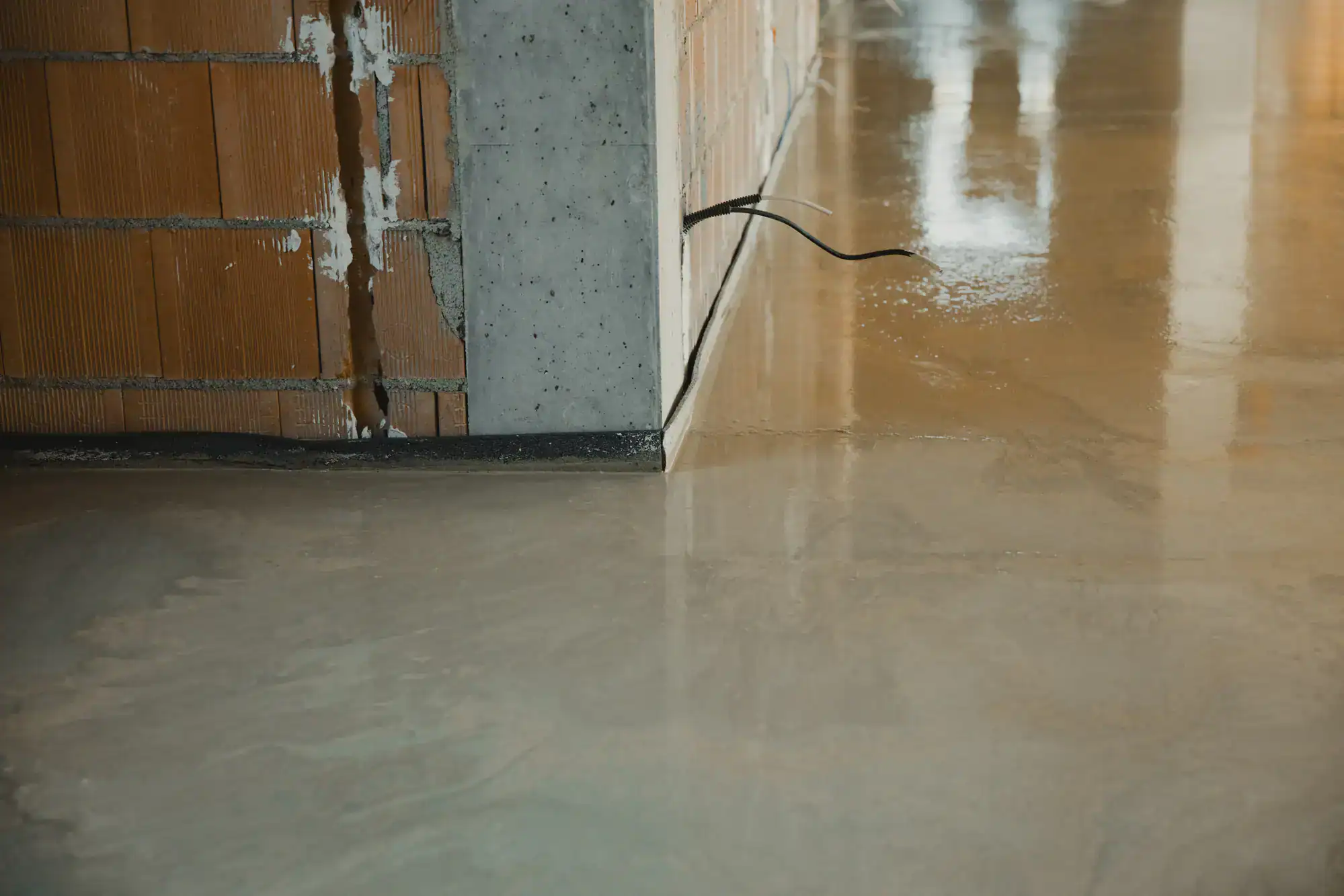
The most common reason is inadequate surface preparation specifically, contractors who use acid etching instead of diamond grinding, or who skip moisture testing entirely. In Glen Cove’s coastal environment, concrete absorbs ambient humidity from Hempstead Harbor year-round. When a coating is applied over concrete that hasn’t been properly ground and tested for moisture, that trapped moisture creates pressure beneath the coating and eventually forces it up in bubbles or causes it to peel away from the surface entirely.
The second most common cause is using a system that wasn’t engineered for the load and chemical exposure of an apparatus bay. Consumer-grade or residential epoxy products applied to a firehouse floor will fail under the weight of modern fire apparatus, the thermal cycling from hot tires, and the constant chemical exposure from road salt, diesel, and hydraulic fluid. The fix isn’t recoating it’s grinding everything back down and starting over with the right system and the right prep. Doing it correctly the first time is significantly less expensive than doing it twice.
A properly installed polyaspartic system diamond ground, moisture tested, and applied at the correct mil thickness should last 20 years or more under normal apparatus bay conditions. That’s not a sales number; it’s the documented performance of the chemistry when the installation is done correctly. Compare that to the 3 to 5 years you’d get from a standard epoxy or a consumer-grade product, and the math on total cost of ownership becomes straightforward.
For a city like Glen Cove, where capital improvement spending goes through a municipal budget process and every dollar is accountable to taxpayers, that lifespan difference matters in a real way. One professional installation at the right price point is almost always less expensive over a 20-year period than two or three replacement cycles of a cheaper system especially when you factor in the cost of grinding, disposal, downtime, and reinstallation each time. The FEMA Assistance to Firefighters Grant program is also worth exploring as a potential funding source for facility improvements of this type.
This is one of the most important questions for Glen Cove specifically, because the city runs its entire fire operation out of one station. There’s no second bay to shift apparatus into while the floor cures. The answer depends on the system and it’s exactly why the polyaspartic topcoat matters so much here. Polyaspartic cures in approximately 24 hours, compared to 3 to 7 days for traditional epoxy systems. That means apparatus can return to the bay the next day rather than being out of service for the better part of a week.
Practically speaking, we stage the installation to minimize disruption sections of the bay can be done in sequence so that not all apparatus needs to be relocated at once. The optimal installation window in Nassau County is late spring through early fall, when ambient temperatures and concrete surface temperatures are stable and above the minimum threshold for proper cure. Scheduling during that window also reduces the risk of cold-weather complications that can affect bond quality during installation.
The right system for a Nassau County apparatus bay is a multi-layer resinous floor with a polyaspartic topcoat. Polyaspartic is chemically resistant to road salt, calcium chloride, diesel fuel, hydraulic fluid, and the deicing compounds that Long Island’s road maintenance operations apply heavily to arterials like Pratt Boulevard and Glen Cove Road every winter. Because the surface is seamless and non-porous, those chemicals can’t penetrate the coating they sit on top and get mopped or pressure-washed away without reaching the concrete underneath.
Standard epoxy, by contrast, is more rigid and more permeable over time, particularly when it’s been applied thin or without proper surface prep. Once road salt finds a micro-crack or a delamination point, it starts working into the concrete substrate and the damage compounds quickly. The polyaspartic topcoat in a properly installed system eliminates that entry point entirely. It’s also four times more flexible than standard epoxy, which means it handles the thermal expansion and contraction that comes with Nassau County’s freeze-thaw cycling without cracking.
NFPA standards don’t specify a particular floor coating product, but they do create requirements that directly affect what type of floor is appropriate for a fire station. NFPA 1500 covers occupational safety and health for fire departments, NFPA 1581 addresses facility requirements related to PPE storage and cleaning, and NFPA 1585 deals with contamination control. Together, these standards require that areas where contaminated gear and equipment are handled have surfaces that can be thoroughly decontaminated meaning seamless, non-porous, and power-washable.
A cracked, porous, or uncoated concrete floor cannot meet that standard. Contaminants from fire scenes carcinogens, combustion byproducts, chemical residues absorb into bare concrete and can’t be fully removed. For Glen Cove’s 140 volunteer firefighters, who respond to calls across a city that’s actively growing with the Garvies Point development, that contamination risk is a real occupational health concern. A properly installed resinous floor system eliminates harborage points for those contaminants and supports the washdown protocols these standards are designed to enforce.
For a commercial apparatus bay installation using a professional-grade polyaspartic system, pricing typically falls in the range of $7 to $15 per square foot depending on the condition of the existing concrete, the square footage of the space, and the number of zones being coated. A full apparatus bay in a single-station firehouse like Glen Cove’s generally runs somewhere between $8,000 and $20,000 depending on those variables and that range reflects a system that’s actually engineered for the load and chemical exposure of a working fire station, not a residential garage kit applied to a commercial floor.
The more useful number for a city government presenting this to a budget committee is the 20-year cost comparison. A professional installation done correctly once, lasting two decades, versus a cheaper system that fails in four or five years and requires grinding, disposal, and reinstallation the cheaper option almost always costs more in total. Nassau County municipalities can also explore FEMA’s Assistance to Firefighters Grant program, which has been used by fire departments across Long Island to fund facility improvements including flooring. An on-site assessment is the only way to give you an accurate number for the Glen Cove station specifically.