
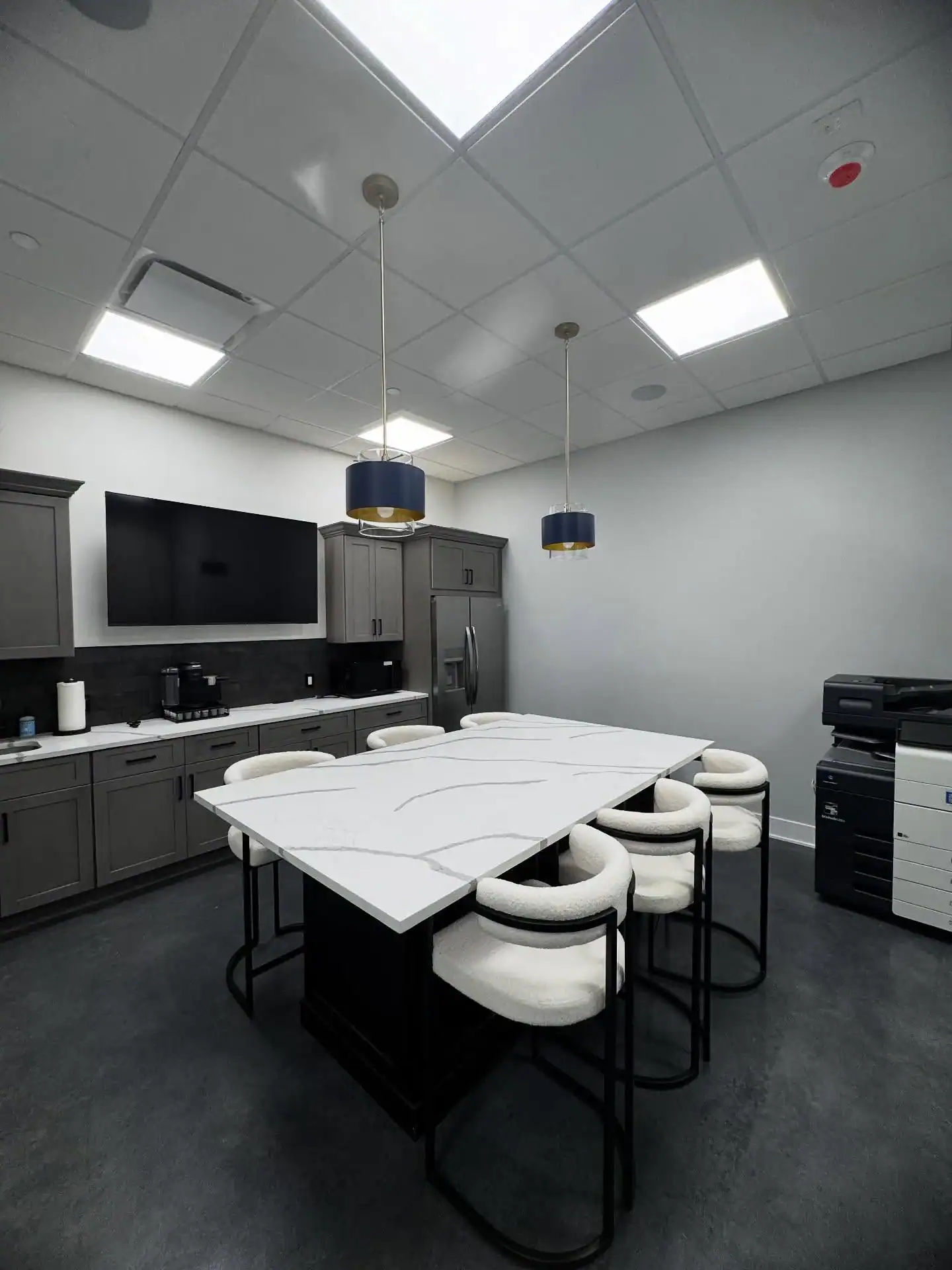
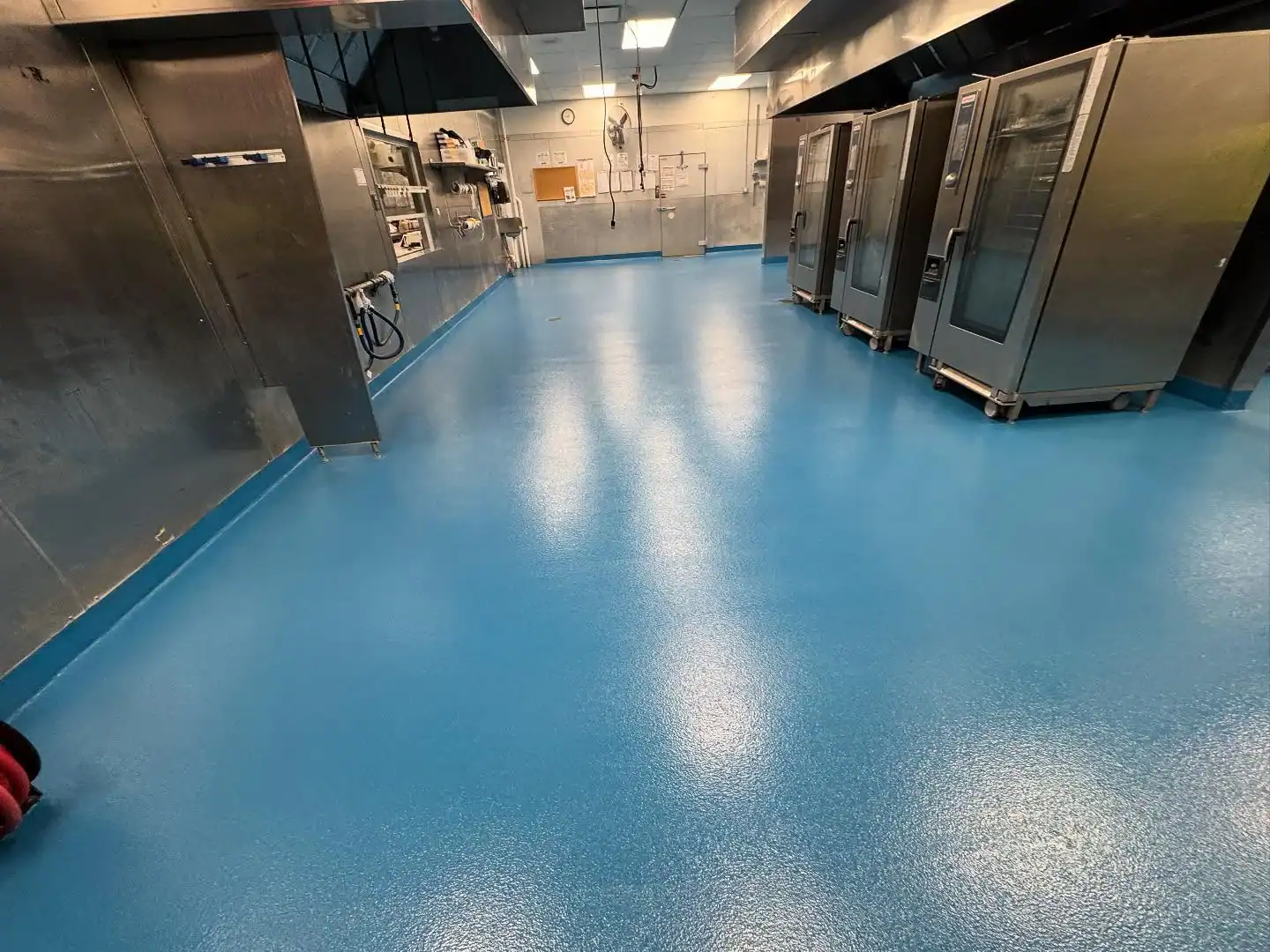
You’re dealing with grease, water, temperature swings from the walk-in to the fryer, and a health inspector who notices everything. Traditional tile gives bacteria a place to hide in every grout line. Epoxy doesn’t.
A commercial kitchen epoxy floor in Glen Cove, NY gives you a seamless surface that goes wall-to-wall without joints or seams. That means no cracks for food particles to settle into. No grout that turns dark no matter how hard your team scrubs.
When the floor can handle a 100-degree temperature drop without cracking or peeling, you’re not calling someone back in six months to fix loose tiles. When it’s designed to meet USDA standards and health department requirements, you’re not scrambling before an inspection. You’re running your kitchen, not babysitting your floor.
We’ve been installing kitchen flooring in Glen Cove, NY and across Long Island for over three decades. We’ve worked in commercial kitchens, restaurant spaces, bakeries, and residential homes where the kitchen sees serious use.
Our team is OSHA 40 certified. Most of our installers have been with us for over ten years, and our field supervisors bring more than 40 years of combined experience to every job.
Glen Cove’s coastal climate means your floors face humidity, salt air, and temperature shifts that can cause expansion and contraction. We account for that during prep and installation so the floor doesn’t lift, crack, or fail when conditions change.
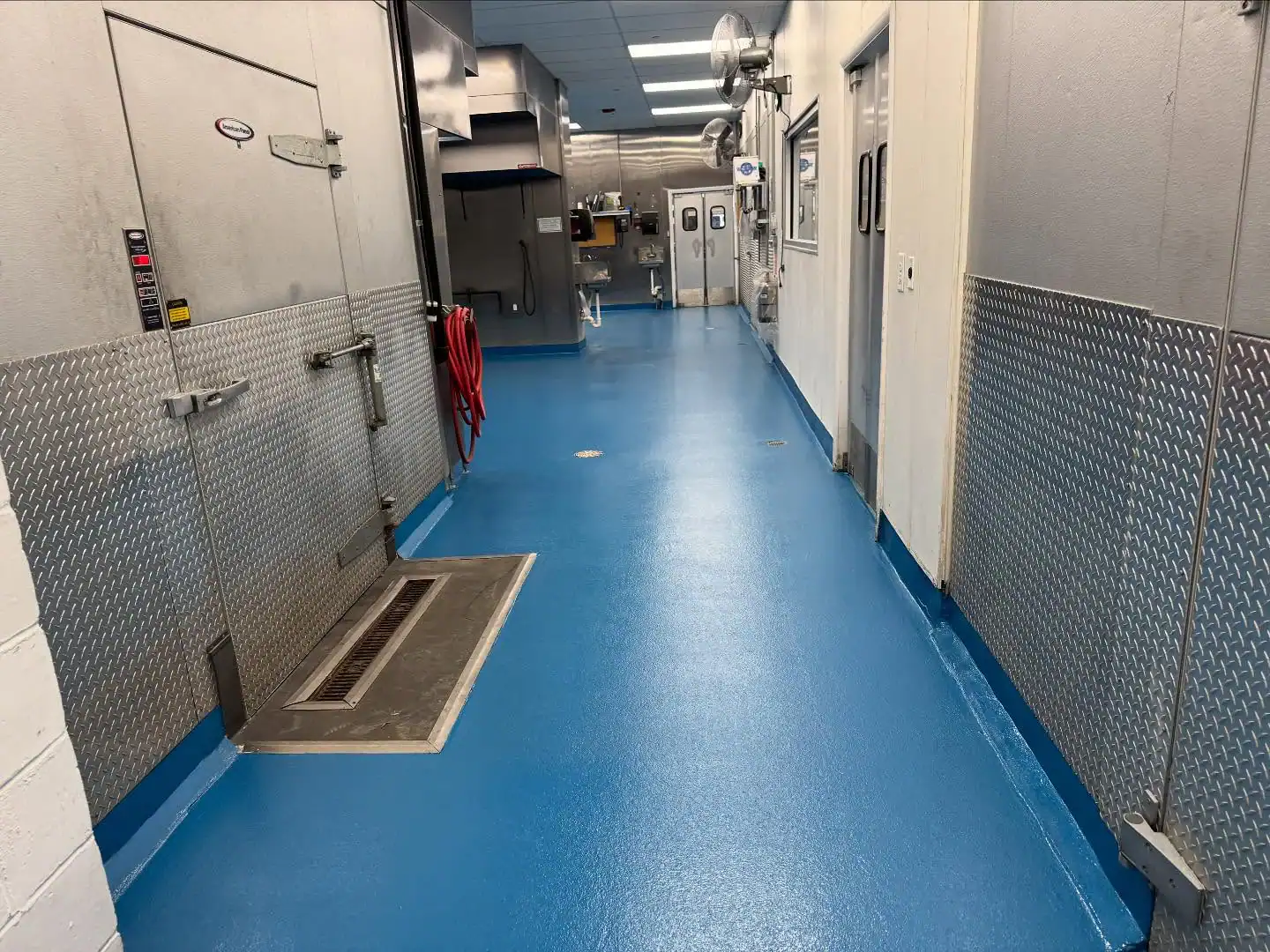
We start with moisture testing your concrete slab. If there’s moisture coming up through the substrate, the epoxy won’t bond correctly. We catch that before it becomes your problem.
Next, we prep the surface. That means grinding down the concrete, repairing cracks, and making sure the substrate is clean and level. If the base isn’t right, nothing on top of it will last.
Then we apply the epoxy system. For commercial kitchens in Glen Cove, NY, that’s usually a quarter-inch mortar system built to handle heavy foot traffic, equipment, and thermal shock. For residential kitchens, we often install a 1/8-inch color quartz or vinyl chip system that’s durable and cost-effective.
We add slip-resistant additives based on your needs. A restaurant kitchen dealing with grease and water needs more texture than a home kitchen. We customize the finish so it’s safe without being uncomfortable to walk on.
The floor cures, and you’re left with a seamless, waterproof surface that meets health codes and doesn’t need replacement in two years.
Ready to get started?
You get a floor system designed for your specific kitchen. That includes moisture testing, concrete repair, surface grinding, and a customized epoxy application with the right thickness and slip resistance for your space.
For commercial kitchens and restaurants in Glen Cove, NY, we install waterproof restaurant flooring with thermal shock resistant coatings that handle freezer-to-fryer temperature extremes without cracking. We also install hygienic cove base in Glen Cove, NY that eliminates the 90-degree wall-floor junction where debris and bacteria collect.
The materials are USDA approved and meet FDA, OSHA, and ADA standards. If you’re in food service, that’s not optional. Your floor needs to comply, or you’re risking violations.
Glen Cove’s restaurant scene and coastal home kitchens both benefit from flooring that doesn’t absorb moisture, won’t harbor mold, and can be cleaned with strong detergents without breaking down. You’re not replacing sections every year. You’re getting a floor that lasts.
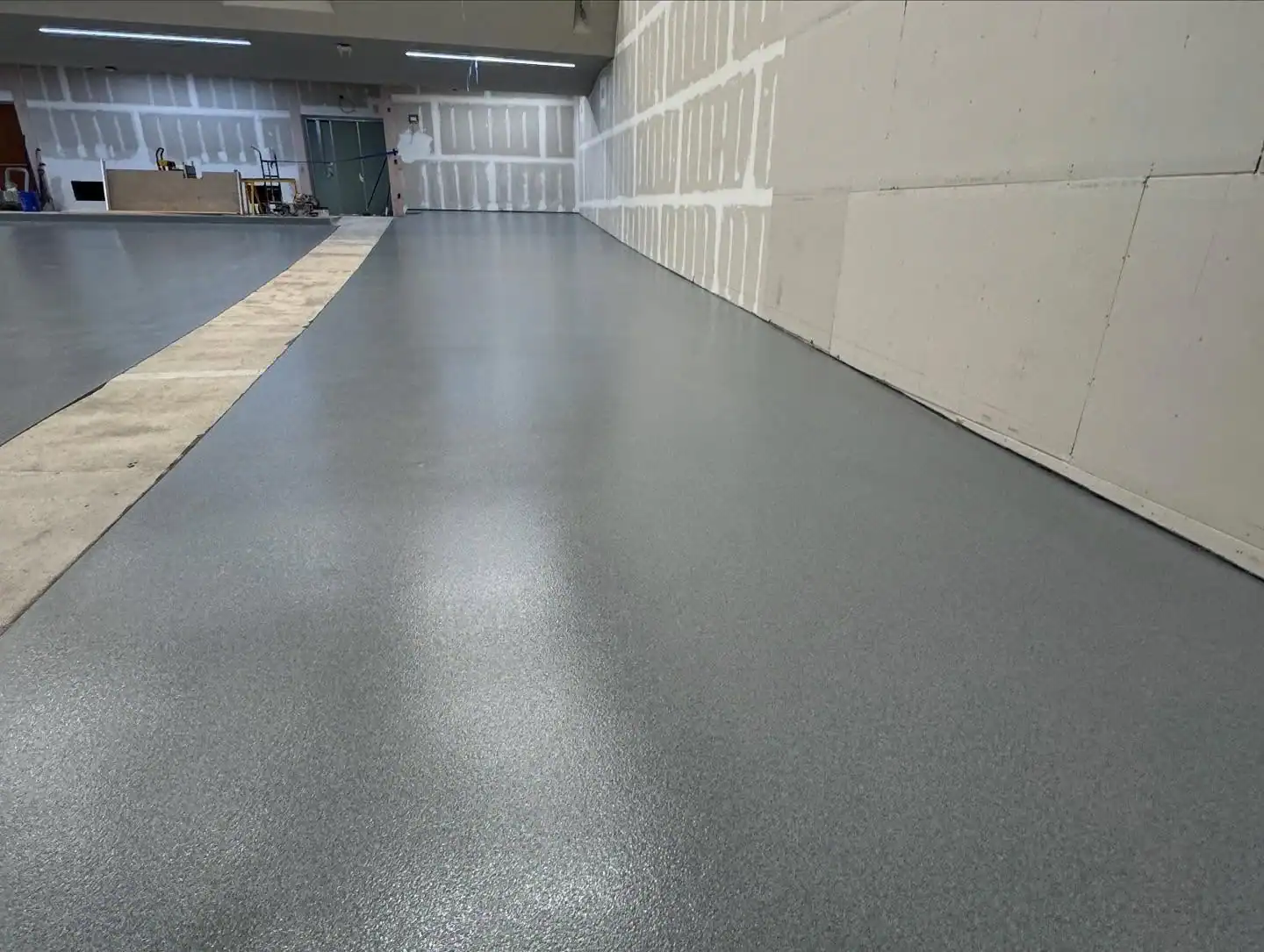
A properly installed commercial kitchen epoxy floor in Glen Cove, NY typically lasts 10 to 20 years depending on traffic, maintenance, and the system thickness. Quarter-inch mortar systems in high-traffic restaurant kitchens hold up longer than thinner coatings because they’re built to absorb impact and resist wear.
The lifespan also depends on how well the concrete was prepped before installation. If moisture wasn’t tested or cracks weren’t repaired, the epoxy can delaminate or crack within a few years. That’s why surface prep matters as much as the coating itself.
Glen Cove’s coastal humidity can affect longevity if the wrong system is used. We account for moisture vapor transmission and use epoxy formulations that bond even in higher-humidity environments. Regular cleaning with non-abrasive detergents keeps the surface intact without wearing it down.
Yes, when installed correctly. Health departments require kitchen floors to be smooth, non-absorbent, and easily cleanable. Epoxy flooring meets those standards because it’s seamless and non-porous, which prevents bacteria, food particles, and liquids from penetrating the surface.
Most health codes also require floors to be installed with a cove base that curves up the wall, eliminating the 90-degree corner where debris accumulates. We install hygienic cove base in Glen Cove, NY as part of commercial kitchen projects to ensure full compliance.
Our epoxy systems are USDA approved for food service applications, which means they meet federal standards for sanitation and safety. If you’re preparing food for sale, your floor needs to pass inspection. Epoxy gives inspectors nothing to flag.
Slip resistance comes from additives mixed into the topcoat. We use aluminum oxide, silica sand, or polymer grit depending on how much texture you need. A restaurant kitchen with frequent grease and water spills needs more aggressive slip resistance than a residential kitchen.
The texture is customizable. Too much grit makes the floor hard to clean and uncomfortable to stand on for long shifts. Too little leaves it slippery when wet. We adjust the additive based on your kitchen’s specific conditions.
A slip-resistant kitchen floor in Glen Cove, NY also needs to stay slip-resistant over time. Cheaper coatings wear down and lose texture within a year. The epoxy systems we install maintain their slip resistance because the additives are embedded in the topcoat, not just sprinkled on the surface.
Yes, if you use a system with thermal shock resistant coatings. Commercial kitchens in Glen Cove, NY experience extreme temperature swings when staff move between walk-in freezers and cooking areas. Standard floor coatings expand and contract at different rates than concrete, which causes cracking and delamination.
Thermal shock resistant epoxy is formulated to flex with temperature changes without losing its bond to the substrate. That’s critical in kitchens where the floor might go from 0 degrees near the freezer to 150 degrees near the fryer in a matter of steps.
We’ve installed floors in bakeries, restaurants, and food production facilities where thermal shock is a daily occurrence. The right epoxy system prevents the floor from shearing off the concrete, which is what happens when you use a coating that isn’t rated for those conditions.
Daily sweeping or dust mopping removes debris before it gets ground into the surface. For spills, clean them immediately with a damp mop and a pH-neutral cleaner. Epoxy is chemical resistant, but harsh acids or solvents used repeatedly can dull the finish over time.
For commercial kitchens in Glen Cove, NY, we recommend a weekly deep clean with a non-abrasive detergent and a deck brush or auto-scrubber. Avoid steel wool or abrasive pads that can scratch the topcoat. The floor is durable, but you don’t need to scrub it like you’re removing old grout.
If the floor starts to lose its shine after years of heavy use, you can have the topcoat reapplied without redoing the entire system. That’s a fraction of the cost of a full replacement and extends the floor’s life by another several years.
Tile has grout lines. Epoxy doesn’t. That’s the biggest functional difference when you’re running a kitchen that needs to stay clean and pass health inspections.
Grout is porous, which means it absorbs liquids, harbors bacteria, and stains over time no matter how often you seal it. Epoxy is seamless and non-porous, so nothing soaks in. You’re cleaning the surface, not scrubbing grout lines that turned gray two months after installation.
Tile can also crack under thermal shock or heavy impact. If a pot drops or the floor experiences a temperature swing, individual tiles can break and need replacement. Epoxy flexes and absorbs impact without cracking. For kitchen floors in Glen Cove, NY where durability and sanitation matter, epoxy outperforms tile in both categories.