
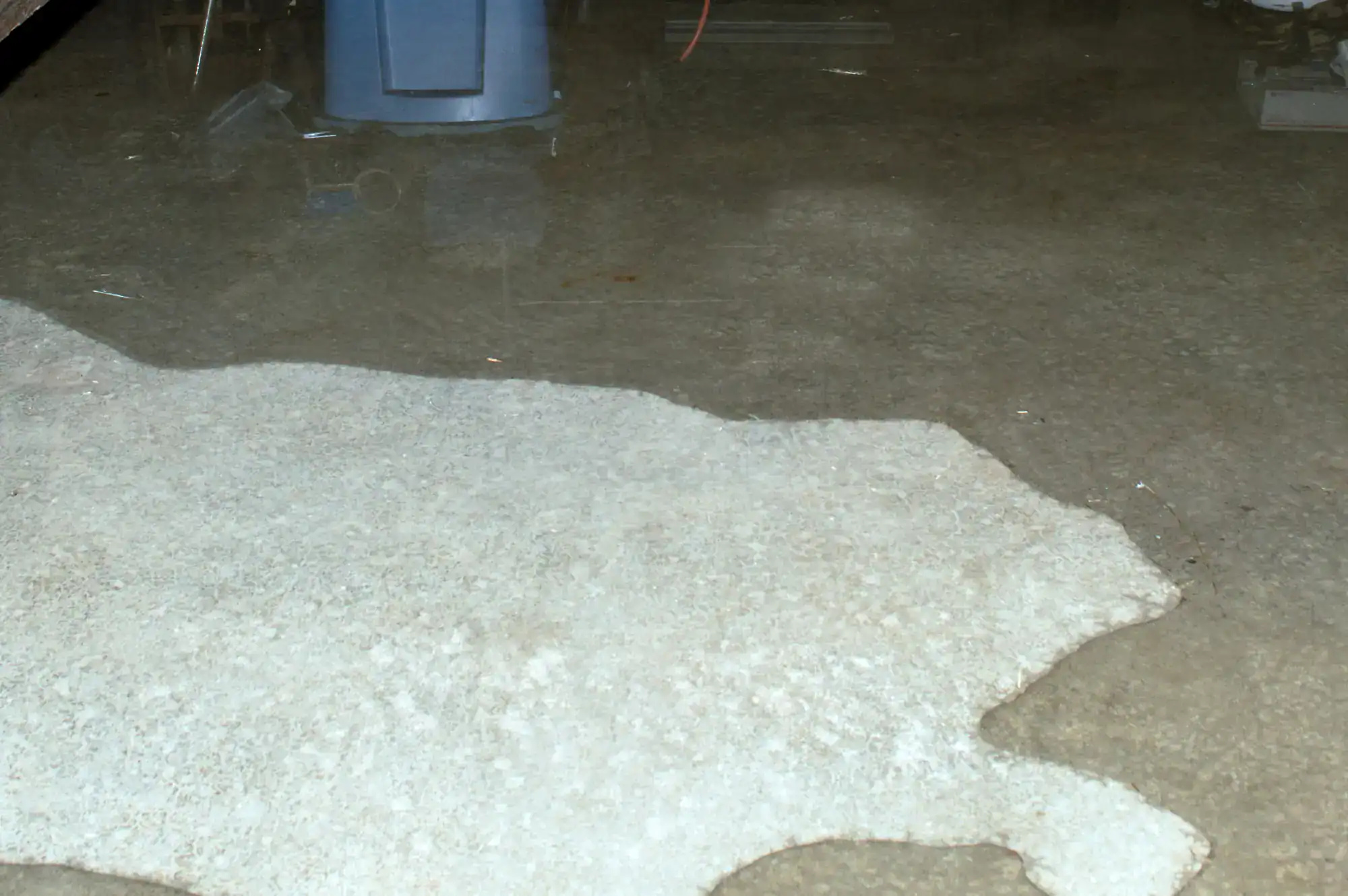
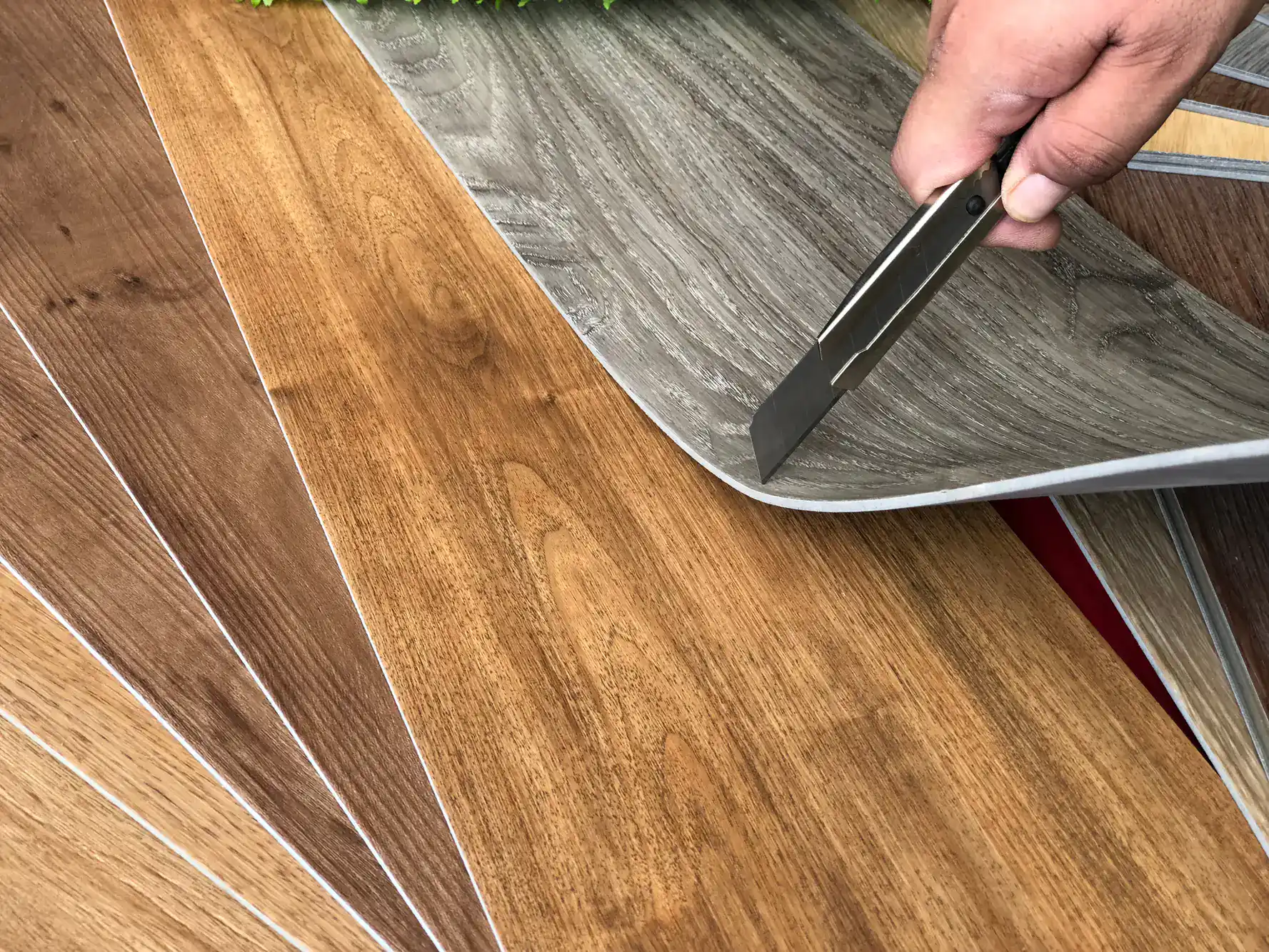
When the apparatus rolls back in from a call near the bay or off Sunrise Highway in January, it’s tracking in road salt, marine moisture, and sand. That combination doesn’t just dirty a floor it destroys one. Bare concrete absorbs it all. Thin-mil epoxy blisters and peels. A properly installed heavy-duty floor coating seals all of it out, permanently.
The south shore humidity that Brookhaven sits in year-round is one of the most overlooked causes of floor failure in apparatus bays. Moisture migrates up through the slab, gets trapped under a coating that wasn’t properly tested or prepped, and you end up with bubbles and delamination within a year or two. A system installed with moisture testing upfront before a single coat goes down doesn’t have that problem.
What you end up with is a seamless, non-porous surface that wipes clean after every shift, handles the full weight of a 40,000-pound truck without cracking, and doesn’t need to be replaced every five years. For a volunteer fire district accountable to Brookhaven taxpayers, that’s the version of this investment that actually makes sense long-term.
We’re based in Bohemia in the Town of Islip, right next door to Brookhaven. This isn’t a national brand dispatching crews from out of state. We’re a local company that’s been installing commercial and industrial resinous floor systems across Suffolk County for over 30 years, led by CEO Danny Harmer, who has over four decades of hands-on installation experience.
We hold the Sherwin-Williams High Performance Flooring certification and Res Tech certification two of the more rigorous manufacturer-approved applicator credentials in the industry. Every installer on our crew is OSHA 40 certified, which matters when the job site is an active fire station with apparatus, fuel, and personnel present. Most of our crew has been with us for over a decade, and field supervisors Javier, Eduardo, and Fredith bring more than 40 combined years of experience to every project.
Our portfolio includes the White House kitchen installation in 1996, commercial and industrial projects across Long Island and the five boroughs, and international work in Moscow and the Bahamas. When a Brookhaven fire district board asks whether we’ve done this before, the answer is clear.
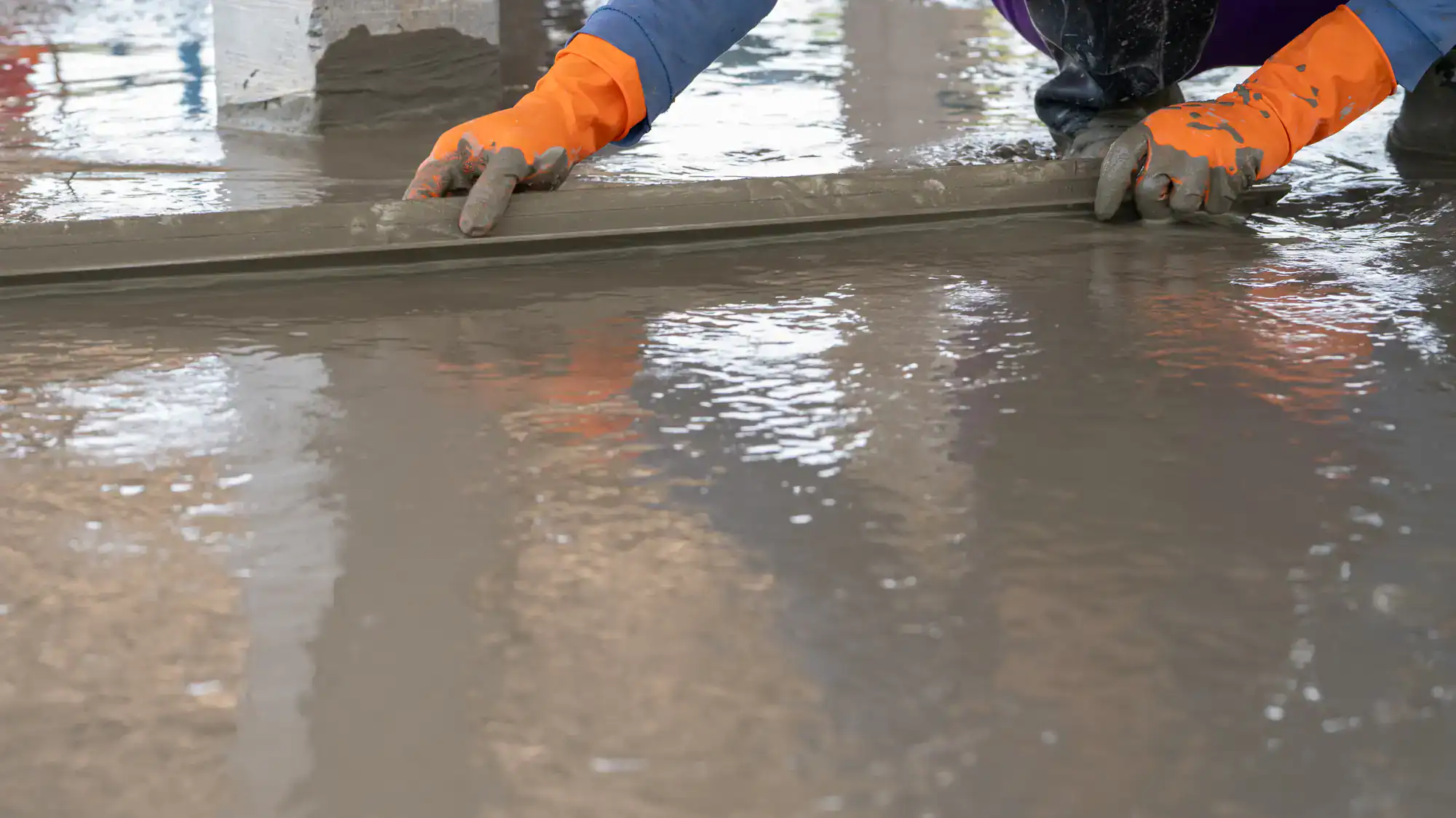
The first thing that happens on every firehouse floor project is a concrete assessment. We evaluate the slab for existing damage, contamination, and critically moisture. In a coastal community like Brookhaven, where the water table is elevated and the Great South Bay is a short distance away, moisture testing isn’t optional. It’s the difference between a floor that lasts 20 years and one that fails before the next budget cycle. If the moisture reading doesn’t clear, we don’t start the installation.
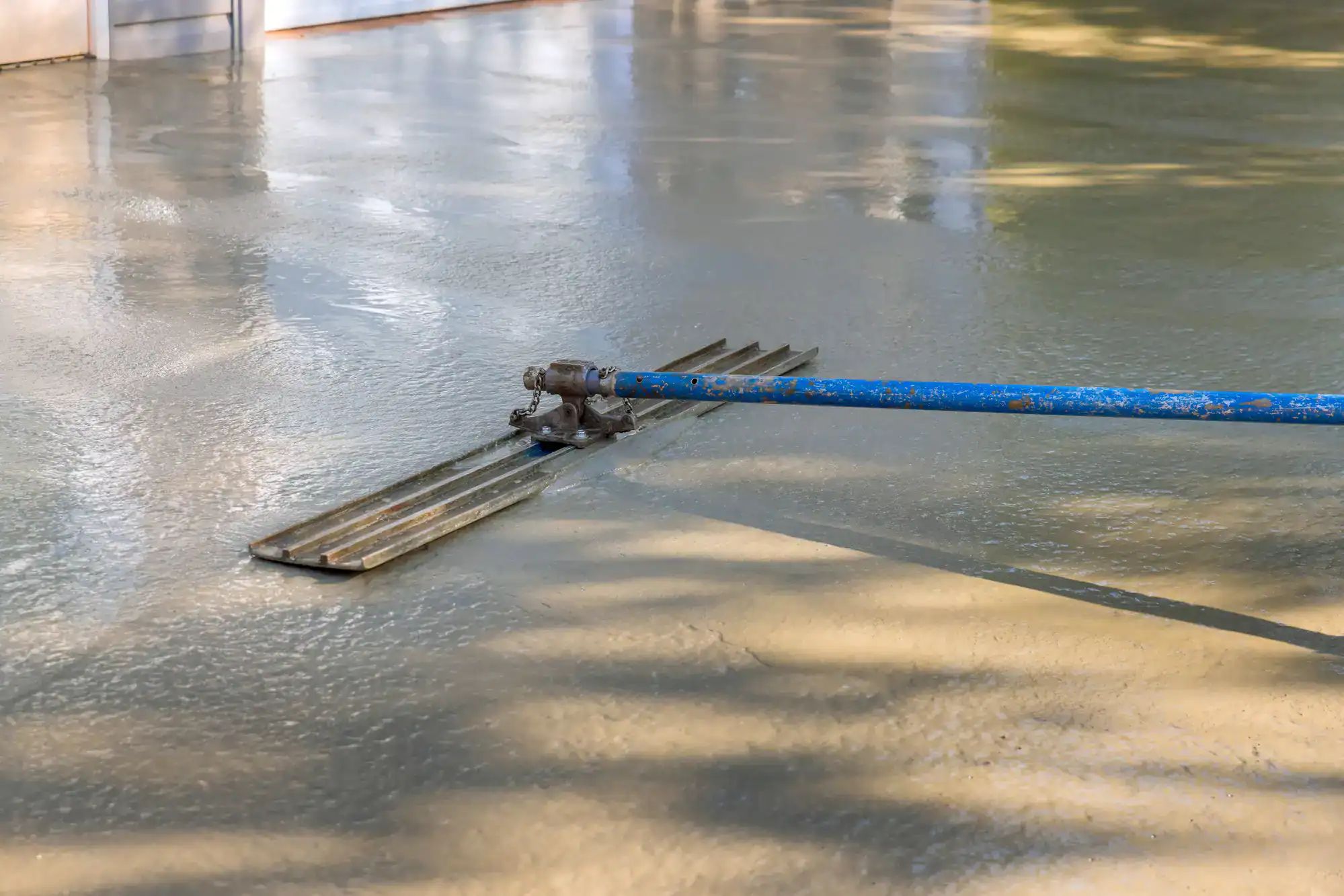
Once the slab passes, we diamond grind it to open the concrete’s surface and create a mechanical bond. This is not sanding or acid etching it’s a controlled grinding process that removes contaminants and creates the texture the coating needs to bond permanently. A penetrating primer goes in next, followed by a high-build epoxy base coat with aggregate broadcast for compressive strength. The topcoat is a rapid-cure polyaspartic system applied at 15 mils thick two to four times the thickness of standard epoxy or polyurethane coatings.
That polyaspartic topcoat is why apparatus can be back in the bay within 24 hours. Traditional epoxy systems require three to seven days of cure time. For a department like the Brookhaven Fire Department serving the hamlet, parts of Shirley, Bellport, and Yaphank out of two stations a week of reduced coverage isn’t a scheduling inconvenience. It’s a public safety gap. We’ve built the 24-hour return into the system by design.
Ready to get started?
The floor system we install in Brookhaven apparatus bays is engineered specifically for the conditions a fire station floor actually faces not the conditions a residential garage floor faces. That distinction matters more than most people realize. The system is rated for the compressive load of a 40,000-pound fire apparatus. The polyaspartic topcoat is four times more flexible than standard epoxy, which means it handles the thermal shock of bay doors opening on a January morning off the Great South Bay without cracking or delaminating. It’s also UV-stable, so it won’t yellow or break down from sunlight exposure through open bay doors.
Chemical resistance is built into every layer. Diesel fuel, hydraulic fluid, road salt, de-icing compounds, and the full range of chemicals a fire station floor encounters the system is formulated to resist all of it. The seamless, non-porous surface also supports the contamination control protocols that NFPA 1500 and NFPA 1585 require for fire stations. Carcinogens, soot, and chemical contaminants tracked in from calls can’t penetrate a sealed surface, and the floor can be fully power-washed between shifts.
For fire districts in the Town of Brookhaven working through a board approval process and a budget accountable to district residents, the system’s 20-plus-year service life is the number that changes the conversation. One installation over 20 years costs less than three or four replacement cycles of a cheaper system when you factor in grinding, disposal, re-prep, and reinstallation. That’s the math worth putting in front of a board.
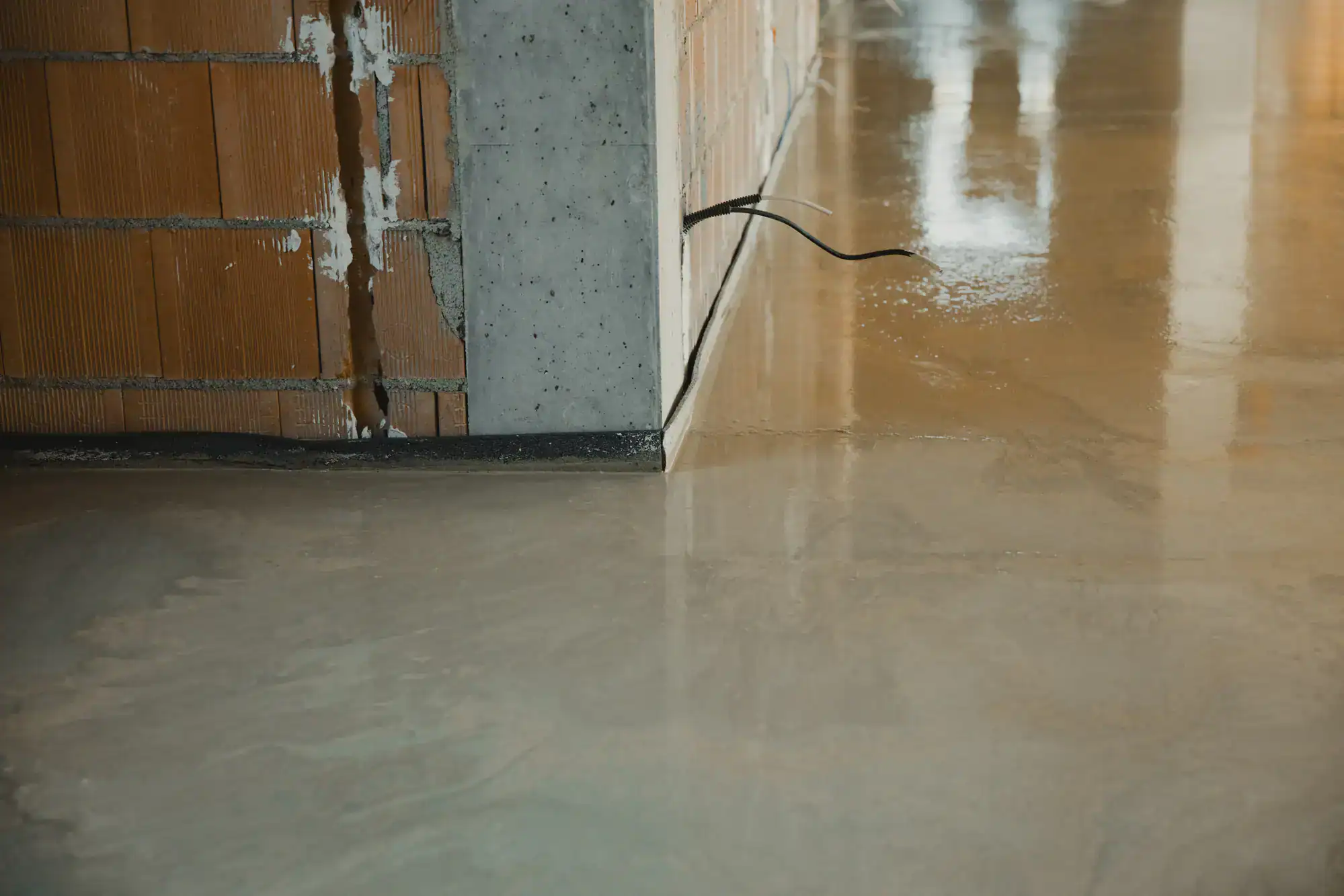
A properly installed multi-layer polyaspartic system in a Brookhaven apparatus bay should last 20 or more years under normal fire station use. The key phrase there is “properly installed” because the coastal environment along the south shore creates conditions that will expose any shortcut in the installation process. Elevated ground moisture near the Great South Bay, salt air infiltration, and the freeze-thaw cycling that the south shore’s rain-to-snow transition zone produces will find every weakness in a coating that wasn’t prepped or applied correctly.
The system holds up in this environment because of what happens before the first coat goes down. Moisture testing, diamond grinding, and a penetrating primer create a bond that the slab’s moisture can’t undermine over time. The polyaspartic topcoat is chemically resistant to salt, marine moisture, and the road chemicals tracked in from Montauk Highway and Sunrise Highway calls. That combination proper prep plus the right system is what produces a floor that actually reaches its rated service life on the south shore.
Yes, and for a department covering Brookhaven hamlet, Shirley, Bellport, and Yaphank out of two stations, this is the question that matters most. The rapid-cure polyaspartic topcoat we use in every firehouse floor installation cures in 24 hours not three to seven days like traditional epoxy systems. That means apparatus can return to the bay the following day, and the station’s coverage area isn’t left with a gap while a floor cures.
The 24-hour return isn’t a marketing number it’s a material property of the polyaspartic system. The chemistry cures faster and at a wider temperature range than standard epoxy, which also extends the viable installation season into cooler months if the department’s schedule requires it. For a volunteer department with two stations and a coverage area that includes multiple Brookhaven communities, the ability to complete one station at a time with a one-day turnaround makes the logistics of this project manageable in a way that a week-long cure window simply doesn’t.
The most common cause is moisture specifically, moisture that was present in the slab when the coating was applied and was never tested for. In a south shore community like Brookhaven, where the water table is elevated and ambient humidity runs high year-round, this is a particularly common failure pattern. Moisture migrates up through the concrete, builds pressure beneath the coating, and eventually forces it off the slab in bubbles and sheets. It doesn’t matter how good the coating is if the slab wasn’t properly evaluated before application.
The second most common cause is inadequate surface preparation. Acid etching which is what most consumer-grade and franchise-kit installations use doesn’t create a strong enough mechanical bond in a commercial environment. Diamond grinding opens the concrete’s capillary structure and creates the tooth the coating needs to bond permanently. Without it, the adhesion is surface-level, and the coating fails under the thermal cycling, chemical exposure, and load stress that a fire station floor experiences daily. Both failure modes are entirely preventable with the right prep process.
Generally, a building permit through the Town of Brookhaven’s Building Division is required for commercial and municipal renovation work, including floor resurfacing in a fire station. The town’s building department is headquartered in Farmingville, and permit requirements for surface preparation and resinous coating application in a municipal facility fall under the New York State Building Code. The specific requirements can vary depending on the scope of work and the condition of the existing slab, so it’s worth confirming with the town before the project begins.
From a contractor standpoint, OSHA 40 certification which all our installers hold is specifically relevant for work in active municipal facilities where personnel and apparatus may be present during installation. For a fire district board managing a capital project through a formal approval process, having a contractor who understands the permitting environment and brings the appropriate safety credentials to an active station reduces the administrative and liability burden on the department significantly.
The system that holds up to road salt, diesel, hydraulic fluid, and de-icing compounds is a multi-layer polyaspartic system not standard epoxy, not a consumer-grade kit, and not a single-coat application. The polyaspartic topcoat is formulated for chemical resistance across the full range of substances a fire station floor encounters, and it goes down at 15 mils thick, which is two to four times the thickness of standard epoxy or polyurethane coatings. Thickness matters because thinner coatings are more vulnerable to chemical penetration and abrasion over time.
For Brookhaven apparatus responding to incidents along Sunrise Highway and Montauk Highway in winter, road salt infiltration into the bay is a constant. Suffolk County roads are heavily salted during winter weather events, and every winter run tracks that salt directly onto the bay floor on tires and undercarriage. A properly installed, chemically resistant system treats that as a routine cleaning problem you wash the floor, and nothing has penetrated. An undersized or improperly applied system treats it as a slow-motion failure that compounds season after season until the coating has to be ground off and replaced.
Professional commercial firehouse floor installations in the Brookhaven area typically run between $5 and $15 per square foot, depending on the size of the apparatus bay, the condition of the existing concrete, and the specific system specified. A standard two-bay apparatus bay might run anywhere from $8,000 to $20,000 or more for a complete multi-layer system. That range is wide because the condition of the slab matters a bay with significant cracking, spalling, or contamination from years of oil and chemical exposure requires more prep work before any coating goes down.
For a volunteer fire district in Brookhaven working through a board approval process, the more useful number is the total cost of ownership comparison. A properly installed 20-year system costs more upfront than a consumer-grade or franchise-kit installation but when a cheaper system fails in three to five years, the cost of grinding off the failed coating, disposing of the debris, re-prepping the slab, and reinstalling a new system often exceeds the original savings several times over. The board conversation isn’t “can we afford the better system” it’s “can we afford to replace a cheaper one every few years and explain that to district residents.”