
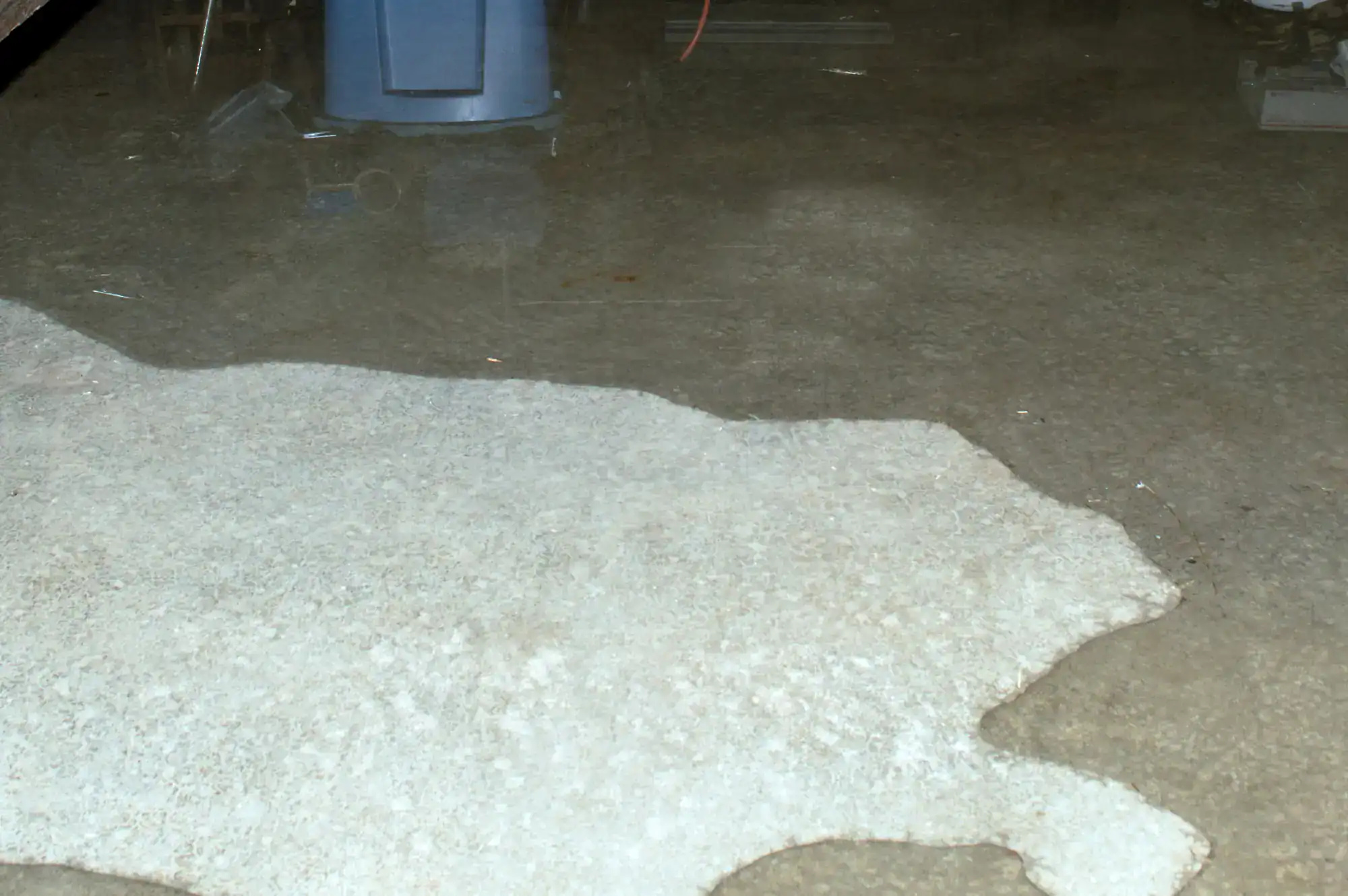
When apparatus rolls back into a Massapequa bay after a winter call on Sunrise Highway, it’s carrying road salt, brine, and deicing chemicals straight into your bay. Bare concrete absorbs all of it staining, corroding, and degrading beneath the surface until the floor becomes a liability. A properly installed resinous system stops that cycle entirely. Spills sit on top. Contaminants wipe off. The bay stays clean, safe, and decontaminable.
Massapequa’s position on South Oyster Bay creates something most inland contractors don’t account for: elevated ambient humidity, a shallow water table, and ground moisture conditions that cause poorly applied coatings to bubble and peel within a few years. The right system installed with mandatory moisture testing and diamond-ground surface prep bonds at the molecular level and doesn’t give that moisture anywhere to go except out before the coating goes down.
The result is a floor that handles 40,000-pound fire apparatus, resists hot tires from heated engines, and doesn’t require replacement every five years. For a volunteer fire district with taxpayer accountability, that durability isn’t a luxury it’s the fiscally responsible choice.
We’ve been installing commercial and industrial resinous floors for over 30 years, with CEO Danny Harmer bringing more than 40 years of hands-on experience to every project. This isn’t a franchise kit operation or a residential garage company that occasionally takes on public-sector work. We were built specifically around commercial and industrial flooring and firehouse installations are one of our most technically demanding specializations.
We hold Sherwin-Williams High Performance Flooring Certification, one of the most rigorous manufacturer-approved applicator credentials in the industry. All our field installers are OSHA 40 certified, and most employees have been with us for over a decade. Field supervisors Javier, Eduardo, and Fredith collectively bring over 40 years of additional hands-on experience between them.
Based in Bohemia, NY about 25 miles east of Massapequa on the same Sunrise Highway corridor we know South Shore Long Island conditions firsthand. From the coastal humidity off South Oyster Bay to the freeze-thaw cycling that opens micro-cracks in apparatus bay slabs every winter, this is the environment we work in every day. That’s why we understand what Massapequa fire districts actually need.
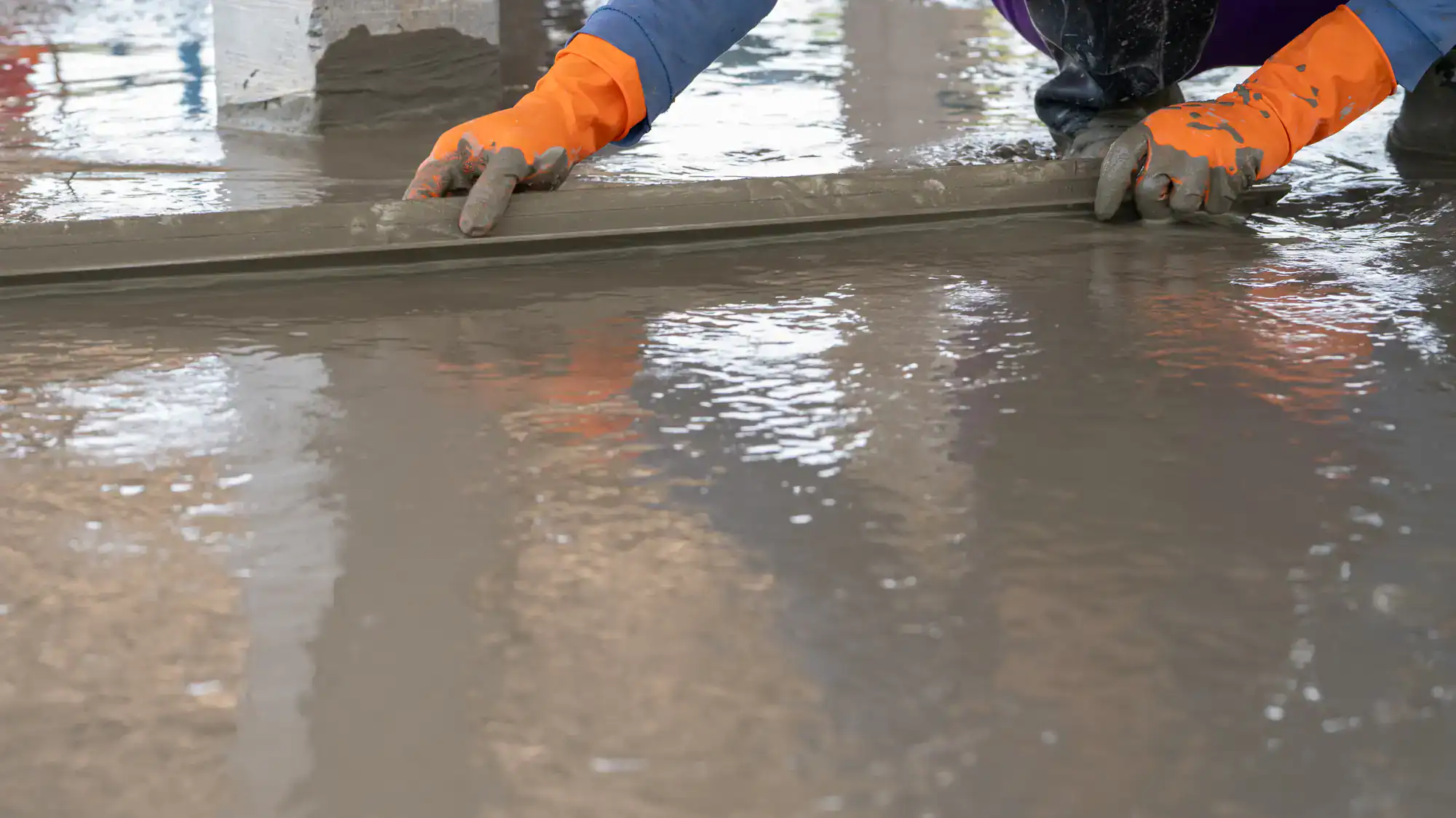
Every firehouse floor installation starts with a site assessment and mandatory moisture testing no exceptions. In a South Shore community like Massapequa, where the water table is shallow and coastal humidity is a year-round factor, skipping this step is exactly how floors fail. Moisture trapped beneath a coating has nowhere to go but up, and when it does, it takes the coating with it. Testing first means the system bonds correctly and stays bonded.
Once the slab passes moisture review, we prepare the surface using multi-head diamond grinding not acid etching. Diamond grinding mechanically opens the concrete profile, removes surface contamination, and reaches into the micro-cracks that Massapequa’s winter freeze-thaw cycles have opened over time. That’s the only way to create a surface the primer can actually penetrate and bond to.
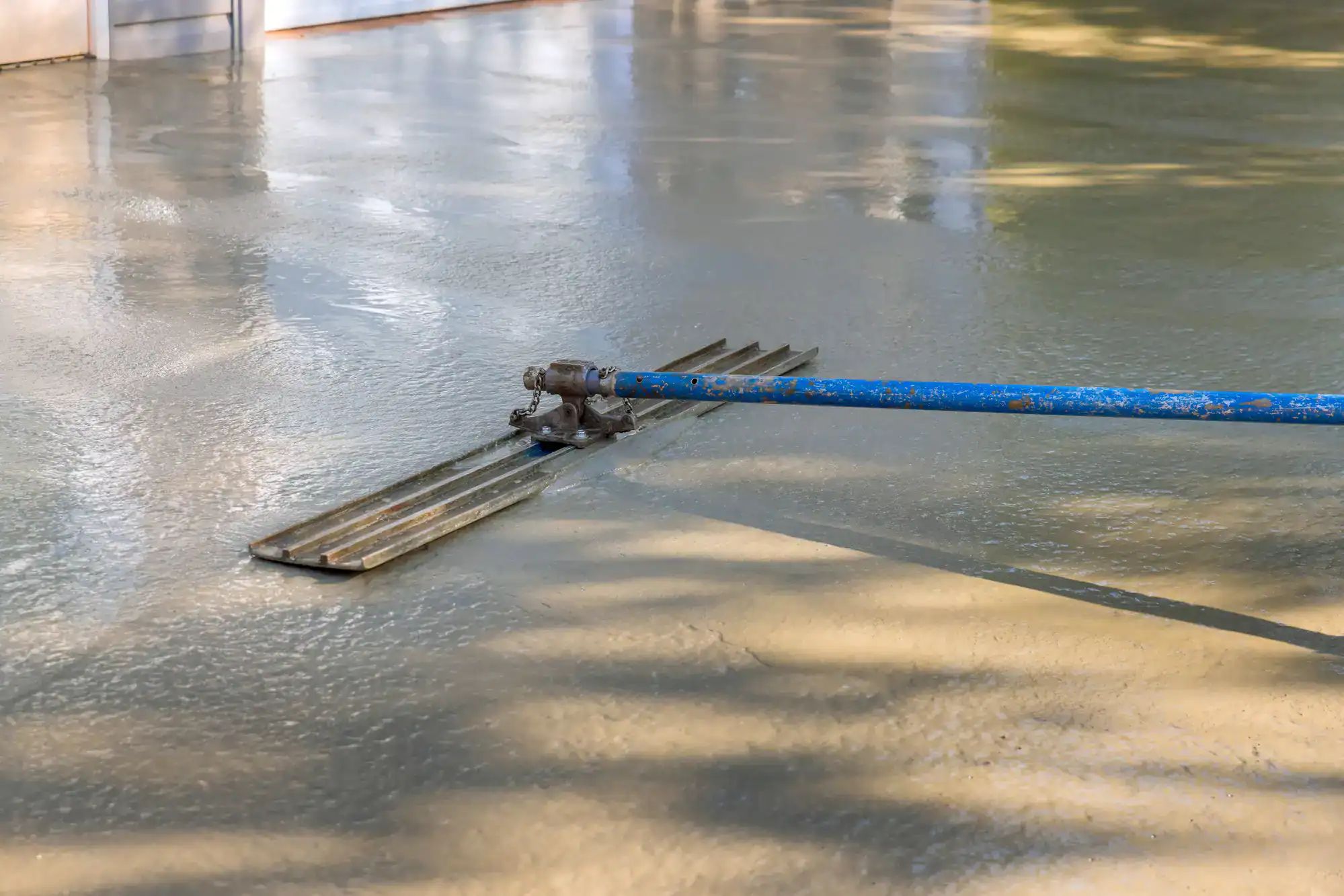
From there, a penetrating primer goes down, followed by a high-build base coat with aggregate broadcast for slip resistance, and a polyaspartic topcoat that cures in a fraction of the time standard epoxy requires. Apparatus can return to the bay within 24 hours not 3 to 7 days. For a volunteer department running calls across Nassau County, that turnaround isn’t a detail. It’s the whole point. We identify and address any permit requirements through the Town of Oyster Bay Building Department before work begins.
Ready to get started?
The system we install in Massapequa firehouses is a multi-layer resinous build diamond-ground concrete, penetrating primer, high-build epoxy base coat with color quartz or solid color aggregate broadcast, and a polyaspartic topcoat applied at 15 mils thickness. That’s significantly thicker than standard polyurethane or consumer-grade epoxy systems, and it’s formulated to handle compressive loads that passenger vehicle floors never see. A 40,000-pound pumper truck is a different engineering problem than a pickup truck in a residential garage.
The polyaspartic topcoat is thermally resistant, UV-stable, and four times more flexible than standard epoxy which matters in an apparatus bay where overhead doors open in January and hot trucks return from winter calls. Hot-tire pickup, where a heated tire bonds to a standard epoxy surface and peels it off on the way out, is the most common failure mode in apparatus bays on Long Island. Our system doesn’t have that problem.
For Massapequa’s fire districts both the Massapequa Fire Department at 1 Brooklyn Avenue and the North Massapequa Fire Department the seamless, non-porous surface also directly supports NFPA decontamination protocols. When your members respond to a structure fire and return to the bay carrying carcinogens on their gear and apparatus, a floor that can be fully decontaminated isn’t a regulatory checkbox. It’s a health decision for the people who live in this community.
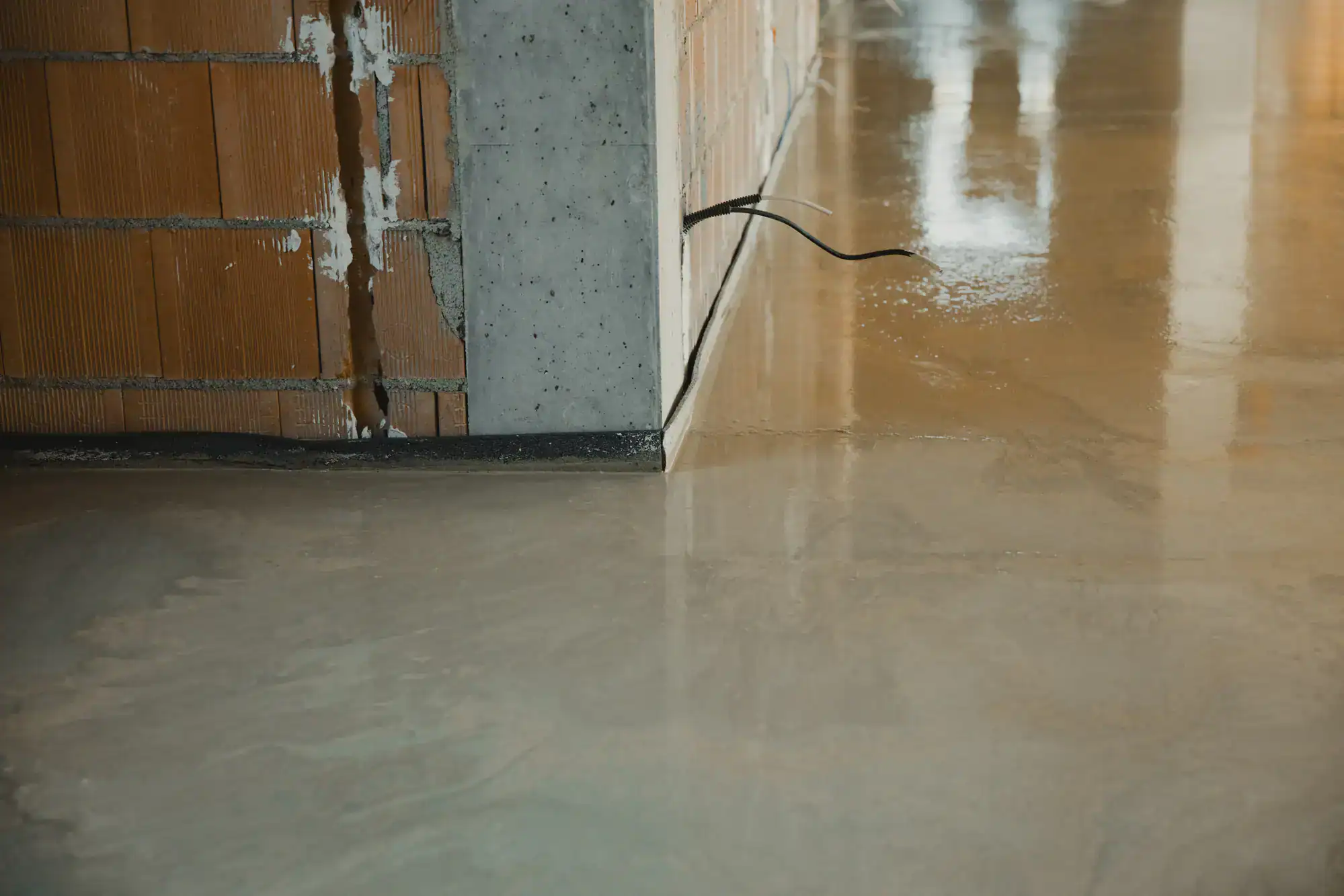
A properly installed polyaspartic system in a Massapequa apparatus bay should last 20 or more years under normal operational use. The key phrase there is “properly installed” because Massapequa’s South Shore environment creates conditions that shorten the lifespan of floors that aren’t prepared correctly. The shallow water table, elevated ambient humidity from South Oyster Bay, and the salt-laden air that comes with living in a coastal community all put additional stress on coatings that were applied without moisture testing or adequate surface preparation.
When the installation process starts with mandatory moisture testing and diamond-ground surface prep, the coating bonds at a level that coastal humidity and ground moisture can’t undermine. The 15-mil polyaspartic topcoat adds a layer of chemical and thermal resistance that standard epoxy systems simply don’t have. Compare that to a consumer-grade or improperly applied system, which typically shows delamination and peeling within three to five years in a South Shore environment and you’re looking at a significant difference in total cost and operational disruption over the life of the floor.
This is usually the first question fire chiefs and district commissioners ask, and for good reason. Massapequa’s volunteer departments the Massapequa Fire Department with three stations and 170 volunteers, and North Massapequa with two stations and 115 volunteers cannot park apparatus outside for a week while a floor cures. That’s not a realistic option for a community this size, and it’s not how we approach the job.
The polyaspartic topcoat we use in these installations cures fast enough that apparatus can return to the bay within 24 hours of the final coat going down. The actual installation timeline depends on the size of the bay and the condition of the existing slab, but the 24-hour return window is consistent across our projects. We typically schedule work in coordination with the department to minimize disruption staging the job during lower-call-volume periods where possible and sequencing the work so that at least part of the bay remains accessible during installation if the layout allows.
The prep work is where most floors fail not the coating itself. In Massapequa and across Nassau County’s South Shore, apparatus bay slabs have typically been through years of freeze-thaw cycling, road salt exposure, and moisture absorption. That history leaves micro-cracks in the concrete surface and contamination layers that prevent coatings from bonding correctly. If you apply a coating over that without addressing it, you’re not sealing the floor you’re trapping the problem underneath it.
Acid etching, which is the prep method used by franchise kit operators and DIY installers, introduces moisture into the slab right before you’re trying to seal it. It also doesn’t penetrate the micro-cracks that Long Island winters open in concrete over time. Diamond grinding mechanically opens the surface, removes contamination, and creates a bonding profile that primer can actually penetrate. It’s a more involved process, but it’s the reason a properly installed floor bonds and stays bonded rather than peeling up in sheets two winters later.
Commercial apparatus bay flooring in Nassau County typically runs between $5 and $15 per square foot for a professionally installed multi-layer resinous system. The range reflects real variables: the size of the bay, the condition of the existing slab, how much prep work is required, and the specific system specified. A bay that has significant existing damage or contamination will require more prep time and material than a bay that’s in reasonable condition.
For Massapequa fire districts presenting a capital expenditure to commissioners or taxpayers, the more useful number is the cost per year of service life. A professionally installed polyaspartic system at $10 per square foot that lasts 20 years costs $0.50 per square foot per year. A cheaper system at $5 per square foot that needs replacement every five years costs $1.00 per square foot per year twice as much over the same period, with three additional rounds of grinding, disposal, and reinstallation disruption built in. The upfront investment in the right system is the lower long-term cost for a publicly funded fire district.
Yes, and this is one of the more important functional benefits of a properly sealed apparatus bay floor especially for volunteer departments where members are your neighbors, not career employees clocking in and out of a separate facility. NFPA 1581 requires that apparatus bay floors be non-porous and cleanable to support decontamination protocols that protect firefighters from carcinogen exposure after structure fires. Bare or degraded concrete fails that standard because it absorbs contaminants rather than allowing them to be wiped away.
A seamless, non-porous resinous surface changes that equation completely. Contaminants carried back into the bay on apparatus, gear, or footwear sit on top of the surface rather than absorbing into it. The floor can be fully decontaminated with standard cleaning protocols. For Massapequa’s volunteer departments, where the people responding to fires are the same people who live in the community and come home to their families after every call, a floor that supports proper decontamination is a direct health investment in the department’s membership.
The North Massapequa Fire Department’s headquarters was destroyed by fire and subsequently rebuilt with H2M Architects and Engineers redesigning the facility and apparatus bay to current building codes and safety standards. That project required a full apparatus bay build-out, which means the floor specification was part of a code-compliant, professionally engineered renovation. It’s a documented example of a fire district in this exact community investing in new apparatus bay infrastructure, and it reflects the kind of capital commitment that fire districts in the Massapequas area are willing to make when the need is clear.
That rebuild also set a practical benchmark for what a properly constructed apparatus bay looks like in Nassau County. If your department is evaluating a floor upgrade whether it’s a full resurfacing of an aging slab or a new installation following renovation work that precedent matters. It demonstrates that fire district investment in apparatus bay infrastructure is an active reality in this community, not a hypothetical. The question for most departments isn’t whether the floor needs attention. It’s whether the contractor they’re considering is qualified to do the job correctly the first time.