
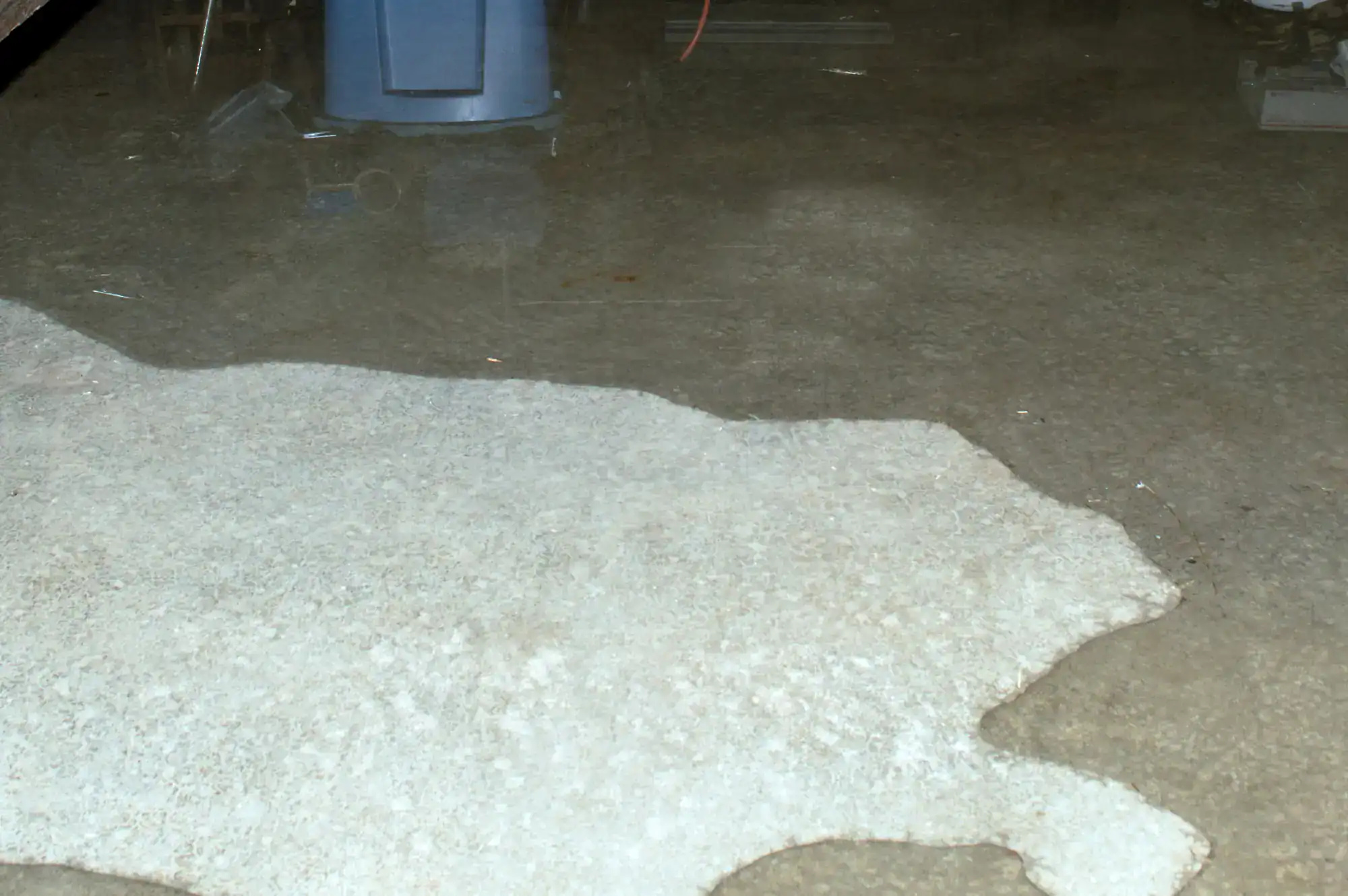
A deteriorating apparatus bay floor isn’t just an eyesore it’s a liability. Cracked, porous concrete absorbs road salt, traps carcinogenic combustion byproducts, and eventually becomes a slip and trip hazard for the people who run into burning buildings for a living. When that floor gets replaced with a system that’s actually built for the environment, the difference is immediate and practical.
Baldwin sits on Nassau County’s South Shore, and that matters more than most departments realize. The combination of salt air off the Atlantic, tidal moisture from the surrounding waterways, and the freeze-thaw cycling that hits every winter creates a concrete environment that degrades faster than anything you’d find inland. Every time apparatus rolls back in from a call on Merrick Road or the Southern State Parkway in February, it’s depositing road salt directly onto your bay floor. On bare or poorly sealed concrete, that salt soaks in, attacks the slab, and accelerates every failure mode you’re already dealing with.
A properly installed multi-layer system applied over diamond-ground, moisture-tested concrete keeps all of that on the surface where you can wash it off. The floor stays cleaner, lasts longer, and actually supports the contamination control protocols that protect your volunteers from occupational exposure. That’s just what the right floor does.
We’re a Bohemia-based commercial and industrial flooring contractor with over 30 years in business. Our CEO, Danny Harmer, has more than 40 years of hands-on installation experience. This isn’t a franchise operation, and it’s not a residential garage floor company that started taking commercial calls. We were built specifically around resinous systems for demanding environments, and firehouse floors are one of the most demanding environments there is.
Our field supervisors Javier, Eduardo, and Fredith collectively bring over 40 more years of installation experience, and most of our crew has been with us for more than a decade. That kind of consistency shows up in the work. We hold the Sherwin-Williams High Performance Flooring certification, Res Tech certification, and OSHA 40 certification for every installer credentials that matter when you’re working in an active Nassau County fire station with apparatus, equipment, and personnel present.
We’ve installed firehouse floors across Long Island and the five boroughs, and we understand what South Shore conditions do to concrete. We’ve worked with Baldwin Fire District stations and know firsthand how coastal humidity, salt air, and tidal moisture accelerate concrete degradation. That’s not something you can learn from a product brochure.
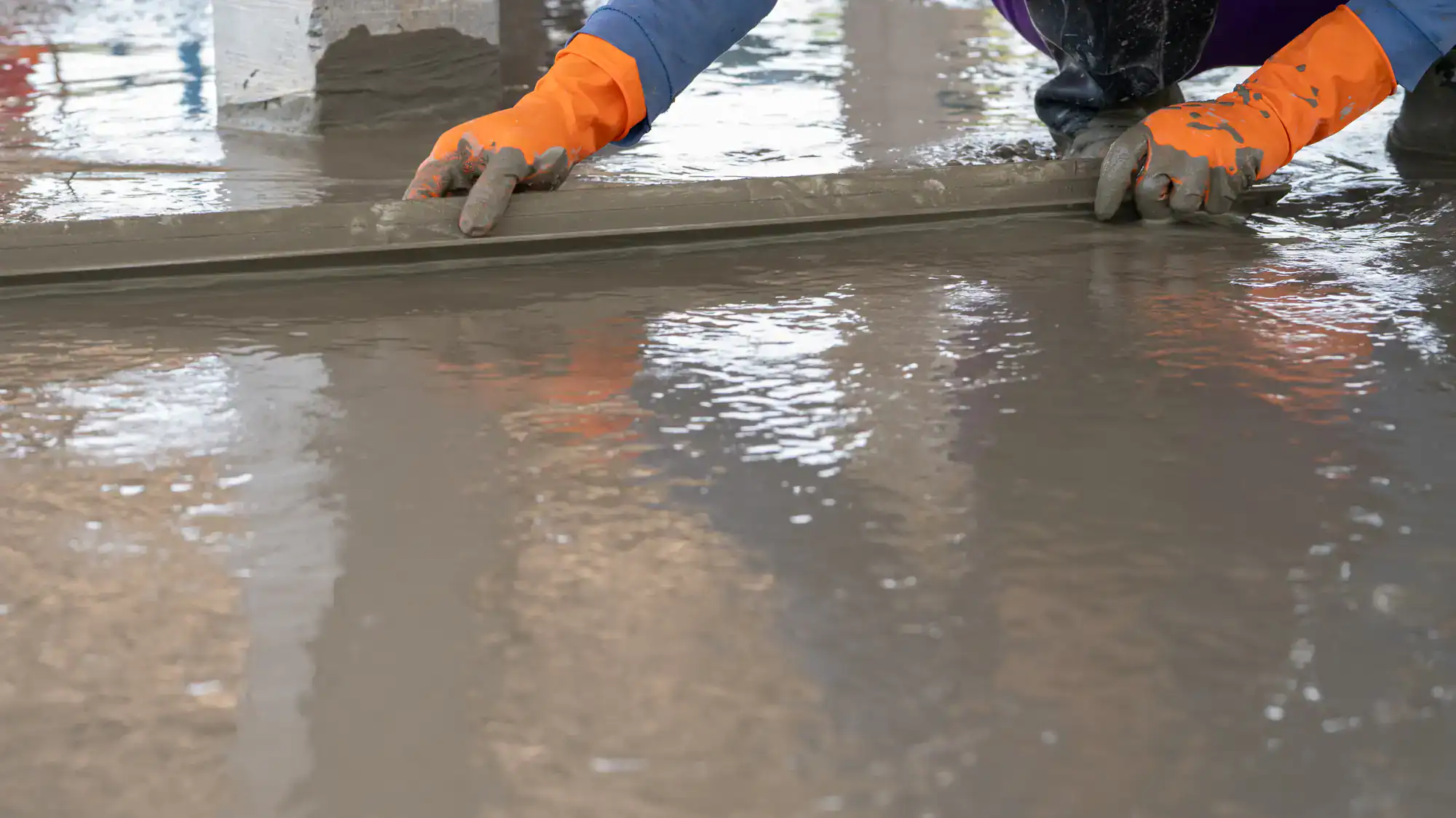
The process starts before a single product is mixed. Moisture testing comes first always. Baldwin’s South Shore location means the concrete in your apparatus bay is dealing with a moisture load that inland stations don’t face. Coastal humidity, proximity to tidal waterways, and decades of water infiltration can create vapor transmission rates that will cause any coating to fail if they’re not addressed at the substrate level. If moisture is present, we handle it with the correct primer system before anything else goes down.
From there, the concrete is diamond ground not acid etched. Diamond grinding opens the surface mechanically and removes contamination that’s been building up since the day the slab was poured. For a station that’s been in continuous operation since 1896, that’s a significant amount of embedded oil, road salt, and chemical residue. Once the surface is properly prepared, we apply the system in sequence: penetrating primer, high-build epoxy base coat with aggregate broadcast for compressive strength and slip resistance, and a polyaspartic topcoat that handles hot tires, thermal shock, and chemical exposure without cracking or peeling.
The polyaspartic topcoat is what makes the 24-hour return-to-service possible. That’s not a sales claim it’s the chemistry of the product. For a volunteer department running four stations across Baldwin, getting apparatus back in the bay within 24 hours isn’t a convenience. It’s the whole reason this system works operationally.
Ready to get started?
The system we install in a Baldwin apparatus bay is a fundamentally different product than what gets sold at a home improvement store or applied by a franchise operation. It’s a multi-layer, commercial-grade resinous system engineered for compressive loads, chemical resistance, thermal cycling, and the specific contamination challenges of an active firehouse environment. The aggregate broadcast layer embedded in the base coat increases surface hardness and provides the slip resistance required in a wet, high-traffic bay. The polyaspartic topcoat is UV-stable, hot-tire resistant, and rated for the chemical exposure that comes with apparatus maintenance and decontamination operations.
For Baldwin’s fire district, there’s also a compliance angle worth understanding. NFPA contamination control standards specifically NFPA 1500 and 1585 require clear separation between the hot zone of the apparatus bay and the living quarters of the station. A seamless, non-porous floor surface is a direct support for those protocols. It eliminates the cracks and porous areas where combustion byproducts accumulate, and it can be fully decontaminated with a pressure washer and cleaning solution. For 227 volunteers who don’t have the institutional health monitoring resources of a career department, that matters.
The Baldwin Fire District board should also know that this type of capital improvement is eligible for FEMA Assistance to Firefighters Grant funding. The total cost of ownership math is straightforward: a properly installed polyaspartic system lasts 20-plus years. A cheaper system that fails in five requires grinding, disposal, and reinstallation and costs more over time, not less.
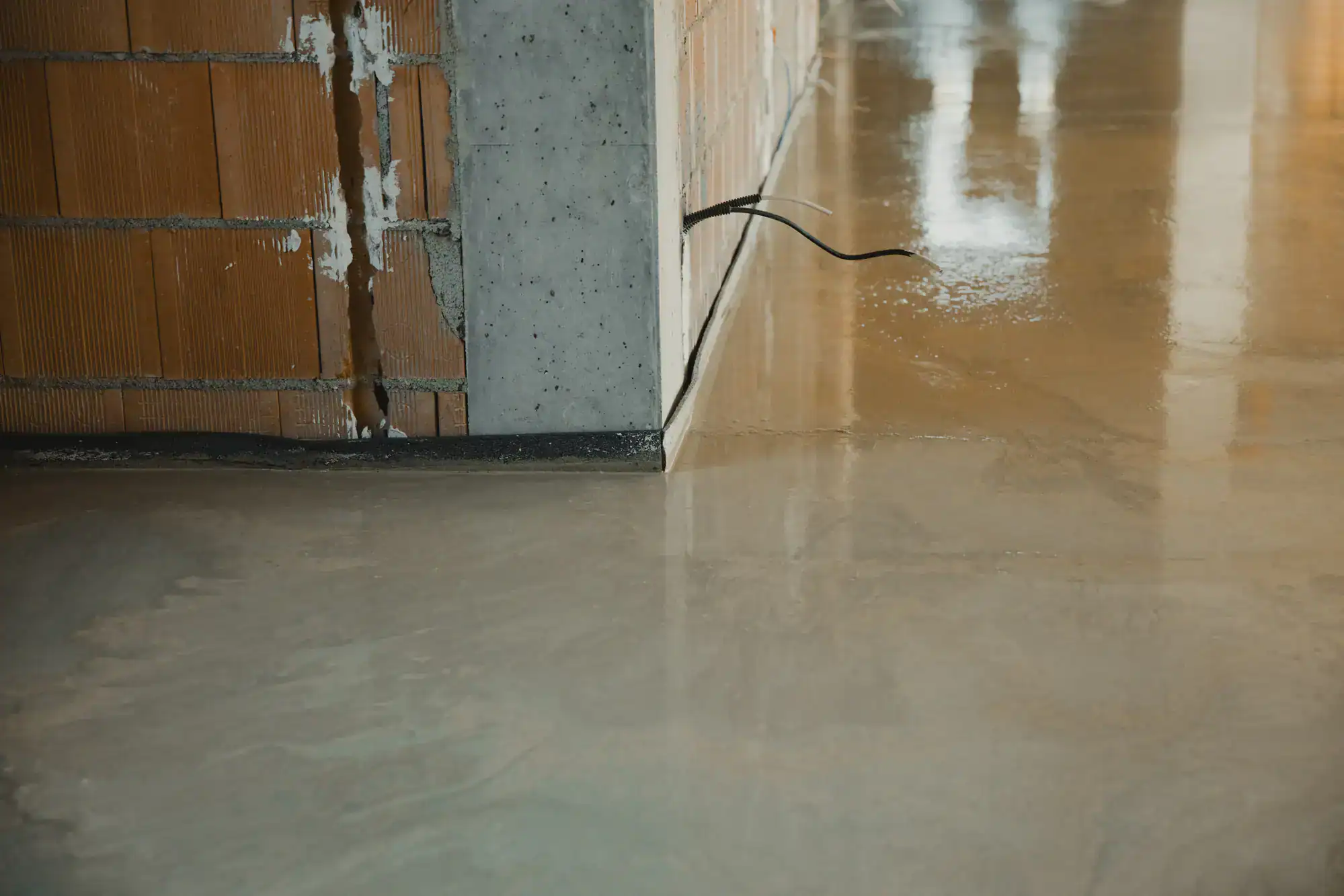
This is the question that stops most volunteer departments from moving forward, and it’s a fair one. The short answer is yes with the right system. We use a polyaspartic topcoat that cures fully within 24 hours, which means apparatus can be returned to the bay the following day. That’s not typical of standard epoxy systems, which often require three to seven days of cure time before they can handle vehicle traffic.
For a volunteer department like Baldwin’s 227 members responding from homes and jobs across four stations having apparatus outside for a week isn’t operationally realistic. The 24-hour cure window is what makes this project feasible without compromising response capability. We can also stage work by station, so the department maintains coverage across Baldwin throughout the project rather than taking all four bays offline simultaneously.
A few things, and they all matter. First, the load requirements are different. Standard commercial epoxy systems are specified for foot traffic and light equipment not 40,000-pound fire engines making repeated daily passes. The aggregate broadcast layer in an apparatus bay system increases compressive strength at the surface level to handle that load without cracking or delaminating over time.
Second, the environmental conditions in Baldwin are more aggressive than most commercial environments. The South Shore location means year-round coastal humidity, salt air from the Atlantic, and road salt from Sunrise Highway and Merrick Road coming back into the bay on apparatus tires after every winter response. A system that isn’t properly moisture-tested and sealed at the substrate level will fail under those conditions often within the first year. The prep work diamond grinding and moisture testing is what separates a floor that lasts from one that doesn’t.
A properly installed multi-layer polyaspartic system applied over correctly prepared concrete should last 20 years or more under normal apparatus bay conditions. The key phrase there is “correctly prepared.” The lifespan of any floor coating is determined almost entirely by what happens before the first coat goes down. If the concrete isn’t diamond ground, if moisture isn’t tested and addressed, and if the primer isn’t matched to the substrate conditions, the coating will fail early regardless of how good the topcoat product is.
In Nassau County’s South Shore environment specifically, moisture is the primary failure driver. Baldwin’s coastal humidity and proximity to tidal waterways create vapor transmission conditions that can cause coatings to blister and delaminate within months if the substrate prep is skipped or rushed. The 20-year lifespan figure assumes the full process moisture testing, diamond grinding, penetrating primer, high-build base coat, aggregate broadcast, and polyaspartic topcoat is executed correctly from the start.
For a standard floor coating project surface preparation and resinous coating application over existing concrete a building permit is typically not required under Town of Hempstead regulations. Floor coating is generally classified as a maintenance or improvement activity rather than a structural modification. That said, if the project involves any concrete repair, slab work, or structural changes to the bay floor, the Town of Hempstead Building Department should be consulted before work begins.
It’s also worth coordinating with the Nassau County Fire Marshal’s office, which oversees fire station facility compliance in the county. For Baldwin Fire District capital expenditures, the Board of Fire Commissioners will need to approve the project as part of the district’s normal procurement process. We’ve worked with fire districts across Long Island and are familiar with the approval and coordination process it’s not a barrier, just a step that needs to be built into the project timeline.
Road salt is a chloride compound, and chlorides are aggressive on concrete and floor coatings alike. When apparatus returns from a call on salted roads Sunrise Highway, Merrick Road, the Southern State Parkway it deposits chloride-laden slush and brine directly onto the bay floor. On bare or poorly sealed concrete, that chloride solution penetrates the porous surface, attacks embedded rebar, and creates osmotic pressure that causes coatings to blister and separate from the substrate.
Nassau County applies road salt heavily throughout the winter season, and Baldwin’s fire stations see that contamination on the bay floor after nearly every winter response. The only effective defense is a sealed, non-porous surface specifically a polyaspartic topcoat that keeps chloride compounds on the surface rather than letting them soak in. Once the floor is properly sealed, cleanup is straightforward: a mop, a squeegee, or a pressure washer removes the contamination before it can cause damage. That’s the practical difference between a sealed floor and an unsealed one in a South Shore fire station.
Yes the Baldwin Fire Department, as a volunteer fire department, is eligible to apply for FEMA Assistance to Firefighters Grant (AFG) funding, and apparatus bay floor improvements can qualify under the facility improvement category. AFG grants are competitive and require a matching contribution from the department, but they represent a meaningful funding source for capital projects that might otherwise strain the fire district’s operating budget.
The total cost of ownership argument strengthens the case for grant funding significantly. A 20-year polyaspartic system installed correctly costs less over its lifetime than a cheaper system that requires reinstallation every five years and that math is exactly the kind of fiscal justification that resonates with both grant reviewers and the Baldwin Fire District’s Board of Fire Commissioners. If you’re planning a floor project and want to explore the grant funding angle, building the project timeline around the AFG application cycle is worth discussing early in the planning process.