
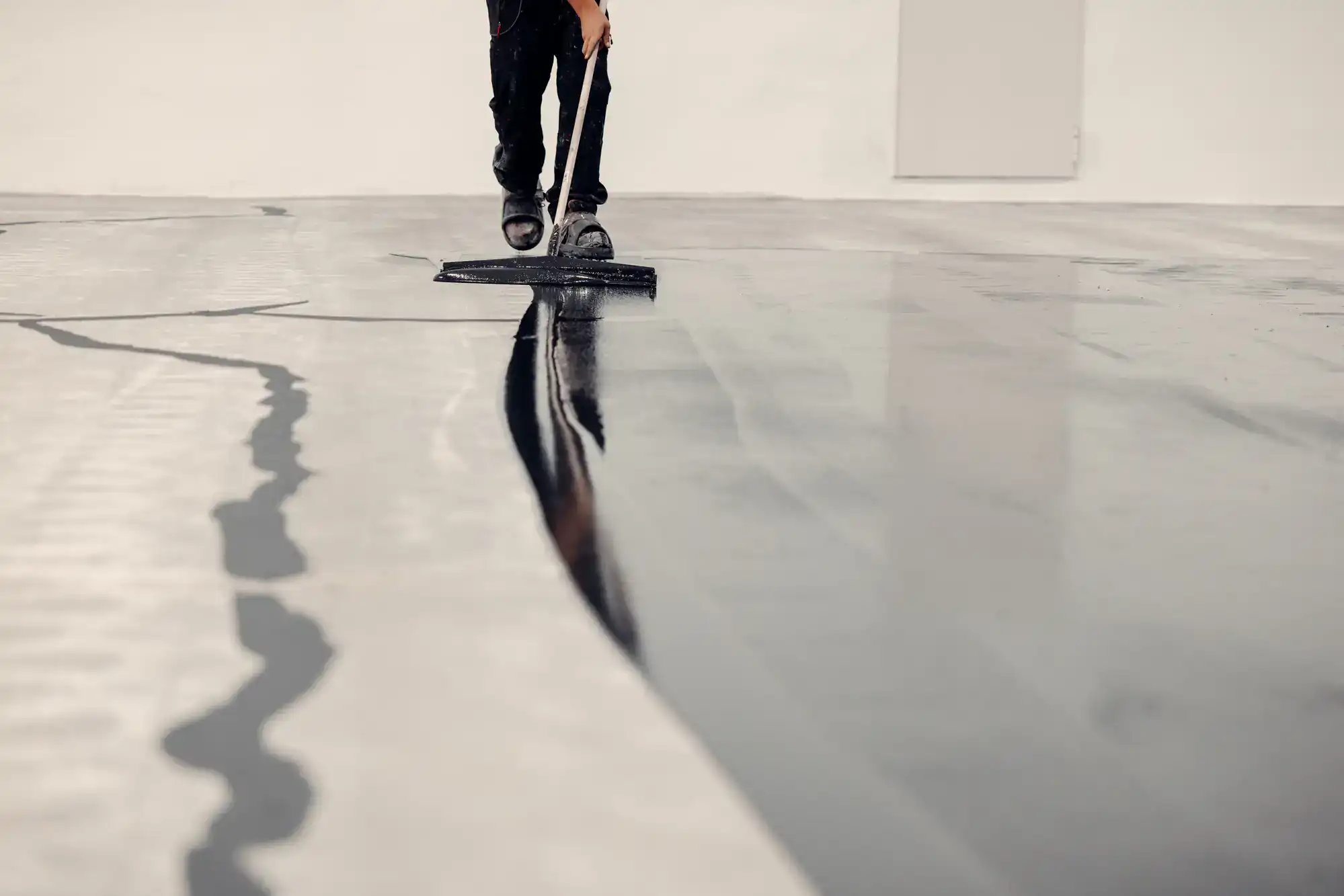
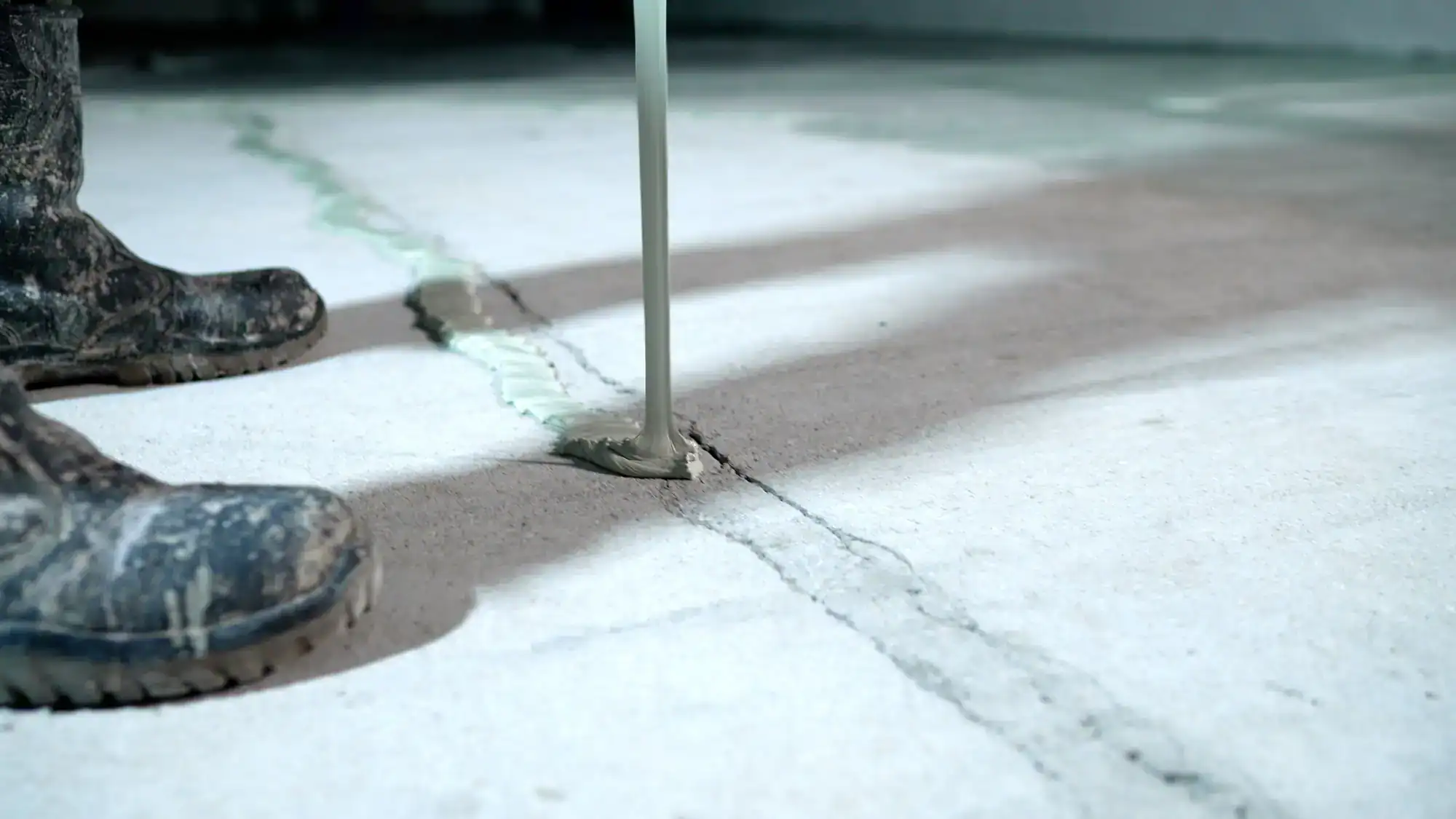
If you’ve dealt with a floor that bubbled, peeled, or cracked within a year or two of installation, you already know the problem wasn’t epoxy it was how it was installed. On the South Shore, moisture vapor moves through concrete slabs constantly. The sandy soil beneath West Islip properties is highly permeable, which means groundwater doesn’t sit it travels. When a contractor skips moisture testing before coating your floor, that moisture has nowhere to go but up, and it takes the coating with it.
A properly installed epoxy floor in West Islip starts with testing not assumptions. Once the slab is assessed, we diamond grind the surface to open the concrete’s pores and create a true mechanical bond. That’s the step most budget contractors skip because it takes time and equipment. Without it, even a quality product fails.
The result, when it’s done correctly, is a floor that holds up through humid summers on the bay, post-storm moisture events, and the kind of heavy daily use that commercial and industrial spaces demand. You stop thinking about the floor. It just works.
We’ve been installing commercial and industrial epoxy floors for over 35 years. Our company is based in Bohemia right here in the Town of Islip which means the same municipality that governs West Islip is where we’ve operated for decades. That’s not a marketing detail. It means we know South Shore building conditions, local permit requirements, and the specific moisture challenges that come with proximity to the Great South Bay.
Danny Harmer, our founder and CEO, has over 40 years of hands-on installation experience. He has installed floors across the country, internationally, and in 1996, he installed the epoxy floor in the White House kitchen a project with zero margin for error and absolute compliance standards. That same standard is what we apply to every floor in West Islip.
Our crew is Sherwin-Williams High Performance Flooring certified, Res Tech certified, and OSHA 40 trained. Most of our installers have been with us for over a decade. When you call Advanced Epoxy Flooring, you’re not getting a rotating subcontractor crew you’re getting the same experienced team that’s been delivering consistent results for over three decades.
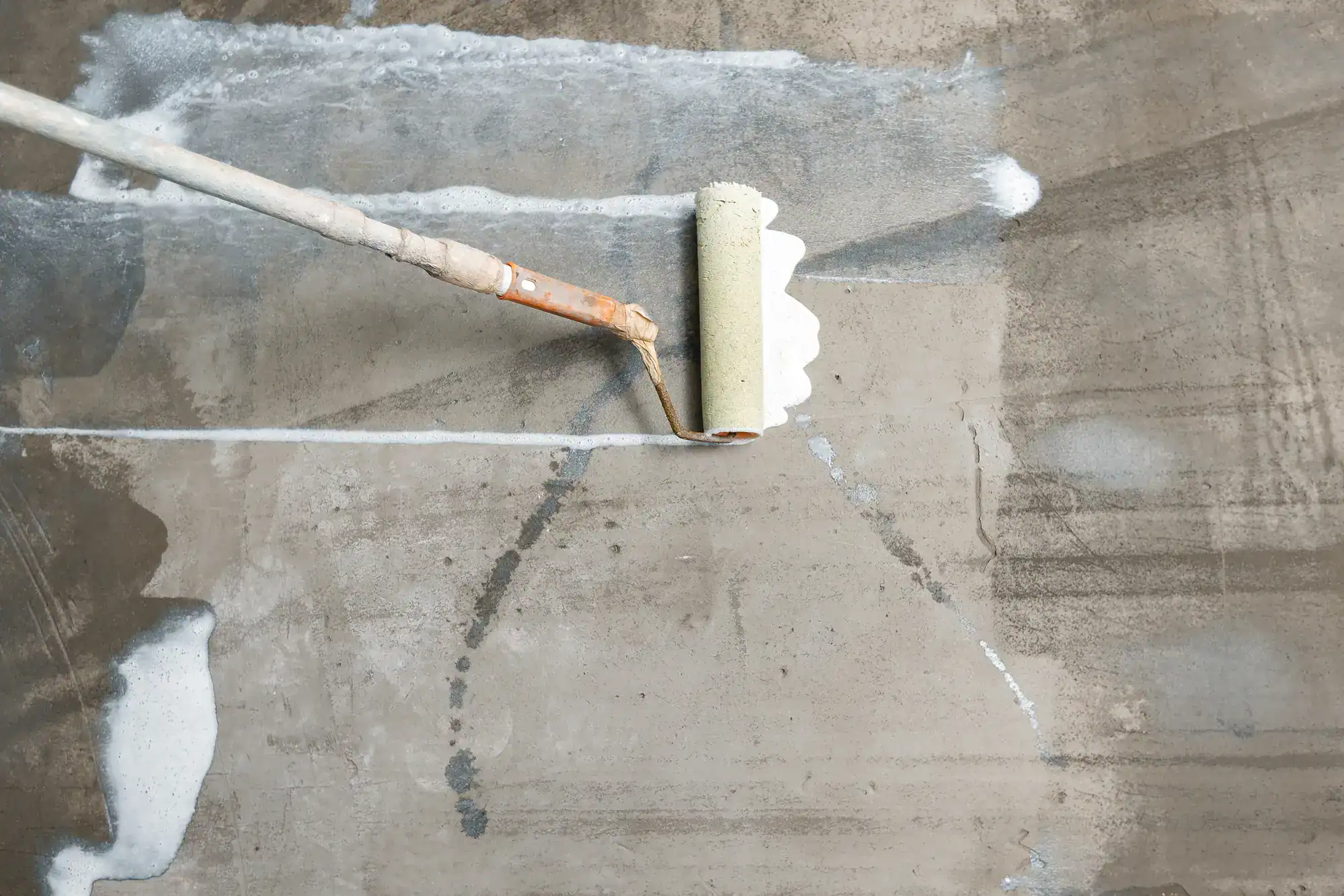
Before anything is mixed or applied, we evaluate the slab. In West Islip, that means moisture testing is non-negotiable. Given the community’s position on the Great South Bay and the area’s sandy, permeable soil, moisture vapor transmission rates here run higher than what you’d find in inland Suffolk County towns. That reading determines the primer system, the base coat chemistry, and whether a moisture mitigation layer is needed before anything else goes down.
Surface preparation comes next, and it’s where the real work happens. We diamond grind to open the concrete’s pores and remove any existing coatings, contaminants, or weak surface layers. This is what creates a mechanical bond the kind that doesn’t separate when the South Shore’s humidity climbs in July or when a storm pushes moisture into your slab. Acid etching, which some contractors use as a shortcut, doesn’t come close to the same result.
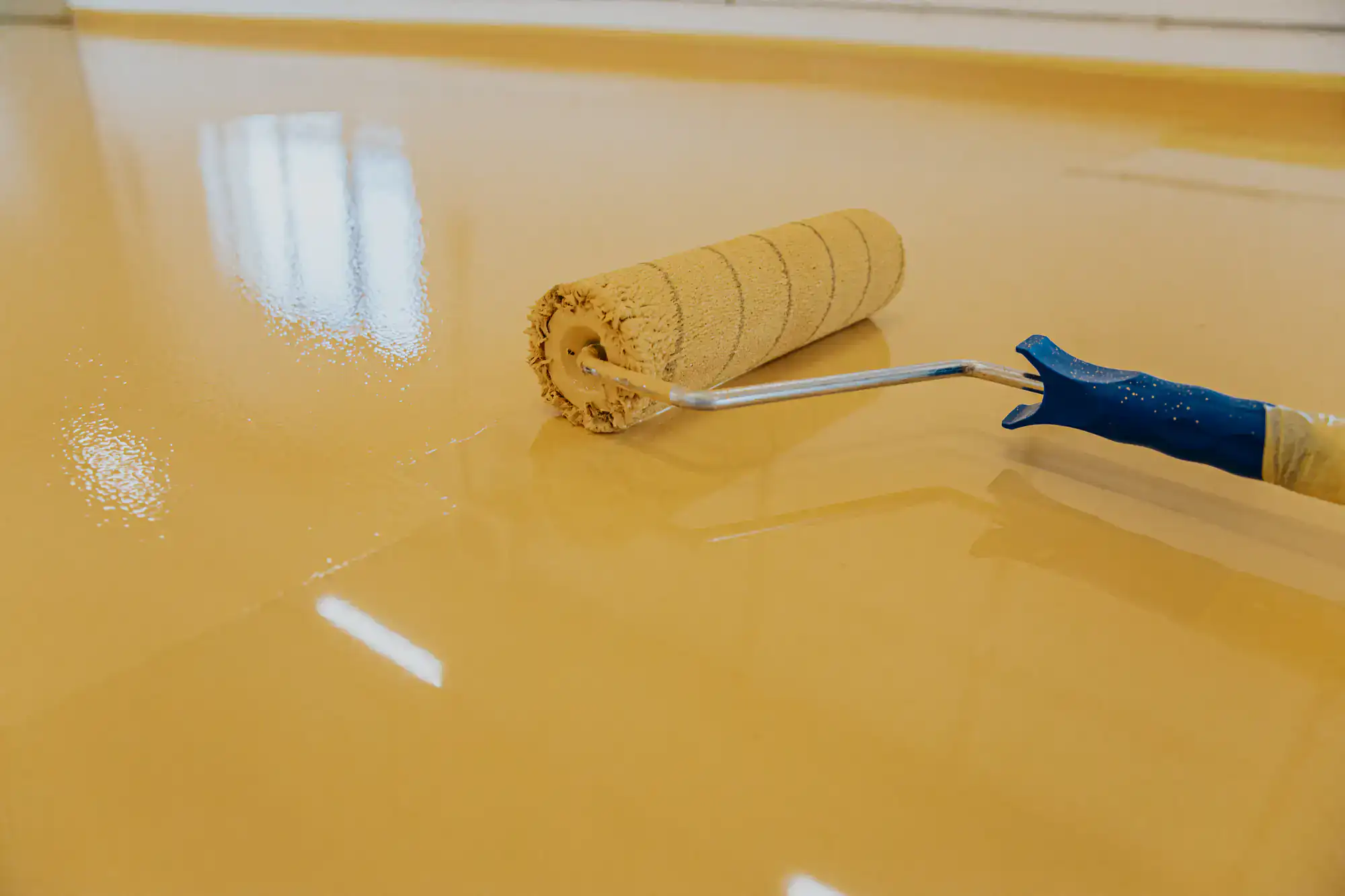
From there, we build the system in layers base coat, broadcast aggregate if the application calls for it, and a topcoat selected for your specific environment. A commercial kitchen on Montauk Highway gets a different topcoat than a warehouse floor or a hospital mechanical room. We respect cure time between coats. The job isn’t rushed to hit a schedule. When the floor is done, it’s done correctly and it shows.
Ready to get started?
Not every commercial floor has the same job to do. A restaurant kitchen along the Montauk Highway corridor needs a USDA-compliant, seamlessly coved system that passes Suffolk County Department of Health inspections and can handle thermal shock from commercial dishwashing equipment. A service bay on Sunrise Highway needs chemical resistant epoxy finishes in West Islip, NY that hold up against motor oil, hydraulic fluid, and battery acid without staining or degrading. A warehouse or distribution facility in the Town of Islip’s industrial base needs heavy duty industrial epoxy flooring in West Islip, NY specified for actual forklift axle loads not a decorative coating that looks industrial until the first pallet jack crosses it.
Healthcare facilities, including the medical offices and outpatient facilities affiliated with Good Samaritan University Hospital, require seamless resinous floor coatings in West Islip, NY with antimicrobial additives, slip-resistant topcoats rated for patient care environments, and coved-base construction that eliminates the seams where bacteria accumulate. These aren’t optional upgrades they’re compliance requirements under FGI and CDC guidelines.
Whatever your facility type, we specify the system for your actual conditions load, chemical exposure, compliance requirements, and the ambient moisture environment that comes with being on the South Shore. High traffic commercial epoxy in West Islip, NY that’s engineered for your floor specifically is what separates a 20-year installation from one that needs replacing in three.
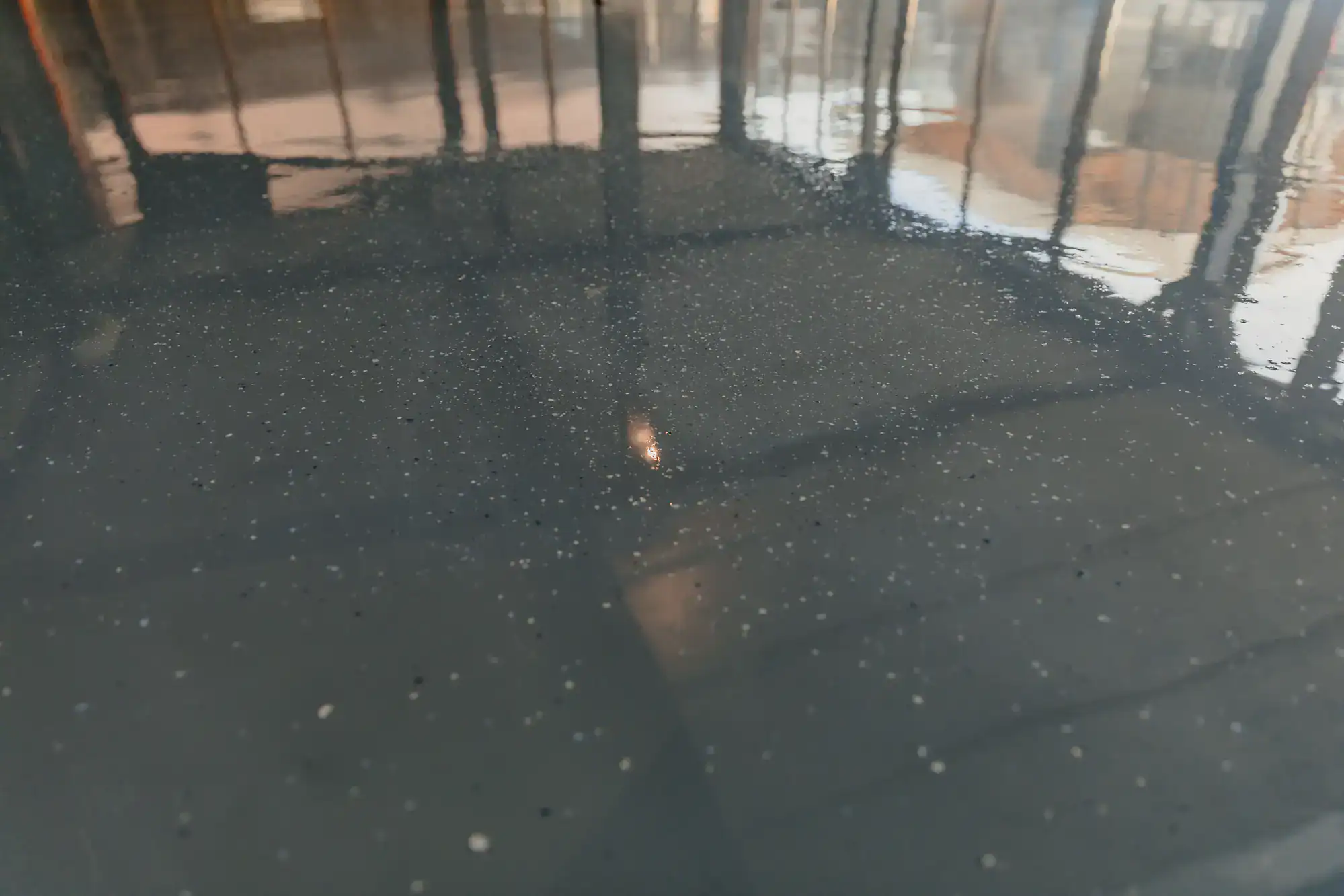
The most common reason is moisture and in West Islip, moisture is a baseline condition, not an occasional problem. The community sits directly on the Great South Bay, and the sandy South Shore soil is highly permeable. Groundwater and moisture vapor move through concrete slabs here more aggressively than in inland Long Island towns. When a contractor applies epoxy over a slab without testing the moisture vapor transmission rate first, that trapped moisture eventually forces its way through the coating. The result is bubbling, blistering, or full delamination usually within the first year or two.
The fix isn’t a better product. It’s a better process. We start with moisture testing before installation, select the right primer system for the transmission rate we find, and use diamond grinding rather than acid etching for surface prep. Those three steps eliminate the failure mode that most West Islip property owners have already experienced or heard about from a neighbor. If a contractor you’re considering doesn’t mention moisture testing upfront, that’s the answer you need.
For most commercial spaces in West Islip, a standard installation runs two to three days from prep to final topcoat. The timeline depends on the square footage, the condition of the existing slab, the system being installed, and whether moisture mitigation is required. A restaurant kitchen that needs a USDA-compliant coved system takes longer than a straightforward warehouse floor because the detailing at the base of the walls requires additional work and cure time.
What matters more than the total timeline is scheduling. Most commercial operators on the Montauk Highway corridor restaurants, medical offices, retail businesses can’t afford to shut down during business hours. We work overnight and on weekends to keep your operation running. A restaurant that closes Friday night and needs to open Saturday morning is a realistic scenario, not an exception. We build the schedule around your business, not the other way around.
The core difference is solids content. Box-store epoxy kits are typically water-based or low-solids products they go on thin, cure soft, and aren’t designed for commercial or industrial loads. A 100% solids industrial epoxy system cures to a much harder, denser surface that can handle forklift traffic, chemical spills, and the kind of daily abuse a commercial facility puts on a floor. The film thickness alone is dramatically different: a professional industrial system builds to a quarter-inch or more in a mortar application, while a consumer kit leaves a coating measured in mils.
For West Islip facilities that deal with heavy equipment, chemical exposure, or compliance requirements pharmaceutical distributors in the Town of Islip’s industrial base, automotive shops on Sunrise Highway, or kitchen operations subject to Suffolk County health inspections consumer-grade products aren’t just inadequate, they’re a liability. They fail under load, they don’t hold up to cleaning chemicals, and they don’t meet the seamless, coved-base standards that health inspectors require. The cost difference between a professional system and a hardware store kit is real, but so is the difference in how long each one lasts.
In most cases, surface coating and epoxy floor installation in an existing commercial space does not require a standalone building permit from the Town of Islip. Epoxy is applied over an existing concrete slab it’s not a structural modification, and it doesn’t trigger the same permit requirements that a new construction or structural renovation would. That said, the answer can shift depending on what else is happening in the space. If the flooring is part of a larger renovation project that already requires a permit, the flooring work gets folded into that scope.
Where compliance requirements do apply is at the industry level, not the permit level. Food service establishments in West Islip are subject to Suffolk County Department of Health Services inspections, which include flooring standards seamless surfaces, coved bases, and materials that can be sanitized. Healthcare facilities affiliated with Good Samaritan University Hospital operate under state Department of Health oversight and FGI guidelines that govern flooring materials in patient care areas. Our systems meet all of those standards, and the documentation to prove it is available when you need it.
Commercial and industrial epoxy flooring in West Islip generally runs between $4 and $12 per square foot installed, depending on the system, the condition of the existing slab, and the specific requirements of the application. A basic single-coat system for a light commercial space sits at the lower end of that range. A full industrial system with a cementitious urethane mortar base, broadcast aggregate, and polyaspartic topcoat the kind specified for heavy forklift traffic or a healthcare environment sits at the higher end.
The more useful way to think about cost is over time. A professionally installed 100% solids system in a West Islip facility typically lasts 15 to 20 years with normal maintenance. A consumer-grade or under-specified system that fails in two or three years and needs full removal and reinstallation ends up costing significantly more over that same period plus the operational disruption of a second installation. For a South Shore property where moisture conditions make installation quality especially critical, getting it done correctly the first time is the lower-cost option across any reasonable timeframe.
Yes, with the right system and the right conditions. Standard epoxy has a minimum application temperature of around 50°F below that, the chemistry doesn’t cure properly and the coating can remain soft or fail to bond. In West Islip’s winter months, that means unheated spaces like open warehouses or garages need either temporary heat during installation and cure, or a switch to a polyaspartic system, which has a lower minimum application temperature and cures faster in cold conditions.
Climate-controlled facilities commercial kitchens, hospital spaces, medical offices, heated warehouses can be installed year-round without any modification to the process. The South Shore’s winter humidity is generally lower than summer levels, which actually makes it a favorable installation window for moisture-sensitive applications. If you’re planning a flooring project for a West Islip facility and you’re working around a winter timeline, the honest answer is that it’s doable it just requires the right product selection and a contractor who understands how temperature and humidity interact with cure chemistry. That’s not a complicated conversation. It’s just one worth having before the job starts.