
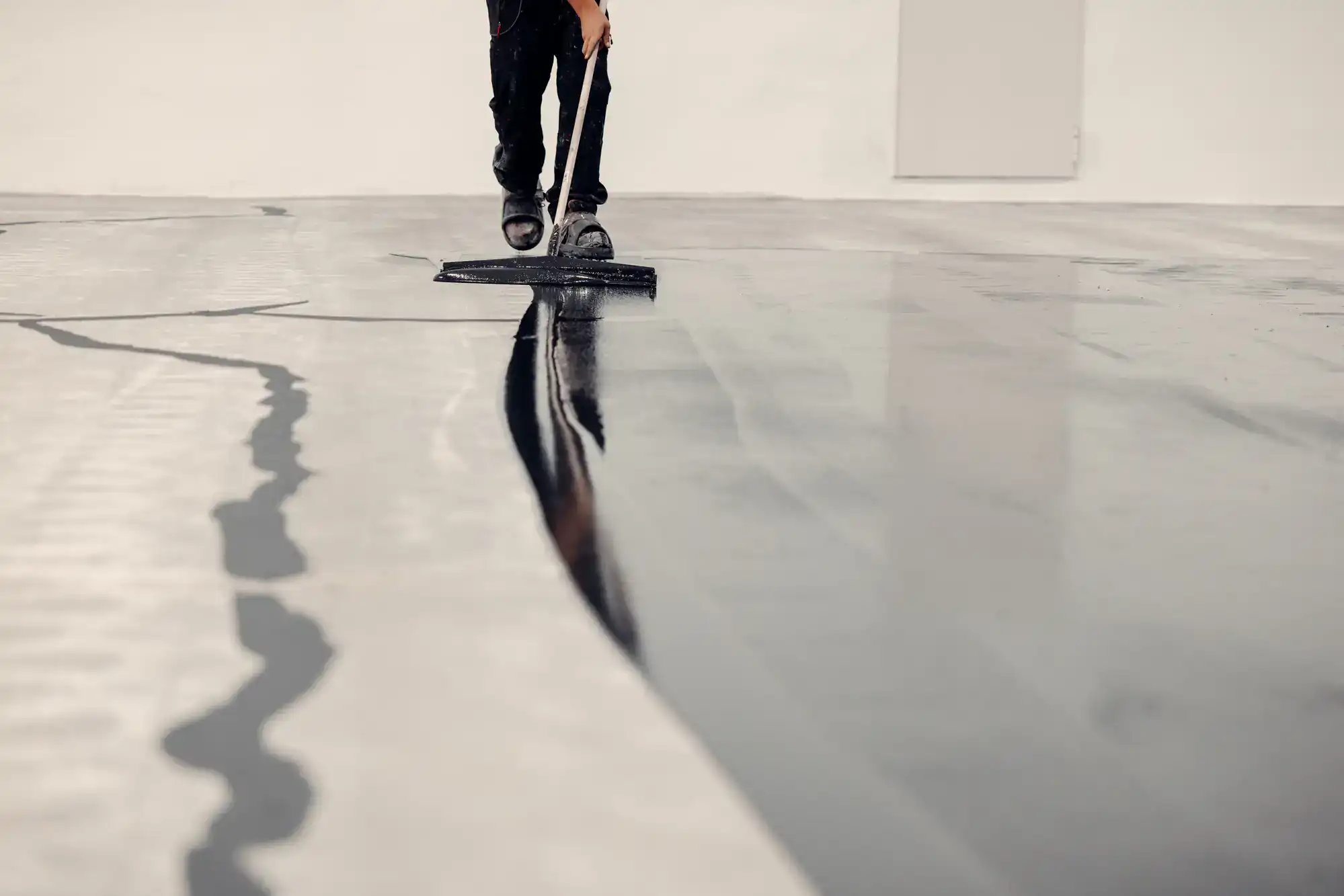
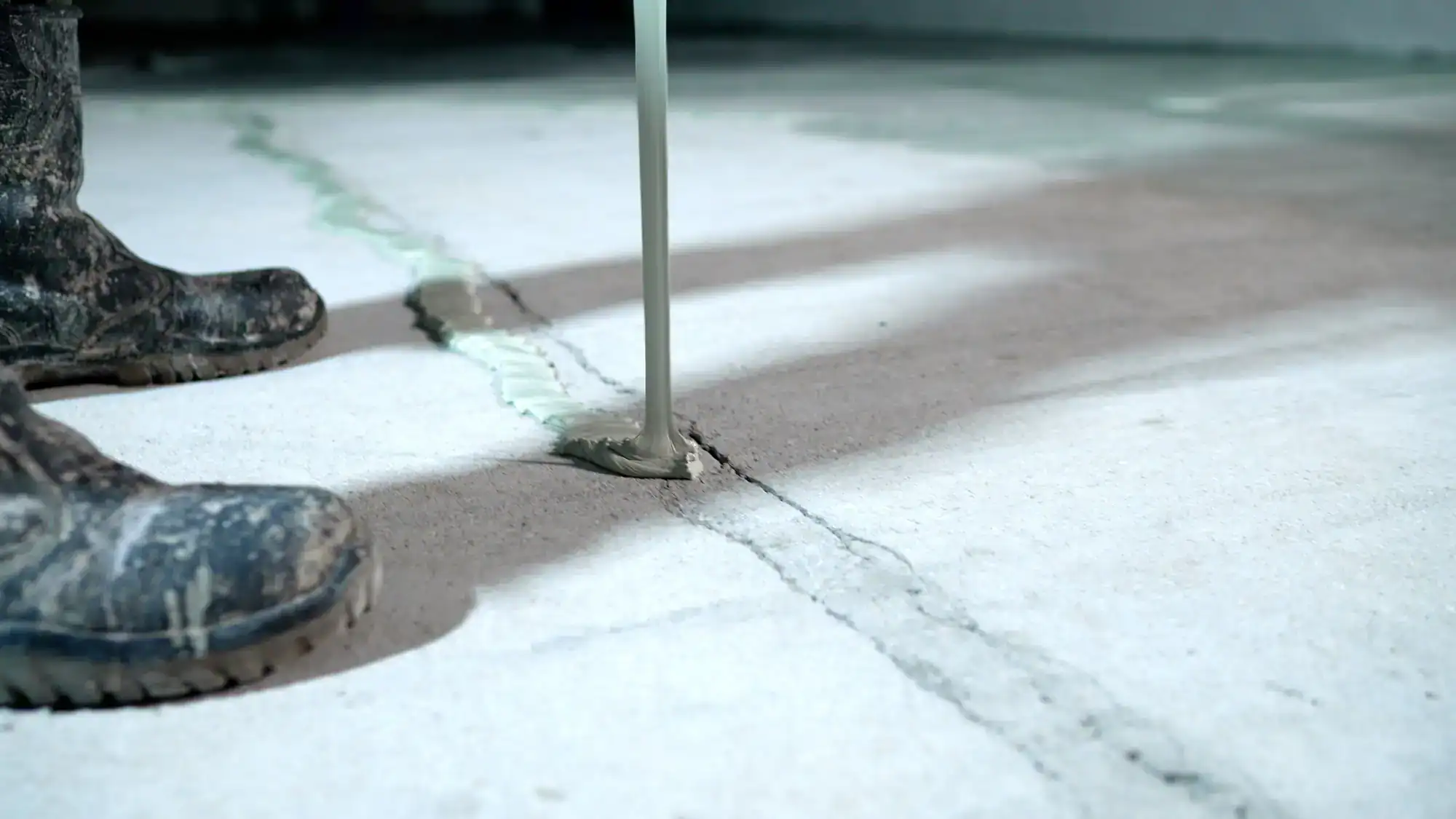
Smithtown sits on clay-heavy North Shore soil. That clay holds moisture the way a sponge does, and that moisture works its way up through your concrete slab quietly, constantly. When a contractor skips moisture testing and lays epoxy over a slab that’s actively off-gassing vapor, you get bubbling, peeling, and delamination within a year or two. It’s one of the most common flooring failures on Long Island, and it’s entirely preventable.
A properly installed epoxy floor in Smithtown starts with understanding what’s happening below the surface, not just on top of it. Whether you’re running a warehouse near the Hauppauge Industrial Park, managing a commercial kitchen off Route 25A, or operating an auto service shop in Nesconset, the floor system has to be specified for your actual environment your loads, your chemical exposure, your moisture conditions, your compliance requirements.
When it’s done right, you get a floor that doesn’t need to be replaced every few years. You get a surface that handles forklift traffic, resists chemical spills, passes health inspections, and doesn’t become a liability. That’s the difference between a professional-grade system and a consumer-grade coating dressed up with a professional price tag.
We’ve been installing commercial and industrial epoxy flooring systems on Long Island for over 35 years, operating out of Bohemia less than five miles from the heart of the Hauppauge Industrial Park and the commercial facilities that define Smithtown’s business landscape. That proximity isn’t incidental. We’ve spent decades working in exactly the kind of facilities that line Smithtown’s industrial corridor: manufacturing floors, pharmaceutical production spaces, food service kitchens, automotive shops, and distribution centers.
Danny Harmer, our founder and CEO, brings more than 40 years of hands-on installation experience. His project history includes the White House kitchen in 1996 and installations across the U.S., the Bahamas, and Moscow. He holds factory-trained certifications from Sherwin-Williams High Performance Flooring and Res Tech, and every installer on our crew carries OSHA 40 certification. Most of our installers have been with us for over a decade.
We’re BBB Accredited with an A+ rating and zero complaints on record. In a trade where accountability is rare, that’s not a small thing.
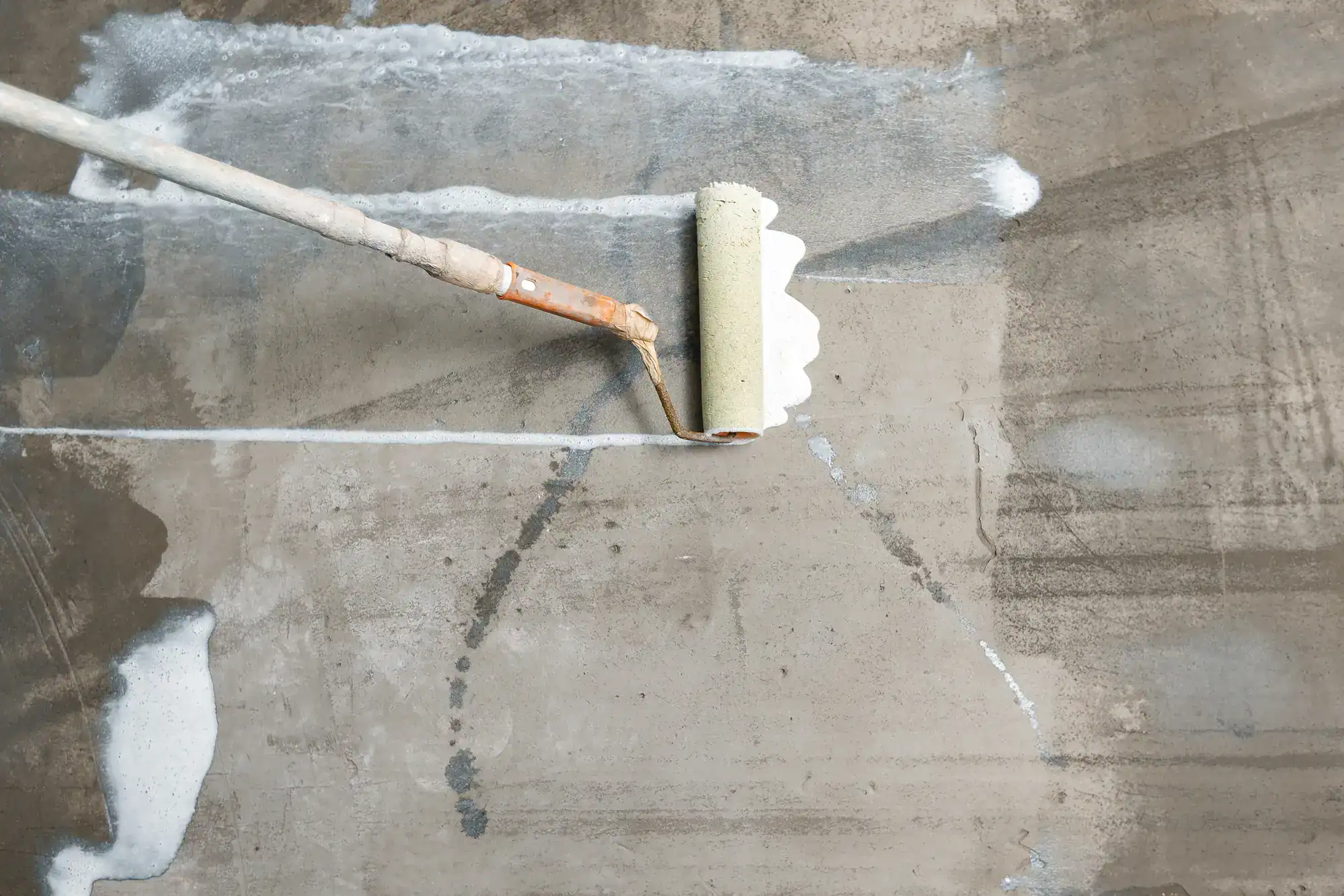
Every job starts before anyone touches the floor. The slab gets assessed for moisture vapor emission, surface contamination, existing coating residue, and structural condition. In Smithtown, this step is especially important North Shore clay soil elevates moisture levels in concrete slabs year-round, and spring thaw pushes those levels even higher. Skipping this assessment is how floors fail. It’s not optional here.
Once the slab is evaluated, surface preparation begins with diamond grinding. Not acid etching diamond grinding. It mechanically opens the concrete to the surface profile required for a high-build epoxy or mortar system to bond properly. This is the step that separates a floor that lasts 15 to 20 years from one that starts lifting at the edges within 18 months.
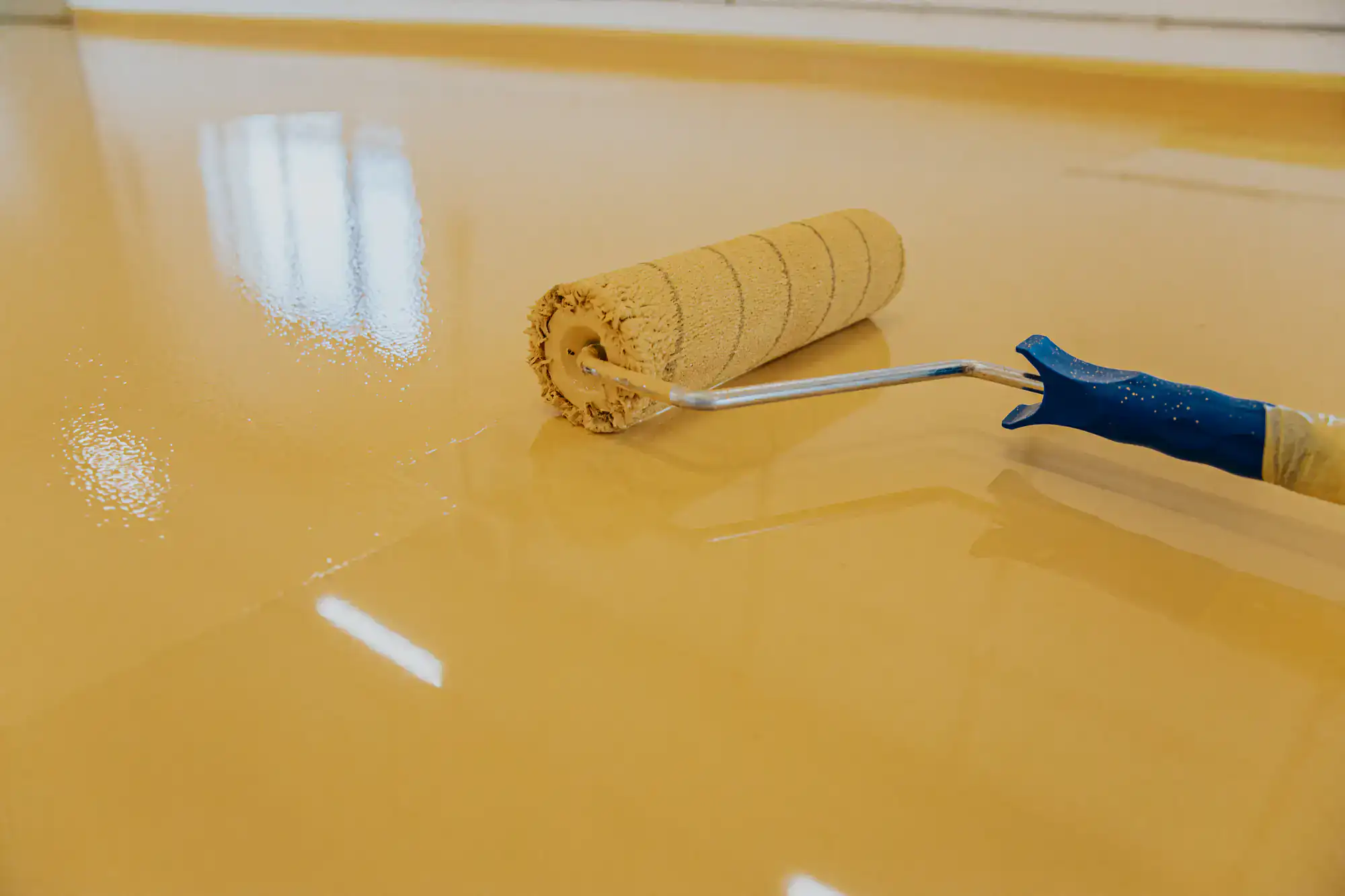
From there, the system goes down in layers: primer coat, base coat, topcoat each one allowed to cure fully before the next is applied. We specify the system to your environment before installation begins, not improvised on the day. If you’re in a food service facility, that means a USDA-compliant cove base and thermal shock resistance. If you’re in a warehouse running forklifts, that means a load-rated mortar trowel system. Smithtown’s commercial building stock ranges from 1960s-era construction to modern facilities, and our approach adapts accordingly. Scheduling also accounts for Long Island’s seasonal humidity applications are timed within the proper temperature and humidity windows so the system cures the way it’s supposed to.
Ready to get started?
The facilities in and around Smithtown’s commercial corridors aren’t all the same, and neither are the floor systems that serve them. For warehouse and manufacturing environments particularly those in or near the Hauppauge Industrial Park that means 100% solids industrial epoxy or cementitious urethane mortar systems rated for forklift axle loads exceeding 10,000 lbs. These aren’t decorative coatings. They’re engineered systems.
For commercial kitchens along Smithtown’s Route 25 and Route 25A corridors, the system needs to meet Suffolk County Department of Health Services requirements: seamless, impermeable, thermally resistant, with hygienic cove base installation at every wall junction. These installations are frequently completed overnight so your kitchen opens on schedule. For healthcare and medical office environments, the system is specified to ADA, OSHA, FGI, and CDC standards, with antimicrobial additives where required.
Automotive service facilities get chemical-resistant epoxy systems designed to hold up against oil, hydraulic fluid, transmission fluid, and battery acid without staining, degrading, or becoming a slip hazard. Pharmaceutical and biomedical facilities in the Hauppauge Industrial Park receive seamless resinous floor coatings that meet GMP standards and can be documented for compliance purposes. We specify every system before the job starts not after.
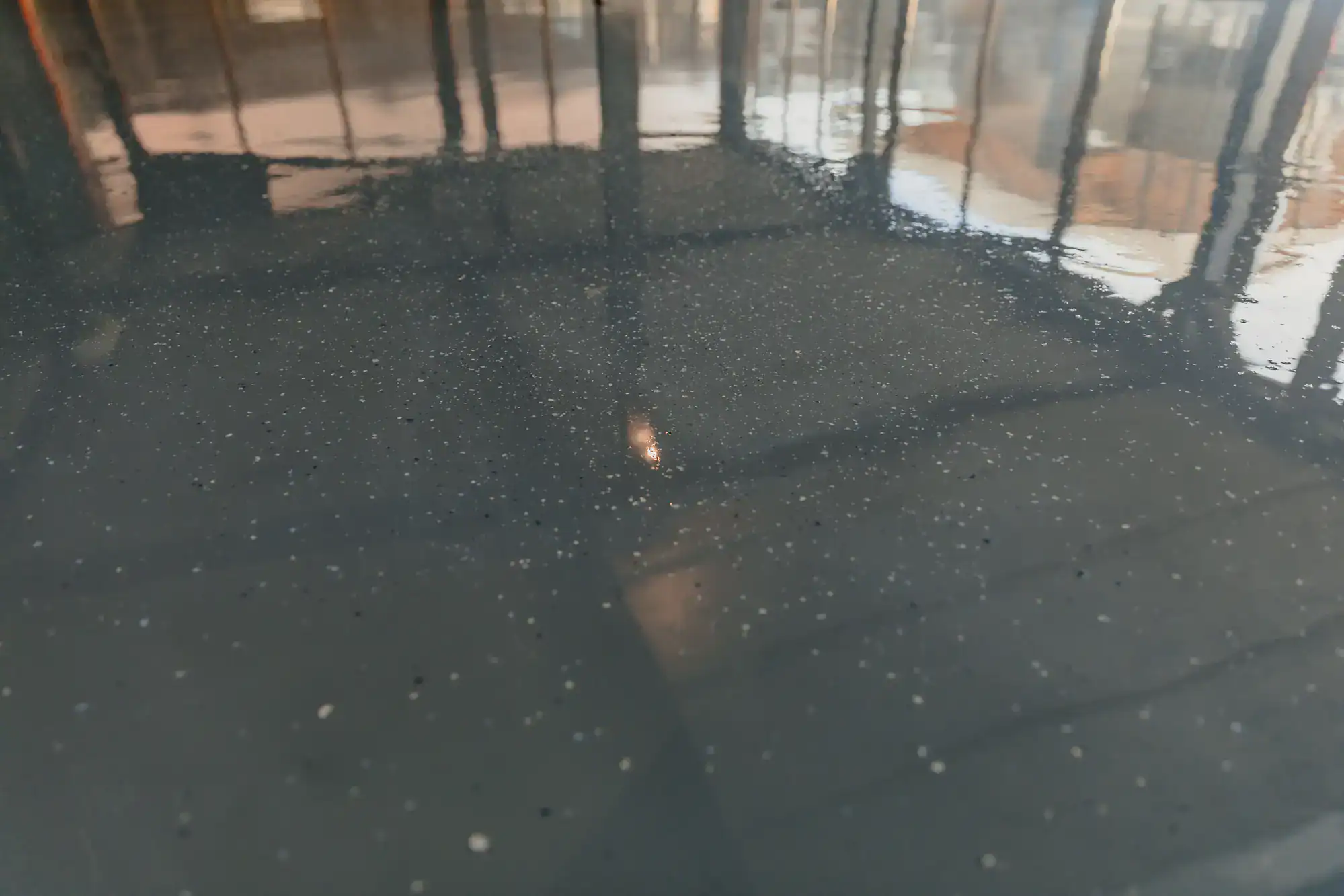
The most common cause is moisture vapor transmission and it’s a bigger issue in Smithtown than most contractors acknowledge. Long Island’s North Shore sits on clay-heavy soil that holds water and pushes it upward through concrete slabs over time. When a contractor installs epoxy over a slab that’s emitting moisture vapor above acceptable levels, the coating loses adhesion from below and begins to lift, bubble, or peel sometimes within the first year.
The fix isn’t a better topcoat. It’s proper moisture testing before any system is specified, and a moisture mitigation layer when the slab requires it. Every installation we do begins with a slab assessment for exactly this reason. If your previous floor failed this way, it almost certainly wasn’t a product problem it was a preparation problem that started before the first coat went down.
A properly installed, professional-grade epoxy system in a commercial or industrial environment typically lasts 10 to 20 years with routine maintenance. The range depends on traffic load, chemical exposure, and how well the surface was prepared before installation. A warehouse floor running heavy forklift traffic will wear differently than a medical office corridor, and the system should be specified accordingly.
What shortens that lifespan dramatically is cutting corners on prep. Acid etching instead of diamond grinding, skipping moisture testing, rushing recoat schedules any one of these can reduce a floor’s useful life to three to five years. For Smithtown facility managers making capital expenditure decisions, the math is straightforward: a professional system at a higher upfront cost lasts significantly longer than a cheap installation that needs to be removed, disposed of, and replaced.
Yes, and for most commercial kitchen installations in Smithtown, that’s exactly how we do it. The installation window is typically overnight you close at the end of service, our crew comes in, and the floor is ready before your next opening. The system used in commercial kitchens is a fast-cure epoxy or polyaspartic coating with a cove base installation at every wall junction, meeting Suffolk County Department of Health Services requirements for food service floors.
The key is planning. The slab needs to be assessed in advance, the system needs to be specified before the crew arrives, and the work needs to be sequenced correctly so each layer cures properly within the available window. This isn’t something to improvise the night of. When it’s planned correctly, a commercial kitchen floor installation in Smithtown doesn’t have to cost you a day of revenue.
Epoxy is a two-part resinous system that builds film thickness in layers, providing excellent adhesion, chemical resistance, and load-bearing capacity. It’s the standard system for most commercial and industrial environments warehouses, manufacturing floors, pharmaceutical facilities, food service kitchens. Polyaspartic is a faster-curing topcoat that’s UV stable and highly abrasion resistant. It’s often used as the final layer over an epoxy base, or as a standalone system in environments where rapid return to service is the priority.
For most Smithtown commercial and industrial facilities, the answer is a hybrid: an epoxy base system for build and adhesion, finished with a polyaspartic topcoat for durability and UV stability. Firehouses, automotive shops, and facilities with large overhead doors that expose the floor to sunlight benefit particularly from the UV stability of polyaspartic. The right answer depends on your environment, your traffic, and your timeline which is why we specify the system before the job starts, not during it.
It does, and it’s worth planning around. Epoxy application requires ambient temperatures between 50°F and 90°F and relative humidity below 85%. Smithtown winters regularly push below the lower threshold, which makes unheated warehouse or garage installations impractical from roughly December through February without temporary heating equipment. Summer heat waves can push humidity above the upper threshold, creating narrow scheduling windows during peak season.
The most favorable installation windows in Smithtown are spring March through May and fall September through November. Spring does come with a caveat: North Shore clay soil holds snowmelt and rain, which elevates moisture vapor levels in concrete slabs during this period. Moisture testing is especially important for spring installations. Fall tends to be the most predictable window overall. If your facility operates year-round and timing is flexible, scheduling in the fall typically gives the most consistent installation conditions.
The honest answer is that the barrier to entry in this trade is extremely low. Anyone can buy materials, call themselves an epoxy contractor, and take on commercial jobs without any formal training, certification, or experience in industrial systems. The Smithtown and Hauppauge market has no shortage of operators who have done exactly that and the results show up in floors that fail within a year or two.
What separates a qualified commercial contractor is verifiable credentials: factory-trained certifications from the manufacturers whose systems they install, OSHA safety training appropriate for commercial job sites, and a documented project history in the specific environments you’re dealing with. Ask for the manufacturer certifications by name. Ask what surface preparation method they use and why. Ask whether they test for moisture before specifying a system. If the answers are vague, that’s your answer. We’ve been doing this work in Suffolk County for over 35 years, hold Sherwin-Williams and Res Tech factory certifications, and have OSHA 40 certified installers on every crew we’re not in the same category as someone who learned the job last season.