

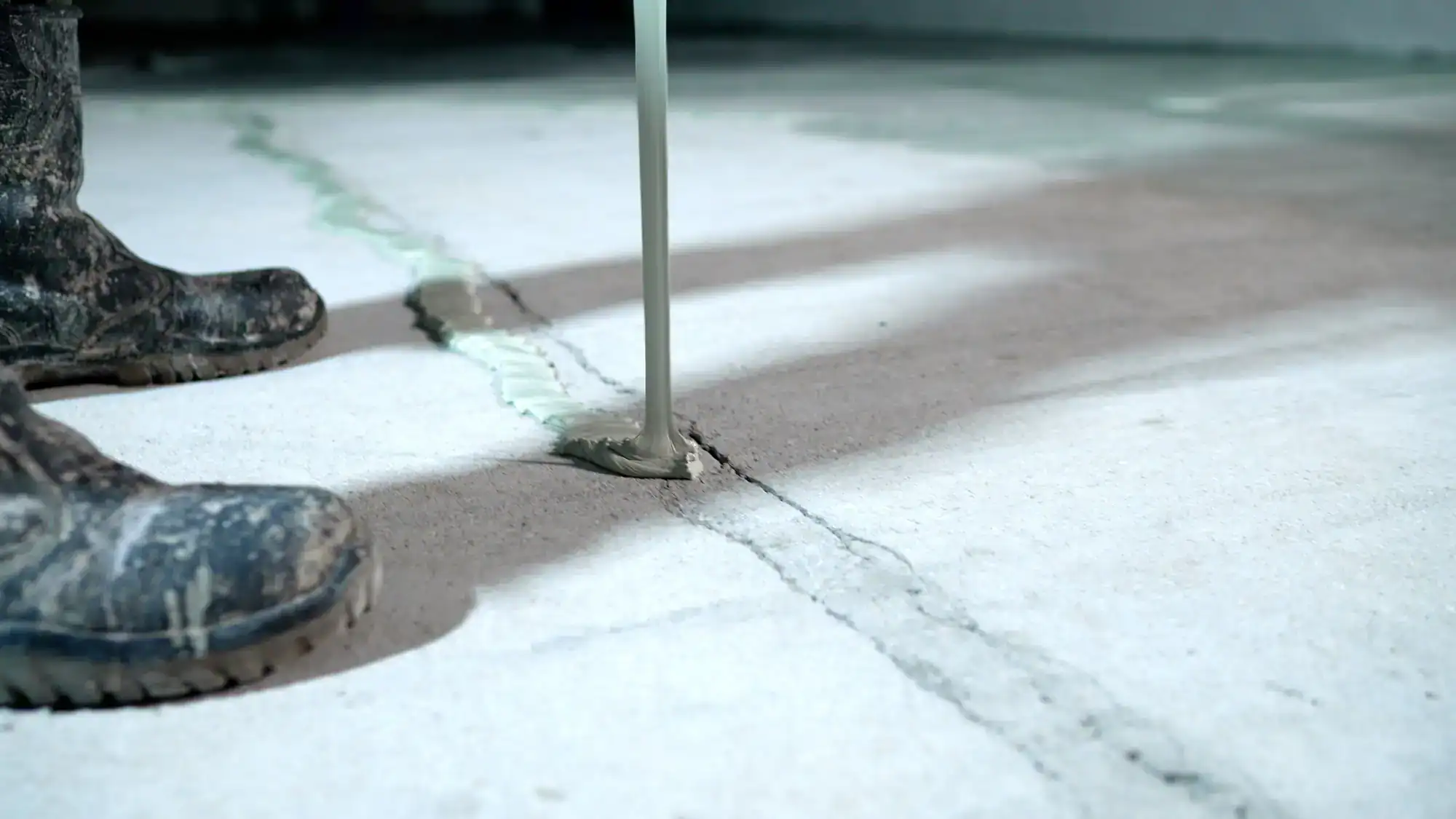
If you’ve had an epoxy floor bubble, peel, or delaminate within a year or two of installation, you already know the frustration. It’s not always the product it’s usually the process. Moisture vapor pushing up through a slab is the most common reason floors fail in Oceanside, and it’s almost always skipped by contractors who are moving too fast or don’t know what they’re dealing with.
Oceanside was built over swamps and marshland. That’s not a figure of speech it’s the actual geology of this hamlet. The water table here sits closer to the surface than in most of Nassau County, which means moisture vapor transmission is a real, documented risk on nearly every slab in this area. A floor installed without a proper moisture assessment isn’t going to last, and replacing it costs more than doing it right the first time.
Beyond moisture, the coastal environment here accelerates wear. Salt air off Reynolds Channel, summer humidity that regularly pushes past 80%, and the thermal cycling between South Shore winters and humid summers all put stress on coatings that weren’t specified for these conditions. We install commercial and industrial epoxy systems designed for Oceanside’s environment correct product, correct prep, correct system depth that hold up for decades. That’s the difference between a floor that’s an asset and one that’s a recurring expense.
Advanced Epoxy Flooring has been installing commercial and industrial epoxy systems across Nassau and Suffolk Counties for over 35 years. We’re led by Danny Harmer, who has more than 40 years of hands-on installation experience not management experience, not sales experience. He’s been on the floor, doing the work, long enough to know what fails and why.
Our credentials are specific and verifiable. We hold factory-backed certifications from Sherwin-Williams High Performance Flooring and Res Tech. Our installers are OSHA 40 certified. Most of our crew has been with us for over a decade. And in 1996, Danny Harmer installed the epoxy floor in the White House kitchen a project that no competitor in Oceanside or anywhere on Long Island can claim.
From Mount Sinai South Nassau Hospital to the auto shops and restaurants along Long Beach Road in Oceanside, the commercial facilities in this community have real performance requirements. We were built for exactly that.
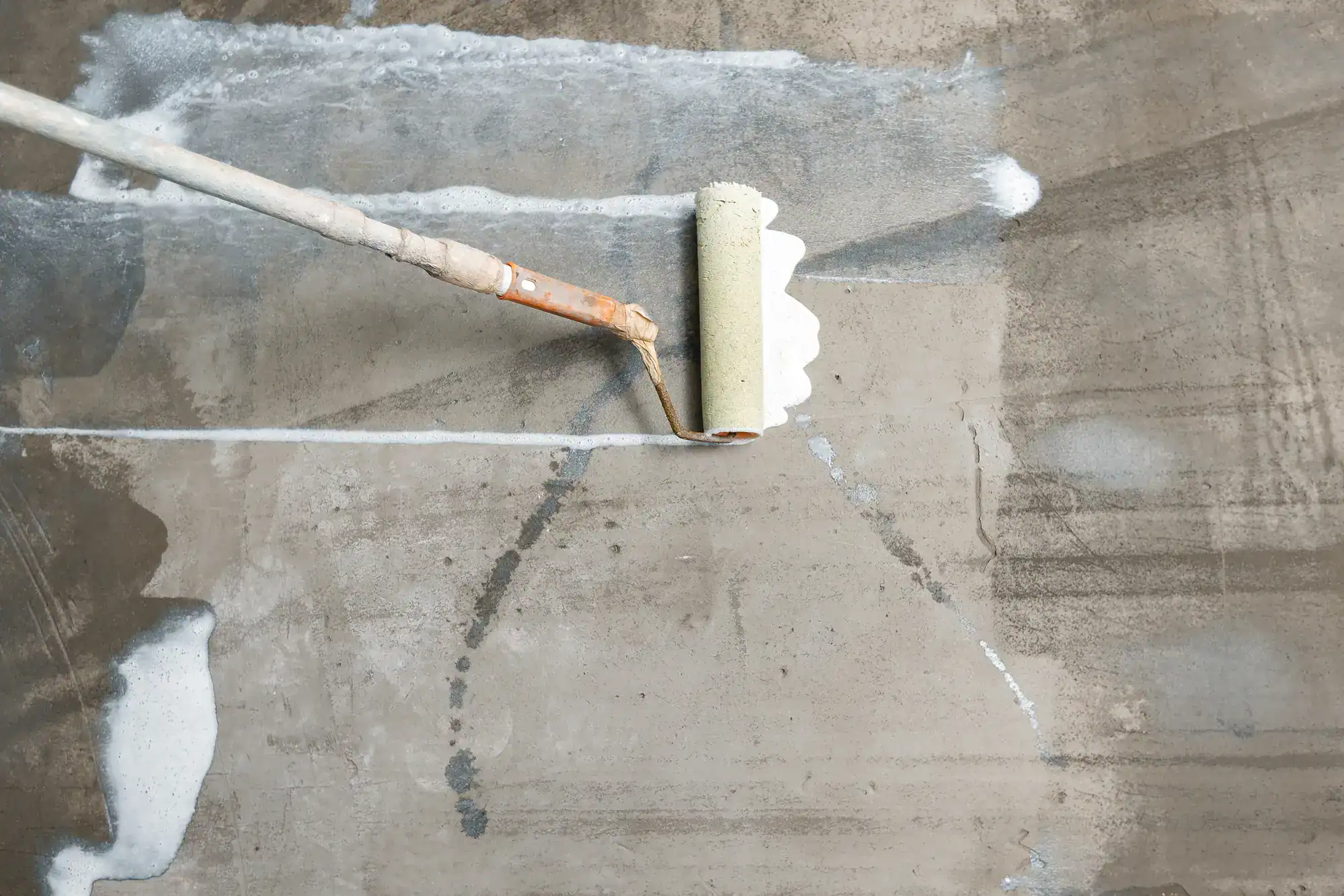
Every installation starts with an assessment, not an assumption. Before anything goes on the floor, we evaluate the slab moisture vapor testing, surface profile review, crack and joint inspection. In Oceanside specifically, moisture testing isn’t optional. Given the high water table across much of this hamlet and the number of properties that experienced below-grade saturation after Hurricane Sandy, skipping that step is how floors fail. If the slab needs a moisture mitigation primer or barrier, we specify that before the system is built.
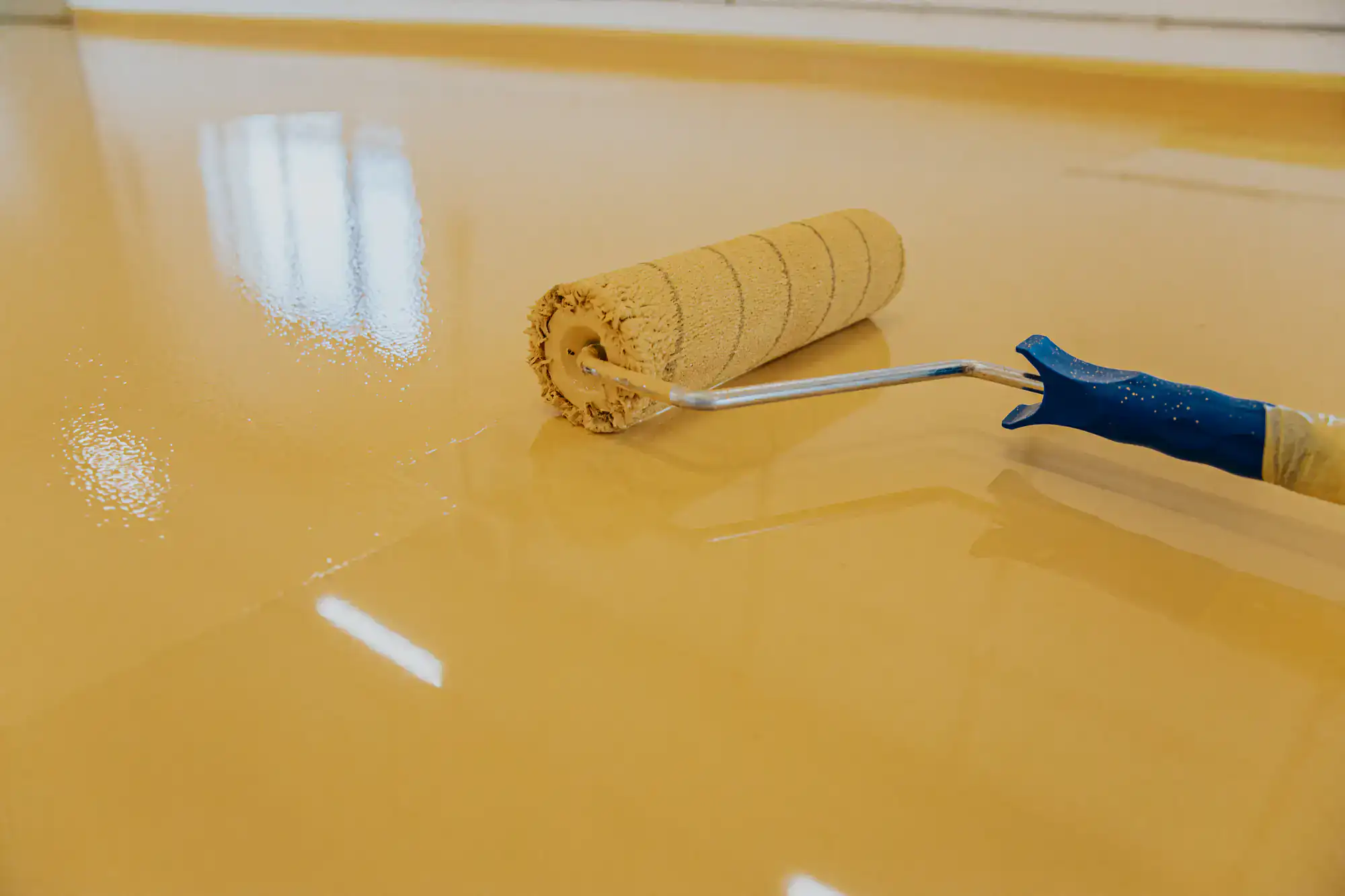
Surface preparation comes next, and it’s the most important part of the job. We use diamond grinding to the correct concrete surface profile CSP-3 or higher for high-build systems on every commercial installation. Acid etching isn’t a substitute for grinding, and any contractor who tells you otherwise is cutting a corner that will show up later. Once the surface is properly prepared, we apply the system in layers: base coat, broadcast or mid-coat depending on the system specified, and a topcoat matched to the environment. For facilities near the water or dealing with chemical exposure, polyaspartic topcoats are typically the right call they’re more flexible than standard epoxy and handle thermal cycling without cracking.
We respect cure time between coats rather than rushing it. The end result is a floor that was installed correctly from the first step, which is the only reason it performs the way it should for the next 15 to 20 years.
Ready to get started?
Not every facility in Oceanside has the same flooring needs, and the system we install in a commercial kitchen on Long Beach Road is not the same system that goes into a warehouse or an auto service bay. We install heavy duty industrial epoxy floor systems rated for forklift axle loads, chemical resistant epoxy finishes for facilities dealing with oil, cleaning agents, or food-grade sanitation requirements, and seamless resinous floor coatings that eliminate the grout lines and tile joints that trap bacteria and allow moisture infiltration.
For food service businesses in Oceanside, the floor has to meet Nassau County Department of Health standards seamless, non-porous, USDA-compliant, with coved base installation. Most kitchen installations are completed overnight so you’re not losing a day of business. For healthcare environments like those at or near Mount Sinai South Nassau, the system needs to meet FGI guidelines, support infection control protocols, and be installed in phases around an operating facility. That’s a different kind of project management, and it requires a contractor who has done it before.
We also install high traffic commercial epoxy for retail, office, and mixed-use spaces along Oceanside’s commercial corridor systems that hold up under daily foot traffic, look clean and professional, and don’t require constant maintenance to keep that way. Whatever the environment, we specify the system to match it not the other way around.
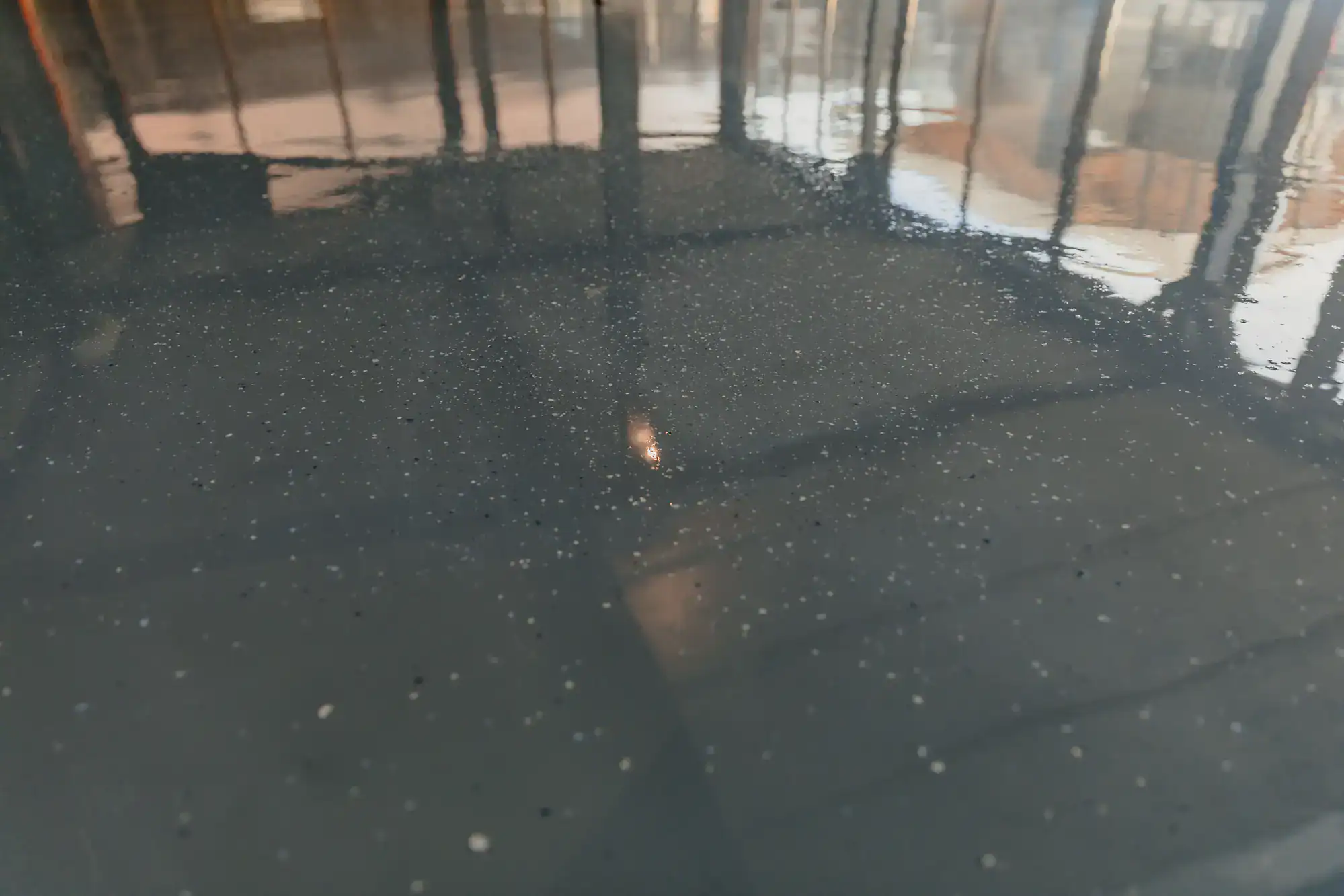
The most common reason is moisture vapor transmission, and Oceanside has more exposure to this problem than most Nassau County communities. The hamlet was developed over swamps and marshland, which means the water table across much of the area sits unusually close to the surface. Moisture vapor moves upward through concrete slabs constantly, and when an epoxy coating is applied over a slab without proper moisture testing and mitigation, that vapor pressure builds beneath the coating until it causes bubbling, delamination, or peeling sometimes within 12 to 18 months of installation.
The second most common reason is inadequate surface preparation. Grinding the concrete to the correct surface profile before coating is what allows the epoxy to bond properly. Contractors who skip grinding, rush the prep, or use acid etching as a shortcut are setting up a floor for failure regardless of how good the product is. In Oceanside’s conditions high moisture, coastal humidity, and properties that dealt with Sandy-related saturation there’s no margin for cutting corners on prep.
A properly installed commercial epoxy system in a high-traffic environment restaurant kitchen, auto service bay, retail corridor should realistically last 15 to 20 years with basic maintenance. That lifespan assumes the system was specified correctly for the load and chemical environment, the surface was properly prepared before installation, and moisture was assessed and addressed beforehand.
In Oceanside’s coastal environment, the topcoat selection matters significantly for longevity. Polyaspartic topcoats are more flexible than standard epoxy, which means they handle the thermal cycling between South Shore winters and humid summers without cracking or delaminating. They also resist UV exposure better, which matters for any space with natural light. A floor that was specified and installed correctly for Oceanside’s conditions isn’t just going to look better longer it’s going to cost you far less over time than a cheaper system that needs to be replaced every few years.
For commercial and industrial epoxy flooring in Oceanside, you’re generally looking at a range of $7 to $12 per square foot for a professionally installed, multi-layer system. The actual number depends on the condition of the existing slab, the system specified, the square footage, and any additional work required moisture mitigation, crack repair, or cove base installation for food service environments.
The way to think about that cost is on a per-year basis. A system installed at $10 per square foot that lasts 20 years costs $0.50 per square foot per year of service. A lower-cost system at $3 to $4 per square foot that fails in 18 months and requires removal and reinstallation ends up costing significantly more and that’s before you factor in the operational disruption of a second installation. For the commercial and industrial facilities along Long Beach Road and throughout Oceanside, the lifecycle math is straightforward. The right system, installed correctly the first time, is the more affordable option over any reasonable time horizon.
Yes, but it requires a different approach than a standard above-grade installation. Below-grade slabs in Oceanside particularly in properties that were affected by Hurricane Sandy flooding in 2012 or that sit in the southern sections of the hamlet closest to Reynolds Channel can carry elevated residual moisture content that standard epoxy systems aren’t rated to handle. Applying a standard coating over a wet or high-vapor slab below grade will result in failure.
The right approach starts with thorough moisture testing to establish the actual vapor emission rate of the slab. If moisture levels are elevated, we install a moisture-tolerant epoxy primer or a dedicated vapor barrier system first, before any finish coat goes down. There are systems specifically engineered for below-grade applications with high moisture conditions they bond differently and are formulated to tolerate the vapor pressure that would destroy a standard coating. If a contractor quotes a below-grade installation in Oceanside without mentioning moisture testing, that’s a significant red flag.
For most commercial installations, the disruption is far less than people expect. Surface preparation diamond grinding does generate dust and noise, which is why we schedule most commercial jobs around business hours or complete them in sections that keep part of the facility operational. The actual coating application typically happens overnight or over a weekend, and most commercial kitchen installations on Long Beach Road are completed in a single overnight window so the business can open on schedule the next morning.
Cure time is the main variable. Standard epoxy systems are typically ready for light foot traffic within 24 hours and full operational use within 72 hours. Polyaspartic systems cure faster sometimes within hours which makes them a good option for facilities that truly can’t afford any downtime. The scheduling conversation happens before the job starts, and we build the installation plan around your operational calendar, not ours.
Significantly, yes. The system we install in a commercial kitchen has to meet Nassau County Department of Health standards seamless, non-porous, with a hygienic coved base where the floor meets the wall. That’s a different specification than what goes into an auto service bay, where the priority is chemical resistance to oil and hydraulic fluid and the ability to handle the weight of vehicles without cracking. A healthcare environment near Mount Sinai South Nassau requires antimicrobial seamless systems, ADA-compliant surfaces, and installation protocols that meet FGI guidelines for occupied medical facilities.
The reason this matters is that a contractor who installs one standard system across all facility types isn’t actually engineering a floor they’re applying a coating and hoping it holds. The load rating, chemical resistance profile, surface texture, topcoat flexibility, and mil thickness all need to match what the floor is actually going to experience. In Oceanside, where you have everything from hospital corridors to restaurant kitchens to industrial warehouses within a few square miles, the range of system requirements is real. Getting the specification right from the start is what determines whether the floor performs or fails.