

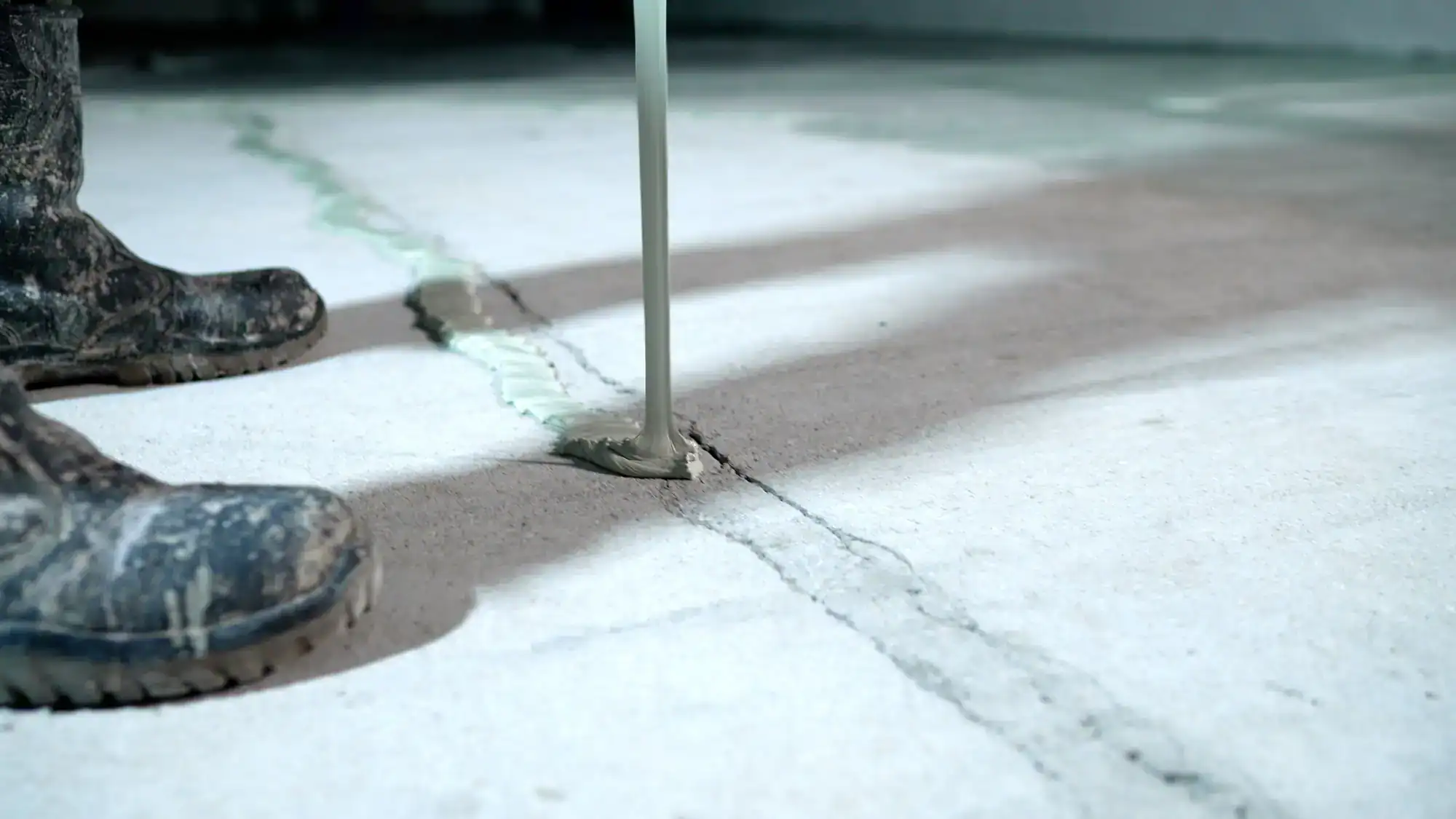
Most floors fail before they should. Not because epoxy doesn’t work but because the wrong system got installed by someone who skipped the steps that actually matter. When you’re running a warehouse, a food processing facility, or a biomedical lab in the Long Island Innovation Park, a floor that peels, blisters, or cracks under forklift traffic isn’t just an eyesore. It’s a safety issue, a compliance issue, and an operational interruption you didn’t budget for.
Here’s what changes when the installation is done right. You get a floor that handles continuous heavy use forklift axle loads, chemical spills, thermal cycling near loading docks without breaking down after a couple of seasons. The 13.9 million square feet of industrial and R&D space in Hauppauge’s park is home to pharmaceutical manufacturers, aerospace companies, food distributors, and healthcare operations. Each one has a different floor requirement, and a system that was actually engineered for that environment performs for 15 to 20 years instead of failing in three.
Hauppauge also sits on ground with real moisture history. The town’s name comes from an Algonquian word meaning “sweet waters” a reference to the springs and wetlands that shaped this area long before the industrial park was built. That groundwater doesn’t disappear under a concrete slab. Moisture vapor transmission is one of the most common reasons epoxy floors fail in western Suffolk County, and it’s entirely preventable when the contractor tests before they coat. That’s the difference between a floor that lasts and one you’re replacing two years from now.
We’ve been operating in western Suffolk County for over 30 years, based out of Bohemia a short drive east on I-495 from the Hauppauge Industrial Park. This isn’t a franchise. It isn’t a general contractor who added epoxy as a side service. Our president, Danny Harmer, has over 40 years of personal installation experience and has put floors down in facilities across the country, including the White House kitchen in 1996. That’s not a line from a brochure it’s a verifiable credential that reflects the level of trust this work demands.
The installers on every job have been with us for over a decade. They hold OSHA 40 certification and factory-trained credentials from Sherwin-Williams High Performance Flooring and Res Tech. We carry a BBB Accredited, A+ rating with zero complaints on record. If you’re a facility manager in the Long Island Innovation Park vetting contractors for a commercial flooring bid, those are the credentials that belong on your approved vendor list.
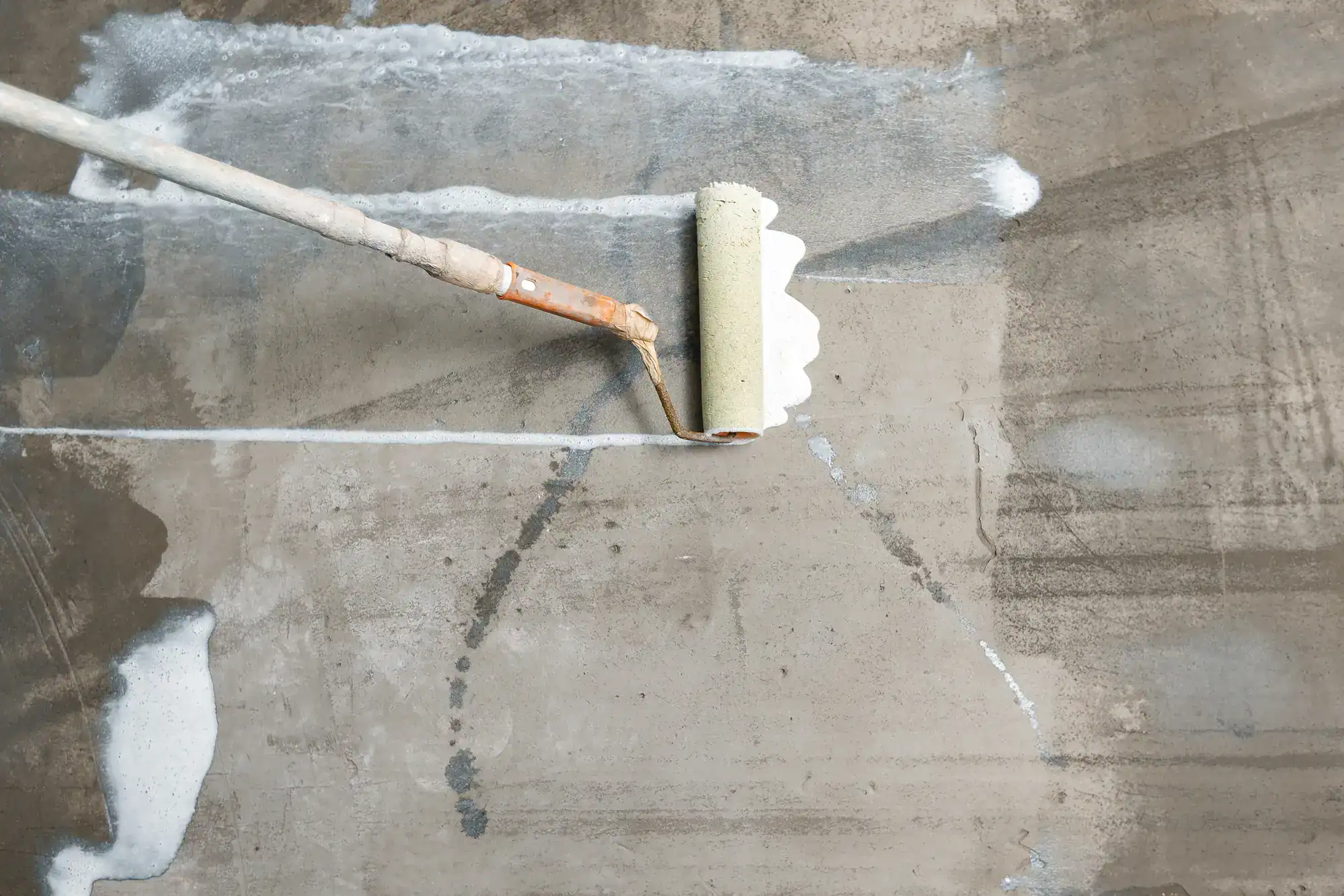
The part most contractors rush or skip entirely is surface preparation. It accounts for 70 to 80 percent of whether an epoxy floor succeeds or fails, and it’s where cheaper operators cut corners to lower their price. Before anything gets applied, we diamond grind the concrete slab to remove existing coatings, surface contamination, and the weak top layer that prevents proper adhesion. Cracks and spalls get repaired. Then and this is critical for facilities in Hauppauge we perform moisture testing on every slab before a system is specified. Many of the concrete slabs in the Long Island Innovation Park are decades old, and older slabs in this area are particularly prone to moisture vapor emission given the region’s groundwater history. Skipping that test is how floors end up bubbling and delaminating within a year.
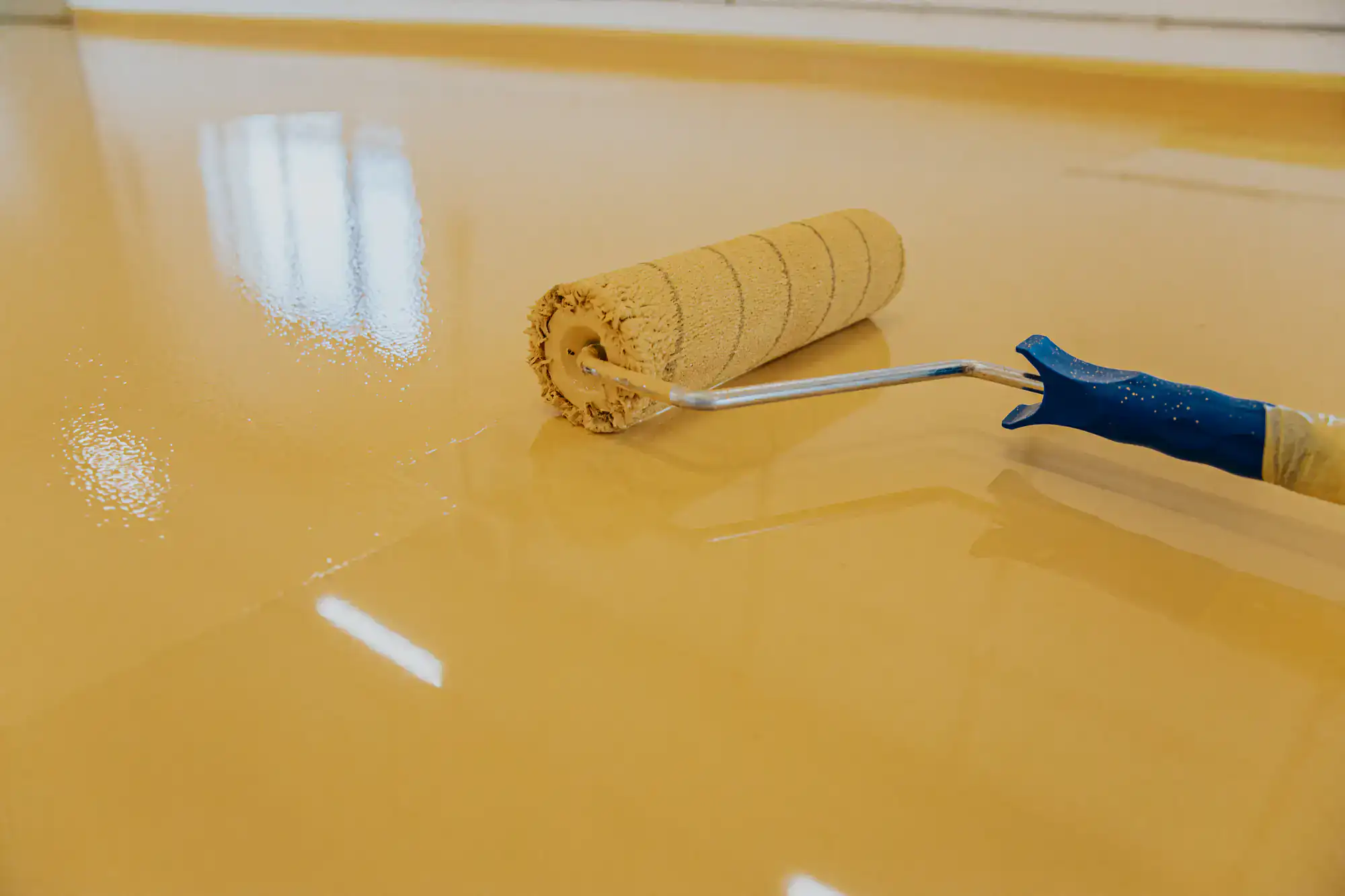
Once the slab is properly prepared, the system goes down in layers: primer coat, base coat, and topcoat, with correct cure time between each stage. The specific system whether that’s a 100% solids industrial epoxy, a cementitious urethane mortar for a food processing environment, or an ESD-compliant coating for an electronics manufacturer gets selected based on what your facility actually does, not what’s easiest to install. For commercial kitchens and food service operations along the Veterans Memorial Highway corridor, we complete installations overnight so your operation opens on schedule. Large warehouse floors in the park can be phased to keep sections running while others cure. The work fits around your schedule, not the other way around.
Ready to get started?
The companies inside the Long Island Innovation Park don’t all need the same floor, and we don’t install the same system in every building. A pharmaceutical manufacturer at one end of Motor Parkway has completely different requirements than a distribution center three blocks away. The flooring systems we offer cover the full range of what Hauppauge’s industrial and commercial environment actually demands.
For warehouses and distribution facilities, that means high-build 100% solids industrial epoxy rated for heavy forklift traffic and pallet jack loads applied at 14 to 30 mils of dry film thickness, not the 3 to 8 mils you get from a water-based consumer product. For food processing and commercial kitchen environments, we install USDA-compliant cementitious urethane mortar systems with hygienic cove base installations that handle thermal shock, standing water, and the kind of daily abuse those floors take. Healthcare and biomedical facilities get seamless antimicrobial resinous coatings that meet ADA, CDC, and FGI guidelines. Electronics manufacturers and precision labs that need electrostatic discharge protection get ESD-compliant systems. Chemical-resistant epoxy finishes are available for lab and industrial environments where spill exposure is a daily reality.
For the Suffolk County government offices along Veterans Memorial Highway and for the institutional facilities that need documented compliance every installation includes the paperwork: manufacturer certifications, OSHA compliance documentation, and system specifications that satisfy procurement and building code requirements under both the Town of Smithtown and Town of Islip, the two municipalities that govern Hauppauge.
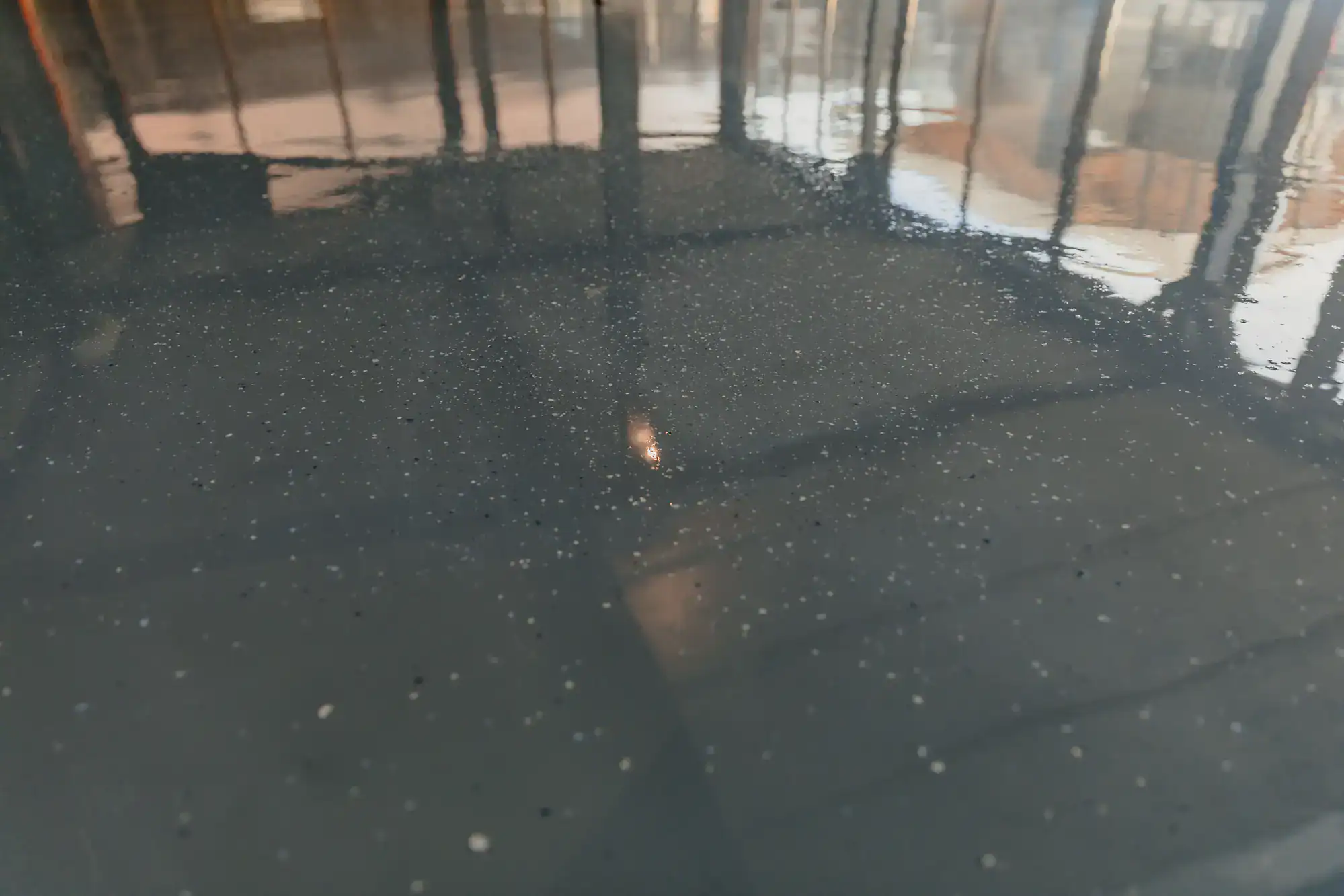
The two most common causes are inadequate surface preparation and uncontrolled moisture vapor transmission and both are entirely preventable. Surface preparation means diamond grinding the concrete down to a clean, profiled surface before any coating goes down. Without it, epoxy bonds to the weak top layer of the slab instead of the concrete itself, and it peels under load. Without proper grinding, epoxy peels under load a shortcut that many contractors take to save time and money.
Moisture is the other major factor, and it’s especially relevant in Hauppauge. The area sits on ground with significant historical groundwater activity the town’s name literally references it. Concrete slabs in older industrial buildings, particularly those built in the mid-20th century when much of the Long Island Innovation Park was first developed, can emit moisture vapor at levels that prevent proper epoxy adhesion. A moisture test before installation costs almost nothing. Skipping it can cost you the entire floor.
A properly installed industrial epoxy system in a commercial or warehouse environment typically lasts 15 to 20 years with routine maintenance. The key word is properly. That means 100% solids or high-solids epoxy applied at 14 to 30 mils of dry film thickness, on a diamond-ground and moisture-tested slab, with correct cure time between coats. Consumer-grade or water-based systems applied at 3 to 8 mils will not hold up under forklift traffic, chemical exposure, or the thermal cycling that happens near loading docks in a Long Island winter.
The lifecycle cost argument matters here. A 50,000 square foot warehouse floor installed at a lower price point that fails in three years costs you the removal, the surface prep, the reinstallation, and whatever operational downtime came with it. The same floor installed correctly the first time, at a higher upfront cost, runs 20 years. The math on which one is actually cheaper is straightforward.
Hauppauge is an unincorporated hamlet split between two municipalities the Town of Smithtown in the north and the Town of Islip in the south, divided by Townline Road. Permit requirements for commercial flooring work fall under whichever town your facility sits in, and for significant interior renovation work in a commercial or industrial occupancy, a building permit is typically required. Food service and healthcare facilities may also need to meet Suffolk County Department of Health Services requirements for flooring materials and installation methods.
The practical answer is: it depends on the scope of work and the occupancy type. We can walk you through what’s typically required for your specific facility type and location within Hauppauge before the project starts. Institutional and government facilities including the county offices along Veterans Memorial Highway have their own procurement and compliance documentation requirements, and those get handled as part of the project scope.
In most cases, yes and for businesses operating in the Long Island Innovation Park, that flexibility matters. Commercial kitchen and food service floors can typically be completed overnight, so the operation opens on schedule the next morning. Larger warehouse and manufacturing floors can be phased, meaning one section gets installed and cured while the rest of the facility stays operational. The phasing plan gets worked out before the job starts based on your layout, your traffic patterns, and which areas are most critical to keep running.
The one thing that can’t be rushed is cure time between coats. Cutting cure time short to finish faster is another common shortcut that leads to premature failure. A well-planned phased installation takes a few extra days compared to shutting everything down at once but it’s the approach that keeps your business running and still delivers a floor that holds up for the long term.
Food processing and food distribution facilities require a USDA-compliant flooring system that can handle thermal shock, standing water, frequent chemical cleaning, and the physical demands of heavy equipment and foot traffic. The standard system for these environments is a cementitious urethane mortar a trowel-applied system typically installed at 3/16 to 1/4 inch thickness that bonds directly to the concrete and resists the temperature cycling that happens when hot water hits a cold floor during washdown.
Standard epoxy alone is not the right choice for food processing environments because it lacks the thermal shock resistance that urethane mortar provides. The installation also needs to include hygienic cove base work at the floor-wall junction to eliminate the gaps where bacteria and moisture accumulate a detail that health inspectors look for and that many contractors overlook. If your facility in the park is subject to Suffolk County Department of Health Services inspections, the flooring system and installation method both need to meet those standards, and documentation of the materials used should be retained.
There are a few things that determine whether a slab is ready for epoxy, and most of them require an on-site assessment to evaluate properly. The most important is moisture. Concrete slabs in Hauppauge particularly in older industrial buildings in the Long Island Innovation Park can have elevated moisture vapor emission rates due to the area’s groundwater conditions. A calcium chloride test or an in-situ relative humidity probe test will tell you whether the slab’s moisture level is within the acceptable range for the system being specified. If it isn’t, a moisture mitigation primer or barrier system gets applied first.
Beyond moisture, the slab needs to be structurally sound with no active cracks, free of existing coatings or sealers that would prevent adhesion, and profiled correctly through diamond grinding. If there are cracks or spalls, those get repaired before any coating goes down. The surface profile how rough or smooth the concrete is determines how well the epoxy mechanically bonds to it. We evaluate all of this before a system is recommended, not after the first coat is already on the floor.