
Most hangar floors fail for the same reason: the contractor skipped the prep. They coated over moisture, didn’t grind the surface properly, and used a system that was never designed for aviation chemicals in the first place. A year or two later, you’re looking at blistering, delamination, and a floor that looks worse than when you started.
When the floor is done right, the difference is immediate. Fluid spills wipe up clean. Dropped tools are visible against a bright, reflective surface. The slab underneath is protected from the freeze-thaw cycling that North Hempstead winters bring and from the coastal humidity that rolls in off Long Island Sound and quietly works its way through uncoated concrete year-round. These aren’t small things on the North Shore. They’re the conditions your floor has to live in every single day.
A properly installed aviation-grade system also means your hangar is back in service fast. Polyaspartic floors cure in as little as 24 hours, which matters when hangar space in the New York region is already tight and downtime has a real cost attached to it. You’re not waiting a week. You’re back to work.
We’ve been installing resinous flooring systems on Long Island for over 30 years, with roots deep in North Hempstead and the surrounding Gold Coast communities. This isn’t a general contractor who added epoxy to the service menu we’re a company built entirely around this work, led by Danny Harmer, whose hands-on installation experience goes back more than 40 years. The same experienced crew shows up to every job. Most of them have been with us for over a decade.
We hold dual elite certifications from Sherwin-Williams High Performance Flooring and Res Tech two of the most rigorous credentials in the industrial flooring industry. Every installer carries OSHA 40 certification, which matters when your hangar is also a regulated workplace. And the non-slip topcoat we use on every aviation installation is certified by the National Flooring Safety Institute a tested standard, not a marketing phrase.
Nassau County’s North Shore communities from Kings Point to Sands Point to Manhasset expect a level of quality and accountability that most contractors can’t deliver. We’ve been meeting that standard here for three decades.
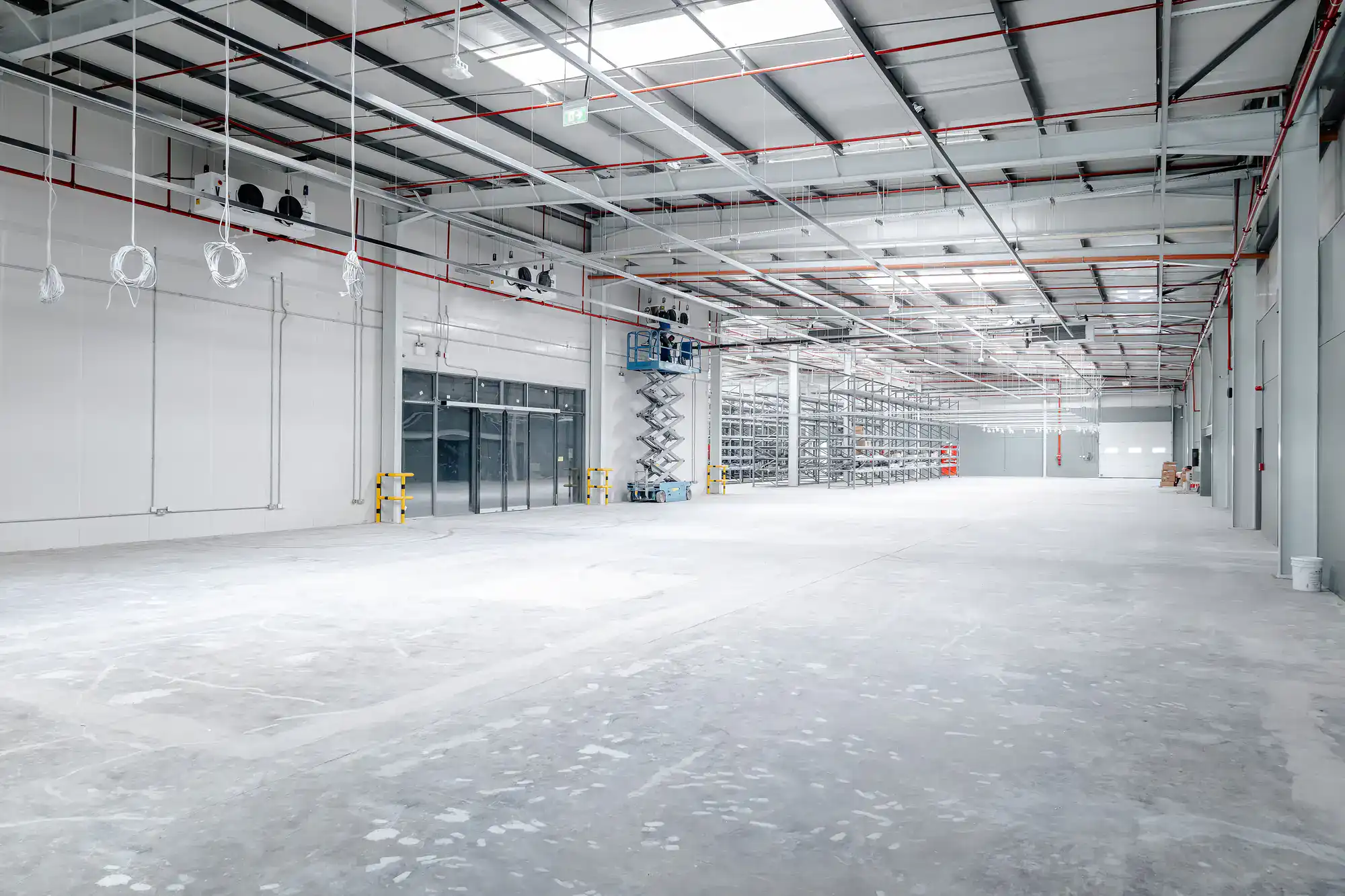
Before anything gets mixed or applied, we assess the slab. On Long Island’s North Shore, that moisture evaluation isn’t optional it’s the whole ballgame. Coastal humidity and proximity to Long Island Sound mean concrete slabs in North Hempstead hold more moisture than slabs in drier climates. If that moisture isn’t accounted for before the coating goes down, the floor will fail. That assessment happens first, every time, no exceptions.
Once the slab is cleared, we diamond-grind the surface to create the mechanical profile the coating needs to bond properly. Any cracks or spalled areas are repaired before a single coat of material touches the floor. Then comes the system itself primer, base coat, broadcast aggregate if needed for texture, and a topcoat that’s been certified for slip resistance by the National Flooring Safety Institute. Each layer cures fully before the next one goes down.
If your project is in one of North Hempstead’s 30 incorporated villages Kings Point, Great Neck, Sands Point permit requirements can vary by village building department, not just the town. That’s something worth knowing before work starts, and it’s the kind of local detail that only comes from doing this work in Nassau County for a long time.
Ready to get started?
Every hangar floor installation we complete starts with a system that’s actually designed for aviation environments. That means chemical resistance to Skydrol hydraulic fluid, jet fuel, lubricants, and industrial solvents not a standard garage coating that happens to look similar. It means NFPA 409 compliance, which requires noncombustible floor surfaces in aircraft storage and servicing areas and is enforced by the Nassau County Fire Marshal for commercial facilities. And it means a topcoat certified by the National Flooring Safety Institute, so the slip hazard created by routine fluid spills is addressed by a tested standard, not a label claim.
For North Hempstead hangars, the system choice matters beyond just chemistry. Polyaspartic floors are the right call for most aviation applications here they cure fast enough to return aircraft to the hangar within 24 hours, they hold up under UV exposure without yellowing, and they outlast standard epoxy systems by years. Where a conventional epoxy might need replacement in five to seven years, a properly installed polyaspartic system is built for 20. Given what hangar space costs in this market and how scarce it’s become as demand has surged across the New York region, that lifespan difference is a real number.
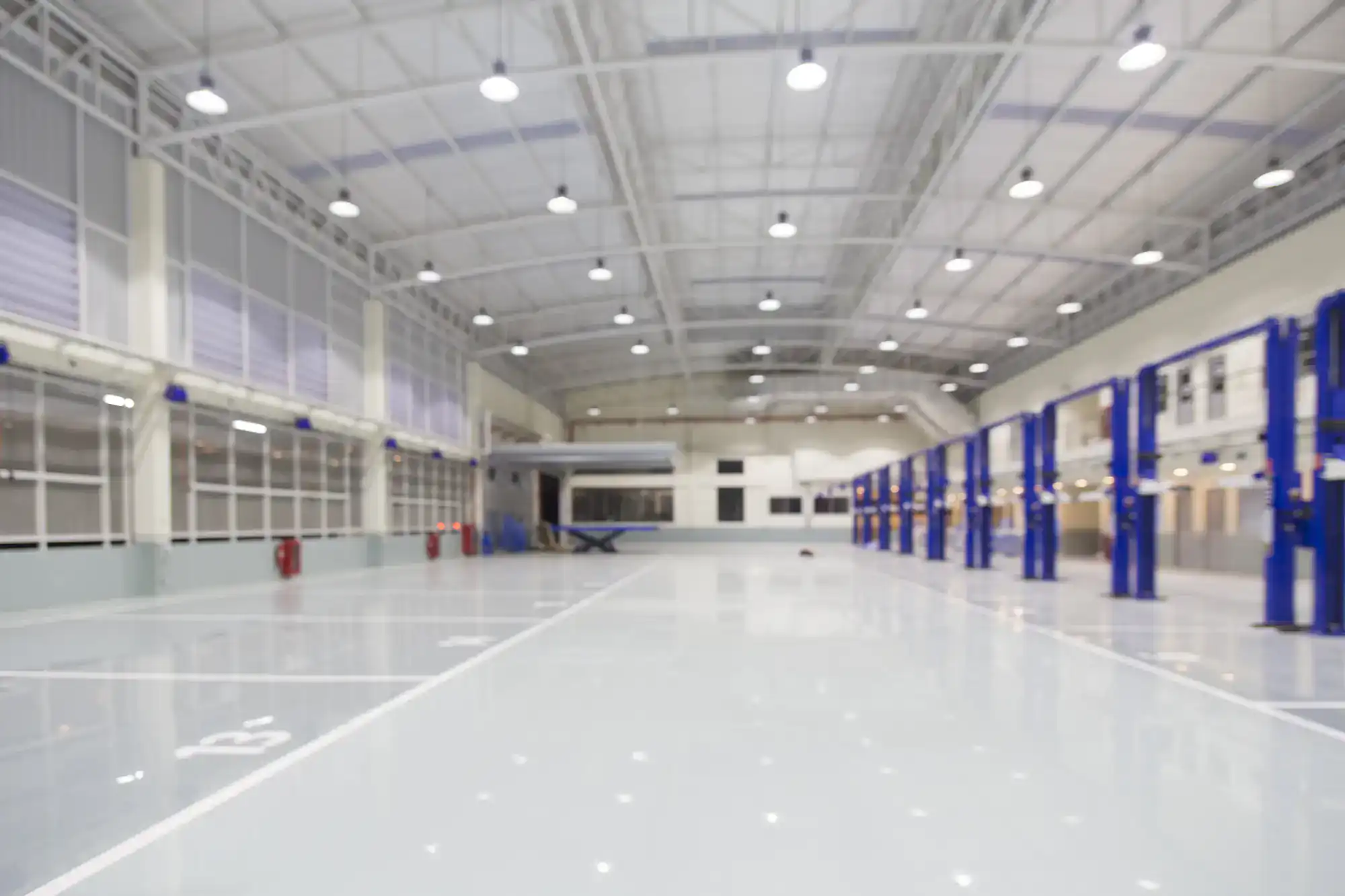
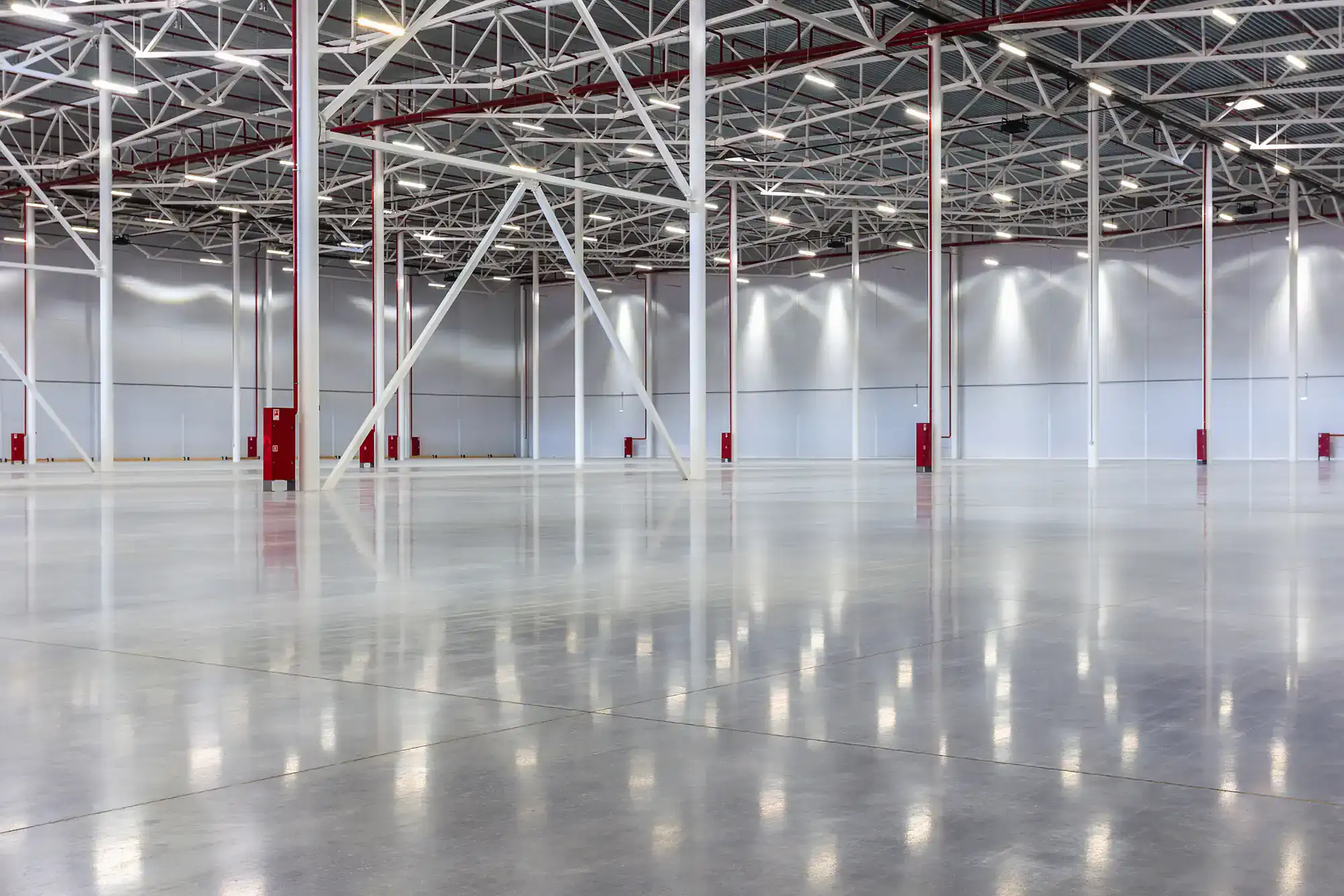
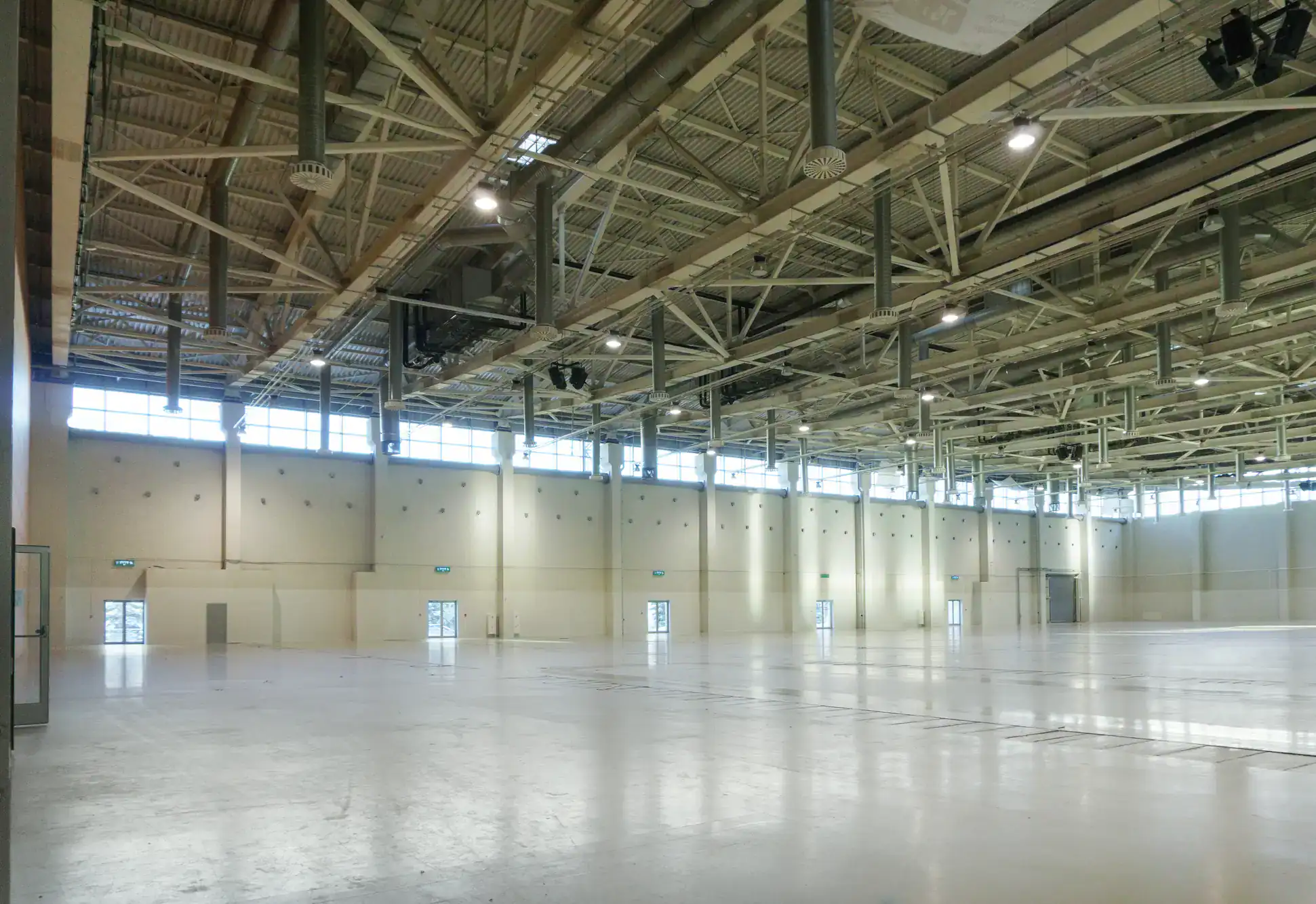
The finish itself is part of the safety system. High-gloss, light-colored surfaces reflect overhead lighting and make dropped fasteners, tools, and fluid spills immediately visible which is why pilots and mechanics consistently request them. It’s not an aesthetic preference. It’s FOD management built into the floor.
NFPA 409 is the national standard for aircraft hangars, and it requires that floor surfaces in aircraft storage and servicing areas be noncombustible. Whether it applies to your specific facility depends on the hangar’s classification Group I, II, III, or IV which is determined by factors like the size of the hangar, the type of aircraft stored, and how the space is used. Commercial hangars and FBO facilities in Nassau County are subject to enforcement by the Nassau County Fire Marshal, and NFPA 409 compliance is part of that inspection process.
For private hangars in North Hempstead, the answer is less automatic but still worth taking seriously. If your facility is inspected, permitted, or insured as a commercial structure even partially the noncombustibility requirement can come into play. More practically, installing a system that meets NFPA 409 standards is simply the right call for any working hangar, regardless of classification. It protects the facility, protects the aircraft, and protects you from a liability conversation you don’t want to have.
It’s one of the most common reasons hangar floor coatings fail on the North Shore, and most facility owners in North Hempstead don’t find out until the floor starts blistering. Long Island Sound proximity means the air in North Hempstead carries consistent moisture year-round, and large concrete slabs the kind under most hangars absorb and release that moisture through a process called vapor transmission. When a coating is applied over a slab with elevated moisture content, the moisture gets trapped underneath and eventually pushes the coating off the surface from below.
The fix is straightforward but non-negotiable: test the slab before anything gets applied. We make moisture assessment the first step on every project, and it’s especially critical for North Shore installations where humidity levels regularly exceed 80 percent during summer months. If the slab tests high, the installation plan adjusts accordingly whether that means scheduling around conditions, using a moisture-tolerant primer, or addressing the source of the moisture before the coating goes down. Skipping this step is how you end up paying for the same floor twice.
For most hangar applications in North Hempstead, polyaspartic is the stronger choice and the reasons are practical, not just technical. Polyaspartic systems cure significantly faster than traditional epoxy, which means your hangar can be back in service within 24 hours instead of waiting three to five days. In a market where hangar space is already scarce and demand has pushed new development at Republic Airport in Farmingdale, minimizing downtime has a real dollar value attached to it.
Polyaspartic also handles North Shore conditions better over the long term. It’s more UV-stable than standard epoxy, so it won’t yellow or chalk from the sun exposure that large hangar doors let in. It’s more flexible under temperature swings, which matters when North Hempstead winters push concrete through freeze-thaw cycles and hangars aren’t always fully climate-controlled. A well-installed polyaspartic system is built for around 20 years, versus five to seven for standard epoxy. The upfront investment is higher, but the math over time is straightforward.
It depends on where exactly your hangar is located within North Hempstead, and that’s not a vague answer it’s a direct reflection of how the town is governed. North Hempstead contains 30 incorporated villages, each with its own building department and zoning authority. A hangar floor project in the Village of Kings Point is governed by Kings Point’s building code. A project in Great Neck or Sands Point falls under those villages’ respective departments. The town’s own building department only governs unincorporated areas.
For commercial aviation facilities, the scope of the floor project typically determines whether a permit is required and the Nassau County Fire Marshal may also have jurisdiction over code compliance for NFPA 409 requirements. Check with the specific village or municipal authority where your facility is located before work begins. This is exactly the kind of local detail that matters in Nassau County and that a contractor unfamiliar with North Hempstead’s governance structure might not flag for you upfront.
The lifespan depends heavily on two things: the system installed and the quality of the surface preparation underneath it. A polyaspartic aviation-grade system that was properly prepped concrete ground to the right profile, moisture tested, cracks repaired, and each layer fully cured before the next goes down is built to last around 20 years under normal hangar use. A standard epoxy system installed the same way typically runs five to seven years before it needs attention.
Where things go sideways is when the prep gets rushed. In Nassau County’s coastal climate, moisture in the slab is the single biggest threat to coating longevity. A floor that was coated without a proper moisture assessment can start showing blistering and delamination within a year or two, regardless of how good the coating material was. The system matters, but the process underneath it matters more. That’s why we treat the concrete assessment as the foundation of every installation not a formality, but the step that determines whether the floor lasts two years or twenty.
Light colors bright white, light gray, or similar tones are the consistent recommendation from pilots and mechanics who work in active hangars, and the reason is functional, not decorative. A high-gloss, light-colored floor reflects overhead lighting across the full hangar floor, which makes dropped fasteners, safety wire, fluid spills, and small debris immediately visible against the surface. That visibility is FOD management foreign object debris control built directly into the floor finish.
In North Hempstead hangars, where many facilities house high-value corporate or private aircraft, the reflective quality of a light floor also makes the space look significantly more professional and well-maintained. It photographs well, it reads clean to visiting clients or flight crews, and it makes routine inspections easier. From a practical standpoint, fluid spills jet fuel, Skydrol, hydraulic fluid are also easier to spot and clean up quickly on a light surface before they become a slip hazard. The NFSI-certified non-slip topcoat that we apply addresses the slip risk directly, but catching a spill early because the floor makes it visible is the first line of defense.
Other Services we provide in North Hempstead