
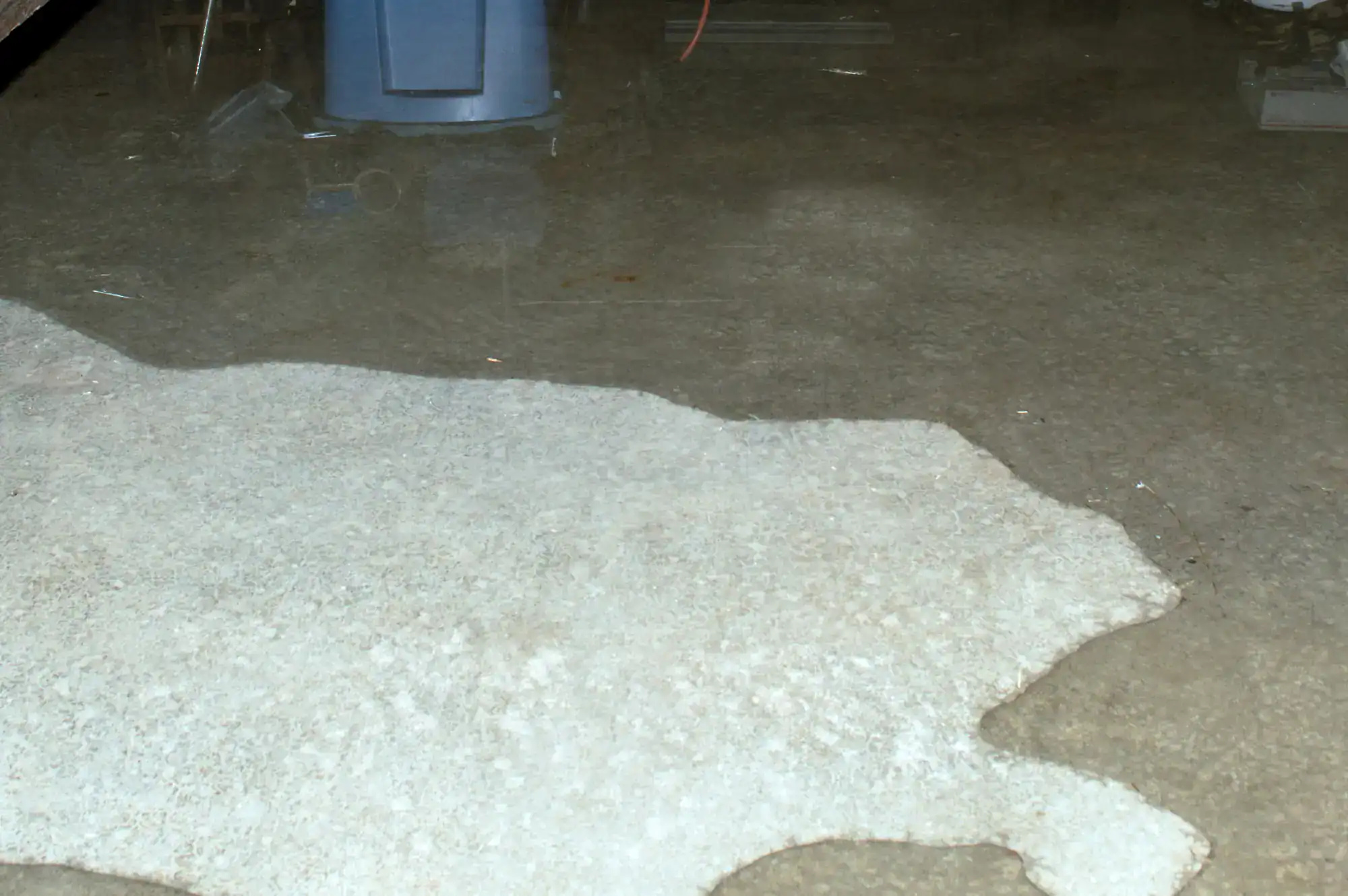
When a floor coating fails in an apparatus bay, it doesn’t just look bad it creates a real problem. Peeling, bubbling, and staining aren’t cosmetic issues. They’re signs the coating wasn’t built for the environment it’s sitting in. In Oceanside, that environment is more demanding than most people realize.
You’re dealing with salt air blowing in off the Atlantic, road salt tracked in from every winter run on Sunrise Highway and Long Beach Road, and ground moisture conditions that come with a community built on former South Shore wetlands. That combination accelerates concrete deterioration and eats through standard epoxy coatings faster than almost anywhere else on Long Island. A floor that might last five years in an inland community can fail in two here.
The right apparatus bay flooring system properly specified, properly installed changes that entirely. A seamless, non-porous surface means road salt, diesel, hydraulic fluid, and firefighting residue sit on top instead of soaking in. Cleanup is simple. The floor stays intact. And because your volunteers at Oceanside’s six stations depend on apparatus being available, a 24-hour return-to-service timeline isn’t a bonus it’s the baseline expectation.
We’re based in Bohemia, NY a Long Island contractor, not a national brand routing calls through a call center. CEO Danny Harmer has over 40 years of hands-on installation experience, and most of our field team has been with us for more than a decade. When you call, you’re talking to people who have installed commercial and industrial floors across Nassau County, Suffolk County, and well beyond including the White House kitchen in 1996.
We hold the Sherwin-Williams High Performance Flooring certification, Res Tech certification, and employ OSHA 40 certified installers on every project. These aren’t credentials collected for a website they reflect a process that takes surface preparation, moisture testing, and system specification seriously before a single coat goes down.
For a volunteer department like Oceanside’s serving the community since 1902, headquartered on Foxhurst Road, and running mutual aid across the entire 2nd Battalion you need a contractor who understands what’s at stake when apparatus can’t be out of service for a week. That’s exactly the kind of job we were built for.
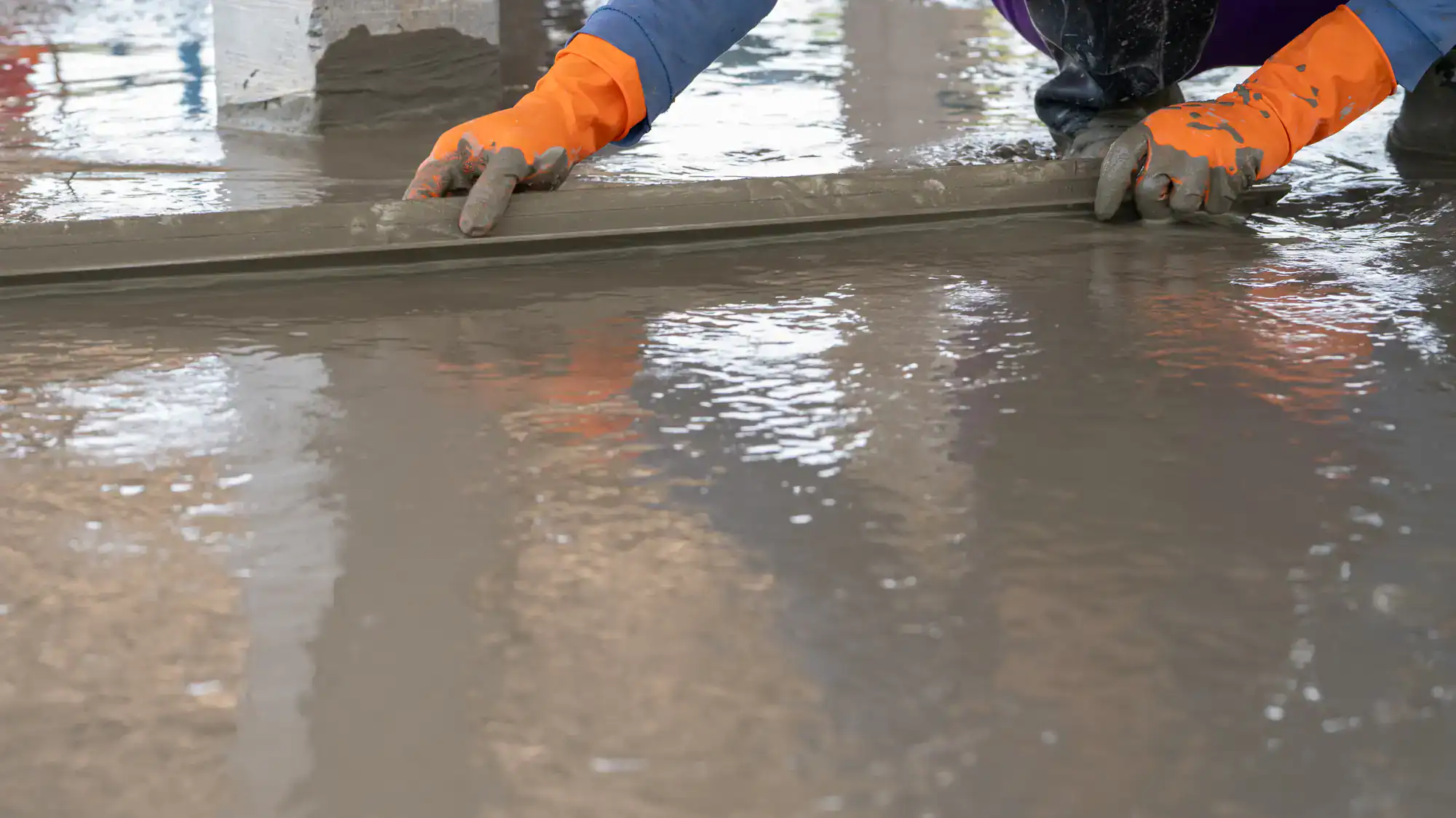
The biggest reason apparatus bay floors fail isn’t the coating it’s what didn’t happen before the coating was applied. Most failures trace back to skipped steps: acid etching instead of mechanical grinding, no moisture test, cracks left unaddressed. Our process starts where most contractors stop.
Every project begins with diamond grinding not acid etching. Diamond grinding opens the concrete capillaries and creates a true mechanical bond between the substrate and the coating. Before anything is applied, we perform moisture testing. In Oceanside, this step is especially critical. The community’s proximity to the Atlantic, its history with coastal flooding events like Hurricane Sandy, and its construction on former wetland ground all contribute to elevated moisture vapor transmission through older concrete slabs. Skipping moisture testing here isn’t a minor oversight it’s the reason coatings bubble and delaminate within a year.
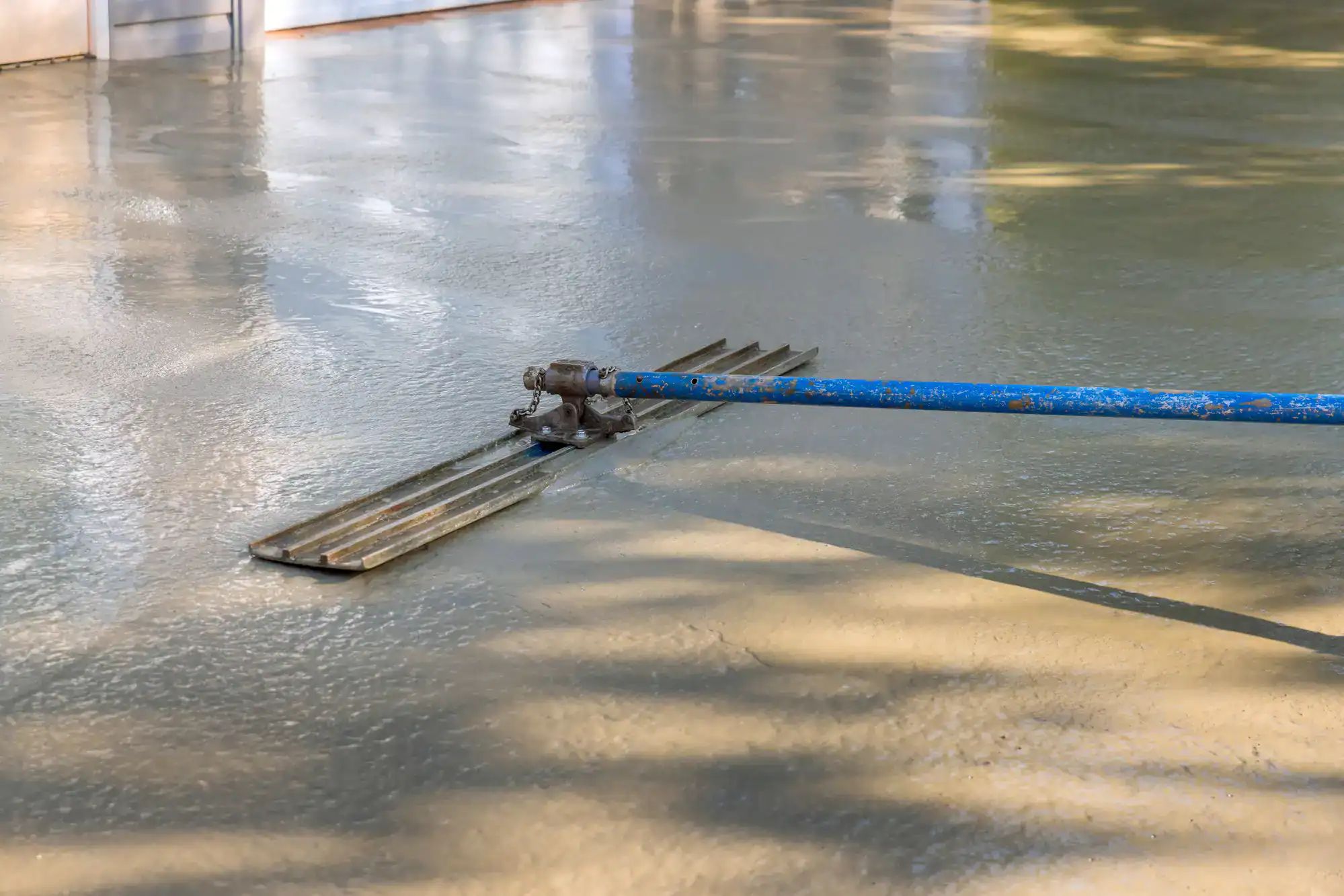
Once the surface is prepared and tested, we repair cracks and damage, then apply the system in layers: penetrating primer, a high-build epoxy base coat with aggregate broadcast for traction and structural density, and a polyaspartic topcoat at 15 mils thick. That topcoat is four times more flexible than standard epoxy and thermally stable meaning hot tires from an active response won’t bond to it and pull it up when the truck backs out. Spring and early fall are the optimal installation windows in Oceanside, when South Shore humidity is at its most manageable, but we can schedule work year-round with the right site preparation.
Ready to get started?
The apparatus bay is the most demanding surface in the building, but it’s not the only floor that needs attention. We install emergency services floor coatings throughout the entire station decontamination zones, kitchens, locker rooms, living quarters, and mechanical spaces. Using one certified contractor for the whole facility means system compatibility across every zone, consistent quality across all six of Oceanside’s stations, and one point of contact when questions come up.
The decontamination zone deserves particular attention for Oceanside’s volunteer firefighters. NFPA 1500 and 1585 create contamination control standards that directly affect how floors should be specified. A seamless, non-porous surface eliminates the harborage points where carcinogenic contaminants combustion byproducts, diesel particulates, chemical residues settle and accumulate in cracked or porous concrete. That’s not a regulatory checkbox. For 253 volunteers who are also your neighbors, it’s a direct investment in their long-term health.
For Nassau County fire districts operating under New York State General Municipal Law, capital improvements like floor resurfacing typically require board authorization and may require competitive bidding above certain thresholds. We’re experienced working within that procurement process and can provide the documentation, insurance certificates, and project specifications that fire district commissioners need to move a project forward cleanly. FEMA’s Assistance to Firefighters Grant program is also worth exploring as a potential funding source for facility improvements Oceanside’s volunteer department is eligible to apply.
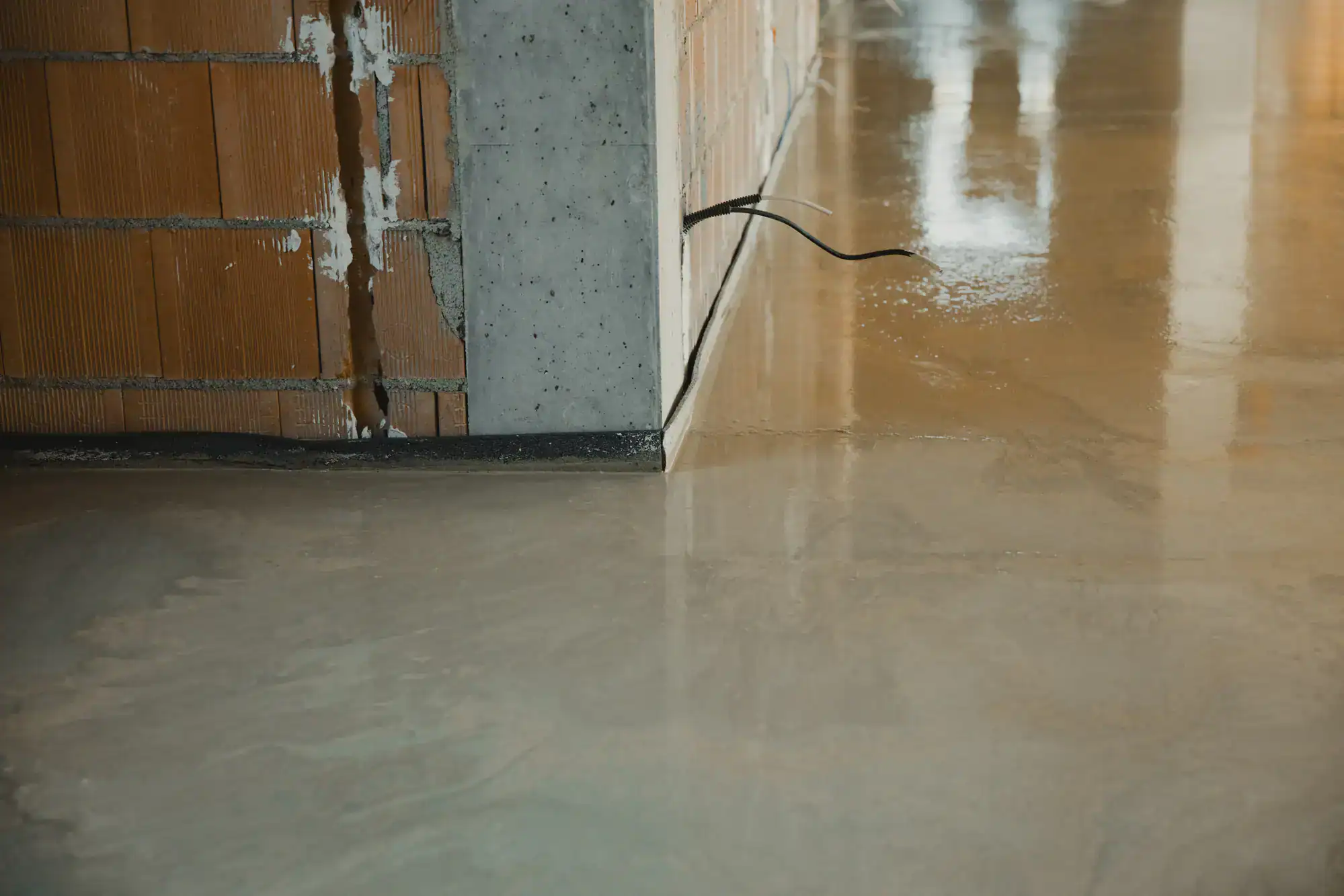
The short answer is that most floor coatings installed in Oceanside apparatus bays were never specified for the conditions they’re sitting in. Oceanside’s coastal position a few miles from the Atlantic, built on former South Shore wetlands, with a water table that shifts with the seasons creates a moisture vapor transmission environment that standard epoxy systems aren’t engineered to handle. When moisture pushes up through the slab and there’s no mechanical bond between the concrete and the coating, the coating lifts. That’s the bubble you see. That’s the peel.
Road salt compounds the problem. Every winter run on Sunrise Highway or Long Beach Road brings salt-laden slush into the bay. If the topcoat isn’t truly non-porous, that salt works its way into micro-cracks and accelerates deterioration from below. The fix isn’t a better product applied the same way it’s a different preparation process entirely. Diamond grinding, mandatory moisture testing, and a 15-mil polyaspartic topcoat address the actual failure mechanisms. That combination is why a properly installed system lasts 20 years in Oceanside’s conditions where a standard system fails in three.
For a fully volunteer department like Oceanside’s, apparatus availability isn’t just an operational preference it’s a community safety issue. The station can’t park trucks outside on Foxhurst Road for a week while a floor cures. That’s precisely why we use rapid-cure polyaspartic systems for apparatus bay installations. Apparatus can return to the bay within 24 hours of the topcoat going down. The station stays active throughout the process.
The actual installation timeline depends on the size of the bay, the condition of the concrete, and how many stations are being done. A single apparatus bay in good substrate condition can typically be completed in one to two days. Stations with significant crack repair, moisture mitigation, or larger square footage may take longer but the 24-hour return-to-service window applies once the final coat is down regardless. For departments planning upgrades across multiple stations, we can sequence the work to ensure at least one bay remains operational at all times throughout the project.
Standard epoxy is the most common coating you’ll see in apparatus bays and the most common one you’ll see failing. It’s rigid, it’s thermally reactive, and in the 4-to-8 mil thickness range that most contractors apply it, it’s simply not built for the load profile of a 40,000-pound fire truck making daily runs. When apparatus tires heat up during a response and then cool on the bay floor, rigid epoxy bonds to the rubber and releases from the concrete when the truck backs out. That’s hot-tire pickup, and it’s the most common failure mode in active apparatus bays.
Polyaspartic is a different chemistry. It’s four times more flexible than standard epoxy, twice as abrasion-resistant, and goes down at 15 mils thick enough to handle real compressive loads and thermal cycling without cracking or releasing. It also cures faster, which is what makes the 24-hour return-to-service window possible. For Oceanside’s coastal environment specifically, the non-porous surface of a polyaspartic topcoat is critical it prevents salt air and road salt from reaching the concrete substrate, which is the primary long-term degradation pathway in South Shore fire stations.
NFPA 1500 and 1581 both address station cleanliness and contamination control in ways that directly affect how apparatus bay floors should be specified. NFPA 1581 specifically covers fire department infection control and requires that apparatus bay floors be cleanable and maintained in a condition that supports decontamination protocols. A cracked, porous, or deteriorating concrete floor or a failed coating with lifting edges and exposed substrate cannot be effectively decontaminated. Contaminants settle into those voids and stay there.
A seamless, non-porous polyaspartic floor surface supports NFPA compliance by eliminating those harborage points entirely. It can be power-washed, mopped, and decontaminated without residue remaining in cracks or pores. For Oceanside’s volunteer firefighters who return from structure fires, vehicle fires, and hazmat calls and then go home to their families this matters beyond regulatory compliance. It’s a practical health protection measure. If your department is planning a floor upgrade and has questions about how the specification aligns with your current NFPA compliance posture, that’s a conversation worth having before the project goes to bid.
Professional apparatus bay floor coating in Nassau County typically runs between $5 and $15 per square foot, depending on the size of the bay, the condition of the concrete substrate, the number of layers in the system, and any repair work required before coating. A bay with significant cracking, moisture issues, or an existing failed coating that needs to be ground off will cost more than a clean slab going in for the first time. That range is honest the specific number depends on what’s actually there when the concrete gets assessed.
The more useful comparison isn’t the installation cost it’s the total cost over time. A properly installed polyaspartic system lasts 20 or more years. A cheaper system installed without proper surface preparation may fail in three to five years, at which point you’re paying to grind off the failed coating, dispose of the material, and start over. For a publicly funded fire district in Nassau County that answers to a board of commissioners and a community of taxpayers, the math on a 20-year floor versus two replacement cycles of a five-year floor is straightforward. The upfront investment is higher. The total cost is lower.
Yes and for a department operating six stations across Oceanside, having one contractor handle all of them is genuinely the better approach. System compatibility matters. If different contractors install different products in different stations, you end up with inconsistent performance, inconsistent maintenance requirements, and no single point of accountability when something goes wrong five years down the road.
We can sequence work across all six stations in a way that keeps the department operational throughout the project staging installations so at least one bay is always available, coordinating with department leadership on response patterns and mutual aid coverage during each phase. The same certified team, the same system specification, and the same preparation process at every station. For a volunteer department that’s been serving Oceanside since 1902 and provides mutual aid across the entire 2nd Battalion Baldwin, Freeport, Island Park, Long Beach, and Point Lookout-Lido consistency across all six stations isn’t just convenient. It’s the standard the community has a right to expect.