
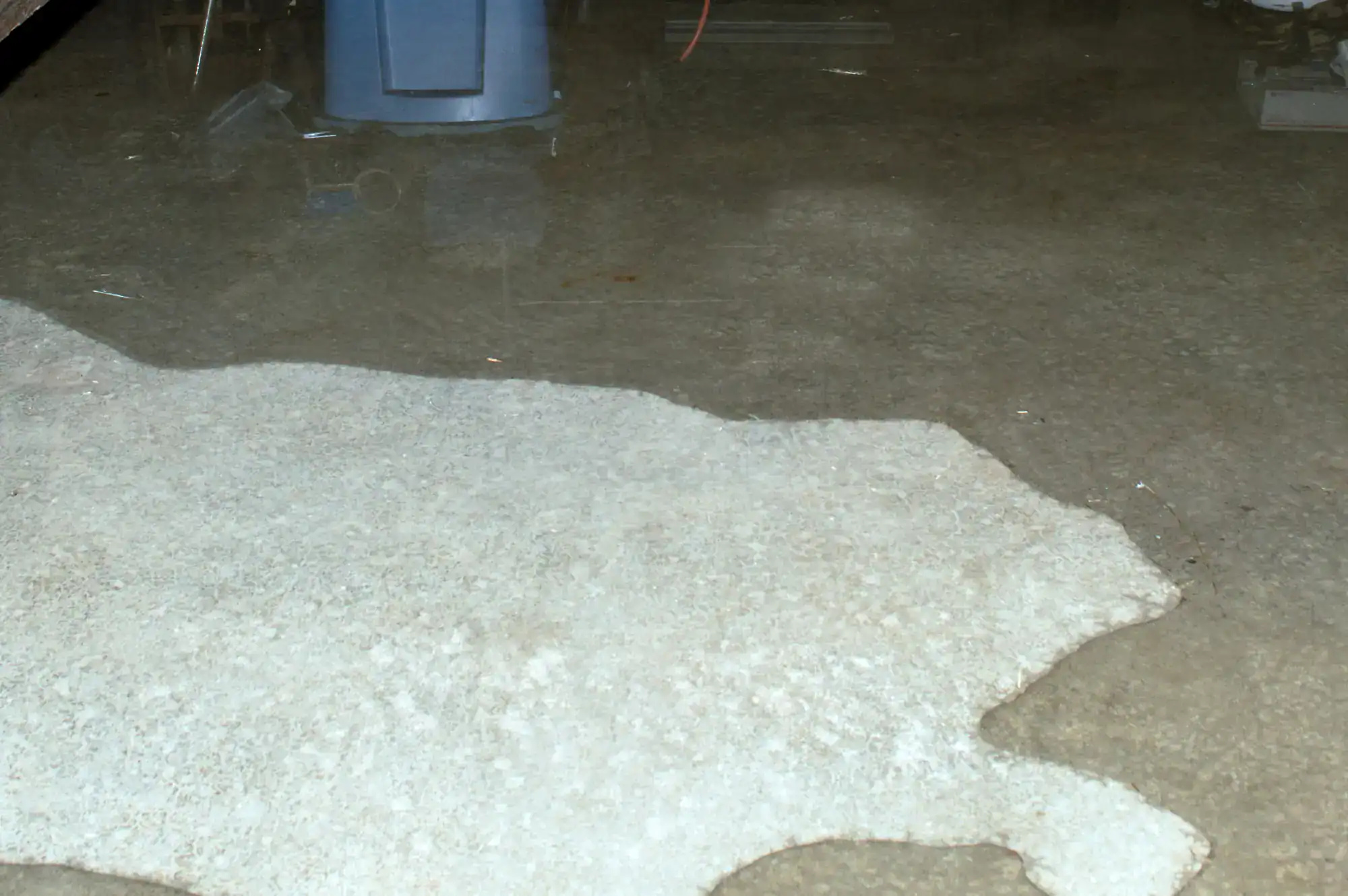
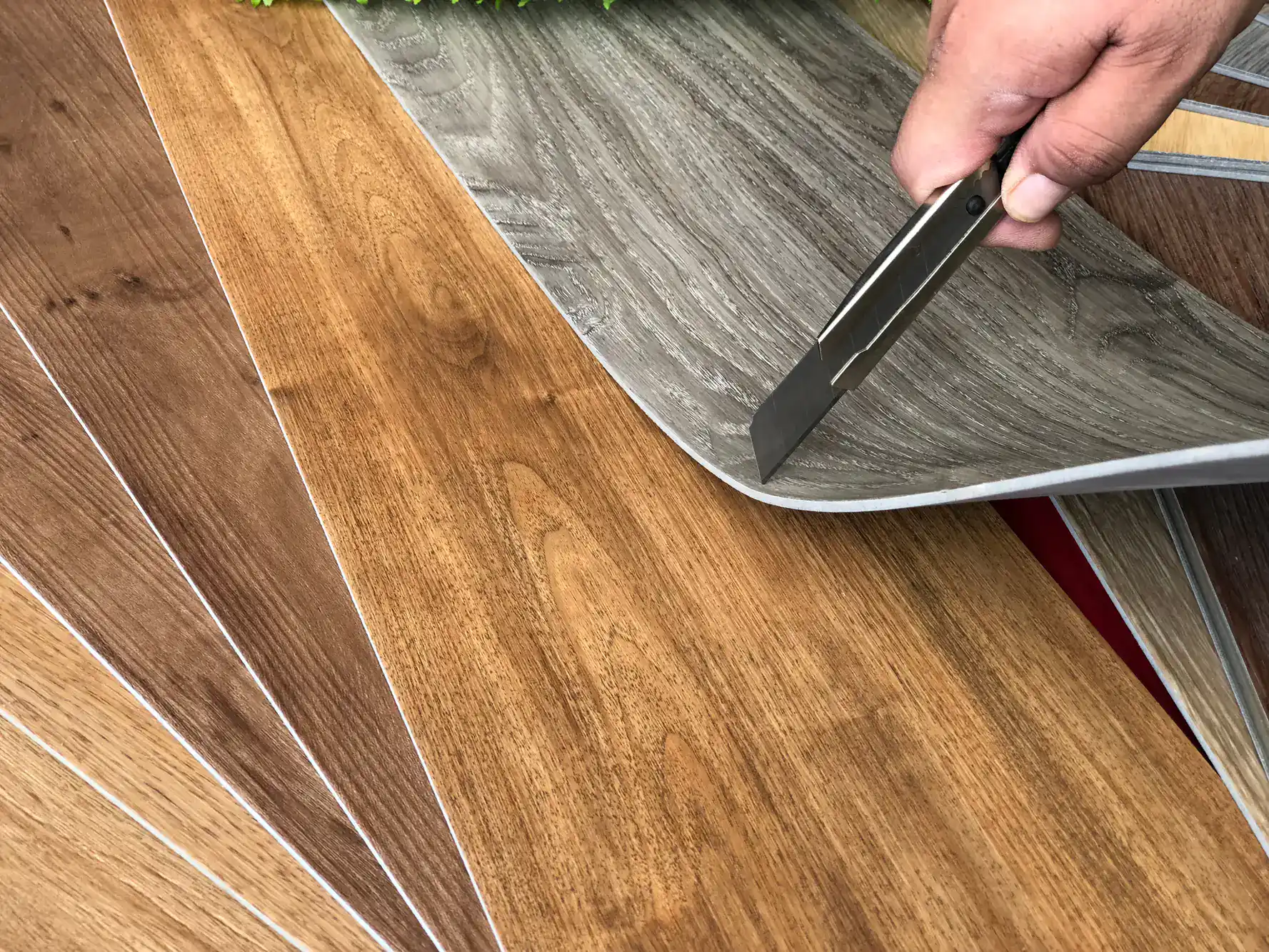
When a fire truck rolls back into the bay after a nor’easter response through Manhasset or Port Washington, the floor underneath it is dealing with chloride-laden slush, thermal shock, and the full weight of modern apparatus all at once. A floor that wasn’t built for those conditions doesn’t fail slowly. It peels, cracks, and deteriorates fast, and then you’re looking at a full grind-and-reinstall before the next budget cycle.
The right apparatus bay flooring holds up because it’s engineered specifically for North Hempstead’s environment. The polyaspartic systems we install go down at 15 mils of thickness two to four times thicker than standard commercial epoxy with a topcoat that’s chemically resistant to road salt, diesel fuel, hydraulic fluid, and the brine that Nassau County roads are soaked in from November through March. That thickness and chemical resistance is what keeps your floor intact through seasons that would destroy a lighter system.
There’s also the moisture factor. North Hempstead’s coastal position along Long Island Sound and Manhasset Bay means your concrete slab is dealing with humidity levels that most inland communities don’t see. Moisture vapor pushing up through the slab is the number one reason epoxy floors bubble and peel in North Hempstead and it happens fast in a waterfront town. Every installation we complete starts with moisture testing and diamond grinding so the coating bonds at the substrate level, not just on the surface. That’s the difference between a floor that lasts 20 years and one that fails in its first summer.
We’re based in Bohemia, NY on Long Island, in the same operational environment as every fire department we serve in North Hempstead and Nassau County. We’ve been doing this for over 30 years, and our CEO Danny Harmer brings over 40 years of hands-on installation experience. This isn’t a franchise operation or a painting company that added epoxy to its service list. Commercial and industrial resinous flooring is what we were built around.
Our field supervisors bring a combined 40-plus years of experience between them, and most of our installers have been with us for more than a decade. Every one of them is OSHA 40 certified which matters when work is happening inside an active fire station where crew members and apparatus are present. We hold the Sherwin-Williams High Performance Flooring certification and Res Tech certification, two of the more rigorous manufacturer-approved credentials in the industry.
We’ve installed floors in environments that demand zero margin for error including the White House kitchen in 1996. For fire districts in North Hempstead communities like Great Neck, Kings Point, and Plandome, that track record isn’t a footnote. It’s the standard you should expect from anyone working inside your station.
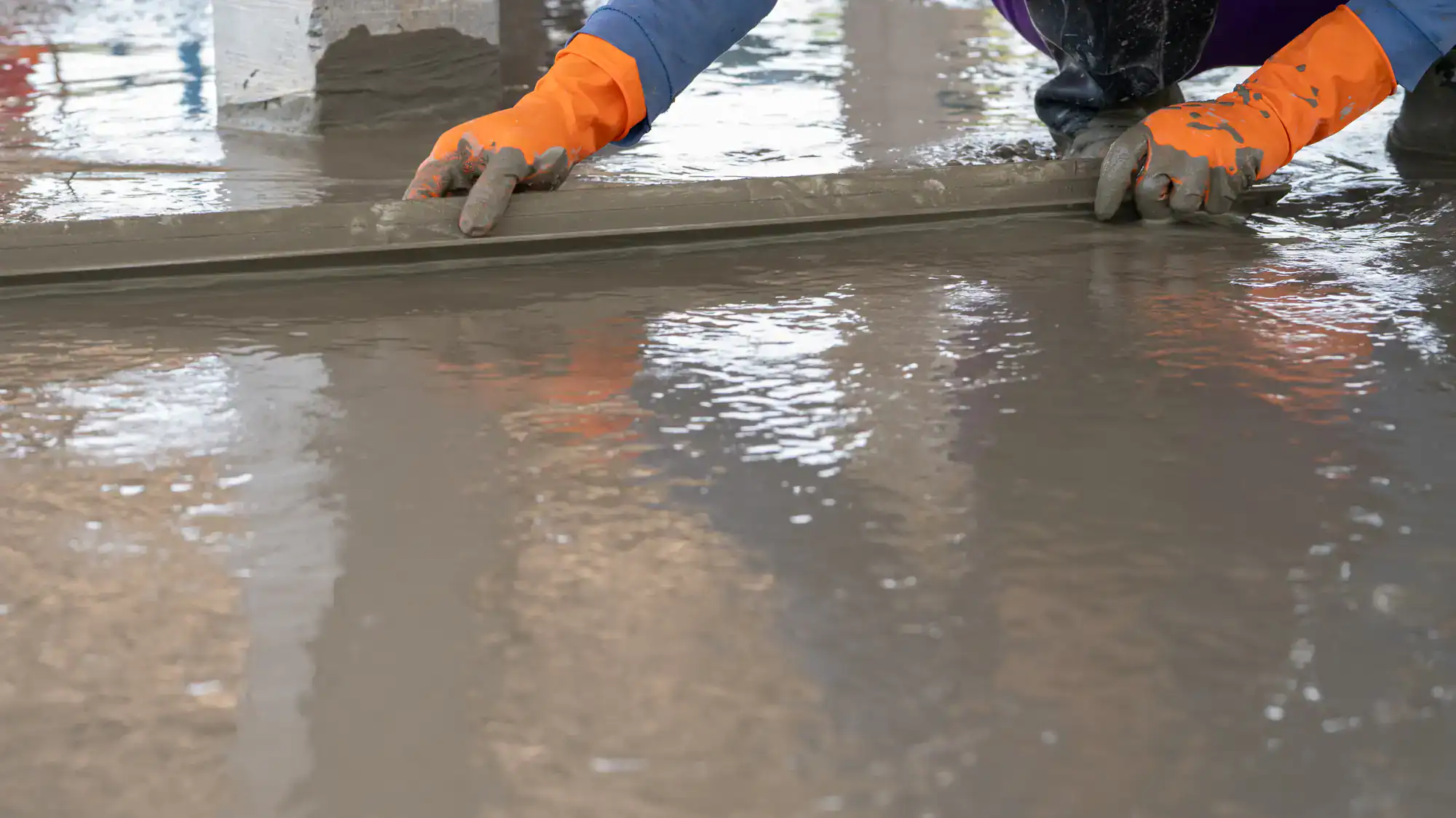
Before any coating goes down, we assess the concrete. That means moisture testing, surface profiling, and identifying any existing damage spalling, cracks, or contamination from years of diesel and road salt exposure. In North Hempstead’s coastal environment, skipping this step is exactly how floors fail. We don’t skip it.
Once the assessment is complete, the surface is diamond ground to open the concrete capillaries and create a true mechanical bond. This isn’t optional prep it’s the foundation of a floor that actually holds. A penetrating primer goes down next, sealing at the substrate level before the base coat and polyaspartic topcoat are applied. The system builds up in layers, each one engineered to work with the one beneath it.
The reason departments in North Hempstead’s independently governed fire districts keep choosing polyaspartic over traditional epoxy comes down to one thing: cure time. Traditional epoxy keeps your apparatus out of the bay for three to seven days. Our polyaspartic systems are ready for apparatus return in approximately 24 hours. For a department covering the waterfront communities, commercial corridors, and dense residential areas of North Hempstead, that’s not a selling point it’s the only acceptable option. Your trucks are back in service the next day, and your floor is built to handle everything Long Island throws at it for the next 20-plus years.
Ready to get started?
The apparatus bay gets the most attention, but it’s not the only floor in your station that takes a beating. Decontamination zones, locker rooms, commercial kitchens, and mechanical rooms each have their own demands and a floor system that works in one area may be completely wrong for another. We spec and install the right system for every zone, which means one contractor, one accountability point, and no compatibility issues between systems.
For the apparatus bay itself, the polyaspartic system we recommend addresses the specific failure modes that North Hempstead departments deal with: hot tire pickup from engines returning from responses, chloride infiltration from salted roads throughout Nassau County, and the thermal shock of cold wet apparatus rolling into a heated bay repeatedly during nor’easter events. The seamless, non-porous surface we create also directly supports NFPA 1500 and NFPA 1585 contamination control requirements it can be power-washed and chemically decontaminated completely, with no grout lines or porous concrete to harbor carcinogenic combustion byproducts.
North Hempstead’s fragmented fire district structure with independently operated departments in Albertson, Great Neck, Manhasset-Lakeville, Port Washington, Williston Park, Roslyn, and New Hyde Park, among others means each district makes its own capital decisions. We work directly with fire chiefs, district commissioners, and facilities contacts to spec the right system, navigate any permit requirements through the town’s Department of Building Safety Inspections, and schedule installation around your department’s operational calendar.
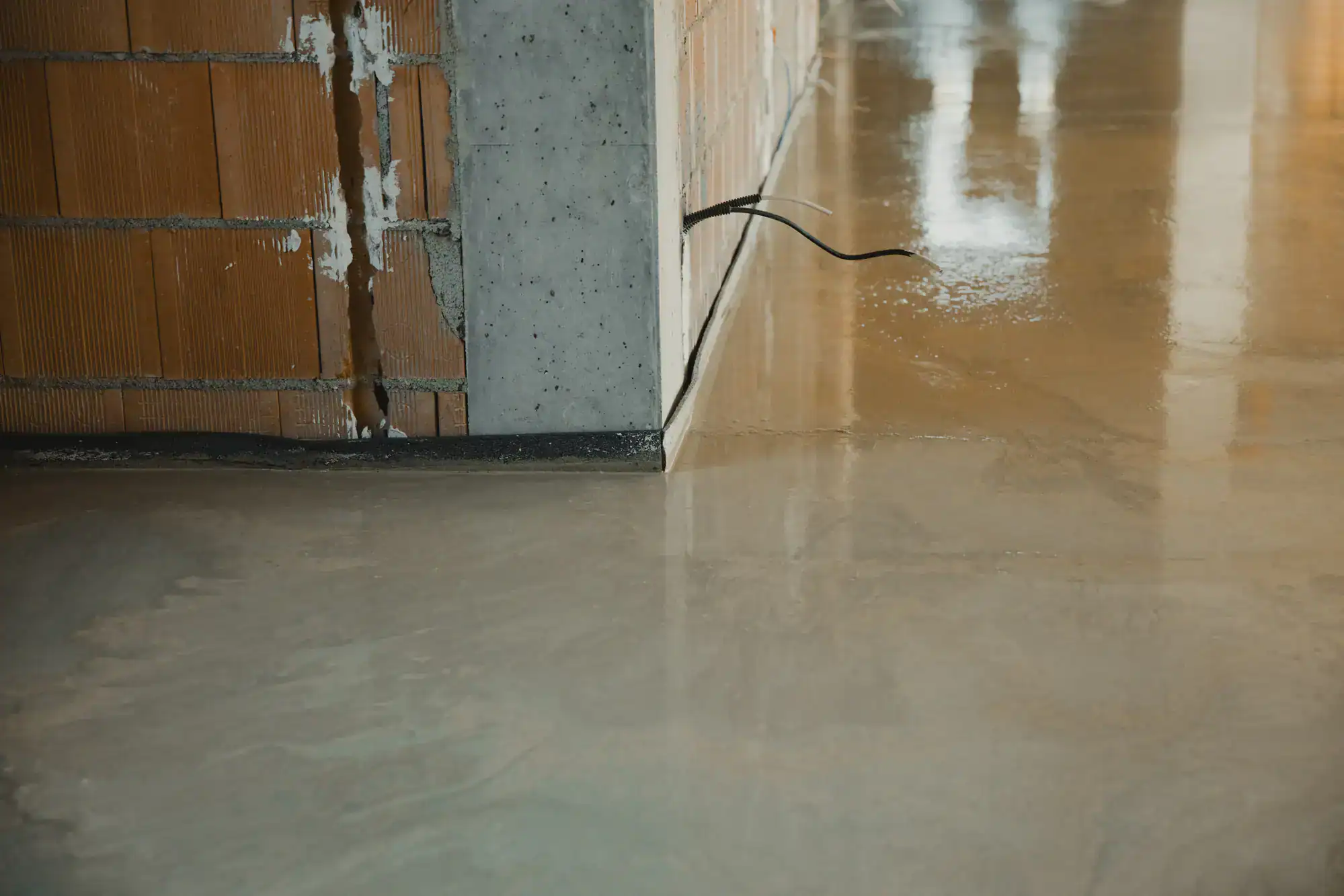
A professionally installed polyaspartic system in an apparatus bay should last 20-plus years under normal operational conditions. The caveat is “professionally installed” and that means proper surface prep, moisture testing, and a system that was actually specified for apparatus bay use, not a residential garage product applied to a commercial bay.
In North Hempstead specifically, the coastal humidity from Long Island Sound and the surrounding bays creates moisture vapor conditions in concrete slabs that accelerate failure in improperly bonded coatings. A floor that was diamond ground, primed at the substrate level, and coated with a commercial-grade polyaspartic system handles that environment. One that wasn’t prepared correctly may start showing delamination within the first year especially after a humid Long Island summer. The preparation process is what determines longevity, not just the product.
Hot tire pickup happens when a fire truck returns from a response with heated tires, and those tires bond to a coating that wasn’t engineered to handle the thermal load. When the truck backs out, the coating comes with it. It’s one of the most common complaints about apparatus bay floors across Nassau County, and it’s almost always the result of using the wrong system typically a standard commercial epoxy or a consumer-grade product that has no thermal flexibility.
Polyaspartic topcoats are four times more flexible than standard epoxy and thermally resistant in a way that standard systems simply aren’t. They absorb the stress of a hot tire contact without bonding to the rubber. The thickness of the system matters too at 15 mils, there’s enough material to distribute that thermal load without concentrating it at a single point. If your current floor is showing tire marks or pulling up in patches near the bay doors, that’s the failure mode in progress, and it won’t self-correct.
Yes and for most departments in North Hempstead, this is the question that determines whether a floor project actually gets approved or gets deferred again. Traditional epoxy requires three to seven days of cure time before heavy apparatus can return to the bay. For a department covering dense residential areas, commercial corridors along Northern Boulevard, or waterfront communities on the Great Neck peninsula or Manhasset Bay, that’s not operationally viable.
Our polyaspartic systems cure in approximately 24 hours for apparatus return. That means installation happens during a planned operational window often overnight or over a weekend and your trucks are back in the bay the next day. The exact timeline depends on the square footage of the bay, the number of coats required, and ambient temperature and humidity conditions during installation. We work with your department’s schedule to minimize disruption and confirm the cure window before apparatus returns.
It does, and this is an increasingly important consideration for Nassau County departments. NFPA 1500 addresses occupational safety and contamination control in ways that directly affect apparatus bay design, and NFPA 1585 covers contamination control programs for emergency services including decontamination zone materials and cleaning protocols. A seamless, non-porous resinous floor is a frontline tool in meeting those requirements because it can be completely decontaminated with a power wash and appropriate cleaning agents, with no grout lines, crevices, or porous concrete to harbor residue.
The occupational cancer conversation is active in the North Hempstead fire service community, and for good reason. Carcinogenic combustion byproducts from fire scenes settle on apparatus, gear, and the apparatus bay floor on every response. A floor that can be thoroughly decontaminated after each response is a meaningful health and safety investment not just a maintenance upgrade. For North Hempstead departments that take NFPA compliance seriously, the floor system is part of the contamination control protocol, not separate from it.
Commercial apparatus bay flooring typically runs between $5 and $15 per square foot, depending on the size of the bay, the condition of the existing concrete, the system specified, and the number of coats required. A standard two-bay station with concrete in reasonable condition will generally fall in the mid-range of that estimate. A bay with significant spalling, existing coating that needs to be ground off, or moisture mitigation requirements will be on the higher end.
The more useful number for a fire district board in North Hempstead is the total cost of ownership. A polyaspartic system installed correctly lasts 20-plus years with minimal maintenance. A lower-cost system that fails in three to five years requires a full grind-and-reinstall at full price, again. Over a 20-year period, the cost of doing it wrong twice is two to four times the cost of doing it right once. For districts managing capital budgets funded by some of the highest-assessed property in Nassau County, that math is straightforward.
The two things that matter most are surface preparation methodology and manufacturer certification. Any contractor can apply a coating. Not every contractor diamond grinds the surface, tests for moisture vapor transmission, and applies a penetrating primer before the base coat goes down. Ask specifically how they prepare the concrete if the answer doesn’t include diamond grinding and moisture testing, the floor will likely fail regardless of what product they use.
On credentials, the Sherwin-Williams High Performance Flooring certification is one of the more rigorous manufacturer-approved applicator credentials in the commercial flooring industry. It requires formal training in concrete assessment, surface prep, and installation quality control not just product familiarity. OSHA 40 certification for field installers matters too, particularly in an active fire station where crew members and equipment are present during installation. North Hempstead’s independently governed fire districts have accountability to elected commissioners and the taxpayers who fund them the contractor you choose should be able to document their credentials, not just describe them.
Other Services we provide in North Hempstead