
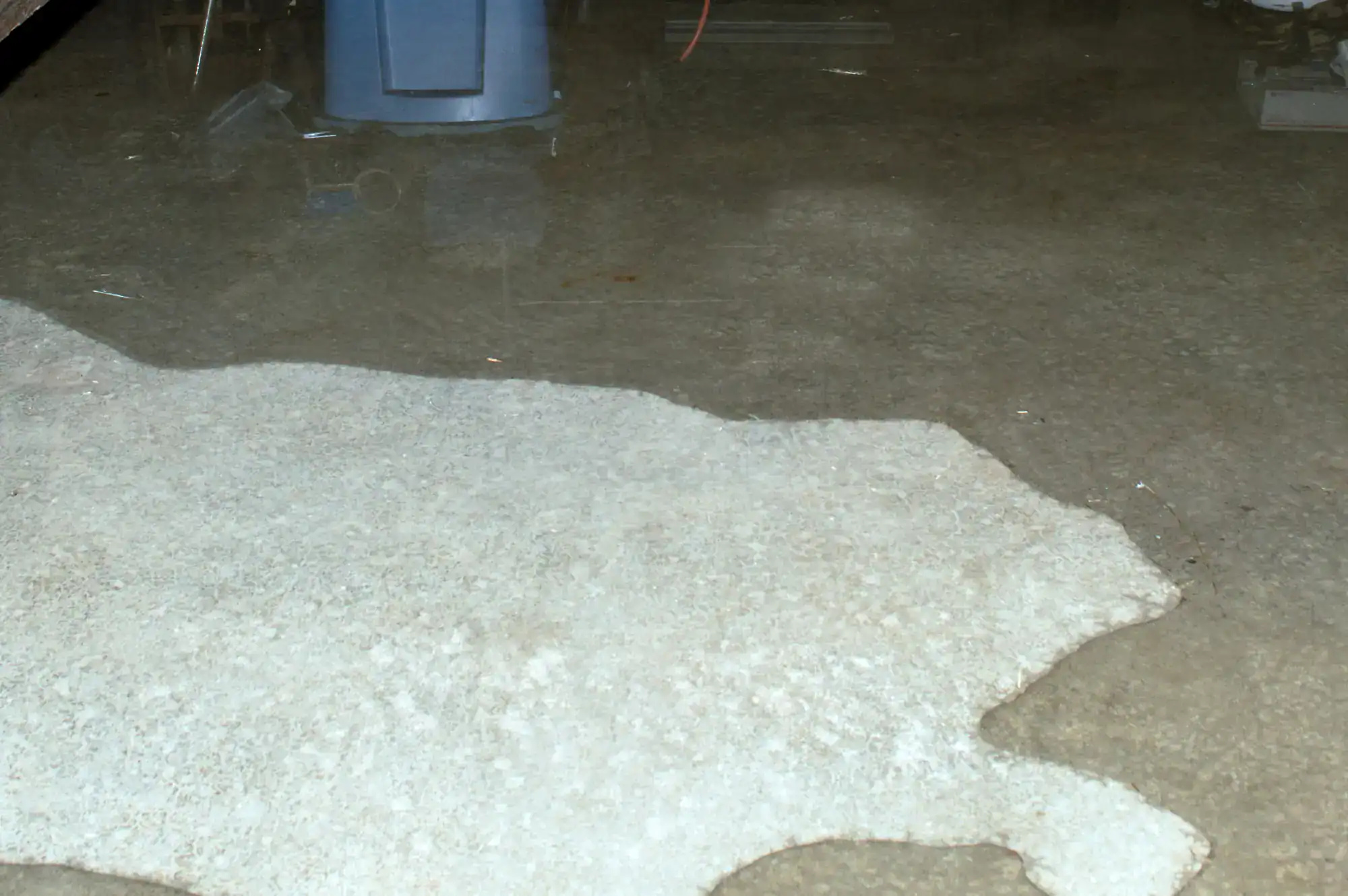
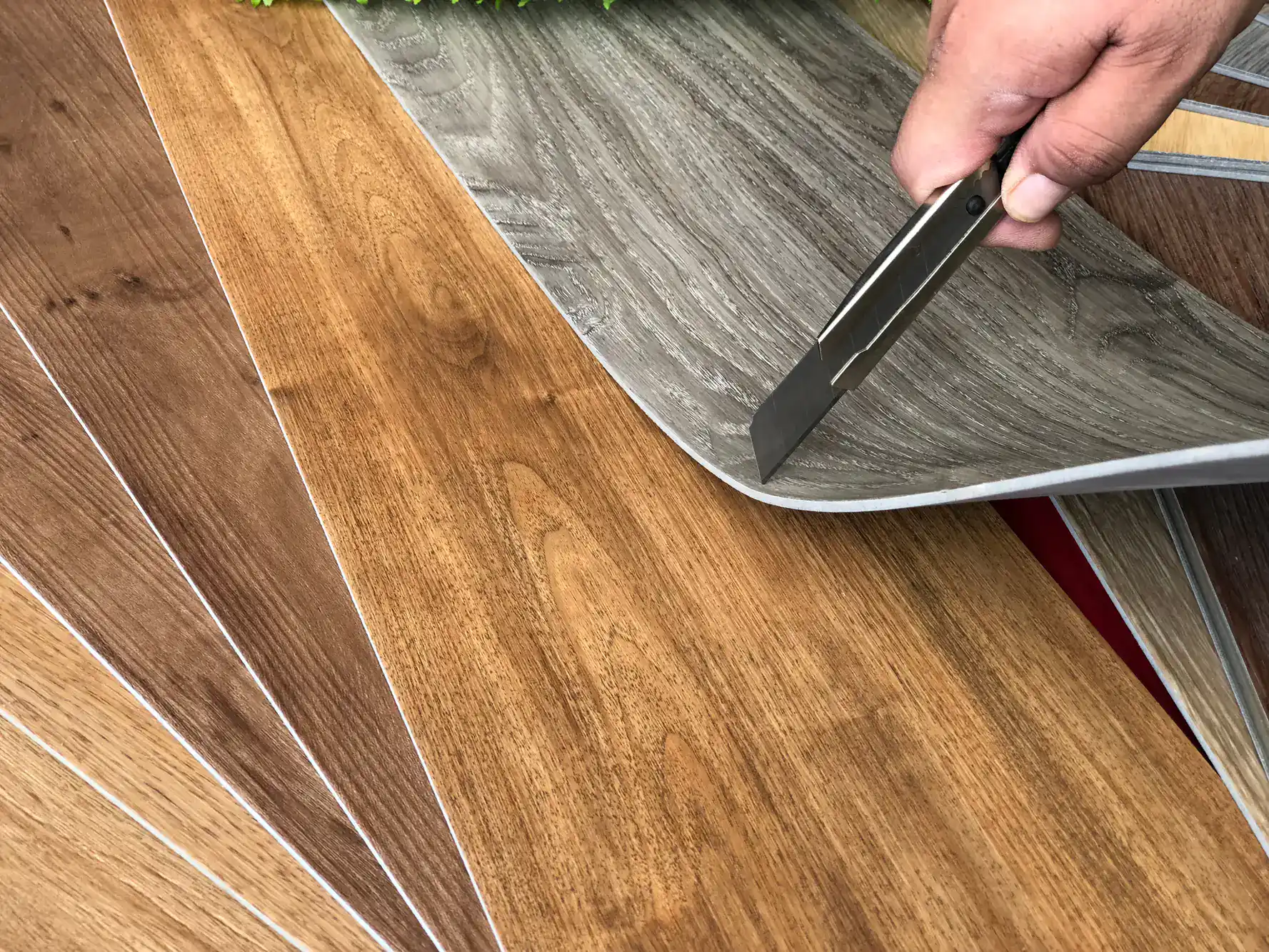
The Hauppauge Fire Department doesn’t run a simple operation. With coverage stretching across one of the largest industrial parks in the country over 1,300 companies, 55,000 workers, and the kind of hazmat and industrial emergency profile most suburban departments never see your apparatus bay floor takes a beating that a standard epoxy coat simply isn’t built to survive. When the right floor is in place, you stop dealing with the consequences of the wrong one.
Hot-tire pickup is the failure mode nobody talks about until it happens. A truck returns from a call, tires still warm, and when it pulls back out the coating comes with it in sheets. That’s not a product defect. That’s what happens when the wrong system gets installed in an apparatus bay. A properly specified polyaspartic floor is four times more flexible than standard epoxy and engineered to handle the thermal stress of tires returning from emergency runs on the Long Island Expressway or Veterans Memorial Highway in the middle of January.
Road salt is the other one. Every piece of apparatus coming back from a winter call on Route 111 or the Northern State Parkway brings salt with it. On bare concrete or a failing floor, that salt soaks in and starts breaking the slab down from the inside. A sealed, seamless surface stops that entirely spills and contaminants sit on top and get wiped away, not absorbed. For a department operating in Hauppauge’s winters, that’s not a minor upgrade. It’s the difference between a floor that lasts two decades and one that needs replacing in three years.
We’re based in Bohemia about ten to fifteen miles from Hauppauge down the LIE. This isn’t a national brand that parachutes in from out of state. We’re a Long Island company that has been installing commercial and industrial resinous flooring systems since before the Long Island Innovation Park reached its current scale. Our CEO Danny Harmer has over 40 years of hands-on installation experience. Our field supervisors Javier, Eduardo, and Fredith bring a combined 40-plus years between them, and most of our crew has been with us for over a decade. That kind of stability matters when you’re trusting someone with a capital improvement in an active fire station.
We hold the Sherwin-Williams High Performance Flooring certification, one of the most rigorous manufacturer-approved applicator credentials in the industry. All of our field installers are OSHA 40 certified, which matters when our crew is working in an active facility with apparatus, equipment, and firefighters present. Our project history includes the White House kitchen in 1996 which tells you something about the level of precision and institutional trust we operate at. Firehouse floors across Long Island, the five boroughs, and upstate New York are part of that same track record.
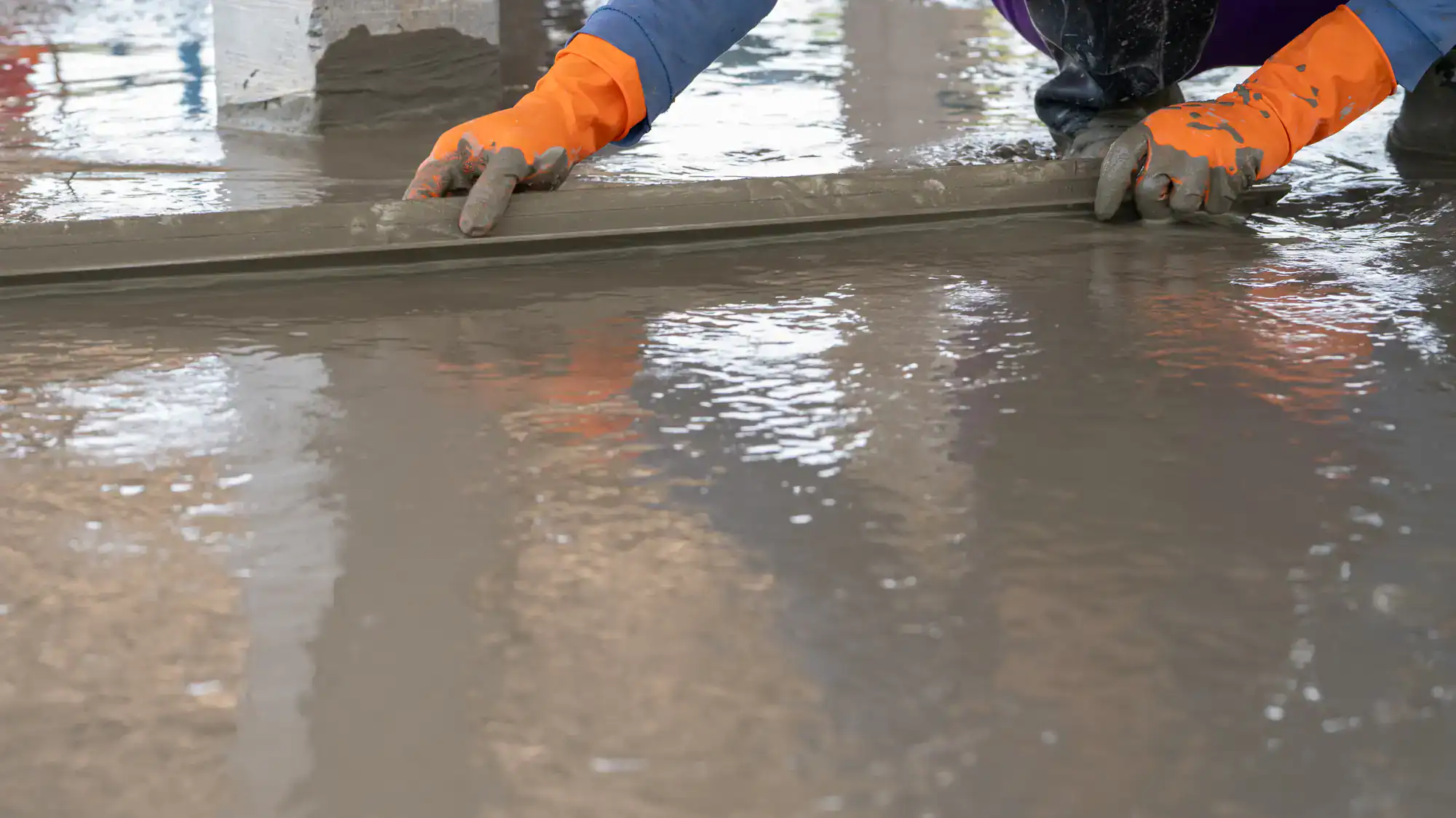
The process starts with diamond grinding not acid etching. This distinction matters more than most people realize. Acid etching introduces moisture into the slab, and moisture under a coating is how you get bubbles, delamination, and a floor that fails in year two. Diamond grinding creates the mechanical bond that holds a multi-layer industrial system to the concrete. In Hauppauge’s climate with freeze-thaw cycling through the winter months and the humidity that comes with Long Island summers skipping this step is how floors fail.
After grinding, the slab gets moisture tested. If the concrete isn’t ready to receive coating, you’ll know before the product goes down, not after. Any cracks, spalls, or surface damage get repaired at this stage. Then comes a penetrating primer, followed by a high-build base coat with aggregate broadcast for compressive strength and slip resistance. The final layer is a polyaspartic topcoat UV-stable, chemically resistant, and engineered for the hot-tire demands of an apparatus bay.
The part that matters most for a department like Hauppauge’s: the polyaspartic system cures in 24 hours. Apparatus goes back in the bay the next morning. You’re not parking trucks outside for a week or coordinating mutual aid logistics while the floor dries. One day of displacement, then back to normal operations. For a volunteer department covering an industrial service area of this complexity, that’s not a selling point it’s the only option that actually works.
Ready to get started?
The apparatus bay is the obvious starting point, but it’s not the only floor in the building that needs to perform. The Hauppauge Fire Department operates three stations, and each one has multiple zones with different demands. The decontamination area needs a seamless, non-porous surface that can be power-washed thoroughly one that doesn’t harbor the carcinogenic combustion byproducts and chemical residues that firefighters bring back from industrial responses in the park. NFPA contamination control standards exist for a reason, and a floor with cracks or failing edges undermines every decon protocol you put in place.
The living quarters need something durable and comfortable underfoot. The kitchen requires thermal-shock resistance and a surface that meets sanitation standards. These aren’t afterthoughts they’re part of what a properly specified station floor system covers. Using one certified contractor across all zones means the systems are compatible, the quality is consistent, and there’s a single point of accountability if anything ever needs attention.
For a fire district board approving a capital expenditure, the right framing is total cost of ownership. A properly installed polyaspartic system lasts 20-plus years. A consumer-grade or incorrectly installed epoxy fails in three to five, and then you’re paying to grind it off, prep the slab again, and start over plus dealing with the slip hazards and contamination risks during the failure period. Amortized over two decades, the industrial-grade system is the more fiscally responsible choice. That’s the argument that holds up in front of a budget committee.
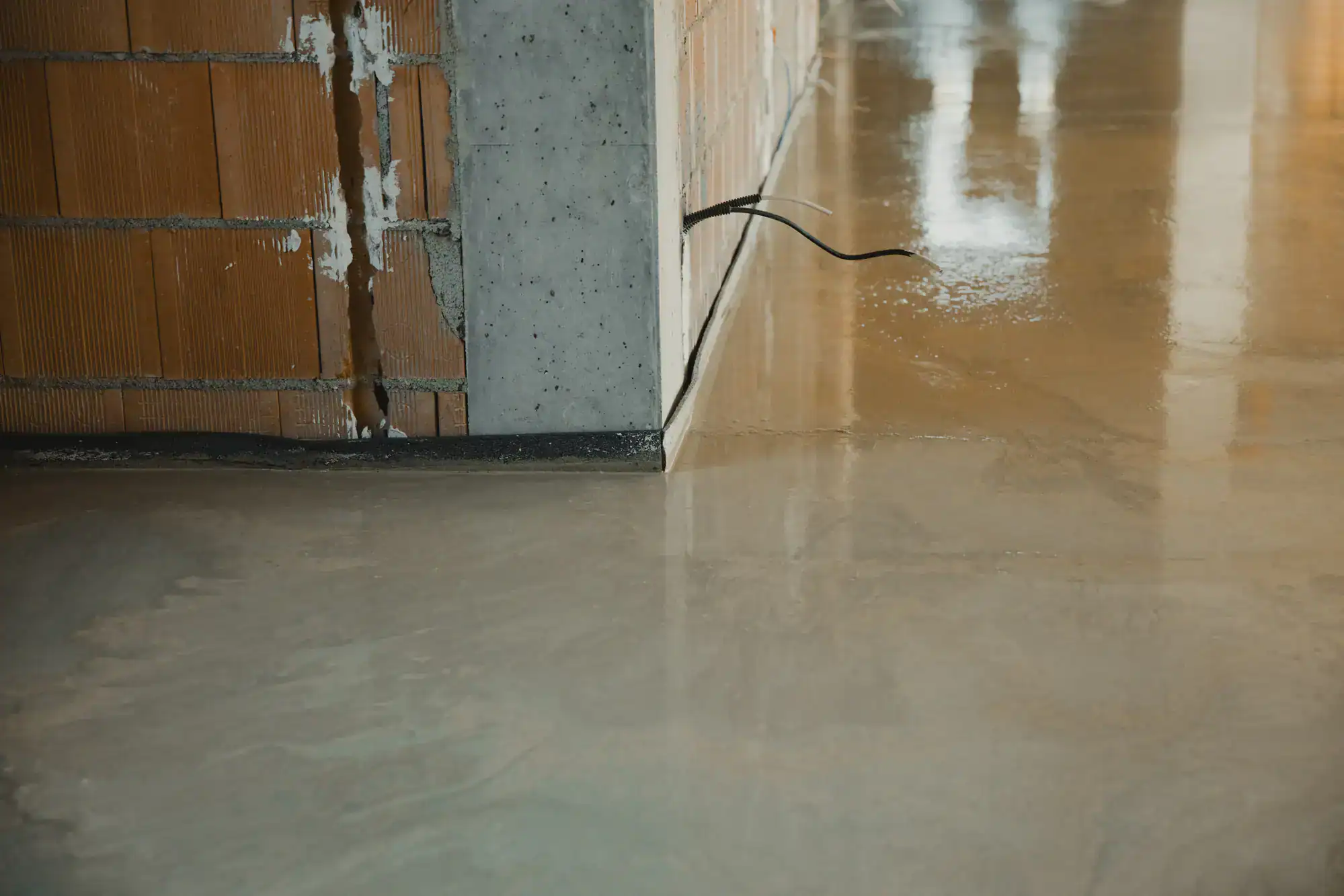
This is the first question most fire chiefs ask, and it’s the right one. The short answer is no and with a polyaspartic system, you don’t have to. Traditional epoxy coatings require three to seven days of cure time before heavy apparatus can return to the bay. For a volunteer department covering a service area that includes the Long Island Innovation Park and its 55,000 daily workers, parking trucks outside for a week and coordinating extended mutual aid isn’t a realistic option.
The polyaspartic system we install cures in 24 hours. Apparatus goes back in the following morning. You plan the work for a period when the department can manage a single overnight displacement, and by the next day you’re back to normal. That’s the only approach that actually fits the operational reality of a department with Hauppauge’s coverage profile and response obligations.
The most common failure mode in apparatus bay floors isn’t the product it’s the preparation. Contractors who use acid etching instead of diamond grinding, skip moisture testing, or apply a coating over a slab that isn’t ready to receive it are setting up every job to fail within a few years. The other major issue is product selection: standard epoxy is not rated for the compressive load of fire apparatus or the thermal stress of hot tires returning from emergency responses.
A properly installed system starts with diamond grinding to create a mechanical bond, moisture testing to confirm the slab is ready, crack and damage repair, a penetrating primer, a high-build base coat with aggregate for compressive strength, and a polyaspartic topcoat. In Hauppauge’s freeze-thaw climate, skipping any of these steps is how you end up with a floor that bubbles, peels, or cracks within a couple of winters. The preparation process is what separates a 20-year floor from a 3-year one.
Heavily. Every piece of apparatus returning from a winter call on Veterans Memorial Highway, the LIE, or Route 111 brings road salt back with it on the tires and undercarriage. On bare concrete or a floor with a failing coating, that salt penetrates the slab surface and starts breaking down the concrete matrix from the inside. Over time, it also makes future coating adhesion progressively harder the more salt that’s soaked in, the more prep work is required before anything new will bond properly.
A sealed, seamless polyaspartic floor stops this entirely. Salt, diesel fuel, hydraulic fluid, and any other contaminants sit on the surface and get wiped or washed away rather than absorbed. This is especially relevant in Hauppauge, where apparatus regularly runs on some of Suffolk County’s most heavily salted roads during winter weather events. If the floor isn’t sealed at the surface level, you’re fighting a losing battle with the slab every winter.
NFPA 1500, 1581, and 1585 establish the framework for occupational safety, infection control, and contamination management in fire stations. While these standards don’t prescribe a specific floor coating product, they do create clear performance requirements: the apparatus bay and decontamination zones need surfaces that are seamless, non-porous, and capable of being thoroughly cleaned and decontaminated. A floor with cracks, pores, or failing coating edges harbors the carcinogenic combustion byproducts and chemical residues that firefighters bring back from calls residues that can’t be fully removed even with power washing if the surface isn’t properly sealed.
For a department like Hauppauge’s which responds to hazardous materials incidents and industrial emergencies in one of the largest industrial concentrations in the Northeast contamination control isn’t a secondary concern. Firefighter cancer is now the leading cause of line-of-duty deaths in the U.S. fire service. A properly installed seamless resinous floor is one of the most practical infrastructure investments a department can make in support of the decontamination protocols designed to address that risk.
Standard epoxy is a solid starting point for light commercial applications, but it has real limitations in apparatus bay environments. It’s UV-sensitive, meaning it yellows and degrades with sunlight exposure. It’s relatively rigid, which makes it vulnerable to cracking under the freeze-thaw cycling that Hauppauge experiences through the winter months. And it’s susceptible to hot-tire pickup the failure mode where heated apparatus tires bond to the coating surface and pull it free on exit.
Polyaspartic is a different category of product. It’s UV-stable, so it holds its appearance and integrity over time. It’s four times more flexible than standard epoxy, which means it moves with the concrete slab through thermal expansion and contraction rather than cracking against it. It cures in 24 hours instead of three to seven days. And it’s engineered to handle the specific chemical and thermal demands of an apparatus bay diesel fuel, hydraulic fluid, road salt, and hot tires. For a fire station floor in a Long Island climate, polyaspartic isn’t a premium upgrade. It’s the correct specification.
Fire districts in New York State are independent taxing districts governed by elected boards of fire commissioners, and capital expenditures are subject to the district’s budget process and, above certain thresholds, competitive bidding requirements under New York’s Fire District Law. In practice, this means the fire chief typically identifies the need and brings it to the board, which then approves the expenditure often as part of the annual capital budget cycle, which runs September through November for the following year.
For Hauppauge specifically, the fire district benefits from a healthy tax base supported by the Long Island Innovation Park’s substantial commercial property values. This isn’t a budget-constrained rural district. That said, the board is publicly accountable to taxpayers, which means the investment needs to be justified on value not just initial price. The most effective argument for a quality floor system in front of a Hauppauge fire district board is total cost of ownership: a properly installed polyaspartic floor that lasts 20-plus years costs significantly less over its lifetime than two or three cycles of cheaper installations that fail and require full removal and reinstallation. That framing tends to hold up in a budget review.