
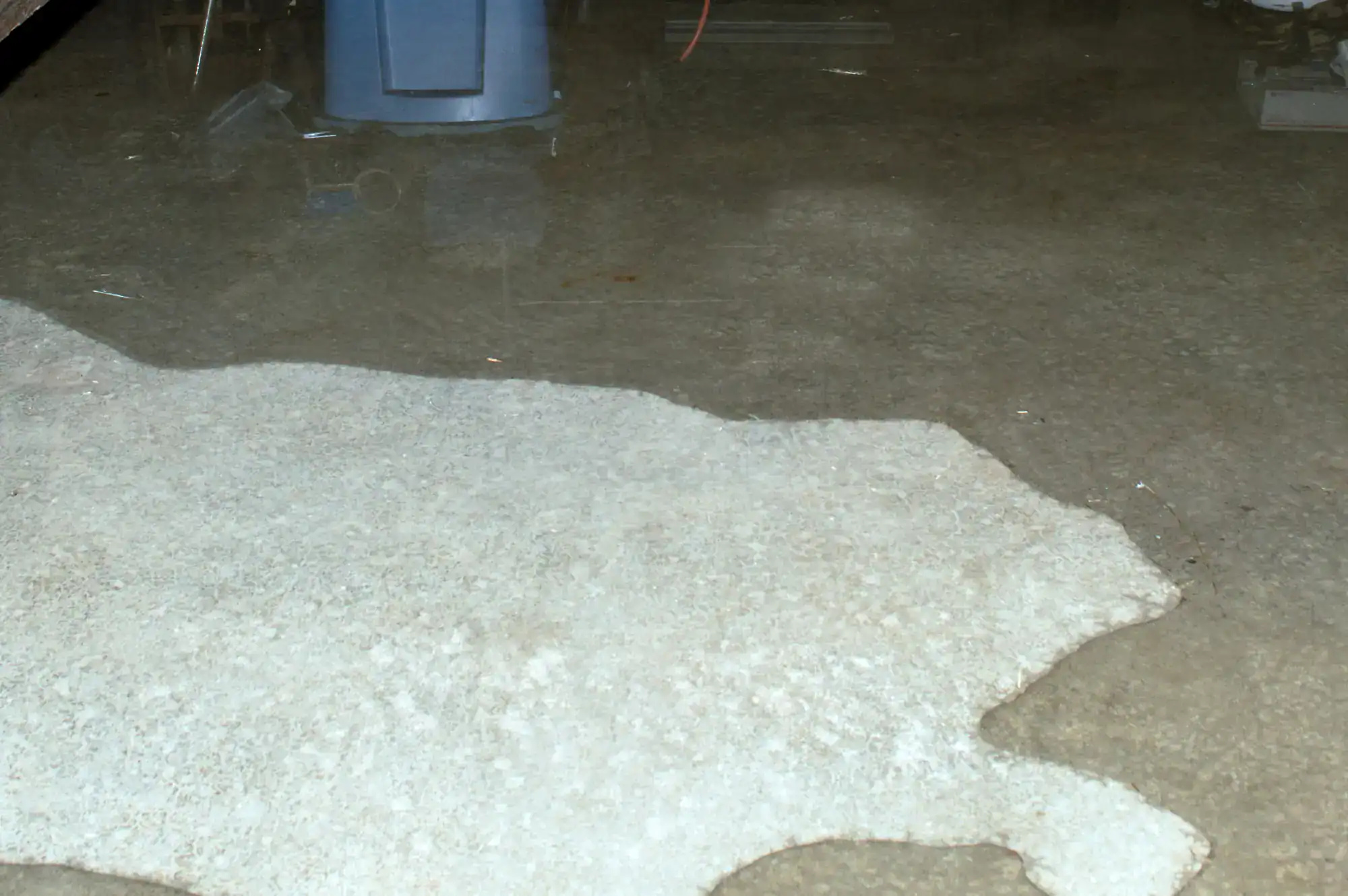
When a floor coating fails in Brentwood, it doesn’t just look bad it creates a real problem. Cracked, porous concrete holds onto diesel exhaust residue, road salt tracked in from the LIE corridor, and combustion byproducts that build up after every call. That’s not a maintenance issue. It’s a health issue. NFPA contamination control standards exist for exactly this reason, and a seamless, non-porous floor is one of the most practical ways to actually meet them.
The bigger operational problem is downtime. Traditional epoxy coatings need three to seven days before apparatus can return to the bay. For a volunteer department covering 62,000-plus residents across Brentwood, that’s not a realistic window. Our rapid-cure polyaspartic systems are ready for full apparatus traffic in 24 hours so your Pierce rigs are back where they belong the next morning, not sitting in a parking lot for a week.
Long Island winters add another layer to this. Freeze-thaw cycles hit apparatus bay floors hard, especially when bay doors are opening and closing throughout the night and trucks are rolling in with hot brakes and cold, salt-covered tires. A system that isn’t engineered for that thermal stress will crack. Ours is four times more flexible than standard epoxy, which is why it holds up through Suffolk County winters instead of failing by year three.
We’re based in Bohemia, NY a short drive east of Brentwood on the Long Island Expressway. This isn’t a national brand dispatching crews from out of state. We’re a Suffolk County contractor that has been doing commercial and industrial resinous flooring for over 30 years, through the same winters, the same road salt seasons, and the same freeze-thaw cycles your Brentwood stations deal with every year.
CEO Danny Harmer brings over 40 years of hands-on installation experience. Field supervisors Javier, Eduardo, and Fredith have a combined 40-plus years between them, and most of our installation crew has been with us for more than a decade. That kind of stability matters when you’re trusting someone to work inside an active fire station.
We hold the Sherwin-Williams High Performance Flooring certification one of the most rigorous manufacturer-approved applicator credentials in the industry alongside Res Tech certification. Every field installer is OSHA 40 certified. These aren’t box-checking credentials. They’re the reason the work holds up.
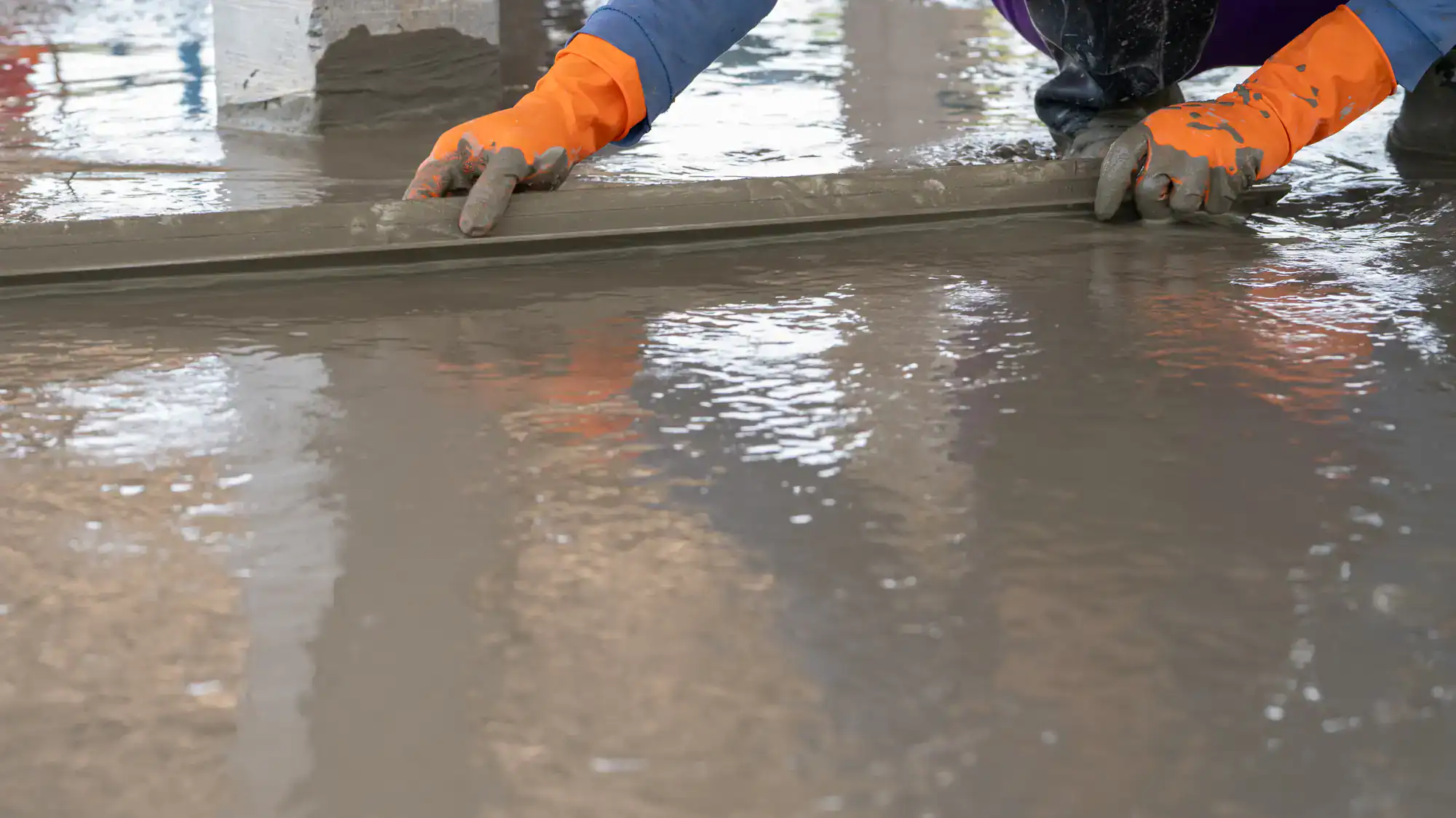
Before any coating goes down, we assess the concrete. That means moisture testing not skipping it. Long Island’s sandy glacial soil and high water table create real moisture vapor transmission through concrete slabs, especially in summer. Contractors who skip this step are the reason floors bubble and delaminate within a few years. We test first, every time.
Surface preparation comes next, and this is where most of the work actually happens. We use diamond grinding not acid etching to open the concrete at the capillary level and create a true mechanical bond surface. Acid etching introduces moisture into the slab right before you seal it, which is exactly backwards. Diamond grinding gives the coating something to grip. The difference shows up five years later when your floor still looks like it did on day one.
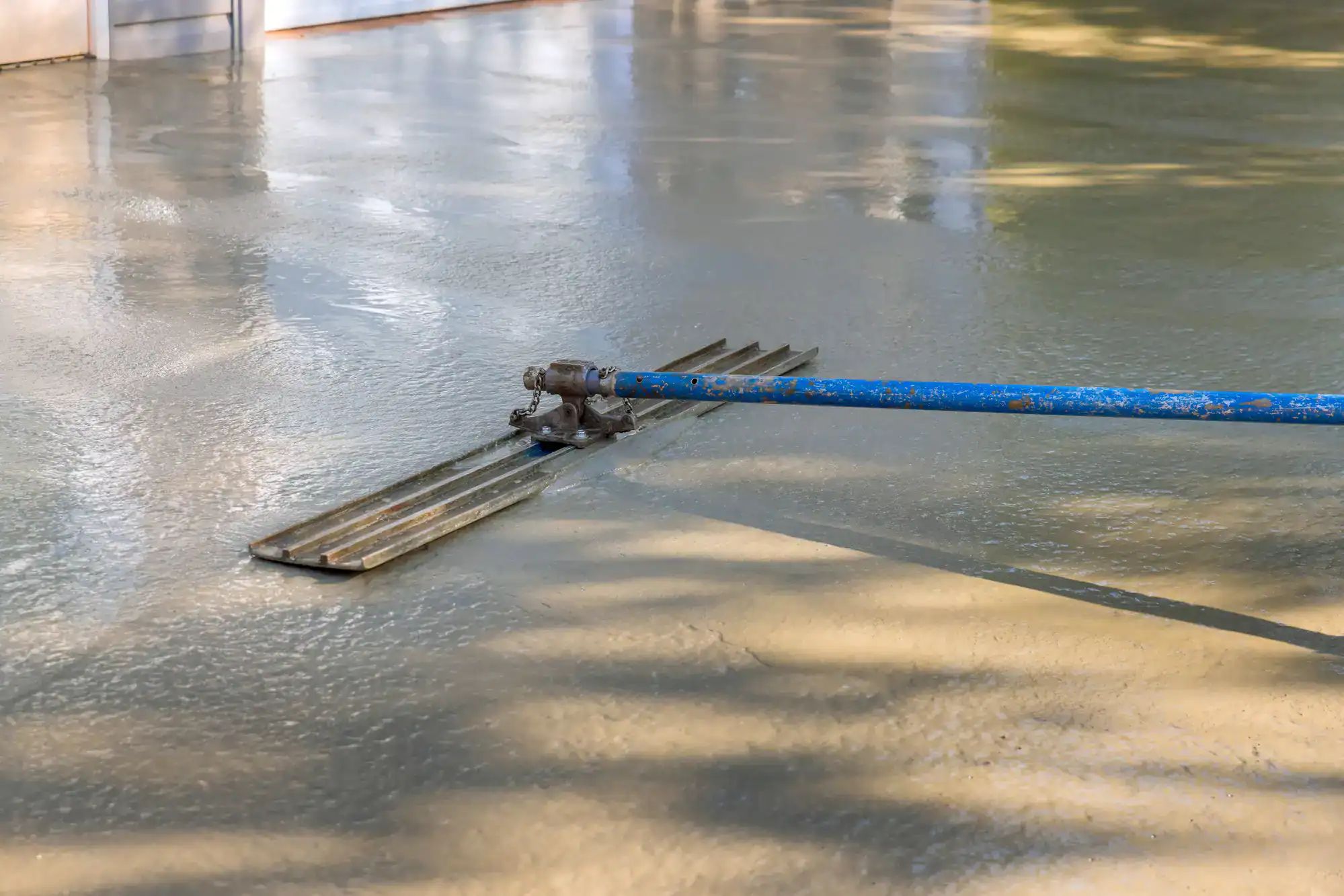
From there, we install the full multi-layer system: penetrating primer, high-build epoxy base coat, aggregate broadcast for compressive strength and slip resistance, and a polyaspartic topcoat at 15 mils. That’s the layer that handles hot tire pickup, chemical resistance, and the thermal cycling that Suffolk County winters put on every apparatus bay floor. Spring is typically the best window for installation temperatures are stable, cure conditions are ideal, and it sets your stations up before summer humidity kicks in. The whole process is managed start to finish without requiring heavy back-and-forth from your department.
Ready to get started?
What we install in Brentwood’s fire stations is a commercial-grade, multi-layer resinous system engineered specifically for apparatus bay conditions. That means it’s designed to hold up under 40,000-pound Pierce apparatus, resist the road salt and de-icing chemicals tracked in from Suffolk County roads all winter, handle diesel fuel and hydraulic fluid spills without staining or degrading, and support full power-wash decontamination after every significant call. That’s a different category of floor than what residential garage floor companies are selling, even if the product names sound similar.
The system is seamless and non-porous, which matters for more than aesthetics. Bare or cracked concrete in an apparatus bay becomes a collection point for carcinogenic combustion byproducts diesel particulates, PAHs, and other contaminants that come back on tires and undercarriages after structure fires. A sealed, washable surface is a genuine firefighter health protection measure, not a selling point we added to make the floor sound more important.
For Brentwood’s fire district which covers multiple stations from Quanahassett Engine Company No. 1 on Broadway to Edgewood Engine Company No. 6 on Pineaire Avenue we can handle multi-station projects under one contract, one crew, and one consistent system specification. No mismatched products across stations, no coordinating multiple vendors, and no administrative burden dropped on volunteer officers who already have enough on their plate.
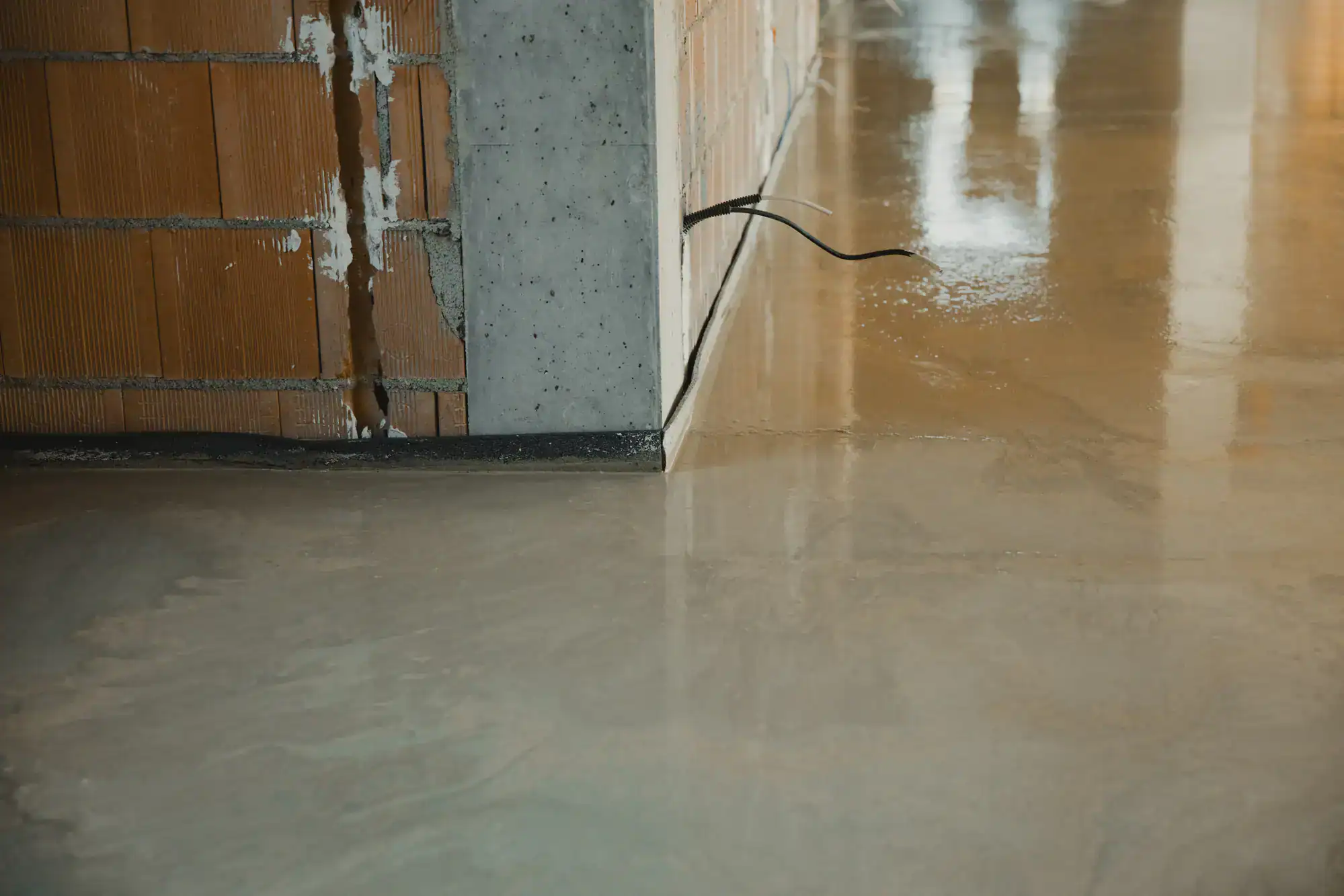
A properly installed polyaspartic system in an apparatus bay should last 20-plus years under normal fire station conditions. The key word is “properly” surface preparation and system specification are what determine lifespan, not just the product. Floors that fail in three to five years almost always failed because the concrete wasn’t adequately prepared, moisture testing was skipped, or the system was too thin to handle the thermal and mechanical stress of a working apparatus bay.
In Brentwood specifically, the combination of Long Island’s freeze-thaw winters, road salt exposure from the LIE corridor, and the thermal shock of apparatus returning from calls puts real stress on floor coatings. A 15-mil polyaspartic system installed over a properly diamond-ground and primed substrate handles those conditions. A 4-mil consumer-grade coating does not. The difference in lifespan is not marginal it’s the difference between one installation over 20 years and three or four reinstallations over the same period, each one requiring grinding, disposal, and full downtime.
Yes and this is one of the most important practical differences between polyaspartic and traditional epoxy systems. Standard epoxy coatings require three to seven days of cure time before they can handle apparatus traffic. For a volunteer department covering Brentwood’s service area of 62,000-plus residents, that kind of downtime isn’t realistic. You can’t park apparatus outside for a week and maintain adequate coverage.
Our polyaspartic systems cure to full apparatus traffic in 24 hours. That means installation happens, the bay is off-limits for one night, and your trucks are back in service the following morning. We also coordinate the project schedule around your department’s operational calendar if there are specific nights or shifts that create a better window for installation, we work around that. The goal is to complete the project with the least possible disruption to your Brentwood station’s coverage.
The two most common causes are moisture vapor transmission and inadequate surface preparation and they’re often related. Long Island’s sandy glacial soil and relatively high water table mean moisture is constantly moving upward through concrete slabs, especially during the humid summer months. When a contractor skips moisture testing and applies a coating over a slab that’s actively transmitting vapor, the moisture gets trapped under the coating and eventually pushes it up from below. That’s the bubbling and delamination you see in floors that fail within a few years.
The second cause is hot tire pickup when apparatus returns from a call with hot brakes and hot tires, those tires cool against the floor surface and bond to thin or under-engineered coatings. When the truck pulls out, it takes a piece of the floor with it. This is the most common failure mode in apparatus bays specifically, and it’s entirely preventable with a properly specified polyaspartic topcoat. If your current floor is peeling in strips or patches near where apparatus parks, hot tire pickup is almost certainly what happened.
Professional apparatus bay flooring in the Brentwood area typically runs in the range of $8 to $15 per square foot installed, depending on the size of the bay, the current condition of the concrete, and the specific system specified. A standard single-apparatus bay runs roughly 1,000 to 1,500 square feet, so a realistic project budget for one bay is in the $8,000 to $22,000 range. Multi-station projects for a department like Brentwood’s with five or more active apparatus bays across multiple companies are scoped per station and can often be structured to fit within a fire district’s capital budget cycle.
The more useful number for a fire district budget conversation is the total cost of ownership. A professional polyaspartic system installed correctly lasts 20-plus years. A consumer-grade or incorrectly specified system that fails in three to five years costs less upfront but requires grinding, disposal, and full reinstallation at a total cost that typically exceeds what the correct system would have cost in the first place. For a volunteer district accountable to Brentwood’s taxpayers, that math matters.
It does, and it’s worth understanding before you spec a floor. The Brentwood Fire Department runs Pierce apparatus one of the heavier and more demanding platforms in the industry. A fully loaded Pierce engine or ladder can exceed 40,000 pounds, and that weight is concentrated on four tire contact patches. A floor system that isn’t rated for that kind of point load will compress, crack, or delaminate over time regardless of how good the topcoat looks on day one.
The aggregate broadcast layer in our multi-layer system installed between the epoxy base coat and the polyaspartic topcoat is specifically what provides the compressive strength to handle that kind of sustained load. It also provides the slip resistance that OSHA and NFPA standards require in apparatus bays where firefighters are moving quickly in gear. These aren’t features added for aesthetics. They’re structural components of a system designed around the actual weight and operational demands of the apparatus your department runs.
A few reasons that are practical, not just sentimental. A contractor based in Bohemia, NY 10 to 15 minutes east of Brentwood on the Long Island Expressway is accountable in a way that a national brand or out-of-region contractor isn’t. If something needs attention after installation, the response is local and fast, not a call center ticket routed through a regional office. That matters for a volunteer fire district where the chief and commissioners are already managing a department on top of their regular lives.
Local contractors also know the conditions. Long Island’s freeze-thaw cycles, the road salt environment along Suffolk County roads, the moisture behavior of the glacial soil that underlies most of the region’s concrete slabs these are factors that affect how a floor system should be specified and installed. We’ve been doing commercial and industrial flooring in Suffolk County for over 30 years and have seen what works and what fails here specifically. That’s a different kind of knowledge than a national company brings, and it shows up in the floor’s long-term performance.