

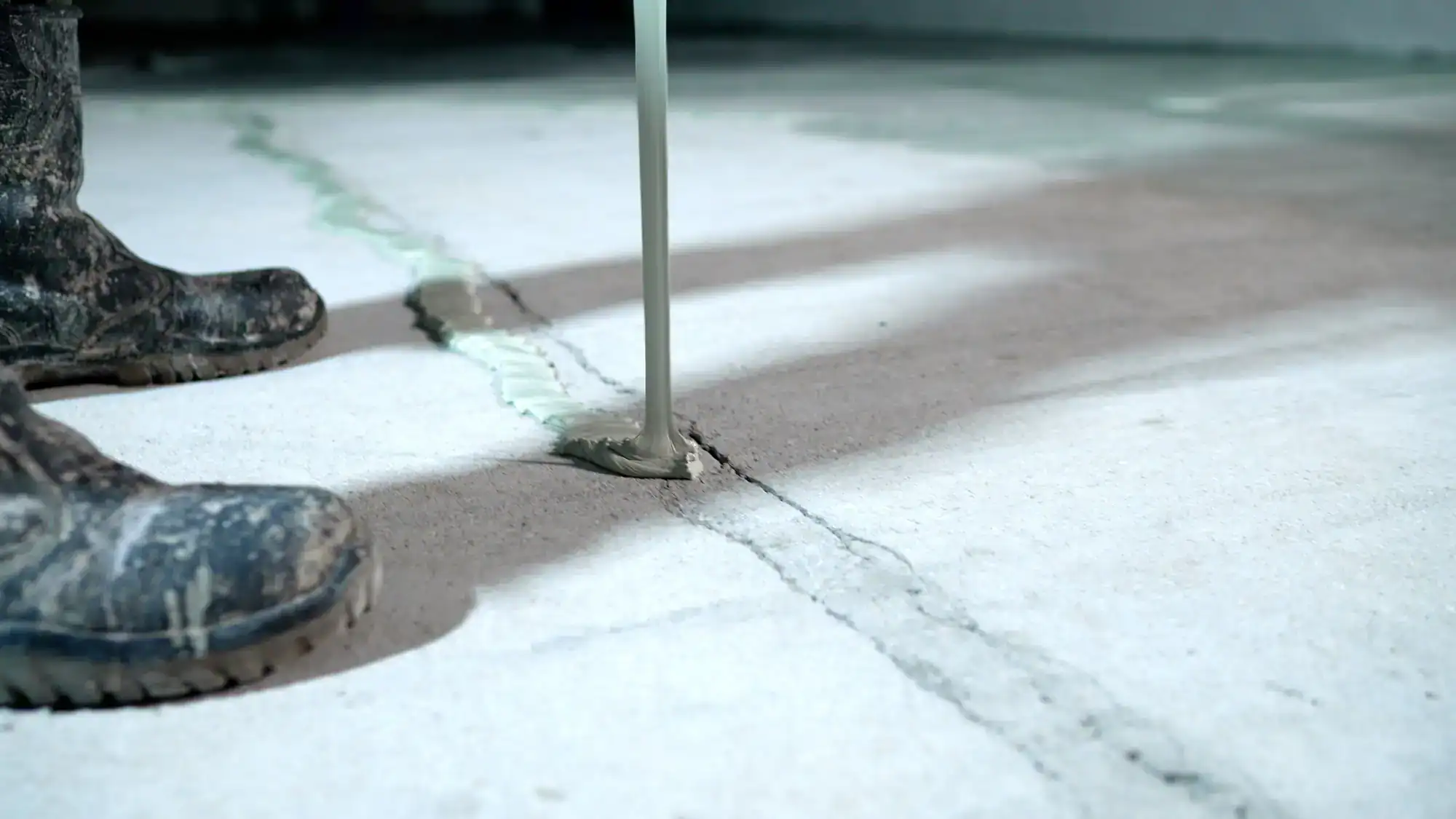
Most floor failures aren’t product failures. They’re preparation failures. A contractor skips moisture testing, grinds nothing, rolls on a coat, and six months later you’ve got bubbling, peeling, and a floor that looks worse than what you started with. That’s not a flooring problem that’s a process problem.
North Hempstead sits on the North Shore of Long Island, bordered by Long Island Sound and Manhasset Bay. Humidity here runs between 71% and 77% year-round not just in July, but in every season. That moisture doesn’t stay in the air. It works through concrete slabs, and if a contractor doesn’t test for it before the first coat goes down, you’re building on a problem you can’t see yet. A properly installed industrial epoxy system with moisture testing, diamond grinding, and the right primer chemistry gives you a floor that doesn’t just look good on day one, but holds up for 15 to 20 years.
North Hempstead also carries a dense concentration of mid-century commercial buildings office parks, retail spaces, and healthcare facilities built during the post-war expansion of the 1950s through 1970s. Older slabs have more contamination, more existing coating residue, and more structural cracks that need real remediation before anything new goes on top. We’ve seen what happens when contractors skip that step. We’re the ones other companies call to fix it.
Advanced Epoxy Flooring has been installing commercial and industrial epoxy systems across Nassau and Suffolk Counties for over 35 years. We’re led by Danny Harmer not a business owner who delegates the technical decisions, but an installer with over 40 years of hands-on field experience who built this company from the ground up. In 1996, he installed the epoxy floor in the White House kitchen. That’s not a marketing line it’s a verifiable credential that no competitor serving North Hempstead can claim.
Our crew reflects the same standard. Most of our installers have been with us for over a decade. That kind of tenure means institutional knowledge the kind that shows up in how a floor is prepped, how moisture is handled, and how a job is finished on time without cutting corners. We hold factory-trained certifications from Sherwin-Williams High Performance Flooring and Res Tech, employ OSHA 40-certified installers, and carry BBB Accreditation with an A+ rating. When you’re managing a facility near the Northwell Health corridor in Great Neck or maintaining a commercial space in Port Washington both part of North Hempstead’s commercial landscape that documentation matters.
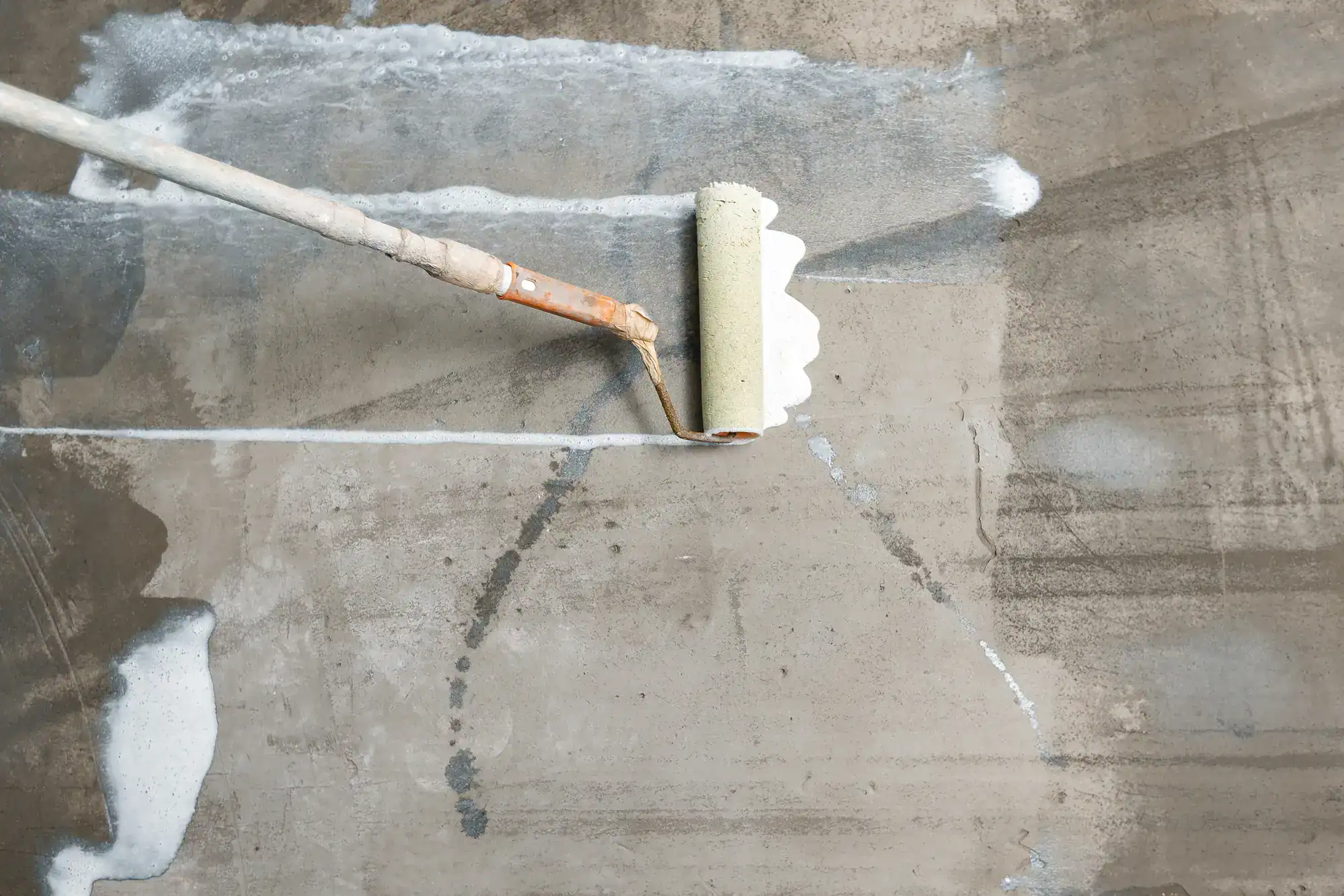
Every job starts with an assessment of the slab not a visual once-over, but actual moisture testing. In North Hempstead’s coastal environment, this step is non-negotiable. If the slab fails the moisture threshold, we specify the appropriate mitigation system before anything else moves forward. Skipping this step is the single most common reason epoxy floors fail in humid North Shore conditions, and it’s the step most lower-tier contractors quietly omit.
Once the slab is cleared, surface preparation begins with diamond grinding the professional standard for opening the concrete pores and achieving the correct surface profile for a high-build industrial system. Acid etching is not a substitute. Grinding is the only method that removes existing coatings, surface contamination, and laitance in a way that gives the new system something real to bond to. For older commercial slabs in North Hempstead the kind built in the 1950s and 1960s that are common throughout the town’s commercial districts this step often uncovers cracks and voids that need to be repaired before the coating sequence begins.
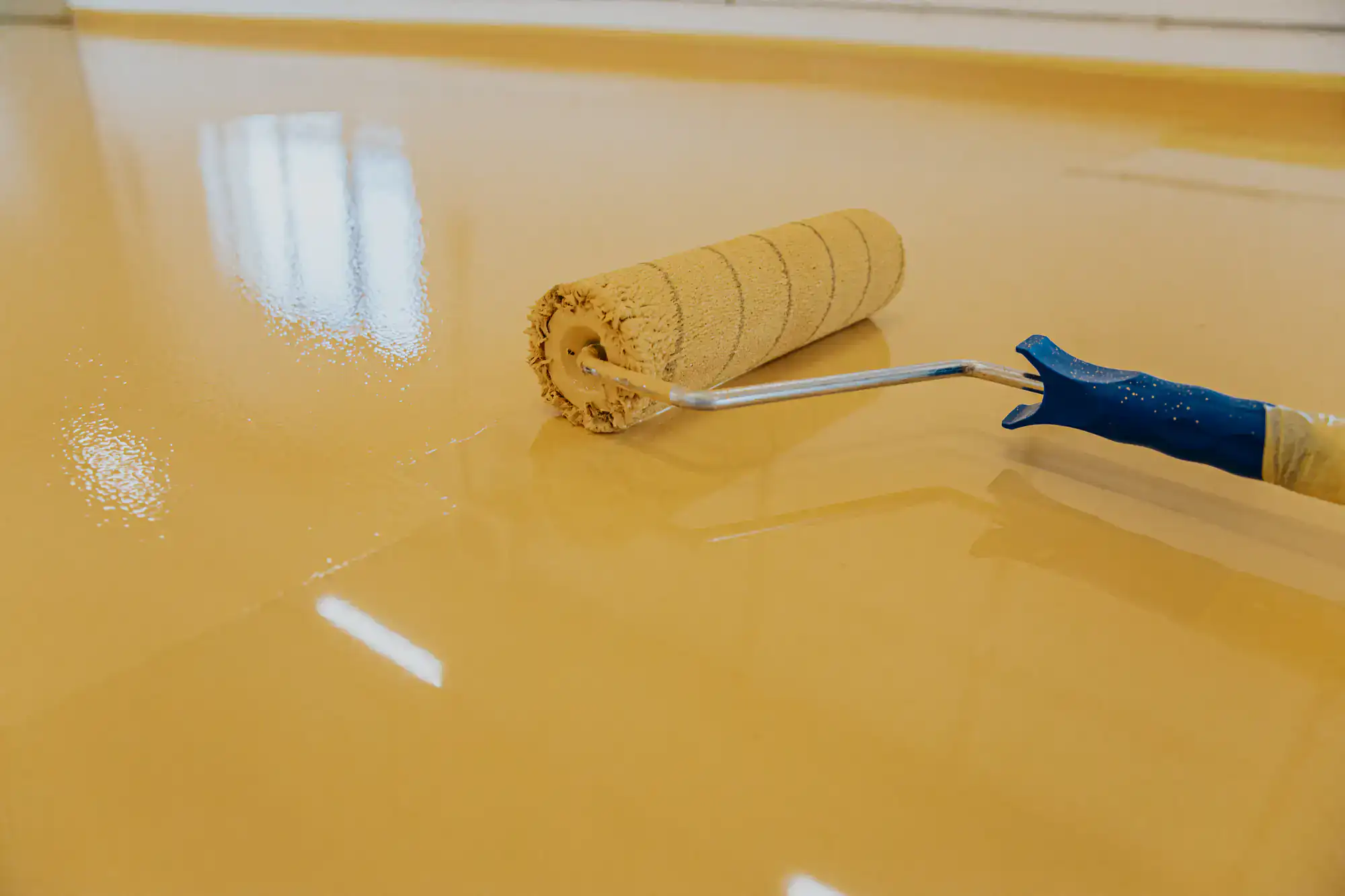
From there, the installation follows a disciplined sequence: primer coat, base coat, broadcast layer if specified, and topcoat with each layer given the cure time it needs. We select the topcoat chemistry for the environment. A commercial kitchen on the Miracle Mile in Manhasset gets a thermally shock-resistant, USDA-compliant system. A healthcare facility near the Northwell campus gets a seamless, antimicrobial-grade finish. A warehouse in a North Hempstead industrial park gets a heavy-duty system rated for the actual forklift loads running on it. The system is always specified for the space not applied generically.
Ready to get started?
The commercial flooring needs in North Hempstead aren’t one-size-fits-all. The healthcare campuses anchored by Northwell Health in Great Neck require seamless, antimicrobial resinous systems that meet ADA, FGI, and CDC guidelines floors that can be installed during off-hours without disrupting patient care and that hold up to the chemical cleaning agents used in clinical environments. The restaurant kitchens and food service operations in Port Washington, Roslyn, and along Northern Boulevard need USDA-compliant, thermally shock-resistant systems with hygienic cove base and they need them installed overnight so service never stops. Warehouses and light industrial facilities in North Hempstead’s planned industrial park zones need heavy-duty epoxy systems rated for real equipment loads, not decorative coatings dressed up with industrial language.
We install 100% solids and high-solids industrial epoxy, urethane mortar trowel systems, polyaspartic topcoats, and chemical-resistant epoxy finishes each selected based on the specific demands of the facility, not a generic price menu. Chemical resistant epoxy finishes are available for medical labs, automotive service bays, and food processing environments throughout Nassau County. High traffic commercial epoxy systems are specified for retail corridors, corporate lobbies, and distribution centers where floor durability directly affects operations.
Work in North Hempstead’s incorporated villages including Great Neck, Manhasset, Kings Point, and Port Washington may involve building permits from the individual village’s department in addition to town-level requirements. Our OSHA 40-certified installers and documented insurance meet the compliance requirements for commercial and industrial job sites across all of North Hempstead’s 30 incorporated villages.
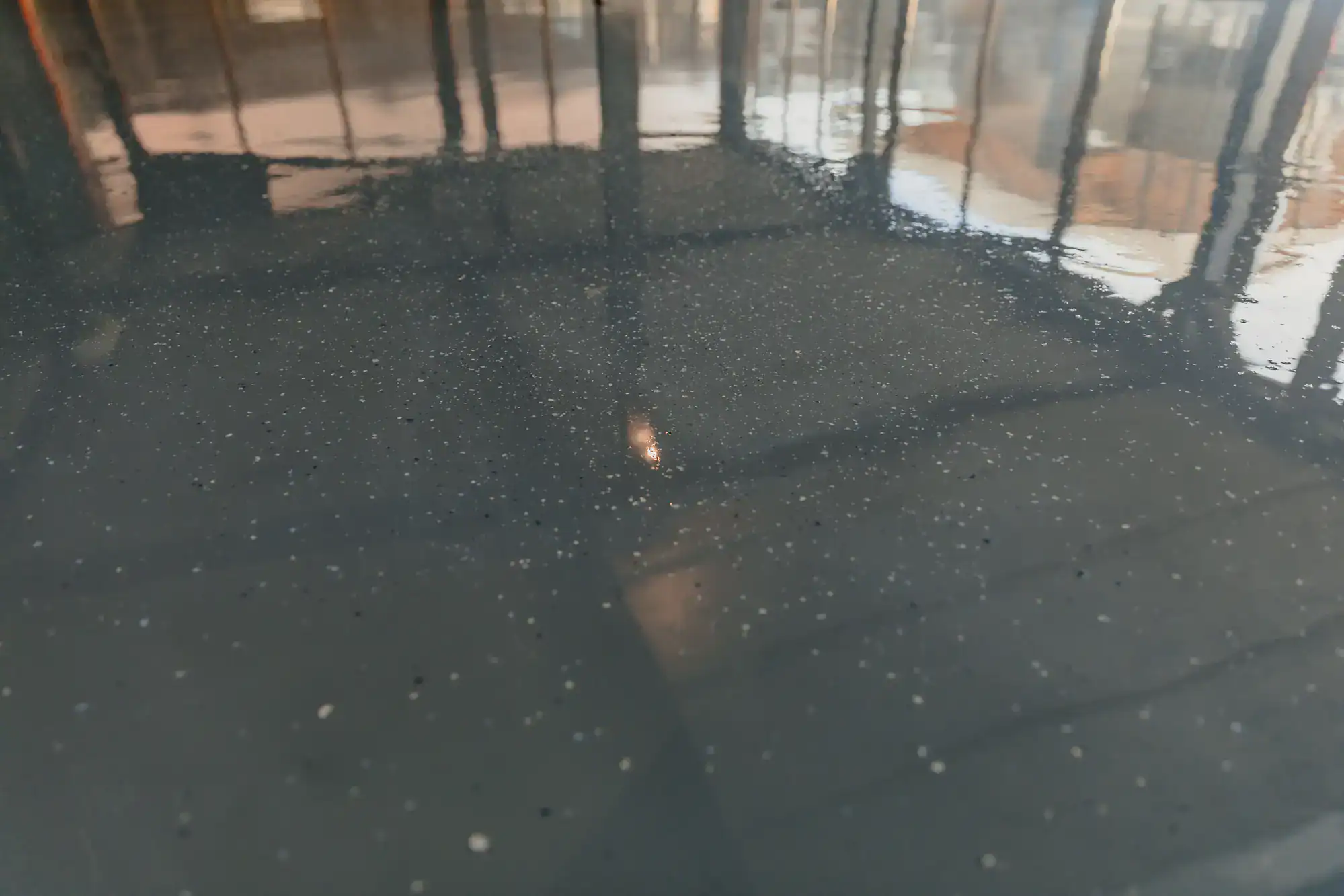
The short answer is moisture. North Hempstead’s proximity to Long Island Sound and Manhasset Bay keeps relative humidity between 71% and 77% year-round and that moisture doesn’t just affect the air, it moves through concrete slabs via a process called moisture vapor transmission. When a coating is applied over a slab that hasn’t been tested and treated for this, the moisture pressure builds beneath the film and eventually pushes it off the surface. Bubbling, blistering, and delamination are the visible result but the root cause was set before the first coat ever went down.
The fix isn’t a better product. It’s a better process. Moisture testing before installation, followed by the appropriate moisture mitigation primer if the slab fails, is what prevents this from happening. Any contractor who doesn’t start there regardless of what brand of epoxy they’re using is setting you up for a floor that fails ahead of schedule. In a North Shore environment like North Hempstead, this step isn’t optional. It’s the foundation of everything that comes after.
A properly installed industrial epoxy system with correct surface preparation, appropriate system thickness, and the right topcoat for the environment typically lasts 15 to 20 years in a commercial or industrial facility. That’s not a marketing number; it’s the realistic performance expectation for a 100% solids or high-solids system installed over a properly prepared slab. The variables that shorten that lifespan are almost always preparation-related: inadequate grinding, skipped moisture testing, or a system that wasn’t specified for the actual traffic and chemical exposure of the space.
For high-traffic commercial environments in North Hempstead retail spaces along Northern Boulevard, corporate lobbies, healthcare corridors a polyaspartic topcoat adds UV stability and abrasion resistance that extends the floor’s useful life and keeps it looking clean longer. For heavy industrial use, a urethane mortar base adds thermal and impact resistance that standard epoxy alone doesn’t provide. The right system for your facility depends on what’s running on that floor every day, and that’s a conversation worth having before any product gets specified.
Yes and for most commercial kitchen installations, that’s exactly how we work. Our commercial kitchen floor systems are designed for overnight installation. We arrive after your last service, prepare the surface, install a USDA-compliant, thermally shock-resistant system with hygienic cove base, and clear out before your morning prep crew arrives. Most kitchen floors are completed in a single overnight window.
For restaurant operators in Great Neck, Port Washington, and along the Manhasset dining corridor, this matters because a multi-day closure isn’t just inconvenient it’s a revenue problem and a staff scheduling issue. The key is having a contractor who has done this enough times to move efficiently without cutting corners on the process. Surface prep still has to happen. Cure times still have to be respected. But with the right crew and the right system, your kitchen can be back in service the next morning with a floor that meets health department standards and holds up to daily thermal shock from commercial dishwashing and cooking equipment.
Healthcare facilities whether they’re outpatient clinics, surgical centers, or rehabilitation spaces like those operating throughout the Northwell Health network in Great Neck require seamless resinous flooring systems that meet specific regulatory and infection control standards. The relevant guidelines include ADA accessibility requirements, FGI (Facility Guidelines Institute) standards for healthcare construction, and CDC infection control recommendations that call for non-porous, cleanable, and chemically resistant floor surfaces.
In practical terms, that means a 100% solids epoxy or urethane system with no seams, no grout lines, and no surface texture that traps bacteria or resists cleaning agents. Antimicrobial additives can be incorporated into the system where required. The floor also needs to hold up to the chemical disinfectants bleach solutions, quaternary ammonium compounds, hydrogen peroxide-based cleaners used in clinical environments without degrading or staining. We install medical-grade seamless systems specifically for these environments and can work within scheduled overnight or weekend windows to avoid disrupting patient care operations.
Commercial epoxy flooring in North Hempstead typically ranges from $5 to $12 per square foot, depending on the system specified, the condition of the existing slab, and the complexity of the installation. A standard commercial epoxy coating for a warehouse or light industrial facility in a North Hempstead industrial park zone might fall in the $5 to $7 range. A full urethane mortar system for a commercial kitchen or a medical-grade seamless system for a healthcare facility which involves more material, more prep, and more installation steps will run closer to $9 to $12 per square foot.
The biggest cost variables are surface preparation and moisture mitigation. Older concrete slabs common in North Hempstead’s mid-century commercial building stock often require more extensive grinding, crack repair, or moisture barrier application before the coating system can go down. Those steps add cost upfront, but they’re what separates a floor that lasts 20 years from one that needs to be replaced in three. In a market where commercial real estate values in Nassau County are among the highest on Long Island, the lifecycle cost of a properly installed floor almost always makes more financial sense than the short-term savings of a cheaper installation.
For most warehouse and distribution facilities in North Hempstead’s planned industrial park zones, yes but the specific system depends on what equipment is operating on the floor and how frequently. A standard high-build epoxy coating handles moderate foot traffic and light equipment well. If you’re running forklifts, heavy pallet jacks, or racking systems with significant point loads, a urethane mortar trowel system which provides 1/4-inch thickness and is rated for forklift axle loads exceeding 10,000 lbs is the more appropriate specification. It also adds thermal resistance and impact resistance that standard epoxy doesn’t provide.
Chemical exposure matters too. If your facility handles oils, solvents, cleaning agents, or any corrosive materials, a chemical resistant epoxy finish with the appropriate topcoat chemistry needs to be part of the specification. The wrong system for your load profile and chemical environment will fail ahead of schedule not because epoxy doesn’t work, but because the wrong epoxy was chosen for the wrong application. The conversation about which system is right for your facility starts with understanding what actually happens on that floor every day, and that’s exactly where we begin every commercial assessment in Nassau County.
Other Services we provide in North Hempstead