

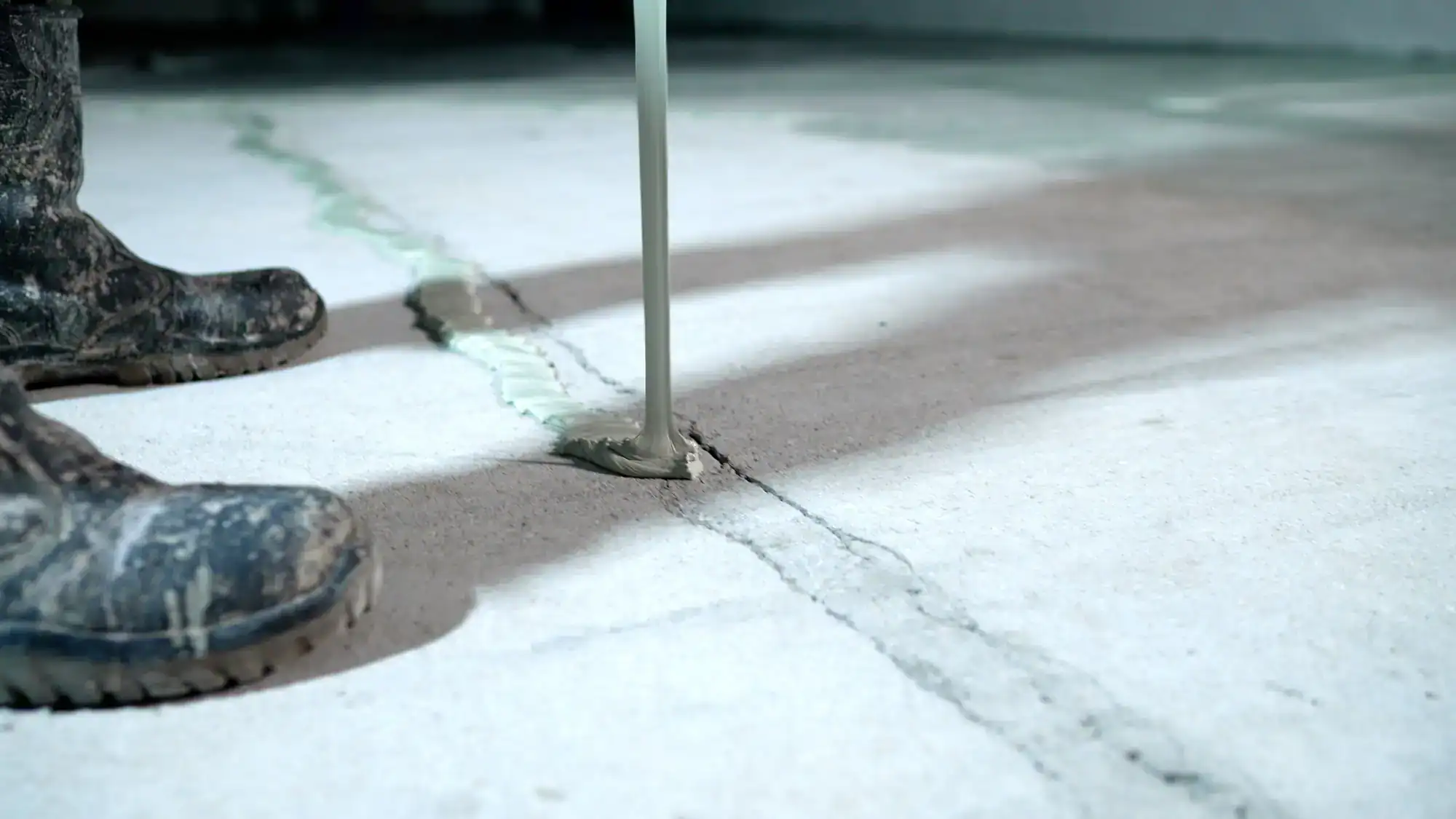
Elmont’s housing stock tells a specific story. With a median construction year of 1952 and nearly half of all homes built before 1950, the concrete slabs under these Cape Cods, ranches, and hi-ranches have been absorbing moisture, seasonal shifts, and decades of wear. When a floor coating fails here and plenty do it’s almost never the product. It’s the prep that was skipped and the moisture that was ignored.
Elmont sits within the Hook Creek Watershed, and the community is specifically identified as a flash flooding risk area on Long Island. The August 2024 storm dropped over nine inches of rain in twenty-four hours. That kind of groundwater pressure pushes moisture vapor up through concrete slabs from below and that’s the exact mechanism that causes epoxy to bubble, blister, and peel. A contractor who doesn’t test for moisture before installing anything in Elmont isn’t cutting corners accidentally. They just don’t know what they’re dealing with.
When the work is done right, you get a floor that doesn’t need to be replaced in three years. For commercial spaces along the Hempstead Turnpike corridor auto shops, restaurants, retail that means no unplanned closures, no repeat spending, and a surface that actually performs under the traffic it was built for.
We’ve been installing commercial and industrial epoxy systems across Nassau and Suffolk Counties for over thirty-five years. Our president and CEO, Danny Harmer, has more than forty years of hands-on installation experience including the White House kitchen in 1996. That’s not a marketing line. It’s the kind of track record that tells you something real about how seriously this work is taken.
We hold Sherwin-Williams High Performance Flooring certification and Res Tech certification both manufacturer-backed and factory-trained. Our installers are OSHA 40 certified, and most of the crew has been with us for over a decade. That matters when you’re coordinating a floor project around a working business on Hempstead Turnpike or a home renovation in one of Elmont’s older neighborhoods near the Cross Island Parkway.
Our BBB Accredited A+ rating with zero complaints on file over thirty-plus years of operation isn’t a badge it’s a pattern. It means the work holds up, and so do we.
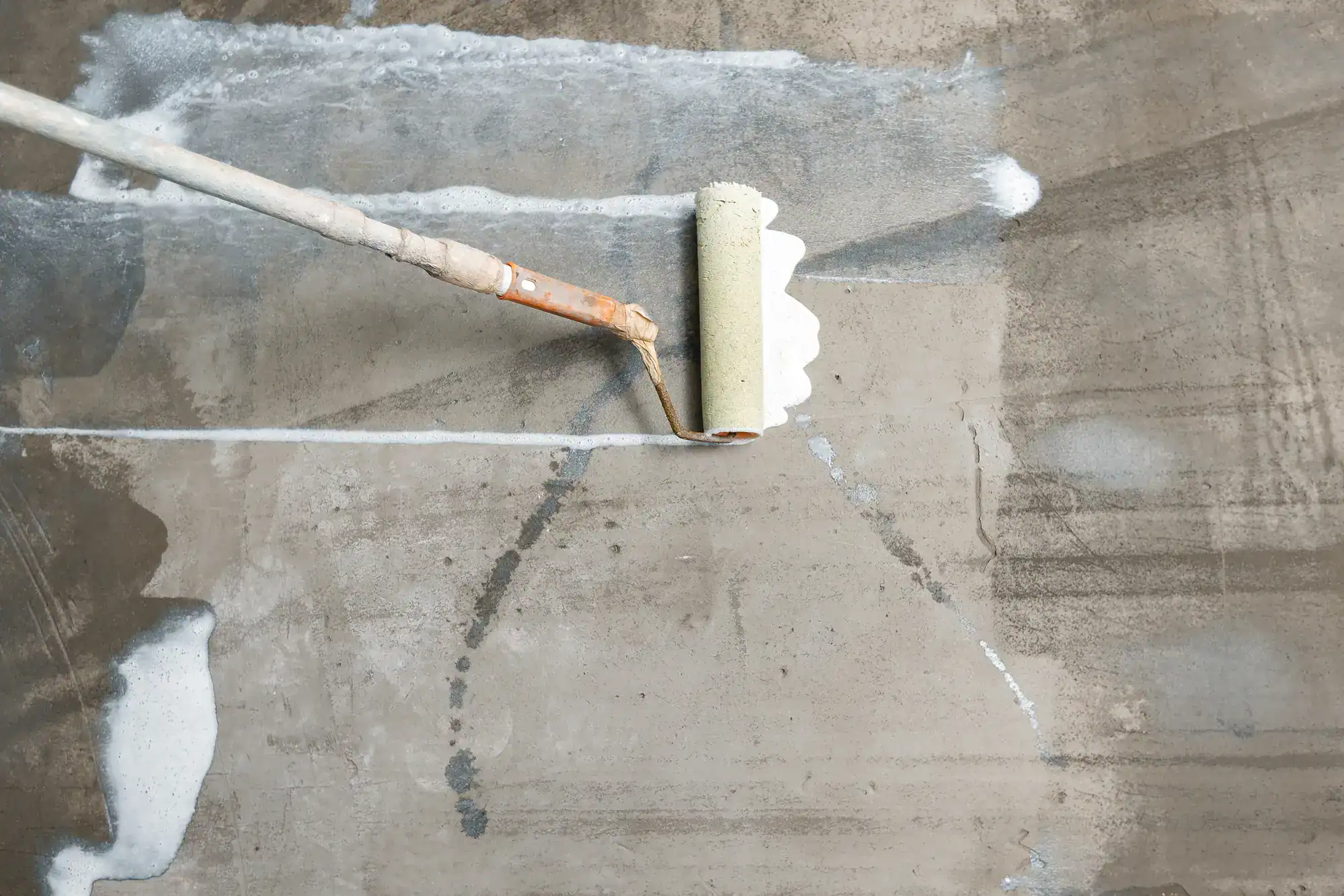
The first thing that happens on any Elmont job is a moisture assessment. Given the area’s documented flooding history and the age of most slabs here, skipping this step isn’t an option. Moisture vapor transmission groundwater pushing up through concrete is the leading cause of epoxy failure on Long Island, and it’s especially relevant in a community that sits within the Hook Creek Watershed. We test before we specify anything.
Once the slab is assessed, surface preparation begins. On Elmont’s older concrete, that means diamond grinding not acid etching. Diamond grinding removes surface contamination, opens the concrete profile, and gives the coating system a mechanical bond that actually holds. This step alone is what separates a floor that lasts twenty years from one that peels in eighteen months. It’s also the step most low-cost operators skip entirely.
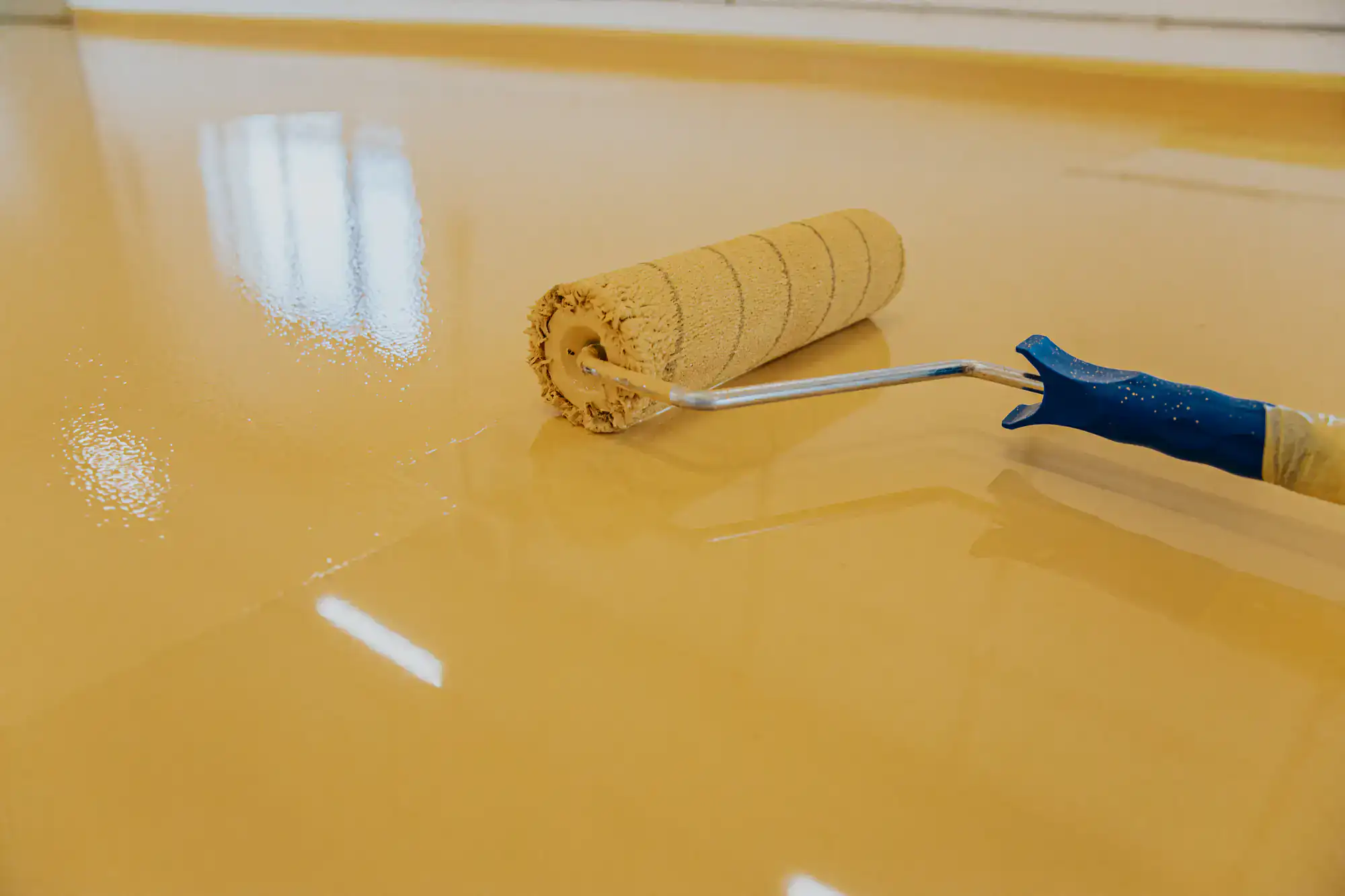
From there, the installation follows a disciplined multi-layer process: primer coat, base coat, topcoat each given proper cure time before the next layer goes down. We use 100% solids or high-solids industrial epoxy, specified at fourteen to thirty mils of dry film thickness. That’s not a cosmetic coating. It’s a surface engineered for real use. For commercial clients along the Hempstead Turnpike corridor, most systems are ready for foot traffic within twenty-four to seventy-two hours and commercial kitchen installations are typically completed overnight so you open on schedule.
Ready to get started?
The businesses along Hempstead Turnpike don’t need a pretty floor. They need one that handles forklift axle loads, chemical spills, steam cleaning, and the kind of daily punishment that comes with real commercial operation. The epoxy systems we install here are engineered for exactly that chemical-resistant epoxy finishes for automotive service bays, USDA-compliant seamless resinous floor coatings for commercial kitchens, and heavy-duty industrial epoxy floors for warehouses and distribution environments in western Nassau County.
For food service operators near the UBS Arena and Belmont Park Village corridor, our installation includes hygienic cove base work that eliminates the floor-wall joint where bacteria accumulate a detail that matters when a health inspector walks through. For automotive shops dealing with oil, hydraulic fluid, and battery acid exposure, we specify the system for chemical resistance, not just aesthetics. These are compliance floors and performance floors, not decorative ones.
Elmont’s humid subtropical climate also affects how and when we schedule installations. Epoxy shouldn’t go down when relative humidity exceeds eighty-five percent or when substrate temperatures fall below fifty degrees Fahrenheit. Unheated commercial spaces along the Turnpike service bays, warehouses may need temporary heating for winter installations. That scheduling awareness is built into every project we handle here, not figured out on the fly.
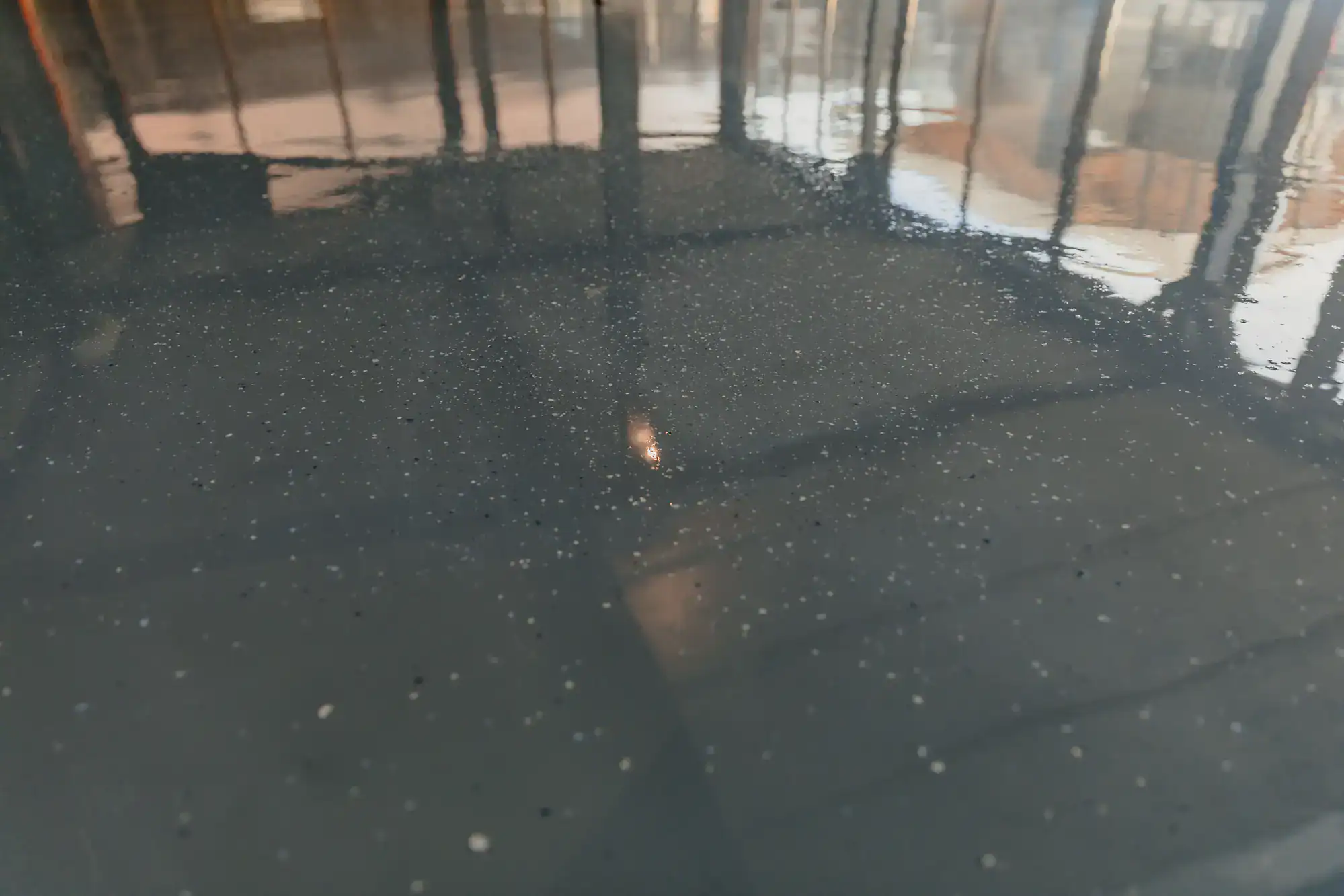
The short answer is moisture and skipped prep and in Elmont, both are extremely common. The community sits within the Hook Creek Watershed, and Elmont is specifically documented as a flash flooding risk area on Long Island. Older slabs in homes built in the 1940s and 1950s which make up the majority of Elmont’s housing stock have been absorbing groundwater for decades. That moisture doesn’t disappear when someone rolls epoxy over it. It pushes up through the slab as vapor, breaks the bond between the coating and the concrete, and causes peeling from below.
The other factor is surface preparation. Most peeling epoxy jobs were installed without diamond grinding. Acid etching the shortcut most low-cost operators use doesn’t adequately open the concrete profile on an older slab. Without a proper mechanical bond, the coating has nowhere to grip. On a slab that’s been sitting since 1952, that’s a near-guaranteed failure. The fix isn’t a better product it’s the right process from the start.
A properly installed industrial epoxy system meaning correct surface prep, correct product specification, and correct cure time between coats typically lasts ten to twenty years in commercial and industrial environments. In residential applications with lighter traffic, that lifespan can extend even further. The key word is “properly installed.” A water-based consumer-grade product applied over an unprepared slab might last eighteen months. The floor looks the same on day one. The difference shows up in year two.
For Elmont specifically, the longevity equation also involves moisture management. If the slab wasn’t tested for moisture vapor transmission before installation, and the system wasn’t specified to handle the moisture levels present in that concrete, the clock starts ticking from the moment it goes down. That’s why the assessment phase matters as much as the installation itself and why choosing a contractor who skips it is the most expensive decision you can make on a flooring project.
For most epoxy flooring projects coating an existing concrete slab in a garage, basement, or commercial space a standalone building permit is typically not required in New York State. The work is considered a surface treatment, not a structural modification. That said, there are situations where permits do come into play. If the project involves slab repair, drainage system changes, or modifications to a commercial kitchen or healthcare facility’s infrastructure, you may need to file with the Town of Hempstead Building Department, which is the relevant permitting authority for Elmont as an unincorporated hamlet within the Town of Hempstead.
Commercial properties along the Hempstead Turnpike corridor also fall within the HT-E Overlay District, which governs design and development standards for that commercial strip. If your renovation involves more than just the floor facade changes, structural work, or significant interior modifications it’s worth confirming with the Town of Hempstead whether a permit is required before work begins. Our crew is OSHA 40 certified and familiar with Nassau County’s commercial construction requirements, so if questions come up during the assessment phase, we can help you navigate them.
Automotive service environments are one of the most demanding applications for any floor coating. Motor oil, hydraulic fluid, battery acid, and the constant weight of vehicles create a combination of chemical exposure and mechanical stress that eliminates most consumer-grade options immediately. For auto shops along the Hempstead Turnpike corridor in Elmont, the correct specification is a 100% solids or high-solids industrial epoxy system with a chemical-resistant topcoat installed at fourteen to thirty mils of dry film thickness. That’s the range where the coating can actually absorb impact, resist chemical penetration, and hold up under the daily load of a working service bay.
Surface preparation is especially critical in automotive environments because oil and chemical contamination penetrate concrete over time. On a slab that’s been in a service bay for years, diamond grinding is the only reliable way to remove that contamination and expose clean concrete for bonding. Acid etching won’t cut it. If the slab isn’t clean at a mechanical level before the coating goes down, the floor will fail regardless of how good the product is.
Epoxy flooring can significantly improve a basement floor’s resistance to surface water it creates a seamless, non-porous surface that’s far easier to clean after a flooding event and doesn’t absorb standing water the way bare concrete does. But it’s important to be clear about what epoxy is and isn’t. It’s a floor coating, not a waterproofing system. If your Elmont basement is experiencing active water intrusion through the slab or walls, that issue needs to be addressed before any coating goes down not covered over.
Elmont’s documented flooding history makes this distinction especially relevant. The August 2024 storm that dropped over nine inches of rain in twenty-four hours caused widespread basement flooding across the community. Homeowners who had existing epoxy floors in those basements found them easier to remediate the water didn’t soak into the concrete, and cleanup was faster. But floors installed over slabs with unresolved moisture issues didn’t fare as well. The assessment we do before every installation is specifically designed to catch these conditions before they become your problem after the job is done.
For commercial and industrial epoxy flooring in Elmont, pricing typically ranges from seven to twelve dollars per square foot for a properly specified, multi-layer industrial system. The range reflects variables like slab condition, system type, square footage, and any remediation work required before installation such as crack repair, moisture mitigation, or additional surface grinding on an older concrete substrate. Elmont’s commercial properties, many of which sit on slabs from the 1950s and 1960s, often require more prep work than newer construction, and that’s factored into the assessment before any number is put on paper.
The comparison that matters most for business owners on Hempstead Turnpike isn’t the upfront cost versus a cheaper quote it’s the upfront cost versus the cost of replacing a failed floor in three years. A water-based system installed by an underqualified contractor might run three to four dollars per square foot. It will also peel, and when it does, you’re paying for removal, remediation, and reinstallation on top of the lost revenue from being closed. A correctly installed industrial system at seven to twelve dollars per square foot, lasting fifteen to twenty years, is the less expensive option over the life of the floor.